B12 vs B Complex: Which Should You Take?
Summarized from peer-reviewed research indexed in PubMed. See citations below.
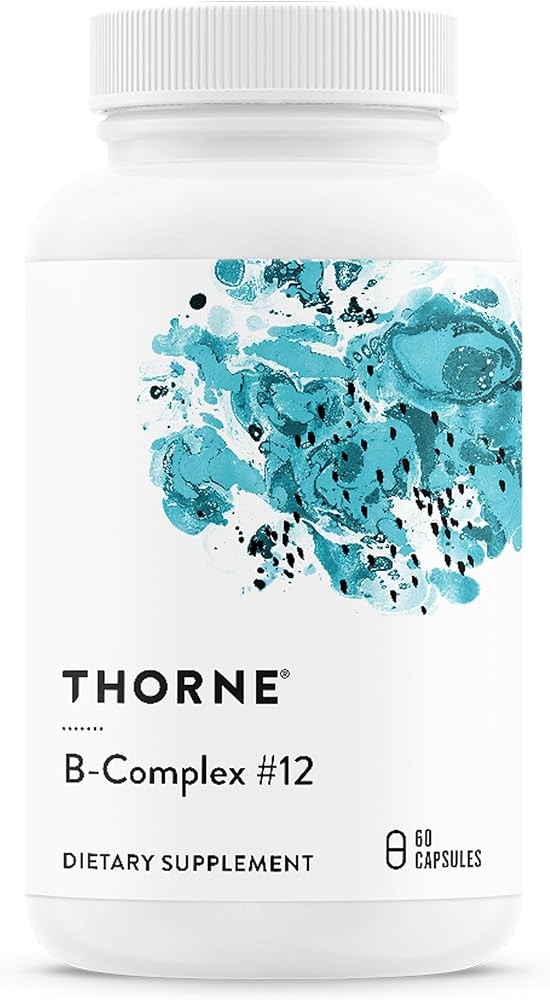
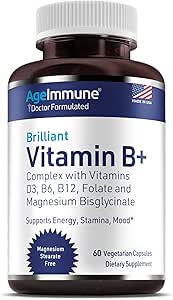
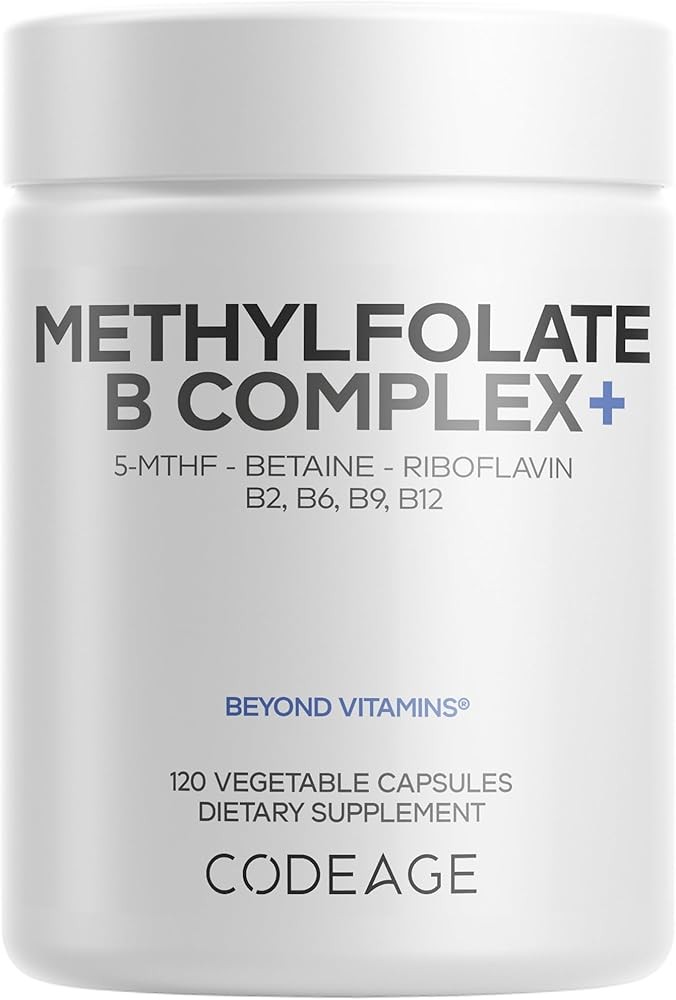
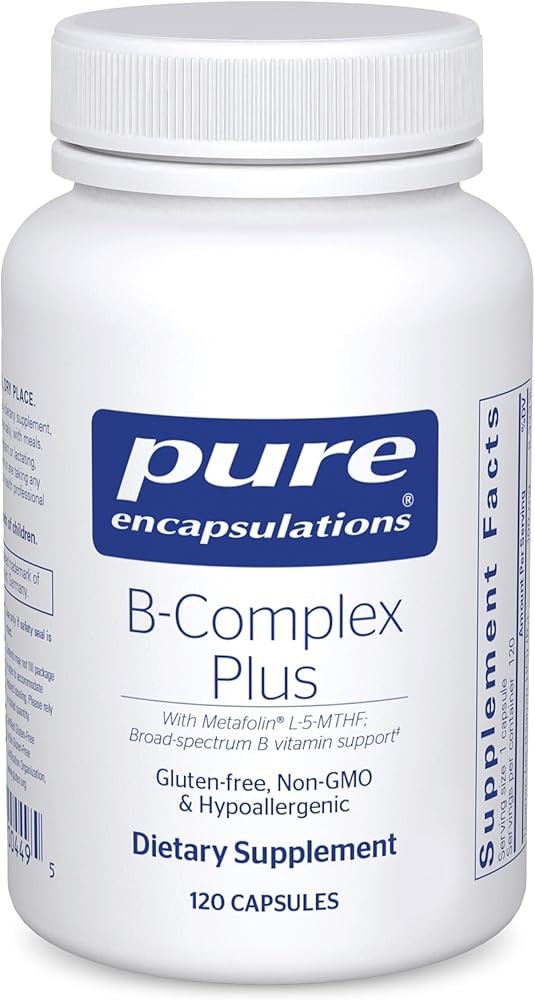
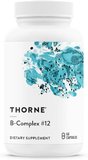
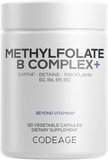
Up to 15% of the general population show vitamin B12 deficiency, with rates far higher among unsupplemented vegans, and deficiency can drive fatigue, neurological symptoms, and impaired DNA synthesis. For comprehensive coverage of all eight B vitamins, Thorne B-Complex #12 delivers active forms including methylcobalamin B12 and methylfolate for about $26 per 60-capsule bottle, while AgeImmune covers the budget end at about $22 with added vitamin D3 and magnesium. If you only need B12, standalone methylcobalamin supplements typically cost $8-15 for a 3-6 month supply. Here is what the published research shows about choosing between targeted B12 and comprehensive B complex supplementation.
Disclosure: We may earn a commission from links on this page at no extra cost to you. Affiliate relationships never influence our ratings. Full policy →
Why Compare Vitamin B12 and B Complex?

Walk into any supplement aisle or scroll through Amazon, and you will find two categories of B vitamin products staring back at you: standalone vitamin B12 and full-spectrum B complex. Both are among the best-selling supplements in the world, and both promise better energy, sharper thinking, and improved overall health. But they are not interchangeable, and choosing the wrong one could mean you are either missing nutrients you need or paying for ones you do not.
Here is the core issue: vitamin B12 is one specific nutrient, while B complex is a team of eight. That distinction matters more than most people realize, because each B vitamin has its own unique job in your body, and they often depend on each other to work properly. A B12 deficiency is a very real clinical problem — affecting up to 15% of the general population and over 50% of vegans — but so are deficiencies in folate, B6, thiamine, and the other B vitamins that a standalone B12 supplement will never address.
This guide goes deep into the science behind both options. We will cover exactly what each supplement contains, how they work at the cellular level, who needs what, and the clinical evidence behind each. By the end, you will have a clear framework for deciding which one belongs in your daily routine — or whether you need both.
| Feature | Vitamin B12 | B Complex |
|---|---|---|
| Number of nutrients | 1 (cobalamin) | 8 (all B vitamins) |
| Best for | Confirmed B12 deficiency, vegans, pernicious anemia | Broad nutritional coverage, energy metabolism, stress support |
| Active forms | Methylcobalamin, adenosylcobalamin | Varies by brand — look for methylated forms |
| Typical dose | 1,000-2,000 mcg for deficiency | Varies — often 100% DV or higher per B vitamin |
| Cost per month | $3-5 | $5-15 |
| Side effects | Virtually none | Occasional nausea, bright yellow urine, flushing (niacin) |
| Drug interactions | Minimal | More interactions due to multiple nutrients |
| Absorption factors | Requires intrinsic factor | Multiple absorption pathways |
What Is Vitamin B12?
Vitamin B12 — technically called cobalamin because its molecular structure contains the mineral cobalt — is the largest and most structurally complex of all the vitamins. Your body cannot make it. You must get it from animal-derived foods (meat, fish, eggs, dairy) or supplements. It is also the only vitamin that requires a specialized transport system involving a stomach protein called intrinsic factor just to be absorbed.
The Four Forms of B12
Not all B12 is created equal. There are four forms you will encounter in supplements, and the differences matter:
Cyanocobalamin is the most common and cheapest form found in supplements and fortified foods. It is synthetic — meaning it does not occur naturally in significant amounts in the human body. Your body must convert it to an active form (methylcobalamin or adenosylcobalamin) before it can use it, a process that involves removing the cyanide molecule and adding a methyl or adenosyl group. Despite containing trace amounts of cyanide, it is considered safe because the quantities are negligible. It is also the most chemically stable form, which is why manufacturers favor it for supplements and fortified foods (Paul & Brady, 2017; PMID: 28223907).
Methylcobalamin is one of the two bioactive forms your body actually uses. It serves as a cofactor for the enzyme methionine synthase, which converts homocysteine to methionine — a critical step in the methylation cycle. This form is particularly relevant for people with MTHFR gene variants, who convert cyanocobalamin less efficiently. In patients with MTHFR mutations and recurrent pregnancy loss, supplementation with active B12, folate, and B6 significantly lowered homocysteine (Serapinas et al., 2017; PMID: 28689805).
Adenosylcobalamin (also called dibencozide or 5-deoxyadenosylcobalamin) is the other bioactive form. It works in the mitochondria as a cofactor for the enzyme methylmalonyl-CoA mutase, which is involved in fatty acid and amino acid metabolism. This form is essential for energy production at the cellular level.
Hydroxocobalamin is a natural form produced by bacteria and commonly used in intramuscular B12 injections. It has a longer retention time in the body compared to cyanocobalamin and is the preferred form for treating cyanide poisoning because it binds cyanide molecules directly.
Research on absorption shows that at standard supplemental doses, all four forms are absorbed at roughly the same rate in people with normal digestive function (Paul & Brady, 2017; PMID: 28223907). The difference lies more in what happens after absorption — how efficiently your body converts and utilizes each form based on your genetics, age, and health status.
What B12 Does in Your Body
Vitamin B12 is involved in three critical processes:
1. DNA synthesis and cell division. B12 is required for the synthesis of thymidine, a building block of DNA. Without adequate B12, cells cannot divide properly — which is why B12 deficiency causes megaloblastic anemia, where red blood cells become abnormally large and dysfunctional because they cannot complete division properly.
2. Myelin synthesis and nerve function. B12 is essential for maintaining the myelin sheath — the fatty insulation that wraps around nerve fibers and allows electrical signals to travel quickly. When B12 is deficient, myelin degrades, leading to a condition called subacute combined degeneration of the spinal cord. Peripheral neuropathy (tingling, numbness, pain in the hands and feet) is one of the most common neurological manifestations of B12 deficiency, as illustrated by case reports in older adults where neurological and cognitive complaints were the presenting feature (Dekker et al., 2024; PMID: 38987880).
3. Homocysteine metabolism and methylation. As methylcobalamin, B12 serves as a cofactor for converting homocysteine to methionine. Elevated homocysteine is an independent risk factor for cardiovascular disease, stroke, and neurodegenerative conditions. This pathway also produces S-adenosylmethionine (SAMe), which is the body’s primary methyl donor — required for hundreds of methylation reactions that regulate gene expression, neurotransmitter production, and detoxification.
How Common Is B12 Deficiency?
More common than most people think. According to the NIH Office of Dietary Supplements, the RDA for adults is just 2.4 mcg per day, but absorption is the bottleneck — not intake. Your body can only absorb about 1.5 mcg per meal through the intrinsic factor pathway, plus roughly 1% of any dose through passive diffusion.
Deficiency rates vary dramatically by population:
-
General adult population: 6-15% (depending on the country and the cutoff used)
-
Vegans: the highest rates of any dietary group; meta-analytic data show significantly lower serum B12 and higher homocysteine in vegans than omnivores, especially without supplementation (Niklewicz et al., 2024; PMID: 39373282)
-
Vegetarians: 25-50%, depending on how much dairy and eggs they consume
-
Adults over 60: 10-30%, primarily due to atrophic gastritis reducing acid and intrinsic factor production
-
Pregnant women: B12 status is frequently suboptimal in pregnancy, particularly with restricted diets or closely spaced pregnancies
-
People on metformin: 22-30%, increasing with duration of use
-
People on PPIs (proton pump inhibitors): 25-35% with long-term use
What Is B Complex?
A B complex supplement contains all eight water-soluble B vitamins in a single formula. These vitamins were once thought to be a single nutrient (hence the shared “B” name) but were later discovered to be chemically distinct compounds that happen to share similar dietary sources and overlapping metabolic roles.
The Eight B Vitamins at a Glance
Here is every member of the B family and what it does:
Vitamin B1 (Thiamine) — The “energy spark plug.” Thiamine is a cofactor for enzymes in carbohydrate metabolism, including pyruvate dehydrogenase and alpha-ketoglutarate dehydrogenase in the citric acid cycle. Without it, your body cannot efficiently convert glucose into ATP. Severe deficiency causes beriberi (peripheral neuropathy, heart failure) and Wernicke-Korsakoff syndrome (brain damage associated with chronic alcoholism). RDA: 1.1-1.2 mg/day.
Vitamin B2 (Riboflavin) — The “redox worker.” Riboflavin is a component of the coenzymes FAD (flavin adenine dinucleotide) and FMN (flavin mononucleotide), which participate in over 100 redox reactions in the body. It is critical for the electron transport chain in mitochondria — where the majority of your ATP is produced. Riboflavin also helps recycle glutathione, your body’s master antioxidant. RDA: 1.1-1.3 mg/day.
Vitamin B3 (Niacin) — The “metabolic master key.” Niacin is a precursor to NAD+ (nicotinamide adenine dinucleotide) and NADP+, coenzymes involved in over 400 enzymatic reactions — more than any other vitamin-derived coenzyme in the body. NAD+ is essential for energy metabolism, DNA repair, and cellular signaling. It comes in two supplemental forms: nicotinic acid (which can cause flushing) and niacinamide (flush-free). RDA: 14-16 mg NE/day.
Vitamin B5 (Pantothenic Acid) — The “CoA builder.” Pantothenic acid is a component of coenzyme A (CoA), which is required for the synthesis and oxidation of fatty acids, the citric acid cycle, and the production of steroid hormones, neurotransmitters, and hemoglobin. It is sometimes called the “anti-stress vitamin” because of its role in adrenal hormone production. AI: 5 mg/day.
Vitamin B6 (Pyridoxine) — The “neurotransmitter factory.” B6 in its active form (pyridoxal-5’-phosphate, or PLP) is a cofactor in over 140 enzymatic reactions, including the synthesis of serotonin, dopamine, GABA, norepinephrine, and melatonin. It is also critical for hemoglobin synthesis and immune function. B6 is the only B vitamin with an established upper limit (100 mg/day) due to risk of peripheral neuropathy at high doses. RDA: 1.3-1.7 mg/day.
Vitamin B7 (Biotin) — The “carboxylase cofactor.” Biotin is required for four carboxylase enzymes involved in fatty acid synthesis, gluconeogenesis, and amino acid metabolism. It has become popular for hair, skin, and nail health, though evidence for this is mostly limited to people with actual biotin deficiency. Importantly, supplemental biotin can interfere with certain lab tests (troponin, thyroid panels), potentially leading to misdiagnosis. AI: 30 mcg/day.
Vitamin B9 (Folate) — The “cell division vitamin.” Folate (as tetrahydrofolate and its derivatives) is essential for one-carbon metabolism, DNA synthesis, and amino acid metabolism. It works hand-in-hand with B12 in the methylation cycle. Deficiency during early pregnancy dramatically increases the risk of neural tube defects, which is why folic acid fortification of grain products became mandatory in many countries. The active supplemental form is L-methylfolate (5-MTHF), which is preferred for individuals with MTHFR variants. RDA: 400 mcg DFE/day (600 mcg during pregnancy).
Vitamin B12 (Cobalamin) — Covered in detail above. In a B complex, the B12 dose is typically 50-1,000 mcg depending on the formula, which provides coverage for general needs but may not be sufficient for people with significant deficiency.
Why B Vitamins Work as a Team
A critical concept that most supplement marketing misses: B vitamins do not work in isolation. They are metabolically interconnected in ways that make their combined effect greater than the sum of their parts.
The clearest example is the methylation cycle. B12, folate, and B6 all converge at the homocysteine junction. B12 (as methylcobalamin) and folate (as 5-MTHF) work together to convert homocysteine to methionine. B6 (as PLP) drives the alternative pathway that converts homocysteine to cysteine via cystathionine beta-synthase. If any one of these three is deficient, homocysteine accumulates, and population data link higher homocysteine with cardiovascular risk across different ethnic groups (Hughes et al., 2000; PMID: 10692959).
Similarly, riboflavin (B2) is needed to activate B6, and B2 is also required by the MTHFR enzyme that converts folate to its active methylfolate form. Niacin (B3) synthesis from tryptophan requires B6 as a cofactor. These interrelationships mean that a deficiency in one B vitamin can functionally impair the others, even if their blood levels appear adequate.
A 2016 review in the journal Nutrients made this point forcefully: “The B vitamins represent a group of eight essential dietary micronutrients that work closely in concert at a cellular level… supplementation with the entire group of B vitamins is therefore a more rational approach than selecting one, two, or three compounds” (Kennedy, 2016; PMID: 26828517).
What Does the Head-to-Head Comparison Show?
| Feature | Vitamin B12 (Standalone) | B Complex |
|---|---|---|
| What It Contains | Single nutrient (cobalamin) | All 8 B vitamins |
| Best Forms | Methylcobalamin, adenosylcobalamin, or hydroxocobalamin | Look for active forms: methylfolate, PLP, methylcobalamin |
| Typical B12 Dose | 500-5,000 mcg per serving | 50-1,000 mcg per serving |
| Bioavailability | High (1.5 mcg via intrinsic factor + 1% passive diffusion) | Varies by component; generally good |
| Key Benefits | Nerve function, red blood cells, DNA synthesis, methylation | Energy metabolism, stress support, broad nutritional coverage |
| Homocysteine Lowering | Moderate (needs folate and B6 to be fully effective) | Strong (contains all three: B12, folate, B6) |
| Energy Production | Indirect (supports methylation and red blood cell formation) | Direct (thiamine, riboflavin, niacin, pantothenic acid in ATP cycle) |
| Neurological Support | Strong (myelin synthesis, nerve repair) | Broad (B1, B6, B12 all support nerve function) |
| Price Range | $8-15 for 3-6 months | $10-30 for 2-4 months |
| Cost Per Day | $0.04-0.15 | $0.10-0.50 |
| Side Effects | Essentially none at any dose | Generally safe; B6 can cause neuropathy above 100 mg/day long-term |
| Best For | Confirmed B12 deficiency, vegans, elderly, targeted therapy | General wellness, multiple nutrient gaps, stress, energy, broad coverage |
| Pill Size | Small (B12 only) | Larger (multiple ingredients) |
| Available Forms | Tablets, sublingual, lozenges, sprays, injections | Tablets, capsules, liquids, gummies |
How Do Their Mechanisms of Action Differ?
Vitamin B12’s Targeted Pathways
When you take standalone B12, you are specifically supporting two enzymatic reactions:
Reaction 1 — Methionine synthase (cytoplasm): Methylcobalamin donates its methyl group to homocysteine, converting it to methionine. This reaction simultaneously regenerates tetrahydrofolate (THF) from methyltetrahydrofolate — a process called the “methyl trap.” Without adequate B12, folate gets trapped in its methyl form and cannot participate in DNA synthesis, which is why B12 deficiency can mimic folate deficiency.
Reaction 2 — Methylmalonyl-CoA mutase (mitochondria): Adenosylcobalamin acts as a cofactor to convert methylmalonyl-CoA to succinyl-CoA, a citric acid cycle intermediate. This pathway is critical for the metabolism of odd-chain fatty acids and certain amino acids (valine, isoleucine, methionine, threonine). When B12 is deficient, methylmalonic acid (MMA) accumulates — making it a specific biomarker for B12 deficiency.
B Complex’s Broader Metabolic Coverage
A B complex supplement activates an entire network of metabolic pathways simultaneously:
Energy metabolism: Thiamine (B1), riboflavin (B2), niacin (B3), and pantothenic acid (B5) are all essential coenzymes in the citric acid cycle and electron transport chain — the core pathways where your mitochondria produce ATP. Without these four working together, cellular energy production falters at multiple points.
Amino acid metabolism: B6 is required for over 100 transamination and decarboxylation reactions involving amino acids. It is the rate-limiting factor in neurotransmitter synthesis — serotonin, dopamine, GABA, and norepinephrine all require B6 for production.
One-carbon metabolism: B12, folate (B9), and B6 manage the cycling of one-carbon units needed for DNA synthesis, methylation reactions, and detoxification pathways. This trio is the most tightly interconnected set of B vitamins.
Fatty acid synthesis and oxidation: Pantothenic acid (via coenzyme A) and biotin (via carboxylase enzymes) are required for building and breaking down fatty acids — a process essential for cell membrane construction, hormone production, and energy storage.
The practical implication is this: B12 alone can fix a B12-specific problem, but B complex can address systemic energy and metabolic issues that B12 alone cannot touch.
What Signs Tell You B12 Is Running Low?
Your body gives remarkably specific signals when B12 is running low. Here is what to watch for:
Signs You May Be B12 Deficient
- Persistent fatigue that sleep does not fix. B12 deficiency reduces red blood cell production, meaning your blood carries less oxygen to tissues. The fatigue feels different from normal tiredness — it is a deep, bone-level exhaustion that does not respond to rest.
- Tingling or numbness in your hands and feet. This is peripheral neuropathy caused by demyelination of nerve fibers. It often starts in the feet and works upward. If you notice “pins and needles” that persist beyond a few minutes, B12 should be on your radar.
- A swollen, inflamed, or unusually smooth tongue. Called glossitis, this is caused by the loss of papillae (the small bumps on your tongue) due to impaired cell division. Some people also develop mouth ulcers.
- Difficulty concentrating or “brain fog.” B12 deficiency impairs methylation in the brain, affecting neurotransmitter production and cognitive function.
- Mood changes, especially depression or irritability. B12 is needed for SAMe production, which is involved in serotonin and dopamine synthesis. Low B12 has been associated with increased risk of depressive symptoms in multiple population studies.
- Pale or yellowish skin. Megaloblastic anemia causes red blood cells to break down more easily, releasing bilirubin and causing a yellowish tint. Combined with reduced healthy red blood cells, skin may appear unusually pale.
- Unsteady walking or balance problems. In advanced deficiency, damage to the spinal cord (subacute combined degeneration) can impair proprioception — your sense of where your body is in space. People describe feeling “wobbly” or having to look at their feet when walking.
- Heart palpitations or shortness of breath. Your heart compensates for anemia-related oxygen deficiency by beating faster. Some people notice this most during mild exertion like climbing stairs.
What Improvement Looks Like When You Start B12
- Week 1-2: Energy levels begin to stabilize. The “crushing” fatigue starts lifting. Many people report feeling the difference within the first 5-7 days, especially if deficiency was moderate to severe.
- Week 2-4: Mental clarity, mood, and energy often keep improving as methylation and red blood cell pathways catch up. Tingling or numbness, when present, is typically the slowest symptom to change.
- Month 1-3: With confirmed deficiency, blood markers (B12, homocysteine, MMA) normalize within weeks, while neurological symptoms improve gradually over months.
Red Flags — See a Doctor Immediately
- Sudden onset of severe balance problems or difficulty walking
- Rapidly progressing numbness or weakness in the limbs
- Vision changes or optic neuropathy
- Significant cognitive decline or personality changes
- Severe anemia symptoms (extreme pallor, racing heart at rest, fainting)
What Signs Suggest You Need a B Complex?
Because B complex covers eight vitamins, the deficiency signals are broader and sometimes subtler:
Signs You May Need a B Complex
- Cracking at the corners of your mouth (angular cheilitis). This is a classic sign of riboflavin (B2) and/or B6 deficiency. The skin at the mouth corners becomes dry, cracked, and sometimes inflamed.
- Skin rashes, especially around the nose and mouth. Seborrheic dermatitis-like rashes can indicate B2, B3, or B6 deficiency. Niacin deficiency in particular causes a distinctive photosensitive rash on sun-exposed areas.
- Brittle nails or hair thinning. While biotin (B7) gets the most attention for this, deficiencies in multiple B vitamins can contribute to poor keratin production.
- Feeling wired but tired — anxious yet exhausted. This paradoxical state often reflects B vitamin insufficiency affecting both energy metabolism (low ATP production) and neurotransmitter balance (impaired serotonin and GABA synthesis from low B6).
- Frequent headaches or migraines. Riboflavin (B2) at 400 mg/day has been shown to reduce migraine frequency. Low B6 and folate are also associated with increased headache prevalence.
- Poor stress tolerance. The B vitamins — especially B5 (pantothenic acid) — are rapidly depleted during periods of physical or emotional stress. If your ability to handle stress has declined noticeably, multiple B vitamins may be running low.
- Digestive issues. B1 and B3 deficiency can impair gut motility and digestive enzyme secretion.
- Muscle cramps or weakness. B6 is involved in muscle function and electrolyte balance, and low B6 can contribute to cramping.
What Improvement Looks Like on B Complex
-
Week 1: Most people notice brighter yellow urine — this is harmless and simply reflects riboflavin (B2) excretion. Energy levels may begin to improve, especially if you were deficient in multiple B vitamins.
-
Week 2-3: Skin healing begins. Angular cheilitis and rashes start resolving. Mood stabilization becomes noticeable. Sleep quality may improve as B6 supports melatonin synthesis.
-
Month 1: Stress resilience improves. Mental clarity sharpens. Exercise recovery may feel faster due to improved energy metabolism.
-
Month 2-3: Full benefits are typically realized. Hair and nail quality improvements become visible (these grow slowly, so you will not see changes for at least 6-8 weeks).
-
Ongoing: B vitamins are water-soluble and not stored in large amounts, so consistent daily supplementation is needed to maintain benefits.
Warning Signs — Not Just B Vitamins
If you experience progressive confusion, memory loss, difficulty walking, severe skin rashes that do not resolve, or unexplained weight loss, see a doctor. These symptoms may indicate something beyond simple B vitamin deficiency.
What Does the Clinical Evidence Show?
B12 Supplementation Evidence
The evidence for B12 supplementation is strongest in the context of confirmed deficiency:
Neurological outcomes: A 2024 review in Cureus on cobalamin deficiency details the neurological presentations, including peripheral neuropathy, myelopathy, and cognitive changes, and notes that timely treatment with injections or high-dose oral replacement halts progression of spinal cord degeneration (Jajoo et al., 2024; PMID: 38344487).
Homocysteine lowering: B12 supplementation lowers homocysteine, but the effect is strongest when combined with folate and B6. The landmark HOPE-2 trial tested folic acid (2.5 mg), B6 (50 mg), and B12 (1 mg) versus placebo in 5,522 patients with cardiovascular disease and found the combination significantly reduced homocysteine and stroke risk, though not overall cardiovascular mortality (Lonn et al., 2006; PMID: 16531613).
Oral vs. injectable B12: A 2025 systematic review and meta-analysis in Frontiers in Pharmacology, pooling 16 studies with 6,098 participants, found that oral and sublingual B12 raised serum cobalamin and lowered homocysteine as effectively as intramuscular injections, with no significant differences between routes (Mazur et al., 2025; PMID: 41487531).
Cognitive function in healthy people: The evidence is less impressive here. Large-scale reviews found no significant benefit of B12 supplementation on cognitive function, mood, or fatigue in people without documented deficiency. B12 only helps cognition if you are actually deficient.
B Complex Supplementation Evidence
The evidence for B complex supplementation covers a broader range of outcomes:
Fatigue and exercise recovery: A 2023 randomized, double-blind, placebo-controlled crossover trial in 32 healthy adults found that 28 days of B-complex supplementation increased running time to exhaustion by 1.26-fold and significantly reduced blood lactate and ammonia during and after exercise versus placebo (Lee et al., 2023; PMID: 37786445).
Stress and mood: A systematic review of seven randomized, double-blind, placebo-controlled studies found that high-dose B-complex supplementation in healthy populations predominantly improved perceived stress, physical stamina, concentration, and general mental health, with significant reductions in anxiety (Sarris et al., 2021; PMID: 34530623). A 2010 trial found that 33 days of high-dose B complex with vitamin C significantly improved mood and reduced perceived stress in healthy men (Kennedy et al., 2010; PMID: 20454891).
Cognitive function and sleep: A 2025 study in Frontiers in Nutrition analyzed 8,806 adults aged 65 and older and found that the highest intakes of B6, B12, and folate were associated with markedly lower odds of cognitive impairment (adjusted odds ratios of 0.33-0.43 versus the lowest intakes), and that low B-complex intake combined with poor sleep showed a synergistic association with impairment risk (Zhang et al., 2025; PMID: 41487665).
Pregnancy outcomes: B complex supplementation during pregnancy has been associated with improved neonatal B12 status. A meta-analysis of nine studies confirmed low maternal B12 is an independent risk factor for neural tube defects, with roughly 2.4 times higher odds (Wang et al., 2012; PMID: 21627554), supporting the case for comprehensive B vitamin supplementation rather than folic acid alone during pregnancy.
The evidence shows: B12 supplementation is well supported for correcting confirmed deficiency, lowering homocysteine (with folate and B6), and treating deficiency-related neurological symptoms, but it does not boost cognition, mood, or energy in people with normal B12 status. B complex extends coverage to all eight B vitamins, with trial support for stress, mood, fatigue, and exercise recovery outcomes, plus a 2025 study linking higher B6/B12/folate intake with lower cognitive impairment risk in older adults.
How Should You Dose and Time Them?
Vitamin B12 Dosing
The approach depends on your situation:
General maintenance (no deficiency):
- 250-500 mcg methylcobalamin daily
- This exceeds the RDA (2.4 mcg) but accounts for limited absorption and provides a comfortable margin
Mild to moderate deficiency:
- 1,000 mcg (1 mg) methylcobalamin or cyanocobalamin daily for 4-8 weeks
- Then reduce to 500-1,000 mcg daily for maintenance
Severe deficiency or pernicious anemia:
- Medical supervision required
- Typical protocol: 1,000 mcg intramuscular injection daily for 1 week, then weekly for 4 weeks, then monthly indefinitely
- Alternatively: 2,000 mcg oral daily (high-dose oral therapy has been shown equivalent to injections in many patients)
Vegans and vegetarians:
- 500-1,000 mcg methylcobalamin daily is the safest approach
- Sublingual forms may offer slight absorption advantages if you have any digestive concerns
Timing: B12 can be taken at any time of day with or without food. Sublingual forms should be dissolved under the tongue for 30-60 seconds before swallowing.
B Complex Dosing
B complex formulas vary significantly in potency. Here is what to look for:
Standard daily support:
- A formula providing 25-50 mg of most B vitamins (B1, B2, B3, B5, B6)
- 400-800 mcg folate (as methylfolate, not just folic acid)
- 500-1,000 mcg B12 (as methylcobalamin)
- 30-100 mcg biotin
- Example: an active-form B complex with methylfolate and methylcobalamin (see the product picks below)
High-stress or therapeutic support:
- B-100 formula providing ~100 mg of B1, B2, B3, B5, B6
- 400-800 mcg methylfolate
- 1,000 mcg methylcobalamin
- Example: a B-100 formula (roughly 100 mg each of B1, B2, B3, B5, and B6 per serving)
Important dosing notes:
-
Take B complex with food — it reduces the nausea some people experience with high-dose B vitamins on an empty stomach
-
Morning dosing is ideal — B vitamins support energy production and some people report insomnia when taking them late in the day
-
Do not exceed 100 mg/day of B6 long-term — this is the threshold above which peripheral neuropathy risk increases with chronic use
-
Bright yellow urine is normal — this is riboflavin (B2) being excreted and is completely harmless
What Are the Side Effects and Safety Considerations?
Vitamin B12 Safety Profile
B12 has one of the best safety profiles of any supplement:
- No established tolerable upper intake level (UL) — the Institute of Medicine did not set one because no adverse effects have been consistently observed at any dose
- Doses as high as 2,000 mcg daily by mouth and 1,000 mcg monthly by injection have been used for years without significant adverse effects
- Some reports link high-dose injectable hydroxocobalamin to acne outbreaks, but this is uncommon with oral supplements
- People with kidney disease should consult their doctor before taking high-dose B12, as impaired clearance could theoretically cause accumulation
- Extremely rare allergic reactions have been reported with injectable forms but are essentially unheard of with oral supplements
B Complex Safety Profile
Generally excellent, with a few specific considerations:
- Riboflavin (B2): No known toxicity. Causes harmless yellow-orange urine.
- Niacin (B3): Nicotinic acid form can cause “niacin flush” — a temporary redness, warmth, and tingling of the skin. This is harmless but uncomfortable. Niacinamide (nicotinamide) form does not cause flushing. Very high doses (>3,000 mg/day) can cause liver toxicity.
- Vitamin B6: The most important safety concern. Chronic intake above 100 mg/day can cause sensory peripheral neuropathy — the very symptom B6 is supposed to help. Most B-complex supplements contain safe amounts (25-100 mg), but stacking multiple supplements containing B6 can push you over this threshold.
- Folic acid (synthetic folate): High doses can mask B12 deficiency by correcting the anemia while neurological damage progresses silently. This is why methylfolate is preferred and why B12 should always be taken alongside high-dose folate. A well-formulated B complex avoids this issue because it contains both.
- Biotin (B7): Can interfere with lab tests for troponin (used to diagnose heart attacks), thyroid hormones, and other biotin-based assays. If you are getting blood work, mention biotin supplementation to your doctor. The FDA has issued a safety communication about this.
What this means for you: Both options are among the safest supplement categories, but three cautions matter: keep total B6 below 100 mg/day long-term (it stacks across products), stop biotin before blood work or tell your doctor about it (it distorts troponin and thyroid assays), and never manage suspected B12 deficiency with folic acid alone, which can mask the anemia while neurological damage continues.
What Drug Interactions Should You Know About?
Medications That Deplete B12
Several common medications reduce B12 levels, making supplementation important:
Metformin — The most widely prescribed diabetes medication. It reduces B12 absorption by interfering with calcium-dependent uptake of the intrinsic factor-B12 complex in the ileum. Meta-analyses show metformin significantly lowers serum B12, by roughly 54 pmol/L on average across six randomized controlled trials, with deficiency risk increasing over years of use (Liu et al., 2014; PMID: 24959880). The MHRA (UK drug safety authority) now recommends monitoring B12 in patients on long-term metformin.
Proton pump inhibitors (PPIs) — Omeprazole, esomeprazole, lansoprazole, and others. These reduce stomach acid, which is needed to release B12 from food proteins. Two or more years of PPI use is associated with roughly 1.65 times the risk of B12 deficiency (Lam et al., 2013; PMID: 24327038), and combining a PPI with metformin appears to compound the risk. Current guidance recommends periodic B12 monitoring for people on long-term metformin, particularly when a PPI is added (Miller, 2018; PMID: 30032223).
H2-receptor antagonists — Ranitidine, famotidine, and similar. Same mechanism as PPIs but less potent. Still associated with reduced B12 levels with long-term use.
Colchicine — Used for gout. Impairs B12 absorption in the ileum.
Nitrous oxide — Used in anesthesia and recreationally. Irreversibly oxidizes the cobalt atom in B12, rendering it inactive. Repeated exposure can cause acute, severe B12 deficiency with rapid neurological deterioration.
Medications That Interact With Other B Vitamins
Phenytoin and other anti-seizure medications — Can deplete folate (B9), leading to increased homocysteine and potential megaloblastic anemia.
Isoniazid (tuberculosis treatment) — Depletes B6, sometimes severely enough to cause neuropathy. B6 supplementation is standard with isoniazid therapy.
Levodopa (Parkinson’s disease) — B6 can reduce the effectiveness of levodopa if it is not combined with carbidopa. If you take levodopa/carbidopa (Sinemet), B6 in a B complex is generally safe, but check with your neurologist.
Oral contraceptives — Can reduce levels of B6, folate, and B12. Women on long-term hormonal contraception may benefit from B complex supplementation.
Fluorouracil (chemotherapy) — Can deplete multiple B vitamins. Supplementation decisions should be made by the oncology team.
How Do These Options Apply to Special Populations?
Vegans and Vegetarians
This is the group with the clearest need for B12 supplementation. Since B12 is found almost exclusively in animal products, vegans who do not supplement will develop deficiency — it is not a matter of if, but when. A 2024 systematic review and meta-analysis found that vegan adults had significantly lower serum B12 and elevated homocysteine compared with omnivores, indicating functional B12 deficiency even before overt clinical symptoms appear (Niklewicz et al., 2024; PMID: 39373282).
Recommendation: Vegans should take at minimum 500-1,000 mcg B12 daily. A B complex that includes adequate B12 is a practical option, as plant-based diets may also be lower in B2 and B6 depending on food choices.
Pregnant and Breastfeeding Women
Both B12 and folate are critical during pregnancy. Low maternal B12 is an independent risk factor for neural tube defects, separate from folate status (Molloy et al., 2009; PMID: 19255021), and a meta-analysis put the odds for low B12 at roughly 2.4 times higher (Wang et al., 2012; PMID: 21627554). The RDA increases to 2.6 mcg B12 and 600 mcg folate during pregnancy, and 2.8 mcg B12 during lactation.
Recommendation: A prenatal vitamin that functions as a B complex (containing adequate B12, methylfolate, and B6) is ideal. Women with restricted diets or absorption issues should consider additional standalone B12.
Adults Over 60
Aging reduces gastric acid production and intrinsic factor secretion, impairing B12 absorption from food. The NIH recommends that adults over 50 meet most of their B12 needs through supplements or fortified foods, since crystalline B12 in supplements does not require acid for absorption. Atrophic gastritis — chronic inflammation of the stomach lining — affects 10-30% of older adults and can reduce absorption of multiple B vitamins.
Recommendation: A B complex with at least 500-1,000 mcg B12 covers the aging-related absorption decline. If B12 levels remain low despite oral supplementation, sublingual or injectable B12 should be considered.
People With MTHFR Variants
MTHFR (methylenetetrahydrofolate reductase) gene variants, particularly C677T and A1298C, reduce the body’s ability to convert folic acid and inactive B12 forms into their active versions. Roughly 10-15% of the population carries two copies of the C677T variant, which lowers enzyme activity to about 30% of typical levels.
Recommendation: These individuals should use B complex formulas that contain the active forms — methylfolate (5-MTHF) instead of folic acid, methylcobalamin instead of cyanocobalamin, and pyridoxal-5’-phosphate (PLP) instead of pyridoxine. This bypasses the enzymatic bottleneck and ensures the vitamins are immediately usable.
Athletes and Physically Active People
B vitamins are consumed at higher rates during intense physical activity because energy metabolism is ramped up. A 2023 randomized controlled trial showed that B complex supplementation reduced exercise-induced lactate production and accelerated recovery (Lee et al., 2023; PMID: 37786445). Thiamine, riboflavin, and niacin are particularly important for athletes because they are direct cofactors in ATP production.
Recommendation: A B-100 formula (high-dose B complex) taken with a pre-workout meal is a practical approach. Standalone B12 is unlikely to provide meaningful athletic benefit unless there is a deficiency.
People With Chronic Stress or Anxiety
Chronic stress depletes B vitamins — particularly B5 (pantothenic acid), which supports adrenal hormone production, and B6, which is needed for GABA and serotonin synthesis. Multiple randomized trials have shown that high-dose B complex supplementation reduces perceived stress and anxiety in healthy adults (Sarris et al., 2021; PMID: 34530623).
Recommendation: A high-dose B complex is more appropriate than standalone B12 for stress support, as the benefits come from the combined action of multiple B vitamins.
How Do B12 and B Complex Compare on Cost?
Here is a realistic breakdown of what you will spend:
Standalone B12
| Product Type | Typical Price | Servings | Cost Per Day |
|---|---|---|---|
| Cyanocobalamin 1,000 mcg (generic) | $5-8 | 150-300 tablets | $0.02-0.05 |
| Methylcobalamin 1,000 mcg (quality brand) | $10-15 | 60-120 tablets | $0.08-0.17 |
| Methylcobalamin 5,000 mcg sublingual | $12-20 | 60-90 lozenges | $0.13-0.33 |
| B12 injections (prescription) | $15-30/vial + office visit | 10-30 doses per vial | $1-5+ per dose |
B Complex
| Product Type | Typical Price | Servings | Cost Per Day |
|---|---|---|---|
| Basic B-50 complex (budget) | $8-12 | 100-250 capsules | $0.03-0.12 |
| B-100 complex (Swanson, etc.) | $10-18 | 100-250 capsules | $0.04-0.18 |
| Active forms B complex (Thorne, etc.) | $20-35 | 60-120 capsules | $0.17-0.58 |
| Liquid B complex | $15-25 | 30-60 servings | $0.25-0.83 |
Bottom line: If your only need is B12, standalone supplements are cheaper. If you need broad B vitamin coverage, a B complex is more economical than buying multiple individual B vitamins separately. The premium for active-form B complex (methylfolate, methylcobalamin, PLP) is worth it if you have MTHFR variants or want optimal bioavailability.
Which Should You Choose?
Choose Standalone B12 If:
- You have a confirmed B12 deficiency and need targeted, high-dose correction
- You are a vegan or strict vegetarian and your other B vitamin intake is adequate from fortified foods
- You are on metformin, PPIs, or H2 blockers and your doctor has specifically recommended B12 supplementation
- You have pernicious anemia or another condition affecting intrinsic factor production
- You need therapeutic doses (2,000-5,000 mcg) that exceed what most B complexes provide
- You already take a multivitamin that covers the other B vitamins and just need additional B12
- You want the cheapest option for a single known deficiency
- You have been advised to take B12 following nitrous oxide exposure or bariatric surgery
Choose B Complex If:
- You want comprehensive nutritional coverage for all eight B vitamins
- You are under chronic stress and want to support your body’s stress response system
- You are on a restricted diet (not just vegan — also low-calorie, keto, or limited food variety)
- You take medications that deplete multiple B vitamins (oral contraceptives, anti-seizure medications, etc.)
- You want to support energy metabolism broadly, not just through B12’s specific pathways
- You are pregnant or planning pregnancy and need folate, B6, and B12 together
- You have elevated homocysteine and need B12, folate, and B6 working together to lower it
- You have MTHFR variants and want the active forms of multiple B vitamins in one product
- You want mood and cognitive support — the evidence for this is stronger with B complex than B12 alone
- You are an athlete looking to optimize energy production and recovery
Choose Both If:
- You need the broad coverage of a B complex but also need high-dose B12 (e.g., a vegan with high B12 requirements)
- Your B complex provides less than 500 mcg B12 and you have risk factors for deficiency
- You are correcting a known B12 deficiency while also wanting to support overall B vitamin status
- You are on metformin plus PPIs — the combination that creates the highest B12 deficiency risk (34% prevalence)
In summary: For most people, a well-formulated B complex is the smarter choice: one product covers all eight B vitamins, and a complex providing 500-1,000 mcg of methylcobalamin already delivers adequate B12 while supporting energy metabolism, mood, and methylation. Standalone B12 is the better option only in specific clinical situations: confirmed deficiency, pernicious anemia, post-bariatric absorption problems, or when you need therapeutic doses above what a complex provides. The worst choice is neither: untreated B12 deficiency can cause irreversible neurological damage, so if you are in a high-risk group (vegan, over 60, on metformin or PPIs, pregnant), supplementation is not optional.
Our recommendation: Start with a high-quality B complex that uses active forms (methylfolate, methylcobalamin, PLP). If you know you need extra B12 — because of your diet, medications, or lab results — add a standalone methylcobalamin supplement on top. Get your B12 levels tested at least once, especially if you have any risk factors. And if your levels are below 300 pmol/L, talk to your doctor about a more aggressive supplementation protocol.
Which B Complex Products Do We Recommend?

Frequently Asked Questions
Can I take vitamin B12 with a B complex?
Yes. B12 has no established tolerable upper intake level, so the extra B12 on top of a complex is simply excreted in urine. The combination makes sense when you want the broad coverage of a complex but need more B12 than it provides, such as with vegan diets, metformin or PPI use, or a confirmed deficiency being corrected.
Who should not take vitamin B12?
True contraindications are rare. People with kidney disease should check with their doctor before high-dose supplementation, and anyone with a known allergy to cobalt or to cyanocobalamin specifically should avoid that form. The bigger issue is taking B12 when you do not need it: if you have unexplained neurological symptoms or fatigue, get tested before supplementing so a real deficiency is not masked.
How long does vitamin B12 take to work?
For confirmed deficiency, blood markers start improving within days to weeks, energy and anemia symptoms usually improve within the first month, and neurological symptoms such as tingling improve gradually over months. Retest B12, ideally with methylmalonic acid or holotranscobalamin, after 8-12 weeks of supplementation to confirm your levels have normalized.
Should I take a B complex in the morning or evening?
Morning is the better choice for most people. B vitamins support energy metabolism, and some people report that late-day dosing interferes with sleep. Take it with food to reduce the nausea that high-dose B vitamins can cause on an empty stomach.
Does a B complex turn urine yellow?
Yes, and it is harmless. Riboflavin (B2) is the cause, and the bright yellow color simply reflects excretion of what your body does not need. It is one of the few supplement effects you can literally see working.
Do I need to worry about B6 in a B complex?
Only if you stack products. The concern is chronic intake above 100 mg/day of B6, which can cause peripheral neuropathy. Most B complexes provide 10-50 mg, which is safe, but adding separate high-dose B6 supplements on top can push you over the threshold.
When should I see a doctor instead of self-supplementing?
See a doctor if you have progressive numbness or weakness, balance problems, vision changes, cognitive decline, severe unexplained fatigue, or anemia symptoms. These can indicate B12 deficiency or another condition that needs diagnosis, and neurological damage from B12 deficiency is partially reversible only when caught early.
Related Reading
- Elderberry vs Vitamin C For Immune Support: Which Is Better? [Complete Comparison Guide]
- Vitamin K1 vs Vitamin K2: Which Is Better? [Complete Comparison Guide]
- Vitamin D2 vs Vitamin D3: Which Is Better? [Complete Comparison Guide]
- Vitamin C vs Zinc For Immune Support: Which Is Better? [Complete Comparison Guide]
- L-Theanine vs Ashwagandha For Anxiety: Which Is Better? [Complete Comparison Guide]
- Milk Thistle vs Nac For Liver Support: Which Is Better? [Complete Comparison Guide]
- 5-Htp vs L-Tryptophan For Mood: Which Is Better? [Complete Comparison Guide]
References
- Paul C, Brady DM. (2017). Comparative bioavailability and utilization of particular forms of B12 supplements with potential to mitigate B12-related genetic polymorphisms. Integrative Medicine (Encinitas), 16(1):42-49. PubMed: 28223907
- Serapinas D, Boreikaite E, et al. (2017). The importance of folate, vitamins B6 and B12 for the lowering of homocysteine concentrations for patients with recurrent pregnancy loss and MTHFR mutations. Reproductive Toxicology, 72:159-163. PubMed: 28689805
- Dekker MJHJ, Heerdink GC, Plattel CHM. (2024). Vitamin B12 deficiency-induced neuropathy and cognitive and motor impairment in the elderly: a case study. Food and Nutrition Bulletin, 2024. PubMed: 38987880
- Niklewicz A, Hannibal L, et al. (2024). A systematic review and meta-analysis of functional vitamin B12 status among adult vegans. Nutrition Bulletin, 49(4):463-479. PubMed: 39373282
- Molloy AM, Kirke PN, et al. (2009). Maternal vitamin B12 status and risk of neural tube defects in a population with high neural tube defect prevalence and no folic acid fortification. Pediatrics, 123(3):917-923. PubMed: 19255021
- Wang ZP, Shang XX, Zhao ZT. (2012). Low maternal vitamin B12 is a risk factor for neural tube defects: a meta-analysis. Journal of Maternal-Fetal and Neonatal Medicine, 25(4):389-394. PubMed: 21627554
- Lonn E, Yusuf S, et al. (2006). Homocysteine lowering with folic acid and B vitamins in vascular disease. New England Journal of Medicine, 354(15):1567-1577. PubMed: 16531613
- Hughes K, Ong CN. (2000). Homocysteine, folate, vitamin B12, and cardiovascular risk in Indians, Malays, and Chinese in Singapore. Journal of Epidemiology and Community Health, 2000. PubMed: 10692959
- Kennedy DO. (2016). B vitamins and the brain: mechanisms, dose and efficacy: a review. Nutrients, 8(2):68. PubMed: 26828517
- Kennedy DO, Veasey R, et al. (2010). Effects of high-dose B vitamin complex with vitamin C and minerals on subjective mood and performance in healthy males. Psychopharmacology, 211(1):55-68. PubMed: 20454891
- Sarris J, Mehta B, et al. (2021). Potential mental and physical benefits of supplementation with a high-dose, B-complex multivitamin/mineral supplement: what is the evidence? Nutricion Hospitalaria, 38(6):1277-1286. PubMed: 34530623
- Lee MC, Hsu YJ, et al. (2023). A functional evaluation of anti-fatigue and exercise performance improvement following vitamin B complex supplementation in healthy humans, a randomized double-blind trial. International Journal of Medical Sciences, 20(10):1272-1281. PubMed: 37786445
- Jajoo SS, Zamwar UM, Nagrale P. (2024). Etiology, clinical manifestations, diagnosis, and treatment of cobalamin (vitamin B12) deficiency. Cureus, 16(1):e52153. PubMed: 38344487
- Mazur M, Ndokaj A, et al. (2025). Efficacy of sublingual and oral vitamin B12 versus intramuscular administration: insights from a systematic review and meta-analysis. Frontiers in Pharmacology, 16:1602976. PubMed: 41487531
- Zhang M, Wang Y, et al. (2025). Dietary B-complex vitamins and sleep quality in relation to cognitive impairment among older adults: non-linear associations and evidence of additive interaction. Frontiers in Nutrition, 12:1694999. PubMed: 41487665
- Liu Q, Li S, et al. (2014). Vitamin B12 status in metformin treated patients: systematic review. PLoS ONE, 9(6):e100379. PubMed: 24959880
- Miller JW. (2018). Proton pump inhibitors, H2-receptor antagonists, metformin, and vitamin B12 deficiency: clinical implications. Advances in Nutrition, 9(4):511S-518S. PubMed: 30032223
- Reinstatler L, Qi YP, et al. (2012). Association of biochemical B12 deficiency with metformin therapy and vitamin B12 supplements: the National Health and Nutrition Examination Survey, 1999-2006. Diabetes Care, 35(2):327-333. PubMed: 22179958
- Lam JR, Schneider JL, et al. (2013). Proton pump inhibitor and histamine 2 receptor antagonist use and vitamin B12 deficiency. JAMA, 310(22):2435-2442. PubMed: 24327038
Recommended Products