Resveratrol vs Quercetin For Antioxidant Support: Which Is Better? [Complete Comparison Guide]
Summarized from peer-reviewed research indexed in PubMed. See citations below.
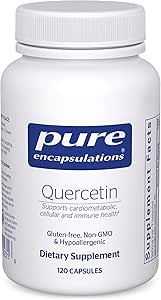
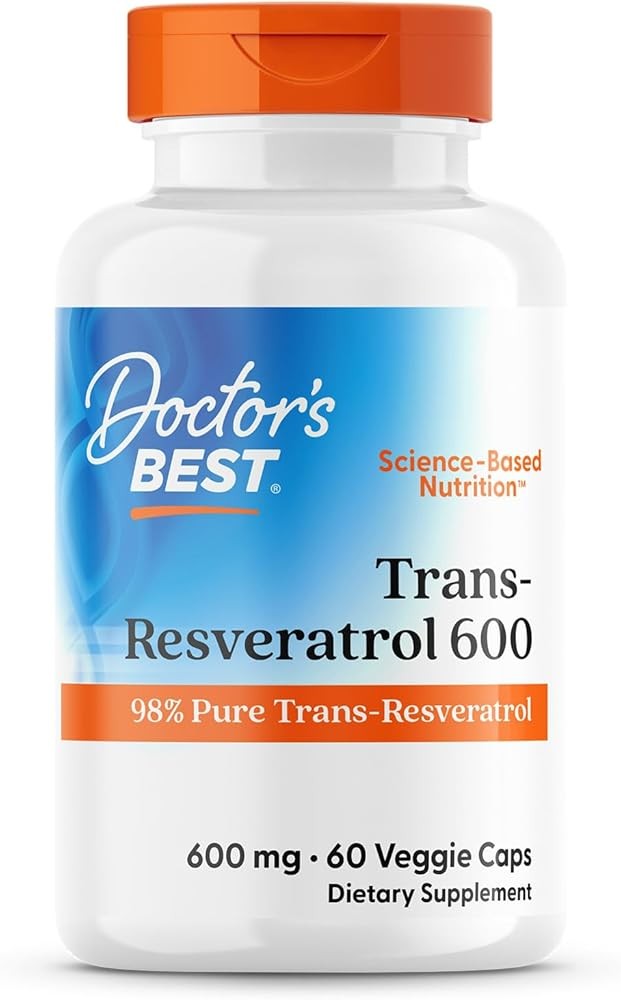
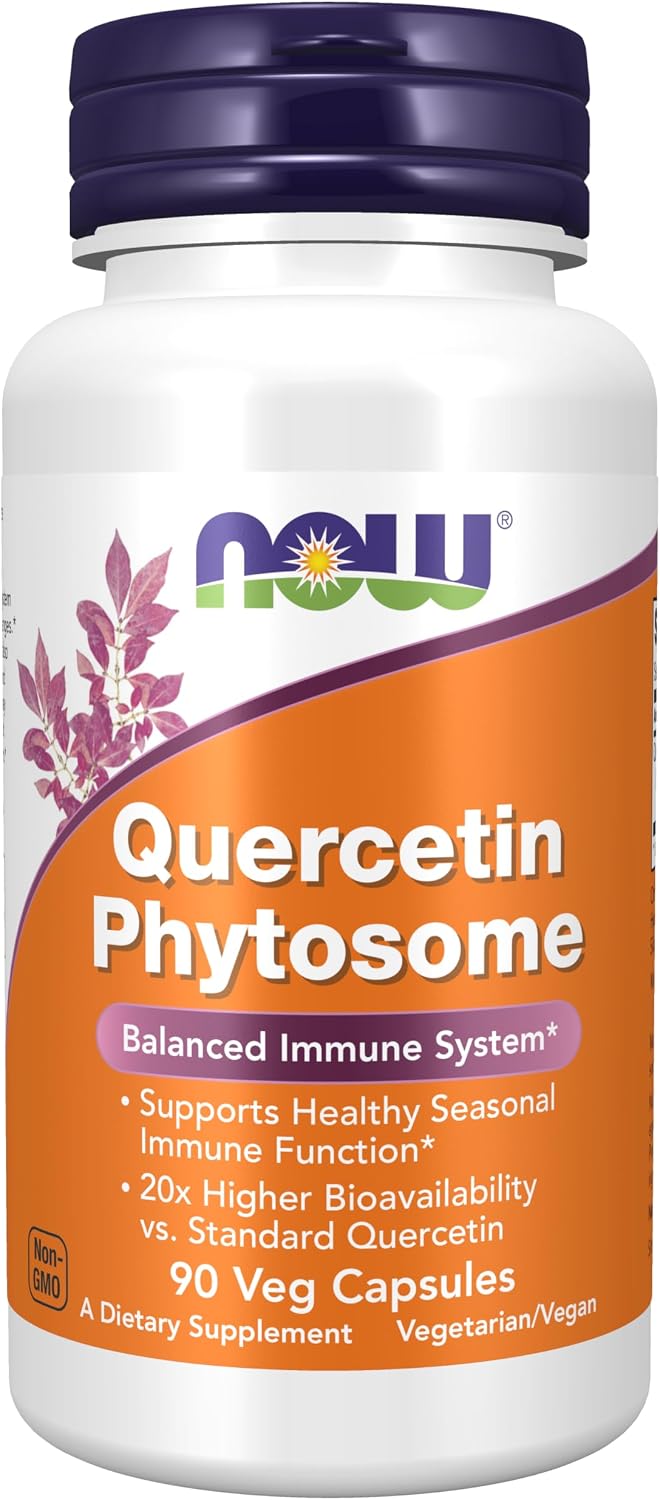
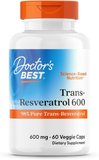
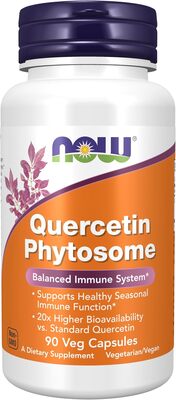
Choosing between resveratrol and quercetin for antioxidant support can feel overwhelming when both compounds dominate longevity research and anti-inflammatory studies. Neither is universally better: quercetin is the stronger choice for most people focused on day-to-day antioxidant and anti-inflammatory support, with human trials showing consistent benefits for blood pressure, seasonal allergies, and mast cell stabilization, while trans-resveratrol is the stronger pick when the goal is SIRT1 activation, cardiovascular health, and longevity pathways. Pure Encapsulations Quercetin delivers 500 mg of single-ingredient quercetin per capsule for about $50.50 per bottle, and Now Foods Quercetin Phytosome covers the enhanced-absorption option at about $23 for 90 vcaps. For the longevity side of the equation, Doctor’s Best Trans-Resveratrol provides 600 mg of 98% pure trans-resveratrol for about $41 per bottle. Here is what the published research shows about how these two polyphenols compare for antioxidant protection, cardiovascular health, and longevity.
Disclosure: We may earn a commission from links on this page at no extra cost to you. Affiliate relationships never influence our ratings. Full policy →
Why Compare Resveratrol and Quercetin for Antioxidant Support?
Resveratrol and quercetin are two of the most researched polyphenolic antioxidants in the supplement world, and for good reason. Both show up repeatedly in longevity research, cardiovascular studies, and anti-inflammatory trials. But despite being lumped together as “antioxidants,” these two compounds work through fundamentally different molecular pathways, target different health concerns, and come with different bioavailability challenges.
| Feature | Resveratrol | Quercetin |
|---|---|---|
| Primary Mechanism | SIRT1 activation, NAD+ metabolism | NF-kB inhibition, mast cell stabilization |
| Best For | Anti-aging, cardiovascular health, longevity pathways | Allergies, inflammation, blood pressure, senolytic effects |
| Standard Dose | 250-500 mg/day | 500-1000 mg/day |
| Bioavailability | Low (~20%), improved with piperine | Low, improved 20x with phytosome form |
| Typical Bottle Price | $17.99-$40.99 | $22.97-$50.50 |
| Safety Profile | Well-tolerated, some drug interactions | FDA GRAS status, very safe |
| Clinical Evidence | Strong for cardiovascular, emerging for cognition | Strong for BP, allergies, inflammation |
Resveratrol gained fame as the molecule behind the “French Paradox” — the observation that French populations had lower cardiovascular disease rates despite high-fat diets, potentially due to red wine consumption. Quercetin, meanwhile, has been quietly building an impressive research profile as a natural antihistamine, anti-inflammatory powerhouse, and one of the only natural compounds being tested as a senolytic agent capable of clearing damaged senescent cells from the body.
If you are trying to decide between resveratrol and quercetin — or wondering whether you should take both — this guide covers everything: mechanisms of action, clinical evidence, bioavailability solutions, dosing protocols, side effects, drug interactions, and cost analysis. Every claim is backed by peer-reviewed research with real PubMed citations.
What Is Resveratrol?
Resveratrol (3,5,4’-trihydroxystilbene) is a naturally occurring polyphenolic stilbenoid produced by certain plants as a defense mechanism against environmental stress, including UV radiation, fungal infection, and injury. It belongs to the stilbene family of compounds and exists in two isomeric forms: trans-resveratrol (the biologically active form) and cis-resveratrol (largely inactive).
Food Sources of Resveratrol
The richest dietary sources of resveratrol include:
- Red wine: 0.03-1.07 mg per 5-oz glass, averaging about 1.9 mg per liter (Linus Pauling Institute)
- Red grapes: 50-100 micrograms per gram of grape skin; one cup of red table grapes provides 0.24-1.25 mg
- Peanuts: approximately 0.01-0.26 mg per cup of raw peanuts
- Blueberries: approximately 0.03-0.04 mg per cup
- Dark chocolate: trace amounts, approximately 0.035-0.185 mg per serving
- Itadori tea (Japanese knotweed): one of the richest sources, traditionally consumed in Japan and China
The critical takeaway here is that dietary intake alone is nowhere near supplemental doses. You would need to drink roughly 100-500 glasses of red wine daily to reach the 250-500 mg doses used in clinical trials. This is why supplementation is the only practical way to achieve therapeutic levels.
How Resveratrol Works: The SIRT1 Connection
The central mechanism linking resveratrol to its health benefits involves sirtuins, a family of NAD+-dependent class III histone deacetylases. Resveratrol is recognized as the most potent polyphenolic activator of SIRT1 identified to date (Howitz et al., 2003; PMID: 12939617).
Here is what happens at the molecular level:
-
SIRT1 activation: Resveratrol stabilizes the interaction between SIRT1 protein and its substrates, rather than acting as a simple allosteric activator. Research published in Scientific Reports demonstrated that resveratrol serves as a “protein-substrate interaction stabilizer” — it strengthens the binding between SIRT1’s N-terminal domain and specific acetylated substrates (Hou et al., 2016; PMID: 27901083).
-
AMPK pathway: In low doses, resveratrol activates SIRT1, leading to deacetylation of liver kinase B1 (LKB1), which acts as an upstream kinase of AMP-activated protein kinase (AMPK). AMPK activation triggers a cascade of metabolic benefits, including improved glucose metabolism and increased mitochondrial biogenesis (Rogina & Tissenbaum, 2024; PMID: 38784035).
-
NAD+ metabolism: Resveratrol-mediated SIRT1 activation is tied to NAD+ levels, placing resveratrol at the intersection of energy metabolism and longevity pathways. Some researchers now stack resveratrol with NAD+ precursors like NMN or NR for amplified sirtuin activation.
-
Antioxidant defense: Beyond direct free radical scavenging, resveratrol upregulates endogenous antioxidant enzymes including superoxide dismutase (SOD), catalase, and glutathione peroxidase through Nrf2 pathway activation.
What Is Quercetin?
Quercetin (3,3’,4’,5,7-pentahydroxyflavone) is a flavonoid polyphenol found abundantly in plant foods. Unlike resveratrol, which is a stilbenoid, quercetin belongs to the flavonol subclass of flavonoids. It is one of the most prevalent dietary flavonoids in the Western diet, with estimated daily intake ranging from 10-100 mg depending on fruit and vegetable consumption.

Food Sources of Quercetin
Top dietary sources include:
- Capers: 180-234 mg per 100g (highest known source)
- Red onions: 32 mg per 100g (outer rings contain more)
- Kale: 23 mg per 100g raw
- Red apples with skin: 4-5 mg per medium apple
- Blueberries: 3-5 mg per cup
- Black tea: 2-3 mg per cup brewed
- Green tea: 2-3 mg per cup brewed
- Broccoli: 2-3 mg per cup raw
While dietary quercetin contributes meaningfully to total flavonoid intake, supplemental doses of 500-1000 mg daily far exceed what is achievable through diet alone.
How Quercetin Works: NF-kB and Mast Cell Modulation
Quercetin operates through multiple complementary mechanisms:
-
NF-kB inhibition: Nuclear factor kappa B (NF-kB) is a master transcription factor regulating inflammatory gene expression. Quercetin directly inhibits NF-kB activation, reducing production of pro-inflammatory cytokines including TNF-alpha, IL-1beta, IL-6, and IL-8. This pathway explains quercetin’s broad anti-inflammatory effects across many tissue types.
-
Mast cell stabilization: One of quercetin’s most clinically relevant effects is its ability to stabilize mast cells and reduce histamine release. Research published in PLoS ONE demonstrated that quercetin is more effective than cromolyn sodium (a prescription mast cell stabilizer) in blocking mast cell cytokine release (Weng et al., 2012; PMID: 22470478). A 2025 study showed quercetin alleviates chronic urticaria by negatively regulating IgE-mediated mast cell activation through the CD300f receptor (Zhao et al., 2025; PMID: 40309955).
-
Antioxidant activity: Quercetin directly scavenges reactive oxygen species (ROS) and reactive nitrogen species (RNS). Its five hydroxyl groups make it a potent electron donor, neutralizing free radicals before they damage cellular components.
-
Senolytic properties: Perhaps most exciting, quercetin shows senolytic activity — the ability to selectively induce apoptosis in senescent cells. When combined with dasatinib (a chemotherapy drug), the D+Q protocol has shown remarkable results in human trials. A 2019 clinical trial in patients with diabetic kidney disease found that D+Q reduced senescent cell burden and inflammatory markers (Hickson et al., 2019; PMID: 31542391). A 2023 phase 1 trial then showed that intermittent D+Q was safe and feasible in five adults with mild Alzheimer’s disease, with dasatinib reaching the cerebrospinal fluid in four of five participants and no significant changes on cognitive or neuroimaging endpoints (Gonzales et al., 2023; PMID: 37679434).
What Does the Clinical Evidence Show for Resveratrol?
Cardiovascular Health
Resveratrol’s cardiovascular benefits center on endothelial function — the health of the inner lining of blood vessels. A 2022 meta-analysis of six randomized controlled trials found that resveratrol supplementation significantly reduced inflammatory markers, including C-reactive protein (CRP) and TNF-alpha, in people with cardiovascular disease (Teimouri et al., 2022; PMID: 35905799).
A 2023 randomized controlled trial published in Hypertension Research gave 400 mg of resveratrol daily for 6 months to 80 patients with hypertension on top of conventional therapy. Compared with the control group, the resveratrol group showed a smaller left atrium, better diastolic function (lower E/e’), improved left ventricular global longitudinal strain, and lower markers of cardiac fibrosis, although left ventricular mass itself did not differ significantly between groups (Zheng et al., 2023; PMID: 36854725).
Cognitive Function and Neuroprotection
Resveratrol crosses the blood-brain barrier, making it a candidate for neuroprotection. A 2015 randomized controlled trial examined high-dose resveratrol (up to 2000 mg/day) in patients with mild-to-moderate Alzheimer’s disease. While the trial did not show cognitive improvement, it did demonstrate that resveratrol modulates amyloid-beta metabolism and reduces brain volume loss (Turner et al., 2015; PMID: 26362286).
Metabolic Health and SIRT1 Activity
A 2025 systematic review and meta-analysis examined the impact of resveratrol supplementation on human SIRT1 levels. The meta-analysis pooled 11 randomized controlled trials measuring SIRT1 gene expression, protein expression, or serum levels. Overall, resveratrol did not significantly change any of the SIRT1 measures, although subgroup analyses found a significant increase in SIRT1 gene expression in trials shorter than 12 weeks that measured blood tissue, and the dose-response analysis indicated the effect depends on the dosage regimen (Mansouri et al., 2025; PMID: 40158656).
Limitations and Negative Findings
Not all resveratrol studies show positive results. A comprehensive 2024 systematic review examining resveratrol clinical trials across multiple health domains highlighted significant gaps and mixed findings (Brown et al., 2024; PMID: 38255828). Many early promising findings from animal studies have not translated consistently to human trials, particularly for cognitive benefits and diabetes management.
Bottom line: Resveratrol’s strongest human evidence is cardiovascular: it lowers CRP and TNF-alpha in people with heart disease (Teimouri 2022), improved markers of cardiac remodeling in a 2023 trial in hypertensive patients (Zheng 2023), and its role in Alzheimer’s disease remains unproven after a 2015 RCT showed no cognitive benefit (Turner 2015). The case for reliable SIRT1 boosting in humans weakened in 2025, when a GRADE-assessed meta-analysis found no significant overall increase in SIRT1 measures across 11 trials (Mansouri 2025).
What Does the Clinical Evidence Show for Quercetin?
Blood Pressure Reduction
Quercetin has some of the strongest clinical evidence for blood pressure reduction among natural supplements. A 2016 meta-analysis published in the Journal of the American Heart Association analyzed 7 randomized controlled trials totaling 587 participants. Quercetin supplementation significantly reduced both systolic blood pressure (by 3.09 mmHg) and diastolic blood pressure (by 2.86 mmHg) (Serban et al., 2016; PMID: 27405810).
A more recent 2022 meta-analysis pooled 10 randomized controlled trials with 841 participants and confirmed the effect, finding that quercetin significantly lowered systolic blood pressure by about 2.4 mmHg overall and diastolic blood pressure by about 3.1 mmHg in people with (pre)hypertension (Popiolek-Kalisz & Fornal, 2022; PMID: 35948195).
Allergy and Mast Cell Disorders
Quercetin’s mast cell stabilizing effects have been demonstrated in multiple human trials. The 2012 PLoS ONE study by Weng and colleagues showed quercetin was more effective than cromolyn in blocking human mast cell cytokine release and in inhibiting contact dermatitis and photosensitivity (PMID: 22470478). The 2025 chronic urticaria study showed quercetin acts through negative regulation of IgE-mediated mast cell activation via CD300f receptors (PMID: 40309955).
For those with seasonal allergies, histamine intolerance, or mast cell activation syndrome (MCAS), quercetin offers a research-backed natural alternative to pharmaceutical antihistamines.

Senolytic Therapy
The D+Q (dasatinib + quercetin) protocol represents one of the most exciting frontiers in aging research. The 2019 pilot study in diabetic kidney disease patients showed D+Q reduced senescent cell markers and improved physical function (Hickson et al., 2019; PMID: 31542391).
The 2023 phase 1 trial enrolled five older adults with mild Alzheimer’s disease who took intermittent oral D+Q over 12 weeks. Dasatinib was detected in the cerebrospinal fluid of four of five participants, the regimen was well tolerated with no early discontinuation, and cognitive and neuroimaging endpoints did not change significantly. The authors stress that the biomarker findings need confirmation in fully powered, placebo-controlled trials (Gonzales et al., 2023; PMID: 37679434).
While the D+Q protocol uses quercetin alongside a prescription drug under medical supervision, these findings suggest quercetin alone may have meaningful senolytic effects.
The evidence shows: Quercetin has the more consistent clinical track record of the two compounds for blood pressure, backed by two independent meta-analyses (Serban 2016; Popiolek-Kalisz 2022), and its mast cell effects are documented in human cell and skin studies (Weng 2012; Zhao 2025). Its senolytic data in humans, however, come almost entirely from the D+Q combination used under medical supervision, not from quercetin alone.
How Bioavailable Are Resveratrol and Quercetin?
Both resveratrol and quercetin face the same fundamental problem: poor oral bioavailability. Understanding this challenge is critical for choosing the right product form.
Resveratrol Bioavailability
A classic 2004 pharmacokinetic study found that while resveratrol is rapidly and extensively absorbed after oral administration, it undergoes such extensive first-pass metabolism in the gut and liver that very little reaches systemic circulation as free resveratrol (Walle et al., 2004; PMID: 15333514).
Approximately 70% of absorbed resveratrol is converted to sulfate metabolites, while another 20% becomes glucuronide conjugates. Only about 20% or less reaches tissues as the active trans-resveratrol form.
Solutions to improve resveratrol bioavailability:
- Pterostilbene: A dimethylated analog with roughly 80% bioavailability (Kapetanovic et al., 2011; PMID: 21116625)
- Piperine co-administration: Black pepper extract inhibits glucuronidation
- Liposomal or micellar formulations: Improve membrane permeability
- Taking with fat: Fat-soluble resveratrol absorbs better with dietary fat
Quercetin Bioavailability
Standard quercetin faces similar challenges: rapid conjugation and poor absorption. Typical oral bioavailability of standard quercetin is only about 2-10%.
The game-changer for quercetin is phytosome technology — quercetin bound to phosphatidylcholine from lecithin. A 2019 pharmacokinetic study found that quercetin phytosome (Quercefit) achieved 20 times higher plasma levels compared to standard quercetin at the same dose (Riva et al., 2019; PMID: 30328058).
Other strategies to improve quercetin bioavailability:
- Quercetin phytosome (Quercefit): Gold standard for absorption
- Co-administration with bromelain: Proteolytic enzyme from pineapple that may improve absorption
- Vitamin C: Stabilizes quercetin and may enhance uptake
What this means for you: Bioavailability decides most of the difference between cheap and expensive bottles. Plain quercetin is absorbed poorly, so the phytosome form (roughly 20-fold higher plasma levels in the Riva 2019 pharmacokinetic study) or co-administration with bromelain is worth the extra cost. For resveratrol, expect that most of an oral dose is metabolized before it reaches the bloodstream (Walle 2004), which is why piperine, fat, or pterostilbene matter in practice. 4. Onion-derived quercetin: Naturally bound to glucose (quercetin glucosides), may have better absorption than aglycone quercetin
Should You Take Resveratrol and Quercetin Together?
Emerging research suggests resveratrol and quercetin may work synergistically rather than competing for absorption.
Enhanced Bioavailability
A 2000 study in Xenobiotica found that natural flavonoids including quercetin can inhibit the sulfation of resveratrol — one of the primary metabolic pathways that limits resveratrol bioavailability (De Santi et al., 2000; PMID: 11055264). This suggests taking quercetin alongside resveratrol may actually increase resveratrol’s tissue concentrations.
Synergistic Anti-Aging Effects
A 2017 study published in the International Journal of Preventive Medicine examined the combination of quercetin and resveratrol in human kidney cells cultured under hyperglycemic stress. The combination reduced aging markers more effectively than either compound alone (Abharzanjani et al., 2017; PMID: 28966753).
A 2017 animal study found that combined quercetin and resveratrol supplementation in high-fat diet rats improved metabolic parameters and activated the AMPKalpha1/SIRT1 signaling pathway more effectively than either compound alone (Zhao et al., 2017; PMID: 29285143).
Complementary Mechanisms
- Resveratrol: Primarily activates SIRT1, improves mitochondrial function, supports cardiovascular health
- Quercetin: Primarily inhibits NF-kB, stabilizes mast cells, shows senolytic properties
These distinct mechanisms target complementary aspects of cellular aging and inflammation, making the combination potentially more comprehensive than either alone.
What Timeline Should You Expect?
Week 1-2: Initial Effects
- Quercetin: Allergy symptoms may improve within 3-7 days if mast cell stabilization is relevant
- Resveratrol: Subtle improvements in energy and post-meal blood sugar stability may be noticeable
- Both: Acute anti-inflammatory effects may reduce joint pain or exercise-induced soreness within the first week
Month 1-2: Emerging Benefits
- Cardiovascular markers: Blood pressure may gradually decrease (quercetin effect more pronounced)
- Inflammation: Chronic inflammatory symptoms (skin issues, joint discomfort) may improve
- Metabolic health: Fasting glucose and insulin sensitivity improvements become measurable
Month 3-6: Long-term Benefits
- Sustained energy and cognitive function: Mitochondrial health improvements compound over time
- Cardiovascular protection: Endothelial function improvements and reduced arterial stiffness
- Overall inflammatory burden: Chronically elevated baseline inflammation gradually normalizes
- Anti-aging effects: While difficult to measure without biomarker testing, sustained supplementation may slow epigenetic aging clocks
When to Reassess
If after 8-12 weeks you notice no improvement in energy, inflammation markers, or symptom relief, consider:
- Switching to an enhanced bioavailability form (pterostilbene instead of resveratrol, quercetin phytosome instead of standard quercetin)
- Checking for underlying conditions driving oxidative stress (chronic infection, autoimmune disease, heavy metal exposure)
- Verifying supplement quality — third-party tested products from reputable manufacturers
What Other Antioxidant Compounds Are Worth Knowing?
Resveratrol and quercetin do not exist in isolation. Several related compounds are worth understanding, either as alternatives or as additions to your antioxidant protocol.
Pterostilbene: The More Bioavailable Resveratrol
Pterostilbene (trans-3,5-dimethoxy-4’-hydroxystilbene) is a dimethylated analog of resveratrol found naturally in blueberries, grapes, and the heartwood of Pterocarpus marsupium. Its key advantage is dramatically superior bioavailability — approximately 80% compared to resveratrol’s roughly 20% in animal models (Kapetanovic et al., 2011; PMID: 21116625).
The substitution of two hydroxyl groups with methoxy groups reduces glucuronidation (pterostilbene has only one glucuronidation site versus resveratrol’s two), improves membrane permeability, and extends half-life. If bioavailability is your primary concern, pterostilbene may be a better investment than standard resveratrol, though it is typically more expensive.
Grape Seed Extract (OPC/Proanthocyanidins)
Grape seed extract contains oligomeric proanthocyanidins (OPCs) — powerful antioxidants that comprise approximately 65% of grape polyphenols. Research suggests grape seed extract has superior antioxidant capacity compared to vitamins C, E, and beta-carotene in certain assays. It works synergistically with resveratrol and quercetin because it targets complementary oxidative stress pathways, particularly protecting collagen and elastin from degradation.
Green Tea EGCG (Epigallocatechin Gallate)
EGCG is the most abundant and biologically active catechin in green tea. Like resveratrol and quercetin, it modulates Nrf2 signaling and NF-kB pathways. EGCG has particular strengths in metabolic health and cancer prevention research. It complements both resveratrol and quercetin without significant overlap in mechanism.
NAC (N-Acetyl Cysteine)
NAC is a precursor to glutathione — the body’s master antioxidant. While resveratrol and quercetin work primarily through signaling pathway modulation and direct free radical scavenging, NAC takes a different approach by boosting the body’s own glutathione production. NAC is particularly useful for liver support and detoxification. Combining NAC with resveratrol or quercetin provides antioxidant coverage across multiple pathways: direct scavenging (quercetin), signaling pathway activation (resveratrol), and endogenous antioxidant production (NAC).
How Should You Dose and Time Resveratrol and Quercetin?
Resveratrol Dosing
| Goal | Daily Dose | Form | Timing |
|---|---|---|---|
| General antioxidant support | 150-250 mg | Trans-resveratrol | With a meal containing fat |
| Cardiovascular health | 250-500 mg | Trans-resveratrol | Split into 2 doses with meals |
| Anti-aging / longevity | 500 mg-1 g | Trans-resveratrol or pterostilbene (50-150 mg) | Morning with breakfast |
| Metabolic health | 500 mg-1.5 g | Trans-resveratrol | Split into 2-3 doses with meals |
Important notes:
- Always choose trans-resveratrol — this is the active isomer
- Take with food, preferably containing some fat, to improve absorption
- Higher doses (>1 g/day) increase the risk of GI side effects
- Pterostilbene can be used at lower doses (50-150 mg) due to superior bioavailability
- Start low and increase gradually over 1-2 weeks
Quercetin Dosing
| Goal | Daily Dose | Form | Timing |
|---|---|---|---|
| General antioxidant support | 500 mg | Standard quercetin or phytosome | With meals |
| Allergy relief | 500-1000 mg | Quercetin + bromelain or phytosome | Split into 2 doses, 20 min before meals |
| Anti-inflammatory | 500-1000 mg | Quercetin phytosome | Split into 2 doses with meals |
| Cardiovascular / blood pressure | 500-750 mg | Any enhanced form | Split into 2 doses with meals |
Important notes:
- Quercetin phytosome (Quercefit) provides roughly 20x the plasma levels of standard quercetin — adjust dose accordingly (250-500 mg phytosome may equal 1000+ mg standard)
- Bromelain should be taken on an empty stomach if used for its own anti-inflammatory benefits, but with food if the goal is quercetin absorption
- Vitamin C (500 mg) taken alongside quercetin improves stability and absorption
- Consistency matters more than timing — daily dosing builds tissue levels over weeks
Combined Protocol
For those wanting both:
- Morning: 250-500 mg trans-resveratrol with breakfast
- Afternoon/Evening: 500 mg quercetin (with bromelain) with dinner
- Optional additions: 500 mg vitamin C, 600 mg NAC, or 50 mg pterostilbene
Separating the doses helps avoid any potential competition for absorption pathways, though some research suggests taking them together may actually benefit resveratrol absorption through quercetin’s inhibition of sulfation enzymes.
What Are the Side Effects and Safety Considerations?
Resveratrol Side Effects
At standard doses (150-500 mg/day), resveratrol is generally well-tolerated. Side effects become more common at higher doses:
- Below 1 g/day: Rare side effects; occasional mild GI discomfort
- 1-2.5 g/day: Nausea, flatulence, abdominal discomfort, diarrhea in some individuals
- Above 2.5 g/day: More frequent GI issues including diarrhea, nausea, and abdominal pain (Shaito et al., 2020; PMID: 32197410)
Special populations to note:
- Hormone-sensitive conditions (breast cancer, endometriosis): Resveratrol has weak estrogenic activity — consult a physician
- Pregnancy and breastfeeding: Insufficient safety data — avoid
- Surgery: Discontinue 2 weeks before surgery due to anti-platelet effects
Quercetin Side Effects
Quercetin has a strong safety profile at typical doses:
- 500-1000 mg/day: Generally well-tolerated; occasional headache, nausea, or tingling sensations (paresthesia)
- Above 1000 mg/day: Potential for kidney stress; long-term safety data for doses above 1 g/day are limited (Andres et al., 2018; PMID: 29127724)
- Very high doses: Animal studies suggest potential enhancement of nephrotoxic effects in already-damaged kidneys
Special populations to note:
- Kidney disease: Use with caution, particularly at doses above 500 mg/day
- Estrogen-sensitive cancers: Some animal data suggests potential tumor promotion in estrogen-dependent cancers — discuss with oncologist
- Pregnancy and breastfeeding: Insufficient data at supplemental doses — dietary quercetin from food is considered safe
What Drug Interactions Should You Watch For?
Resveratrol Drug Interactions
Resveratrol inhibits several cytochrome P450 enzymes, creating potential interactions:
- CYP3A4 inhibition: Affects metabolism of statins (atorvastatin, simvastatin), calcium channel blockers, immunosuppressants (cyclosporine), and many other drugs (Detampel et al., 2012; PMID: 22788578)
- CYP2D6 inhibition: May increase levels of antidepressants (fluoxetine, paroxetine), beta-blockers (metoprolol), and codeine conversion to morphine
- CYP2C9 inhibition: Affects warfarin, NSAIDs (ibuprofen, diclofenac), and some anti-diabetic drugs
- CYP1A2 induction: May decrease levels of caffeine, theophylline, and certain antipsychotics
- Anticoagulants and antiplatelets: Enhanced bleeding risk when combined with warfarin, aspirin, clopidogrel, or NSAIDs
- Anti-hypertensive medications: May have additive blood pressure-lowering effects
Quercetin Drug Interactions
Quercetin has moderate interactions with approximately 60 drugs:
- P-glycoprotein substrates: Quercetin can inhibit P-glycoprotein, potentially increasing absorption and blood levels of drugs like digoxin, cyclosporine, and certain chemotherapy agents
- CYP3A4 and CYP2C8 substrates: Similar to resveratrol, though generally weaker inhibition
- Fluoroquinolone antibiotics: Quercetin may reduce the effectiveness of ciprofloxacin and related antibiotics
- Cyclosporine: Increased blood levels possible — monitor closely
- Blood thinners: Additive antiplatelet effects, though milder than resveratrol
- Thyroid medications: May interfere with levothyroxine absorption — separate by 2-4 hours
If you take any prescription medications, discuss resveratrol or quercetin supplementation with your pharmacist or physician before starting. This is particularly critical for blood thinners, immunosuppressants, and chemotherapy drugs.
How Do Resveratrol and Quercetin Compare on Cost?
Pricing varies significantly by form, quality, and brand. Here is a realistic breakdown based on current market pricing:
| Product | Live Price | Bottle Size | Notes |
|---|---|---|---|
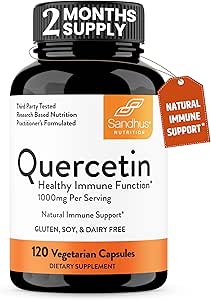
| Sandhu’s Quercetin 500 mg | $25.99 | 120 capsules | Standard quercetin dihydrate; about $0.22 per 500 mg capsule |
| Pure Encapsulations Quercetin 500 mg | $50.50 | Single-ingredient quercetin | Premium hypoallergenic formula |
| Doctor’s Best Trans-Resveratrol 600 mg | $40.99 | 600 mg capsules | 98% pure trans-resveratrol |
| Now Foods Quercetin Phytosome 250 mg | $22.97 | 90 vcaps | Lecithin phytosome; about $0.26 per vcap |
| Carlyle Resveratrol Complex | $17.99 | 180 capsules | Budget resveratrol blend with grape seed extract |
Best value pick: Standard 500 mg quercetin (Sandhu’s) at about $0.22 per capsule offers the strongest cost-to-benefit ratio for general antioxidant and anti-inflammatory support.
Best premium pick: Quercetin phytosome (Now Foods) for absorption, or Doctor’s Best Trans-Resveratrol 600 mg for those specifically targeting the sirtuin/longevity pathway.
Budget stack: A bottle of standard quercetin plus a bottle of Carlyle resveratrol complex costs about $44 combined ($25.99 + $17.99).
The practical takeaway: Standard 500 mg quercetin delivers the most antioxidant and anti-inflammatory support per dollar, while trans-resveratrol costs more per serving and makes sense when longevity signaling is the goal. If you choose phytosome quercetin, you pay roughly double per serving for roughly 20-fold better absorption.
Which Should You Choose?
Choose Resveratrol If:
- Anti-aging and longevity are your primary goals — SIRT1 activation mimics caloric restriction at the molecular level
- You are interested in neuroprotection and cognitive aging prevention
- You want to support cardiovascular health through endothelial function improvement
- You are building a longevity stack with NMN/NR and want sirtuin activation
- You have metabolic syndrome or pre-diabetes and want to improve insulin sensitivity
- You are male and over 40 — resveratrol’s cardiovascular and metabolic benefits align well with age-related male health risks
Choose Quercetin If:
- Allergies, histamine intolerance, or MCAS are your primary concern — quercetin is a superior natural antihistamine
- You want the strongest anti-inflammatory effect for joint pain, chronic inflammation, or autoimmune conditions
- Blood pressure management is a priority — quercetin has the most robust clinical trial data for BP reduction
- You are interested in senolytic therapy and clearing senescent cells (under medical guidance)
- You want the most cost-effective antioxidant with FDA GRAS status and proven safety
- You have seasonal allergies and want a natural alternative to antihistamines
Choose Both If:
- You want comprehensive antioxidant protection covering multiple pathways
- Research shows synergistic benefits — the combination reduces aging markers more than either alone
- Quercetin may increase resveratrol bioavailability by inhibiting sulfation enzymes
- You are addressing both chronic inflammation (quercetin) and age-related cellular decline (resveratrol)
- Your budget allows approximately $0.40-0.70/day for the combined stack
Consider Alternatives If:
- Pterostilbene if you want resveratrol-like benefits with far superior bioavailability
- Grape seed extract if you want broad-spectrum polyphenol protection
- Green tea EGCG if you want antioxidant support with metabolic and cancer-preventive benefits
- NAC if you want to boost endogenous glutathione production rather than taking exogenous antioxidants
Frequently Asked Questions
Can resveratrol or quercetin be taken alongside prescription medications?
No. While both supplements show measurable effects on blood pressure, inflammation, and metabolic markers, they should be viewed as complementary to — not substitutes for — prescribed medications. Never stop a prescription drug in favor of a supplement without consulting your physician.
Is it safe to take resveratrol or quercetin long-term?
Resveratrol at doses up to 1 g/day and quercetin at doses up to 1 g/day appear safe for medium-term use (up to 12 weeks) based on clinical trial data. Long-term safety data beyond 12 weeks at high supplemental doses is limited for both compounds. Dietary intake of both from food sources is considered safe indefinitely.
Do resveratrol and quercetin interact with alcohol?
Resveratrol is naturally present in red wine, and moderate alcohol consumption does not appear to interfere with supplemental resveratrol. However, both resveratrol and quercetin are metabolized by liver enzymes that also process alcohol, so excessive alcohol intake combined with high-dose supplements could theoretically increase liver burden. Moderate alcohol consumption is unlikely to be problematic.
Are there vegan sources of resveratrol and quercetin?
Yes. Both compounds are entirely plant-derived. Resveratrol supplements are typically sourced from Japanese knotweed or grape skin extract. Quercetin is extracted from Sophora japonica (Japanese pagoda tree) flower buds or from onion skins. Ensure capsules use vegetable (HPMC) rather than gelatin shells if vegan is important to you.
Should I cycle resveratrol or quercetin?
There is no strong evidence requiring cycling for either supplement. Some longevity researchers suggest cycling resveratrol (5 days on, 2 days off, or 4 weeks on, 1 week off) based on theoretical concerns about SIRT1 receptor desensitization, but this is not supported by clinical evidence. Quercetin can be taken continuously. For the senolytic D+Q protocol specifically, intermittent dosing (2 days every 2 weeks) is standard.
Related Reading
- Resveratrol Benefits and Dosing: What the Anti-Aging Research Actually Shows
- Resveratrol for Longevity and Anti-Aging: What the Evidence Says
- Quercetin Benefits: Antioxidant and Anti-Inflammatory Science
- Quercetin Benefits: Science-Backed Health Effects
- Sirtuin Activators: Resveratrol, NAD+, and Longevity
- Elderberry vs Vitamin C For Immune Support: Which Is Better?
- Vitamin C vs Zinc For Immune Support: Which Is Better?
- Milk Thistle vs NAC For Liver Support: Which Is Better?
- Ginger vs Turmeric For Inflammation: Which Is Better?
- NMN vs NR For Anti-Aging: Which Is Better?
- Multivitamin vs Individual Supplements: Which Is Better?
- Glucosamine vs Chondroitin: Which Is Better?
References
- Howitz KT, Bitterman KJ, et al. (2003). Small molecule activators of sirtuins extend Saccharomyces cerevisiae lifespan. Nature, 425(6954):191-196. PubMed: 12939617
- Hou X, Rooklin D, et al. (2016). Resveratrol serves as a protein-substrate interaction stabilizer in human SIRT1 activation. Scientific Reports, 6:38186. PubMed: 27901083
- Rogina B, Tissenbaum HA. (2024). SIRT1, resveratrol and aging. Frontiers in Genetics, 15:1393181. PubMed: 38784035
- Mansouri F, Feliziani G, et al. (2025). Impact of resveratrol supplementation on human Sirtuin 1: a GRADE-assessed systematic review and dose-response meta-analysis of randomized controlled trials. Journal of the Academy of Nutrition and Dietetics, 125(9):1299-1314. PubMed: 40158656
- Teimouri M, Homayouni-Tabrizi M, et al. (2022). Anti-inflammatory effects of resveratrol in patients with cardiovascular disease: a systematic review and meta-analysis of randomized controlled trials. Complementary Therapies in Medicine, 70:102863. PubMed: 35905799
- Walle T, Hsieh F, et al. (2004). High absorption but very low bioavailability of oral resveratrol in humans. Drug Metabolism and Disposition, 32(12):1377-1382. PubMed: 15333514
- Kapetanovic IM, Muzzio M, et al. (2011). Pharmacokinetics, oral bioavailability, and metabolic profile of resveratrol and its dimethylether analog, pterostilbene, in rats. Cancer Chemotherapy and Pharmacology, 68(3):593-601. PubMed: 21116625
- Serban MC, Sahebkar A, et al. (2016). Effects of quercetin on blood pressure: a systematic review and meta-analysis of randomized controlled trials. Journal of the American Heart Association, 5(7):e002713. PubMed: 27405810
- Popiolek-Kalisz J, Fornal E. (2022). The effects of quercetin supplementation on blood pressure: a meta-analysis. Current Problems in Cardiology, 47(11):101350. PubMed: 35948195
- Weng Z, Zhang B, et al. (2012). Quercetin is more effective than cromolyn in blocking human mast cell cytokine release and inhibits contact dermatitis and photosensitivity in humans. PLoS ONE, 7(3):e33805. PubMed: 22470478
- Zhao C, Wang N, et al. (2025). Quercetin alleviates chronic urticaria by negatively regulating IgE-mediated mast cell activation through CD300f. Phytotherapy Research, 2025. PubMed: 40309955
- Riva A, Ronchi M, et al. (2019). Improved oral absorption of quercetin from quercetin phytosome, a new delivery system based on food grade lecithin. European Journal of Drug Metabolism and Pharmacokinetics, 44(2):169-177. PubMed: 30328058
- Hickson LJ, Langhi Prata LGP, et al. (2019). Senolytics decrease senescent cells in humans: preliminary report from a clinical trial of dasatinib plus quercetin in individuals with diabetic kidney disease. EBioMedicine, 47:446-456. PubMed: 31542391
- Gonzales MM, Garbarino VR, et al. (2023). Senolytic therapy in mild Alzheimer’s disease: a phase 1 feasibility trial. Nature Medicine, 29(10):2481-2488. PubMed: 37679434
- Abharzanjani F, Afshar M, et al. (2017). Short-term high dose of quercetin and resveratrol alters aging markers in human kidney cells. International Journal of Preventive Medicine, 8:64. PubMed: 28966753
- Zhao L, Cen F, et al. (2017). Combination treatment with quercetin and resveratrol attenuates high fat diet-induced obesity and associated inflammation in rats via the AMPKalpha1/SIRT1 signaling pathway. Experimental and Therapeutic Medicine, 14(6):5942-5948. PubMed: 29285143
- De Santi C, Pietrabissa A, et al. (2000). Sulphation of resveratrol, a natural compound present in wine, and its inhibition by natural flavonoids. Xenobiotica, 30(9):857-866. PubMed: 11055264
- Detampel P, Beck M, et al. (2012). Drug interaction potential of resveratrol. Drug Metabolism Reviews, 44(3):253-265. PubMed: 22788578
- Shaito A, Posadino AM, et al. (2020). Potential adverse effects of resveratrol: a literature review. International Journal of Molecular Sciences, 21(6):2084. PubMed: 32197410
- Andres S, Pevny S, et al. (2018). Safety aspects of the use of quercetin as a dietary supplement. Molecular Nutrition and Food Research, 62(1):1700447. PubMed: 29127724
- Turner RS, Thomas RG, et al. (2015). A randomized, double-blind, placebo-controlled trial of resveratrol for Alzheimer disease. Neurology, 85(16):1383-1391. PubMed: 26362286
- Brown K, Theofanous D, et al. (2024). Resveratrol for the management of human health: how far have we come? A systematic review of resveratrol clinical trials to highlight gaps and opportunities. International Journal of Molecular Sciences, 25(2):747. PubMed: 38255828
- Zheng X, Hai J, et al. (2023). Effects of resveratrol supplementation on cardiac remodeling in hypertensive patients: a randomized controlled clinical trial. Hypertension Research, 46(6):1493-1503. PubMed: 36854725
Recommended Products