Omega-3 vs Omega-6: Why Your Ratio Matters for Health
Summarized from peer-reviewed research indexed in PubMed. See citations below.
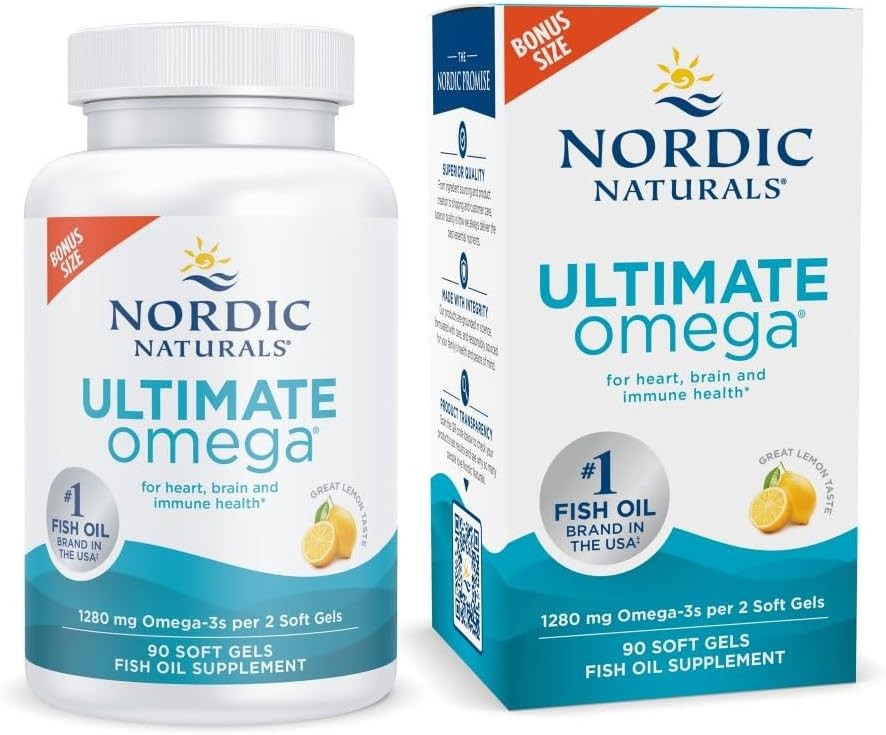
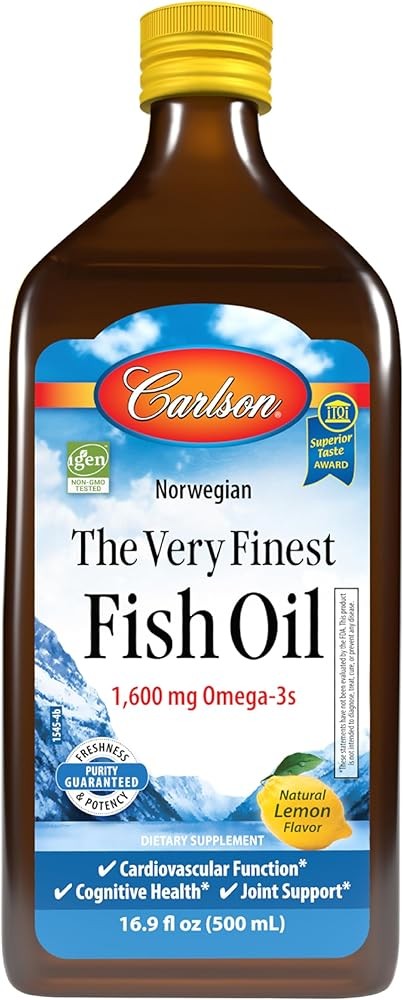
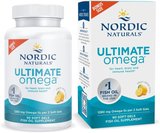
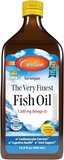
The modern Western diet delivers 15-20 times more omega-6 than omega-3, driving chronic inflammation linked to heart disease, arthritis, depression, and autoimmune conditions. For most adults struggling with inflammatory imbalance, Nordic Naturals Ultimate Omega provides 1,280 mg of EPA+DHA in highly bioavailable rTG form at approximately $40 for a two-month supply. Research demonstrates that achieving a 2:1 to 4:1 omega-6 to omega-3 ratio (compared to the modern 15:1 ratio) reduces cardiovascular mortality by up to 70% through production of anti-inflammatory resolvins and protectins rather than pro-inflammatory prostaglandins. For budget-conscious buyers, Carlson The Very Finest Fish Oil delivers 1,600 mg EPA+DHA per teaspoon at roughly $25 monthly. Here’s what the published research shows about correcting this critical ratio imbalance.
Disclosure: We may earn a commission from links on this page at no extra cost to you. Affiliate relationships never influence our ratings. Full policy →
Why Does the Omega-6 to Omega-3 Ratio Matter?

Here is a fact that should alarm you: the average person eating a modern Western diet consumes somewhere between 15 and 20 times more omega-6 fatty acids than omega-3 fatty acids. Some estimates push that ratio even higher, to 25:1. Our ancestors — the humans whose biology we still carry — ate these two families of fat at a ratio somewhere between 1:1 and 2:1.
That gap is not just a number on a nutrition label. It is one of the most significant dietary shifts in human history, and a growing body of research links it directly to the epidemic of chronic inflammatory diseases that define modern life: heart disease, type 2 diabetes, rheumatoid arthritis, depression, asthma, certain cancers, and inflammatory skin conditions like eczema and psoriasis (Simopoulos, 2002; PMID: 12442909).
This article is not a simple contest between two supplements. Omega-3 and omega-6 are both essential fatty acids — your body cannot manufacture either one and must obtain them from food or supplementation. The real question is not “which is better?” but rather “how badly is your ratio off, and what is the most effective way to fix it?”
We will walk through the biochemistry of each fatty acid family, the inflammatory pathways they control, the specific health conditions where the ratio matters, the most bioavailable supplement forms (including rTG fish oil, krill oil, algal oil for omega-3, and GLA-rich evening primrose oil and borage oil for omega-6), practical dosing strategies, side effects, drug interactions, and real product recommendations. Every major claim is backed by peer-reviewed research with PubMed citations.
Let us get into it.
| Feature | Omega-3 (EPA/DHA) | Omega-6 (LA/AA) |
|---|---|---|
| Inflammatory Effect | Anti-inflammatory (produces resolvins, protectins, maresins) | Pro-inflammatory at excess levels (produces prostaglandins, leukotrienes) |
| Modern Diet Intake | Severely deficient (100-200 mg EPA+DHA/day) | Massively excessive (15-25 g LA/day) |
| Evolutionary Ratio | Equal to omega-6 (1:1 to 2:1) | Equal to omega-3 (1:1 to 2:1) |
| Current Ratio Problem | Needs to increase | Needs to decrease |
| Primary Food Sources | Fatty fish (salmon, sardines, mackerel), algae | Seed oils (soybean, corn, sunflower oil) |
| Supplementation Priority | High — most people need significantly more | Low — already in excess from diet |
| Best Supplement Form | rTG fish oil, krill oil, or algal oil | Evening primrose or borage oil (for GLA only) |
| Cardiovascular Research | Strong evidence for protection | Excess LA linked to inflammation |
| Brain & Mood Support | EPA for depression, DHA for structure | AA structural but rarely deficient |
| Typical Effective Dose | 1,000-3,000 mg EPA+DHA daily | Not needed unless GLA-specific (240-720 mg GLA) |
| Monthly Cost | $25-50 for quality rTG form | $8-20 for GLA supplements |
| Who Needs to Supplement | Almost everyone on Western diet | Only specific GLA-responsive conditions |
What Are Omega-3 Fatty Acids?
Omega-3 fatty acids are a family of polyunsaturated fats (PUFAs) characterized by a double bond at the third carbon from the methyl end of the carbon chain. There are three omega-3s that matter most for human health:
EPA (Eicosapentaenoic Acid, 20:5n-3)
EPA is a 20-carbon omega-3 primarily found in fatty fish and marine sources. It is the most potent anti-inflammatory omega-3 and has been studied extensively for cardiovascular protection, mood support, and joint health. EPA is the direct precursor to E-series resolvins (RvE1, RvE2), which are specialized pro-resolving mediators that actively shut down inflammatory responses at the cellular level (Serhan et al., 2009; PMID: 19630766).
Meta-analyses have found that EPA-dominant formulations (at least 60% EPA) show the strongest antidepressant effects, with dosages at or below 1 gram per day demonstrating clinical benefit (Liao et al., 2019; PMID: 31383846). In cardiovascular trials, EPA monotherapy (as in the REDUCE-IT trial) has shown more consistent benefits than EPA+DHA combinations.
DHA (Docosahexaenoic Acid, 22:6n-3)
DHA is a 22-carbon omega-3 that constitutes roughly 40% of the polyunsaturated fatty acids in the brain and 60% in the retina of the eye. It is structurally critical for neuronal membranes and plays essential roles in brain development, cognitive function, and visual acuity. DHA is the precursor to D-series resolvins (RvD1 through RvD6), protectin D1 (also called neuroprotectin D1 when produced in the brain), and maresins (MaR1, MaR2) — all of which are powerful pro-resolving lipid mediators (Kwon, 2020; PMID: 31797565).
Protectin D1 specifically has shown neuroprotective effects in models of Alzheimer’s disease, stroke, and retinal degeneration. Maresins, produced via the 12-LOX pathway in macrophages, promote tissue regeneration and wound healing alongside their anti-inflammatory activity (PubMed: 35268778).
ALA (Alpha-Linolenic Acid, 18:3n-3)
ALA is the plant-based omega-3 found in flaxseed, chia seeds, hemp seeds, and walnuts. It is technically the “parent” omega-3 from which EPA and DHA can theoretically be synthesized, a conversion covered in detail in our EPA and DHA dosing guide. However, the conversion rate in humans is notoriously poor: studies consistently show that only about 5-8% of ALA is converted to EPA, and less than 0.5% is converted to DHA (PubMed: 9637947; PubMed: 19269799).
This means that relying on flaxseed oil or chia seeds as your sole omega-3 source will almost certainly leave you deficient in EPA and DHA. ALA has its own modest health benefits (it is associated with lower cardiovascular risk in epidemiological studies), but it cannot substitute for preformed EPA and DHA from marine sources.
Omega-3 Food Sources
- Fatty fish: Wild salmon (1,500-2,500 mg EPA+DHA per 3 oz serving), mackerel (1,000-1,800 mg), sardines (1,000-1,500 mg), anchovies (900-1,300 mg), herring (1,500-2,000 mg)
- Shellfish: Oysters (300-600 mg per serving), mussels (500-700 mg)
- Algae/seaweed: Certain microalgae (Schizochytrium, Crypthecodinium) produce DHA and EPA directly
- Plant sources (ALA only): Flaxseed (6,400 mg ALA per tablespoon), chia seeds (5,000 mg), hemp seeds (1,000 mg), walnuts (2,500 mg per ounce)
What Are Omega-6 Fatty Acids?
Omega-6 fatty acids are polyunsaturated fats with a double bond at the sixth carbon from the methyl end. Like omega-3s, they are essential — your body cannot make them. But their metabolic fate in the body is very different, and understanding the distinction between different omega-6 types is crucial.
LA (Linoleic Acid, 18:2n-6)
Linoleic acid is the most abundant omega-6 in the modern diet and the one driving the ratio problem. It is found in extremely high concentrations in seed oils: soybean oil (51% LA), corn oil (55% LA), sunflower oil (65% LA), safflower oil (75% LA), and cottonseed oil (52% LA). LA consumption has increased dramatically over the past century as these industrial seed oils have become ubiquitous in processed foods, restaurant cooking, and packaged snacks.
In the body, LA is converted through a series of enzymatic steps (involving delta-6 desaturase, elongase, and delta-5 desaturase) into arachidonic acid (AA), the primary pro-inflammatory omega-6. This conversion is slow and regulated, but when LA intake is chronically excessive, the downstream effects are significant.
AA (Arachidonic Acid, 20:4n-6)
Arachidonic acid is the omega-6 that directly drives inflammatory pathways. When cell membranes are disturbed by injury, infection, or other signals, AA is released by the enzyme phospholipase A2 and then metabolized through three major enzyme systems:
-
The COX pathway (cyclooxygenase-1 and cyclooxygenase-2): Converts AA into prostaglandin H2, which is then converted into prostaglandins (PGE2, PGD2, PGF2alpha) and thromboxane A2 (TXA2). PGE2 promotes pain, fever, swelling, and vasodilation. TXA2 promotes platelet aggregation and vasoconstriction.
-
The LOX pathway (5-lipoxygenase, 12-LOX, 15-LOX): Converts AA into leukotrienes (LTB4, LTC4, LTD4, LTE4), which are powerful mediators of allergic inflammation, bronchoconstriction (asthma), and immune cell recruitment. LTB4 is one of the most potent chemoattractants for neutrophils.
-
The cytochrome P450 pathway: Converts AA into epoxyeicosatrienoic acids (EETs) and hydroxyeicosatetraenoic acids (HETEs), which have mixed effects — some are pro-inflammatory, others are anti-inflammatory or vasodilatory.
It is important to note that AA-derived inflammation is not inherently “bad.” Acute inflammation is essential for wound healing, fighting infection, and tissue repair. The problem arises when chronic excess AA (driven by chronic excess LA in the diet) produces persistent, low-grade inflammation that never resolves — a state now recognized as a root cause of dozens of chronic diseases.
GLA (Gamma-Linolenic Acid, 18:3n-6)
Here is where the omega-6 story becomes more nuanced. GLA is an omega-6 that is actually anti-inflammatory. It is converted into DGLA (dihomo-gamma-linolenic acid), which can be metabolized into prostaglandin E1 (PGE1), a series-1 prostaglandin that opposes many of the effects of AA-derived PGE2 (PubMed: 16828270).
GLA is not abundant in the typical diet. It is found primarily in three supplemental oils:
- Borage oil: 17-25% GLA (the richest source)
- Black currant seed oil: 15-20% GLA
- Evening primrose oil: 7-10% GLA
GLA supplementation has shown benefit for atopic dermatitis/eczema (PubMed: 24435467), PMS, diabetic neuropathy, rheumatoid arthritis, and breast tenderness. When we talk about “omega-6 supplementation,” GLA is the form worth taking, not LA (which you almost certainly already consume in excess).
Omega-6 Food Sources
- Seed oils (LA-dominant): Soybean oil, corn oil, sunflower oil, safflower oil, cottonseed oil, grapeseed oil — these are the primary drivers of excess omega-6 in modern diets
- Nuts and seeds (LA): Walnuts, pine nuts, sunflower seeds, pumpkin seeds, sesame seeds
- Poultry and eggs: Contain modest amounts of AA, more if animals are grain-fed
- GLA sources: Evening primrose oil, borage oil, black currant seed oil, spirulina (trace amounts)
How Did the Omega-6 to Omega-3 Ratio Change From Ancestral to Modern Diets?
What Our Ancestors Ate
Dr. Artemis Simopoulos, one of the foremost researchers on fatty acid ratios, has published extensively on the evolutionary aspects of PUFA intake. Her research indicates that for most of human evolution — spanning roughly 2.5 million years — our ancestors consumed omega-6 and omega-3 in a ratio of approximately 1:1 to 2:1. Wild game, wild plants, fish, and shellfish naturally provide this balanced ratio (Simopoulos, 2006; PMID: 17045449).
The genetic makeup of modern humans was largely established during this long evolutionary period. Our enzyme systems, cell membrane structures, inflammatory resolution pathways, and neurological development all evolved expecting a roughly balanced intake of omega-6 and omega-3.
The Modern Diet Disaster
The industrial revolution, the invention of seed oil extraction technology, and the post-World War II shift to vegetable oil-based cooking fundamentally changed the fatty acid landscape of the human diet. Today:
- Average Western diet ratio: 15:1 to 20:1 (omega-6 to omega-3), with some estimates as high as 25:1
- Ancestral diet ratio: 1:1 to 2:1
- Recommended optimal ratio: 2:1 to 4:1 as a practical target (the ancestral diet was roughly 1:1 to 2:1)
The primary driver is the massive increase in LA (linoleic acid) from seed oils. Soybean oil alone now accounts for roughly 20% of all calories consumed in the United States, up from nearly zero a century ago. This single ingredient shift has arguably done more to alter the inflammatory landscape of the human body than any other dietary change in history.
Research on Optimal Ratios by Health Condition
The evidence shows: The omega-6 to omega-3 ratio in the diet is a modifiable risk factor that varies in importance by condition. A 4:1 ratio was associated with a 70% reduction in total mortality in the Lyon Diet Heart Study, and ratios of 2-3:1 have shown benefit in rheumatoid arthritis and autoimmune conditions (PubMed: 12442909; PubMed: 34658440). Dr. Simopoulos’s landmark 2002 review and subsequent publications have demonstrated that the optimal ratio varies by condition:
- Cardiovascular disease: A ratio of 4:1 was associated with a 70% decrease in total mortality in the Lyon Diet Heart Study
- Rheumatoid arthritis: A ratio of 2-3:1 suppressed inflammation in patients with RA
- Asthma: A ratio of 5:1 had beneficial effects, while 10:1 had adverse consequences
- Colorectal cancer: A lower ratio suppressed rectal cell proliferation in patients at risk
- Autoimmune diseases: Lower ratios (2-3:1) are associated with reduced autoimmune activity (PubMed: 34658440)
The 2008 review by Simopoulos (PubMed: 18408140) further established that a high omega-6/omega-3 ratio promotes the pathogenesis of many diseases including cardiovascular disease, cancer, and inflammatory and autoimmune diseases, whereas increased levels of omega-3 (a lower omega-6/omega-3 ratio) exert suppressive effects.
How Do Omega-3 and Omega-6 Compare Head-to-Head?
| Feature | Omega-3 (EPA/DHA) | Omega-6 (LA/AA/GLA) |
|---|---|---|
| Primary dietary forms | EPA, DHA (marine); ALA (plant) | LA (seed oils); AA (meat); GLA (specialty oils) |
| Inflammatory effect | Anti-inflammatory; produces resolvins, protectins, maresins | LA/AA: pro-inflammatory (prostaglandins, leukotrienes); GLA: anti-inflammatory (PGE1) |
| Typical Western diet intake | Severely deficient (100-200 mg EPA+DHA/day) | Massively excessive (15-25 g LA/day) |
| Supplementation priority | High — most people need significantly more | Low for LA/AA (already in excess); Moderate for GLA (specific conditions) |
| Best supplement form | rTG fish oil, krill oil, or algal DHA+EPA | Evening primrose oil or borage oil (for GLA) |
| Bioavailability ranking | rTG > natural TG > phospholipid (krill) > EE | GLA from borage oil (highest GLA %) > EPO > black currant |
| Cardiovascular benefit | Strong evidence (REDUCE-IT, multiple meta-analyses) | LA: controversial; GLA: modest DGLA/PGE1 benefit |
| Brain/mood support | Strong evidence (EPA for depression; DHA for structure) | AA is structural in brain but rarely deficient |
| Joint/arthritis benefit | Strong (reduces tender joint count, inflammatory markers) | GLA: modest benefit for RA; excess LA/AA worsens inflammation |
| Skin health | Beneficial for eczema, psoriasis, photoprotection | GLA specifically beneficial for atopic dermatitis |
| Typical effective dose | 1,000-3,000 mg EPA+DHA daily | GLA: 240-720 mg daily (from EPO or borage oil) |
| Common side effects | Fishy burps, mild GI upset, slight bleeding risk at high doses | Mild headache, soft stools (GLA supplements); no side effects from dietary LA |
| Drug interactions | Anticoagulants (warfarin), antiplatelet drugs at high doses | EPO: may lower seizure threshold (rare, theoretical) |
| Cost per month | $15-50 (depending on form and quality) | $8-20 (evening primrose oil or borage oil) |
| Who needs to supplement? | Almost everyone eating a Western diet | Only those with specific GLA-responsive conditions |
| Deficiency prevalence | Extremely common (estimated 95%+ of US adults below optimal) | Virtually nonexistent for LA; GLA-specific needs are uncommon |
| Evolutionary dietary role | Co-equal with omega-6 at 1:1 to 2:1 ratio | Co-equal with omega-3; now massively overrepresented |
What Are the Key Differences Between Omega-3 and Omega-6?
Difference #1: The Inflammatory Cascade
This is the most important difference between omega-3 and omega-6, and understanding it requires a brief dive into lipid biochemistry.
When your body encounters injury, infection, or tissue damage, it launches an inflammatory response. This response has two phases: initiation (pro-inflammatory) and resolution (anti-inflammatory). Both phases are essential. Problems occur when initiation is excessive and resolution is incomplete — which is exactly what happens when the omega-6:omega-3 ratio is chronically elevated.
Omega-6 (AA) drives initiation: Arachidonic acid released from cell membranes is converted by COX-2 into PGE2 (which causes pain, swelling, redness, and heat) and by 5-LOX into leukotriene B4 (which recruits neutrophils and other immune cells to the site). These are necessary signals, but in a chronically omega-6-saturated body, they are produced in excess and perpetuate inflammation long after it should have resolved.
Omega-3 (EPA/DHA) drives resolution: EPA and DHA are converted into specialized pro-resolving mediators (SPMs) — resolvins, protectins, and maresins — that actively terminate inflammation. They do this by signaling neutrophils to stop infiltrating, promoting macrophage clearance of dead cells and debris (a process called efferocytosis), and stimulating tissue repair. These SPMs work through specific G-protein coupled receptors (like ALX/FPR2 for resolvin D1) and are active at picomolar to nanomolar concentrations — incredibly potent biological signals (PubMed: 25857211).
When the ratio is 15:1 or 20:1, the resolution machinery is starved of precursors. Your body keeps sending “more inflammation” signals without adequate “stand down” signals. Over months and years, this creates the chronic low-grade inflammation measured by elevated C-reactive protein (CRP), interleukin-6 (IL-6), and tumor necrosis factor-alpha (TNF-alpha) — markers consistently linked to heart disease, diabetes, depression, neurodegeneration, and cancer.
Difference #2: Cell Membrane Composition
Every cell in your body has a phospholipid bilayer membrane, and the fatty acid composition of that membrane directly affects cellular function. When omega-6 dominates, cell membranes are enriched in AA, making more substrate available for pro-inflammatory eicosanoid production every time the cell is stimulated. When omega-3 intake is adequate, EPA and DHA are incorporated into membranes, displacing some AA and shifting the balance toward anti-inflammatory mediator production.
This is not theoretical — it has been measured directly in red blood cell membranes (the Omega-3 Index test). An Omega-3 Index of 8-12% (meaning EPA+DHA make up 8-12% of red blood cell fatty acids) is associated with the lowest cardiovascular risk. Most Americans test between 3-5%, which is in the high-risk range.
Difference #3: The Enzyme Competition
Omega-3 and omega-6 fatty acids compete for the same enzymatic machinery. The delta-6 desaturase and delta-5 desaturase enzymes that convert ALA to EPA and then to DHA are the same enzymes that convert LA to GLA and then to AA. When LA flooding from seed oils dominates the enzyme pool, ALA conversion to EPA/DHA is further suppressed — worsening an already poor ratio.
This competitive inhibition is one reason why simply adding flaxseed oil (ALA) to a high-omega-6 diet produces disappointing results. The enzymes are already overwhelmed with LA, leaving little capacity for ALA conversion.
Which Health Conditions Are Affected by the Omega Ratio?
Cardiovascular Disease
The evidence for omega-3 in cardiovascular protection is among the strongest in all of nutrition science. A meta-analysis of 40 randomized trials involving over 135,000 participants found that omega-3 supplementation reduced the risk of myocardial infarction, coronary heart disease death, and major cardiovascular events (Khan et al., 2021 PubMed: 34505026).
The REDUCE-IT trial specifically demonstrated that high-dose EPA (4 grams/day of icosapent ethyl) reduced cardiovascular events by 25% compared to placebo in patients with elevated triglycerides already on statins. This was the first major trial to use pure EPA rather than EPA+DHA combinations.
Mechanistically, omega-3 fatty acids reduce triglycerides (by 15-30% at therapeutic doses), lower blood pressure modestly, improve endothelial function, reduce platelet aggregation, stabilize atherosclerotic plaques, and produce anti-arrhythmic effects. The omega-6/omega-3 ratio has been directly correlated with cardiovascular risk — a ratio of 4:1 in the Lyon Diet Heart Study was associated with a 70% decrease in total mortality (Simopoulos, 2008; PMID: 18408140).
Brain Health and Depression
The brain is the fattiest organ in the body (roughly 60% fat by dry weight), and DHA is its dominant structural fatty acid. Low omega-3 status has been consistently associated with higher rates of depression, anxiety, ADHD, cognitive decline, and dementia.
A meta-analysis of 26 randomized controlled trials with 2,160 participants found a significant overall benefit of omega-3 supplementation for depression symptoms (SMD = -0.28, P = 0.004). Critically, the benefit was driven by EPA-dominant formulations (at least 60% EPA) at doses at or below 1 gram per day. DHA-only formulations did not show the same antidepressant effect (Liao et al., 2019; PMID: 31383846).
For anxiety, a dose-response meta-analysis of 23 trials found that omega-3 supplementation produced a moderate decrease in anxiety symptoms, with the greatest improvement around 2 grams per day (SMD: -0.93) (PubMed: 38890670).
The mechanism likely involves multiple pathways: EPA reduces neuroinflammation (critical because depression is increasingly understood as a neuroinflammatory condition), DHA maintains neuronal membrane fluidity and synaptic transmission, and omega-3-derived SPMs in the brain (neuroprotectin D1) protect against neurodegeneration.
Joint Health and Rheumatoid Arthritis
A 2024 meta-analysis of randomized controlled trials in rheumatoid arthritis patients found that omega-3 supplementation significantly reduced tender joint count and improved disease activity, with EPA and DHA levels rising while inflammatory markers fell (PubMed: 38922552).
Earlier research established that a ratio of 2-3:1 (omega-6 to omega-3) suppressed inflammation in RA patients, and omega-3 supplementation at higher doses (up to 6 grams per day, under physician supervision) reduced morning stiffness, joint tenderness, and NSAID use in multiple trials.
The mechanism involves both direct suppression of AA-derived inflammatory eicosanoids (particularly LTB4 and PGE2 in synovial fluid) and production of anti-inflammatory resolvins that actively resolve joint inflammation.
Skin Health: Eczema, Psoriasis, and Dermatitis
The skin is one of the most responsive tissues to fatty acid balance. A comprehensive 2020 review (PubMed: 31979308) found that:
- Psoriasis: Patients consuming 1,800 mg/day of EPA+DHA for 3 months showed significant improvements in severity, erythema, and induration compared to placebo.
- Atopic dermatitis: GLA supplementation (from evening primrose oil) increased plasma GLA and DGLA levels while decreasing SCORAD severity scores (PubMed: 24435467). Eight weeks of DHA supplementation also produced significant clinical improvement.
- Combined approach: Combined omega-3 (EPA+DHA) and omega-6 GLA supplementation showed the highest potential for reducing inflammatory skin conditions — this is one case where supplementing both makes sense.
The skin barrier function itself depends on fatty acid composition. Omega-3 deficiency can manifest as dry, rough, scaly skin and increased sensitivity to UV damage.
Autoimmune Conditions
A 2021 review (PubMed: 34658440) established the importance of maintaining a low omega-6/omega-3 ratio for reducing autoimmune disease risk. The mechanisms include:
- Suppression of pro-inflammatory Th1 and Th17 immune responses
- Enhancement of regulatory T-cell (Treg) function
- Reduction of autoantibody production
- Decreased expression of adhesion molecules that allow immune cells to infiltrate tissues
Conditions with evidence for omega-3 benefit include lupus, multiple sclerosis, inflammatory bowel disease (Crohn’s and ulcerative colitis), and type 1 diabetes.
Obesity and Metabolic Syndrome
An elevated omega-6/omega-3 ratio has been independently associated with increased risk of obesity. A 2016 review (PubMed: 26950145) found that a high omega-6/omega-3 ratio increases the risk for obesity through multiple mechanisms:
- Promotion of adipogenesis (fat cell creation) via AA-derived endocannabinoids
- Increased insulin resistance through chronic inflammation
- Altered adipokine signaling (increased leptin resistance)
- Disrupted hypothalamic appetite regulation
Omega-3 supplementation has shown modest but consistent benefits for reducing visceral fat, improving insulin sensitivity, and lowering triglycerides in metabolic syndrome.
What Are the Signs Your Omega Ratio Is Off?
Your body gives clear signals when the omega-6:omega-3 ratio is chronically elevated. Many people have lived with these symptoms for so long they consider them “normal” — but they are not. Here are the warning signs, grouped by body system:
Skin and Hair Signals
- Chronically dry, flaky skin that does not respond well to moisturizers — your cell membranes lack adequate omega-3 for proper barrier function
- Rough, “chicken skin” bumps on the backs of your arms (keratosis pilaris) — strongly associated with essential fatty acid imbalance
- Brittle, splitting nails that break easily
- Dry, straw-like hair or excessive hair shedding
- Slow wound healing — omega-3-derived maresins are essential for tissue regeneration
- Easy bruising that seems disproportionate to the injury
- Worsening eczema or psoriasis flares — chronic skin inflammation is a hallmark of omega-3 deficiency
Joint and Muscle Signals
- Morning stiffness that takes 30+ minutes to resolve
- Chronic joint aches that are not explained by injury — especially in the knees, hips, and hands
- Muscles that feel tight and inflamed after moderate exercise
- Slow recovery from workouts — resolution of exercise-induced inflammation requires omega-3-derived SPMs
Mood and Cognitive Signals
- Persistent low mood or mild depression that does not have an obvious external cause
- Difficulty concentrating or “brain fog” — DHA makes up 40% of brain polyunsaturated fats, and deficiency impairs neuronal signaling
- Increased anxiety or irritability — especially if it worsened gradually over months/years
- Poor memory recall — hippocampal DHA levels directly affect memory formation
- Trouble sleeping — omega-3 status is linked to melatonin production
Cardiovascular and Metabolic Signals
- Elevated triglycerides on blood work (omega-3 directly lowers TG by 15-30%)
- Stubborn belly fat that does not respond to diet and exercise alone
- Elevated CRP (C-reactive protein) on blood work, indicating chronic low-grade inflammation
- Cold hands and feet — poor peripheral circulation related to endothelial dysfunction
Immune System Signals
- Frequent colds or infections that last longer than expected
- Allergies that seem to worsen over time — leukotrienes from excess AA drive allergic inflammation
- Asthma that is difficult to control — a ratio of 10:1 or higher has been shown to worsen asthma (Simopoulos, 2002)
Digestive Signals
- Chronic bloating or digestive discomfort — intestinal inflammation disrupts the gut barrier
- Food sensitivities that seem to multiply — increased intestinal permeability (“leaky gut”) is driven partly by inflammatory imbalance
What Does Improvement Look Like Over Time?
When you begin correcting the omega-6:omega-3 ratio — whether through supplementation, dietary changes, or both — the improvements tend to follow a predictable timeline. Here is what to look for:
First 2-4 Weeks
- Skin feels softer and more hydrated — often the very first sign people notice. Cell membrane composition begins shifting within days of starting omega-3 supplementation, and the skin reflects this quickly.
- Mood feels slightly more stable — even before dramatic changes, many people report a subtle improvement in emotional equilibrium.
- Less post-exercise soreness — inflammation resolution improves, meaning the micro-tears from exercise recover faster.
4-8 Weeks
- Joint morning stiffness decreases noticeably — this is when red blood cell membrane composition has significantly shifted. Synovial fluid inflammatory markers begin declining.
- Nails begin growing stronger — the nail matrix is incorporating omega-3s into new growth.
- Brain fog starts lifting — DHA incorporation into neuronal membranes takes 4-8 weeks to reach meaningful levels, and cognitive improvement follows.
- Triglycerides drop on blood work — a 15-30% reduction is typical with adequate EPA+DHA intake.
8-16 Weeks
- Skin conditions improve measurably — eczema flares become less frequent and less severe. Psoriasis plaques may thin and become less inflamed.
- Sleep quality improves — omega-3 status affects melatonin production and sleep architecture.
- CRP levels decline on blood work — this is a measurable marker of reduced systemic inflammation.
- Hair appears healthier — new growth comes in stronger and shinier.
- Allergies may become less reactive — decreased leukotriene production means less histamine-mediated inflammation.
4-6 Months and Beyond
- Omega-3 Index reaches optimal range (8-12%) — this is measurable via a simple blood spot test.
- Cardiovascular risk markers comprehensively improve — lipid panel, inflammatory markers, blood pressure, and endothelial function all trend in the right direction.
- Mood and cognitive function reach new baseline — many people describe feeling like they have a “new normal” of mental clarity and emotional stability.
- Joint function continues improving — cartilage repair is slow, but resolvin-mediated resolution of chronic joint inflammation allows the body’s natural repair processes to work.
How Should You Dose Omega-3 and Omega-6 for Balance?
Correcting the omega-6:omega-3 ratio requires a two-pronged approach: increase omega-3 intake and decrease excess omega-6 intake. Supplementation alone, without addressing dietary omega-6, is like bailing water out of a boat without plugging the hole.
Step 1: Reduce Excess Omega-6
This is arguably more important than supplementing omega-3, because the sheer volume of omega-6 in the modern diet overwhelms any reasonable supplement dose.
- Eliminate or drastically reduce seed oils: Soybean oil, corn oil, sunflower oil, safflower oil, cottonseed oil, and grapeseed oil. These are the primary drivers of excess LA.
- Cook with low-omega-6 fats: Extra virgin olive oil (14:1 monounsaturated to polyunsaturated ratio), avocado oil, coconut oil, butter, ghee, or tallow.
- Read labels: Seed oils are in almost every processed food, salad dressing, mayonnaise, bread, cracker, and snack food. “Vegetable oil” almost always means soybean oil.
- Choose pasture-raised animal products: Grass-fed beef, pasture-raised eggs, and wild-caught fish have dramatically better omega-6:omega-3 ratios than grain-fed equivalents.
Step 2: Omega-3 Supplementation by Health Goal
| Health Goal | Recommended Daily Dose (EPA+DHA) | Ratio Focus | Notes |
|---|---|---|---|
| General health maintenance | 1,000-2,000 mg | EPA and DHA balanced | Minimum effective dose for most adults |
| Cardiovascular protection | 2,000-4,000 mg | EPA-dominant (at least 60% EPA) | REDUCE-IT used 4g pure EPA |
| Depression/mood support | 1,000-2,000 mg | EPA-dominant (60%+ EPA) | Meta-analyses show EPA drives antidepressant effect |
| Anxiety reduction | 2,000-2,500 mg | EPA+DHA balanced | Dose-response meta-analysis peak benefit at 2g |
| Joint health/arthritis | 2,000-4,000 mg | EPA-dominant | 3-6 months for full benefit |
| Brain health/cognitive | 1,000-2,000 mg | DHA-dominant (at least 500 mg DHA) | DHA is structural component of brain |
| Pregnancy/lactation | 300-600 mg DHA minimum | DHA-focused | Critical for fetal brain and eye development |
| Skin conditions (eczema/psoriasis) | 1,800-3,000 mg EPA+DHA | Balanced, plus GLA (see below) | Combined omega-3 + GLA most effective |
| Triglyceride reduction | 2,000-4,000 mg | EPA-dominant | Dose-dependent TG reduction |
Step 3: GLA Supplementation (When Appropriate)
GLA supplementation is warranted only for specific conditions — it is not a general-purpose supplement:
| Condition | GLA Source | Daily Dose |
|---|---|---|
| Atopic dermatitis/eczema | Evening primrose oil or borage oil | 240-480 mg GLA |
| PMS/breast tenderness | Evening primrose oil | 240-320 mg GLA |
| Rheumatoid arthritis (adjunct) | Borage oil | 480-720 mg GLA |
| Diabetic neuropathy | Evening primrose oil | 360-480 mg GLA |
Step 4: Eat Fatty Fish 2-3 Times Per Week
No supplement fully replicates the benefits of whole fish, which provides omega-3 in its natural triglyceride form alongside vitamin D, selenium, iodine, and high-quality protein. Aim for 2-3 servings of fatty fish per week (salmon, sardines, mackerel, herring, anchovies).
Which Omega-3 Supplement Forms Are Most Bioavailable?
Not all omega-3 supplements are created equal. The form in which EPA and DHA are delivered significantly affects how much your body absorbs and utilizes. Here is a ranked breakdown:
Re-Esterified Triglyceride (rTG) Form — Best Overall
Re-esterified triglycerides are produced by first converting natural fish oil triglycerides into ethyl esters (to concentrate the EPA and DHA), and then enzymatically re-attaching them to a glycerol backbone. This produces a concentrated, high-potency supplement in a form the body readily absorbs.
A landmark bioavailability study by Dyerberg and colleagues found that rTG fish oil had 124% bioavailability compared to natural fish oil (set at 100%), while ethyl ester form had only 73% bioavailability (PubMed: 20638827). This means rTG is approximately 70% more bioavailable than ethyl esters.
Advantages of rTG:
- Highest bioavailability of any fish oil form
- High concentration (typically 60-90% omega-3)
- Well-tolerated with fewer fishy burps than EE
- Naturally stable (triglyceride backbone is more resistant to oxidation)
How to identify rTG: Look for labels that say “re-esterified triglyceride form,” “rTG form,” or “triglyceride form” with concentrations above 60% omega-3. If the concentration is high but the label says “triglyceride form,” it is almost certainly rTG (natural TG fish oil is only 30% omega-3).
Krill Oil (Phospholipid-Bound Form)
Krill oil delivers EPA and DHA bound to phospholipids (primarily phosphatidylcholine), which is the same form found in cell membranes. This structural similarity may enhance absorption and cellular incorporation.
Comparative bioavailability studies report that krill oil delivers EPA and DHA efficiently at lower doses, with plasma phospholipid incorporation comparable to or better than standard fish oil (PubMed: 21854650; PubMed: 24304605).
Advantages of krill oil:
- Phospholipid-bound omega-3 may cross intestinal wall more efficiently
- Contains astaxanthin (a powerful antioxidant that protects against oxidation)
- Less fishy aftertaste than standard fish oil
- Smaller capsules
Disadvantages of krill oil:
- Lower total EPA+DHA per capsule (typically 100-250 mg per cap vs. 500-1000 mg for concentrated rTG)
- More expensive per mg of EPA+DHA
- Sustainability concerns with Antarctic krill harvesting
- Shellfish allergy contraindication
Algal Oil (Plant-Based DHA+EPA)
Algal oil is derived from microalgae (Schizochytrium sp. or similar species) — the original source of omega-3 in the marine food chain (fish get their omega-3 from eating algae or algae-eating organisms). Modern algal oil supplements provide both DHA and EPA.
A 2025 randomized clinical trial (PubMed: 41096614) found that the bioavailability of DHA and EPA from microalgal oil was statistically non-inferior to fish oil in plasma phospholipids after 14 weeks of supplementation.
Advantages of algal oil:
- 100% plant-based (suitable for vegans and vegetarians)
- No heavy metal or PCB contamination risk (algae are grown in controlled environments)
- Environmentally sustainable
- No fishy taste or smell
Disadvantages of algal oil:
- Historically DHA-dominant with limited EPA (though newer products are changing this)
- More expensive per gram of omega-3 than fish oil
- Fewer long-term clinical trials compared to fish oil
Ethyl Ester (EE) Form — Budget Option
Ethyl esters are produced by reacting fish oil fatty acids with ethanol. This is the cheapest form to manufacture and the most common form in budget fish oil supplements. Most prescription omega-3 drugs (like Lovaza) are in EE form.
Disadvantages of EE:
- Lowest bioavailability of all forms (73% relative to natural TG)
- Requires pancreatic lipase to cleave the ethanol bond before absorption — less efficient than TG forms
- More prone to oxidation
- More likely to cause fishy burps and GI discomfort
- Should always be taken with a fat-containing meal for adequate absorption
Natural Triglyceride (TG) — Standard Fish Oil
Standard fish oil in natural TG form has 100% relative bioavailability (the benchmark), but its EPA+DHA concentration is only about 30%, meaning you need to take more capsules to reach therapeutic doses.
Summary Ranking for Bioavailability
- rTG (re-esterified triglyceride) — 124% relative bioavailability, high concentration
- Phospholipid (krill oil) — excellent absorption, especially at lower doses
- Natural TG (standard fish oil) — 100% relative bioavailability, low concentration
- Algal oil — comparable to fish oil, best for vegans
- Ethyl ester — 73% relative bioavailability, requires fat for absorption
Which Omega-6 (GLA) Supplement Forms Are Best?
If you have a specific reason to supplement with GLA, the form and source matter:
Borage Oil
Borage oil contains 17-25% GLA, making it the most concentrated supplemental source. This means fewer capsules to reach a therapeutic GLA dose. A typical 1,000 mg borage oil capsule provides 200-250 mg of GLA.
Black Currant Seed Oil
Contains 15-20% GLA along with modest amounts of ALA (omega-3), making it a unique oil that provides both essential fatty acid families. It also contains stearidonic acid (SDA), an omega-3 that converts more efficiently to EPA than ALA does.
Evening Primrose Oil (EPO)
Contains 7-10% GLA — the lowest of the three major sources but also the most studied. EPO has the longest track record of clinical use, particularly for PMS, breast tenderness, and eczema (PubMed: 1318991). A typical 1,000 mg EPO capsule provides 70-100 mg of GLA, meaning you need more capsules than borage oil.
What Are the Side Effects of Omega-3 and Omega-6?
Key takeaway: Omega-3 supplements are safe at recommended doses (EFSA considers up to 5 g/day of EPA+DHA safe; FDA GRAS to 3 g/day from supplements). The main cautions are fishy burps, mild GI upset, and increased bleeding tendency at doses above 3 g/day, particularly with anticoagulant use.
Omega-3 (EPA/DHA) Side Effects
Omega-3 supplements are generally very safe at recommended doses. The European Food Safety Authority considers up to 5 grams per day of EPA+DHA safe, and the FDA considers up to 3 grams per day from supplements generally recognized as safe.
Common side effects (usually mild):
- Fishy burps and aftertaste (more common with EE form; less with rTG and krill)
- Mild nausea, especially when taken on an empty stomach
- Loose stools or diarrhea at high doses
- Mild abdominal discomfort or bloating
Uncommon/dose-dependent effects:
- Increased bleeding time — omega-3 has mild antiplatelet effects. At doses above 3 grams/day, this becomes clinically relevant, particularly in people also taking anticoagulants.
- Mild increase in LDL cholesterol — DHA can raise LDL-C slightly (typically 5-10%), though the particles tend to shift from small dense (atherogenic) to large buoyant (less harmful). EPA does not appear to raise LDL.
- Fishy body odor or sweat at very high doses (rare)
- Possible blood sugar elevation in diabetics at very high doses (>4g/day) — monitor with your physician
Tips to minimize side effects:
- Take with food (particularly a meal containing fat)
- Choose rTG or krill oil form (fewer GI issues than EE)
- Freeze capsules to reduce fishy burps
- Split doses between meals (e.g., 1g with breakfast, 1g with dinner)
- Store fish oil in the refrigerator to slow oxidation
Omega-6 (GLA) Side Effects
GLA supplements are well-tolerated at recommended doses.
Common side effects (mild):
- Soft stools
- Mild nausea
- Headache (uncommon)
- Abdominal discomfort
Theoretical concerns:
- Evening primrose oil has a historical theoretical concern about lowering seizure threshold in people with epilepsy or those taking phenothiazines. However, this is based on very limited case reports and is not well-established in controlled studies. Nevertheless, people with seizure disorders should consult their physician before using EPO.
What Drug Interactions Should You Know About?
Omega-3 Drug Interactions
Anticoagulants and antiplatelet drugs (MODERATE interaction): Omega-3 fatty acids can enhance the blood-thinning effect of warfarin, heparin, clopidogrel (Plavix), and aspirin. At doses above 3 grams per day, omega-3 can increase INR (international normalized ratio) in warfarin users. A case report documented significant INR elevation when a patient on warfarin doubled their fish oil dose (Buckley et al., 2004; PMID: 14742793).
Recommendation: If you take warfarin or other anticoagulants, inform your physician before starting omega-3 supplementation, and monitor INR more frequently when initiating or changing doses.
Blood pressure medications: Omega-3 has a mild blood-pressure-lowering effect (approximately 2-5 mmHg systolic). In combination with antihypertensive drugs, this could theoretically enhance hypotensive effects. Monitor blood pressure and adjust medications as needed.
Orlistat (Alli) and other fat-blocking drugs: These drugs reduce fat absorption and may therefore reduce omega-3 absorption. Take omega-3 supplements at least 2 hours before or after orlistat.
Cyclosporine and immunosuppressants: High-dose omega-3 may have additive immunomodulatory effects. Not necessarily dangerous, but worth discussing with a transplant team or rheumatologist managing immunosuppressive therapy.
Omega-6 (EPO/Borage Oil) Drug Interactions
Anticoagulants: GLA supplements may have mild antiplatelet effects, similar to omega-3. Use caution with concurrent anticoagulant therapy.
Phenothiazines (chlorpromazine, etc.): Theoretical interaction with EPO lowering seizure threshold. Avoid combining, or discuss with physician.
Anesthesia: Some surgeons recommend stopping EPO 2 weeks before surgery due to potential bleeding risk.
How Do Omega-3 and Omega-6 Compare on Cost?
Understanding the true cost of omega-3 and omega-6 supplements requires looking at cost per effective dose, not just cost per bottle.
Omega-3 Cost Breakdown
| Form | Typical Bottle Price | EPA+DHA Per Serving | Cost Per 1,000 mg EPA+DHA | Monthly Cost (2g/day) |
|---|---|---|---|---|
| Budget EE fish oil | $10-15 (180 caps) | 300-600 mg | $0.30-0.60 | $18-36 |
| Mid-range rTG fish oil | $25-35 (60-90 caps) | 700-1,000 mg | $0.40-0.70 | $24-42 |
| Premium rTG fish oil (Nordic Naturals, etc.) | $35-55 (60-120 caps) | 800-1,100 mg | $0.50-0.80 | $30-48 |
| Krill oil | $20-40 (60-120 caps) | 100-250 mg per cap | $0.80-1.50 | $48-90 |
| Algal oil (vegan) | $25-45 (60 caps) | 400-600 mg | $0.60-1.20 | $36-72 |
Best value: Mid-range to premium rTG fish oil. You absorb ~70% more per milligram than budget EE fish oil, meaning the effective cost per absorbed EPA+DHA is often comparable or lower than EE despite the higher sticker price.
Omega-6 (GLA) Cost Breakdown
| Source | Typical Bottle Price | GLA Per Serving | Monthly Cost (300 mg GLA/day) |
|---|---|---|---|
| Evening primrose oil (1,300 mg) | $8-15 (120 caps) | 90-120 mg GLA | $8-15 |
| Borage oil (1,000 mg) | $10-20 (60-120 caps) | 200-250 mg GLA | $8-15 |
| Black currant seed oil | $12-20 (60-90 caps) | 120-150 mg GLA | $12-20 |
GLA supplements are generally cheaper than omega-3, but this reflects both lower demand and the fact that few people need them. The real “cost” of excess omega-6 is not in supplement bottles — it is in the seed oils permeating the food supply.
Which Should You Choose: Omega-3, Omega-6, or Both?
This is not a close contest for the vast majority of people. Here is the decision framework:
Choose Omega-3 (EPA+DHA) Supplementation If:
- You eat a standard Western diet (almost guaranteed ratio imbalance)
- You eat fatty fish fewer than 3 times per week
- You have elevated triglycerides, CRP, or other inflammatory markers
- You have cardiovascular risk factors or family history of heart disease
- You experience depression, anxiety, or brain fog
- You have joint pain, morning stiffness, or inflammatory arthritis
- You have inflammatory skin conditions
- You are pregnant or breastfeeding (DHA is critical for fetal brain development)
- You want the single highest-impact nutritional supplement for overall health
- Your Omega-3 Index test result is below 8%
Recommended form: rTG fish oil for most people; algal oil for vegans/vegetarians; krill oil for those who want phospholipid-bound omega-3 with astaxanthin.
Choose Omega-6 (GLA) Supplementation If:
- You have been diagnosed with atopic dermatitis or eczema and want adjunct support
- You experience PMS or cyclical breast tenderness
- You have rheumatoid arthritis and want to add GLA alongside your omega-3
- You have diabetic neuropathy
- Your physician has specifically recommended GLA supplementation
Recommended form: Borage oil for highest GLA concentration per capsule; evening primrose oil for conditions with the most clinical evidence (PMS, eczema).
What Most People Should Do
- Start an rTG fish oil providing at least 1,000-2,000 mg of EPA+DHA per day
- Reduce seed oil consumption by cooking with olive oil, avocado oil, or coconut oil
- Eat fatty fish 2-3 times per week (wild salmon, sardines, mackerel)
- Test your Omega-3 Index after 3-4 months to verify you have reached the 8-12% target range
- Add GLA only if you have a specific condition that warrants it
- Do not supplement with additional LA — you already get far more than you need from food
The omega-6:omega-3 ratio is one of the most modifiable risk factors for chronic disease. Correcting it through a combination of strategic omega-3 supplementation and omega-6 reduction is one of the highest-return health interventions available.
Study results: For most people the practical protocol is 1,000-2,000 mg of EPA+DHA daily from an rTG or triglyceride-form fish oil (or algal oil for vegans), fatty fish 2-3 times per week, and a shift away from seed oils toward olive, avocado, or coconut oil for cooking; GLA supplementation is reserved for specific conditions such as eczema, PMS, or rheumatoid arthritis.
Which Products Do We Recommend?
For omega-3 supplementation, a high-quality triglyceride-form fish oil provides concentrated EPA+DHA in a bioavailable form, and the picks below follow the dosing evidence reviewed above.
Nordic Naturals Ultimate Omega delivers 1,280 mg of omega-3 per two-softgel serving in the triglyceride form, which the bioavailability research ranks well above ethyl ester concentrates. Every batch is third-party tested for purity and freshness, the brand holds IFOS certification, and the lemon flavor minimizes fishy aftertaste. At about $32 per 90-softgel bottle (45 days at the standard two-softgel serving), it is a reference product among practitioner-recommended fish oils.
If you prefer a liquid, Carlson The Very Finest Fish Oil delivers 1,600 mg of omega-3 per teaspoon in the natural triglyceride form. It is IFOS-certified and has won multiple freshness awards, and a 500 mL bottle supplies roughly 100 teaspoons at about $59 — close to three months of daily dosing.
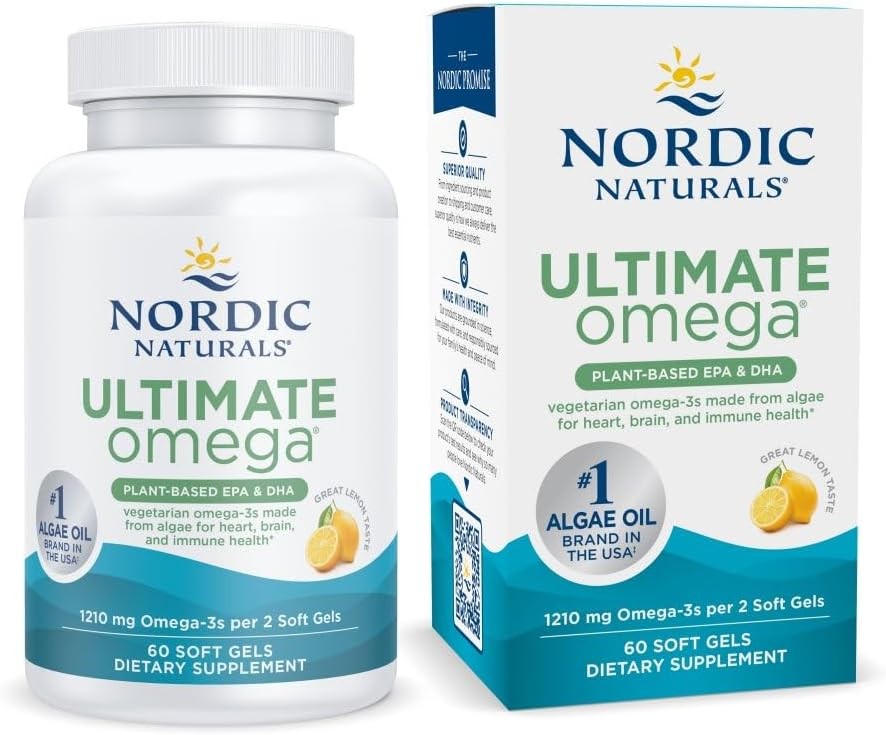
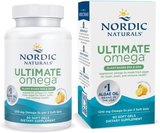
For plant-based readers, Nordic Naturals Vegan Omega-3 provides 1,210 mg of algae-derived EPA+DHA per two-softgel serving, with the same third-party purity testing as the fish-oil line, at about $42 per 60 softgels.
For omega-6 GLA supplementation (when indicated for specific conditions like eczema, PMS, or as an adjunct for RA), Solgar Evening Primrose Oil delivers 1,300 mg of cold-pressed evening primrose oil per softgel, roughly 90-120 mg of GLA, in the most clinically studied GLA source. Borage oil is a higher-GLA alternative. At about $12 per 60 softgels, it is inexpensive when GLA is genuinely indicated.
What Belongs in a Complete Omega-3 Support System?
For comprehensive omega-3 support and inflammatory balance:
- Daily Foundation: Nordic Naturals Ultimate Omega (1,280 mg omega-3) — 2 softgels daily with meals (about $32 per 90 softgels)
- Budget Alternative: Carlson The Very Finest Fish Oil (1,600 mg omega-3 per teaspoon) — 1 teaspoon daily (about $59 per 500 mL bottle)
- Vegan Option: Nordic Naturals Vegan Omega-3 (1,210 mg algae EPA+DHA) — 2 softgels daily (about $42 per 60 softgels)
- GLA Support (if needed): Solgar Evening Primrose Oil 1,300 mg (about 90-120 mg GLA per softgel) — 2-4 softgels daily for eczema or PMS
Combine omega-3 supplementation with dietary changes: eliminate seed oils (soybean, corn, sunflower), cook with olive or avocado oil, and eat fatty fish 2-3 times weekly to achieve optimal 2:1 to 4:1 omega-6:omega-3 ratio.
Related Reading
- Fish Oil vs Algal Oil: Which Is Better?
- Omega-3 Fish Oil Benefits: EPA vs DHA
- Best Fish Oil and Omega-3 Supplements
- Black Seed Oil vs Fish Oil
- How Much EPA and DHA Do You Actually Need for Heart Health?
- Omega-7 Fatty Acids and Women’s Heart Health
References
- Simopoulos AP. (2002). The importance of the ratio of omega-6/omega-3 essential fatty acids. Biomed Pharmacother, 56(8):365-79. PubMed: 12442909
- Simopoulos AP. (2006). Evolutionary aspects of diet, the omega-6/omega-3 ratio and genetic variation: nutritional implications for chronic diseases. Biomed Pharmacother, 60(9):502-7. PubMed: 17045449
- Simopoulos AP. (2008). The importance of the omega-6/omega-3 fatty acid ratio in cardiovascular disease and other chronic diseases. Exp Biol Med (Maywood), 233(6):674-88. PubMed: 18408140
- DiNicolantonio JJ, O’Keefe JH. (2021). The importance of maintaining a low omega-6/omega-3 ratio for reducing the risk of autoimmune diseases, asthma, and allergies. Mo Med, 118(5):453-9. PubMed: 34658440
- Serhan CN. (2009). Systems approach to inflammation resolution: identification of novel anti-inflammatory and pro-resolving mediators. J Thromb Haemost, 7(Suppl 1):44-8. PubMed: 19630766
- Serhan CN. (2015). The resolution code of acute inflammation: novel pro-resolving lipid mediators in resolution. Semin Immunol, 27(3):200-15. PubMed: 25857211
- Kwon Y. (2020). Immuno-resolving ability of resolvins, protectins, and maresins derived from omega-3 fatty acids in metabolic syndrome. Mol Nutr Food Res, 64(4):e1900824. PubMed: 31797565
- Ferreira I, et al. (2022). Resolvins, protectins, and maresins: DHA-derived specialized pro-resolving mediators, biosynthesis, cellular functions, and therapeutic potential. Molecules, 27(3):1677. PubMed: 35268778
- Dyerberg J, et al. (2010). Bioavailability of marine n-3 fatty acid formulations. Prostaglandins Leukot Essent Fatty Acids, 83(3):137-41. PubMed: 20638827
- Liao Y, et al. (2019). Efficacy of omega-3 PUFAs in depression: a meta-analysis. Transl Psychiatry, 9(1):190. PubMed: 31383846
- Bafkar N, et al. (2024). Efficacy and safety of omega-3 fatty acids supplementation for anxiety symptoms: a systematic review and dose-response meta-analysis. BMC Psychiatry, 24(1):455. PubMed: 38890670
- Khan SU, et al. (2021). Effect of omega-3 fatty acids on cardiovascular outcomes: a systematic review and meta-analysis. EClinicalMedicine, 38:100997. PubMed: 34505026
- Wang W, et al. (2024). Effects of omega-3 supplementation on lipid metabolism, inflammation, and disease activity in rheumatoid arthritis: a meta-analysis of randomized controlled trials. Clin Rheumatol, 43(8):2479-88. PubMed: 38922552
- Ulven SM, et al. (2011). Metabolic effects of krill oil are essentially similar to those of fish oil but at lower dose of EPA and DHA in healthy volunteers. Lipids, 46(1):37-46. PubMed: 21854650
- Ramprasath VR, et al. (2013). Enhanced increase of omega-3 index in healthy individuals with response to 4-week n-3 fatty acid supplementation from krill oil versus fish oil. Lipids Health Dis, 12:178. PubMed: 24304605
- Bailey E, et al. (2025). Comparative bioavailability of DHA and EPA from microalgal and fish oil in adults. Int J Mol Sci, 26(19). PubMed: 41096614
- Buckley MS, et al. (2004). Fish oil interaction with warfarin. Ann Pharmacother, 38(1):50-2. PubMed: 14742793
- Gerster H. (1998). Can adults adequately convert alpha-linolenic acid (18:3n-3) to eicosapentaenoic acid (20:5n-3) and docosahexaenoic acid (22:6n-3)? Int J Vitam Nutr Res, 68(3):159-73. PubMed: 9637947
- Brenna JT, et al. (2009). Alpha-linolenic acid supplementation and conversion to n-3 long-chain polyunsaturated fatty acids in humans. Prostaglandins Leukot Essent Fatty Acids, 80(2-3):85-91. PubMed: 19269799
- Calder PC. (2006). Polyunsaturated fatty acids and inflammation. Prostaglandins Leukot Essent Fatty Acids, 75(3):197-202. PubMed: 16828270
- Simon D, et al. (2014). Gamma-linolenic acid levels correlate with clinical efficacy of evening primrose oil in patients with atopic dermatitis. Adv Ther, 31(2):180-8. PubMed: 24435467
- Gibson RA, et al. (1992). Gamma linolenic acid (GLA) content of encapsulated evening primrose oil products. Lipids, 27(1):82-4. PubMed: 1318991
- Balic A, et al. (2020). Omega-3 versus omega-6 polyunsaturated fatty acids in the prevention and treatment of inflammatory skin diseases. Int J Mol Sci, 21(3):741. PubMed: 31979308
- Simopoulos AP, DiNicolantonio JJ. (2016). An increase in the omega-6/omega-3 fatty acid ratio increases the risk for obesity. Nutrients, 8(3):128. PubMed: 26950145
Recommended Products