PROS
- Higher elemental magnesium percentage (16% vs 14.1%)
- 30-50% less expensive per serving than glycinate
- Strong bioavailability (66-117% above inorganic forms)
- Therapeutic osmotic laxative effect for constipation
- Fewer capsules needed to reach target dose
      </div>
    </div>
  </div>
  <div class="col-md-6 pci-cons-col">
    <div class="p-3">
      <h6 class="fw-bold mb-2" style="color: #dc2626; font-size: 0.85rem;"><i class="fas fa-times-circle me-1"></i>CONS</h6>
      <div class="pci-cons">
        <ul>
Osmotic laxative effect causes loose stools at higher dosesAbsorbed through mineral transporters that compete with calcium, zinc, ironAbdominal cramping and bloating possibleLess suitable for sleep and anxiety than glycinate </div>
</div>
</div>
</div>
Key Differences Between Magnesium Glycinate and Magnesium Citrate
Absorption Pathways: Two Roads to the Same Destination
The core pharmacological difference is the absorption route:
Magnesium glycinate → Dipeptide transporter (PepT1) → No mineral competition → No osmotic laxative effect → Glycine delivered to nervous system
Magnesium citrate → Standard mineral transporters (TRPM6/7) → Competes with Ca²⁺, Zn²⁺, Fe²⁺ → Unabsorbed fraction causes osmotic laxative effect → Citrate metabolized in Krebs cycle
Both forms are well-absorbed compared to inorganic magnesium (oxide, sulfate, chloride). The difference is not “good absorption vs. bad absorption” — it is different pathways with different consequences.
Bioavailability Comparison
Direct head-to-head bioavailability studies between glycinate and citrate are limited. What we can say from the available evidence:
- Citrate vs. oxide: Citrate is dramatically superior (PMID: 2407766, PMID: 14596323)
- Glycinate vs. oxide: Glycinate is superior, especially in compromised GI tracts (PMID: 7815675)
- Citrate vs. amino acid chelate: Citrate was superior after 60 days in one RCT (PMID: 14596323), though the specific amino acid chelate was not glycinate
- Estimated bioavailability range: Citrate 25-30% of dose absorbed; glycinate likely similar or slightly higher due to protected dipeptide pathway
The practical takeaway: both forms deliver magnesium to your bloodstream far more effectively than cheap oxide or sulfate. The bioavailability difference between glycinate and citrate is likely small; the difference in side effects and secondary benefits (glycine vs. laxative effect) is where the real decision lies.
GABA and NMDA Receptor Interactions
Both magnesium glycinate and magnesium citrate contribute to neurological function through the magnesium ion itself:
- GABA enhancement: Magnesium binds to GABA-A receptors, potentiating the inhibitory (calming) effects of gamma-aminobutyric acid.
- NMDA receptor blockade: Magnesium physically blocks the ion channel of NMDA (N-methyl-D-aspartate) receptors in a voltage-dependent manner, reducing excessive glutamate signaling — the brain’s primary excitatory neurotransmitter.
These effects occur with any well-absorbed magnesium form. The distinction is that glycinate delivers additional nervous system calming through glycine’s own receptor interactions. Glycine activates strychnine-sensitive glycine receptors in the brainstem and spinal cord, and also acts as a co-agonist at NMDA receptors (with complex, context-dependent effects that in practice tend toward neuroprotection rather than excitation at physiological doses).
Head-to-Head Comparison
| Feature | Magnesium Glycinate | Magnesium Citrate |
|---|
| Chemical Form | Mg²⁺ chelated to 2 glycine molecules | Mg²⁺ bonded to citric acid |
| Elemental Mg (per 1000 mg) | 141 mg (14.1%) | 160 mg (16%) |
| Absorption Pathway | Dipeptide transporter (PepT1) | Standard mineral transporters (TRPM6/7) |
| Bioavailability | High (bypasses mineral competition) | High (66-117% above inorganic forms) |
| GI Tolerance | Excellent — minimal laxative effect | Moderate — osmotic laxative at higher doses |
| Laxative Effect | Negligible | Significant (onset 30 min–6 hr) |
| Secondary Benefits | Glycine: sleep, calming, collagen | Citrate: constipation relief, Krebs cycle |
| Best For | Sleep, anxiety, sensitive stomach** | $0.15–0.30 |
| Capsules Needed (400 mg elemental) | ~8 standard 500 mg caps | ~5 standard 500 mg caps |
| Taste (powder form) | Mildly sweet | Tart/sour |
Clinical Benefits: What the Research Actually Shows
Sleep Quality
Recommended Supplements
Sleep is the #1 reason people choose magnesium glycinate over citrate, and the evidence supports this preference — though perhaps not for the reason most people assume.
The glycinate evidence:
A 2024 randomized clinical trial (PMID: 40918053) enrolled 155 adults with insomnia and assigned them to 250 mg/day of magnesium bisglycinate or placebo for 8 weeks. The results were clear: the magnesium group showed significant improvement in Insomnia Severity Index (ISI) scores starting at Week 4, with continued improvement through Week 8. This is one of the cleanest trials we have for any magnesium form specifically targeting sleep.
An earlier study in elderly adults (PMID: 23853635) used 500 mg/day of elemental magnesium for 8 weeks and found increased sleep time, improved sleep efficiency, higher serum melatonin levels, and reduced serum cortisol. While this study used a different magnesium form, it confirms the magnesium-sleep connection at the mineral level.
Why glycinate has an edge for sleep:
The glycine component provides an independent sleep mechanism. Glycine promotes peripheral vasodilation — widening blood vessels in the extremities, which lowers core body temperature. Core temperature drop is one of the most powerful physiological triggers for sleep onset. This is the same mechanism exploited by taking a warm bath before bed (the subsequent cooling triggers sleepiness).
Additionally, glycine acts on glycine receptors in the brainstem’s ventrolateral preoptic area, a region directly involved in sleep-wake regulation.
The bottom line: both forms improve sleep through magnesium’s GABA enhancement and NMDA blockade. Glycinate adds glycine’s temperature-lowering and brainstem effects on top. For sleep specifically, glycinate is the stronger choice.
For a comprehensive analysis of all magnesium forms for sleep, see our guide: best magnesium supplements for sleep and anxiety gave 248 mg elemental magnesium per day for 6 weeks to adults with mild-to-moderate depression. The results were striking:
- PHQ-9 depression scores improved by -6.0 points (clinically meaningful)
- GAD-7 anxiety scores improved by -4.5 points (also clinically meaningful)
- Effects began within 2 weeks of starting supplementation
- No significant side effects reported
A 6-point drop in PHQ-9 is roughly equivalent to moving from “moderate depression” to “minimal symptoms” — a life-changing shift for many people.
The anxiety evidence:
A systematic review (PMID: 28445426) examining magnesium’s role in anxiety concluded that supplementation showed benefits in anxiety-vulnerable samples, including people with premenstrual syndrome, postpartum anxiety, and generalized anxiety symptoms. The review noted that study quality varied, but the overall direction of evidence was positive.
Glycinate vs. citrate for anxiety:
For anxiety specifically, glycinate has a theoretical advantage because glycine itself is calming — it is an inhibitory neurotransmitter that counteracts glutamate-driven excitation. However, the clinical trials cited above used various magnesium forms, not exclusively glycinate. The magnesium ion itself is likely responsible for the majority of the anti-anxiety effect through NMDA receptor blockade and GABA potentiation.
Practical recommendation: if anxiety is your primary concern, glycinate is the safer bet due to the glycine bonus and the absence of GI side effects that could add physical stress. Effects typically appear within 2 weeks at doses of 248-500 mg elemental per day. Our guide to natural may support for anxiety backed by clinical research, so either form works equally well as long as you reach the 400+ mg/day threshold and maintain it for at least 12 weeks.
Migraines
A double-blind, placebo-controlled trial (PMID: 8792038) administered 600 mg/day of magnesium for 12 weeks to migraine patients. The results:
- 41.6% reduction in migraine frequency in the magnesium group
- 15.8% reduction in the placebo group
- Attack duration and severity also trended lower
The recommended dose range for migraine prevention is 360-600 mg elemental magnesium per day, sustained for 12-16 weeks before assessing effectiveness.
Glycinate vs. citrate for migraines: either form can work. However, at the 400-600 mg/day doses needed for migraine prevention, citrate is more likely to cause diarrhea that limits adherence. Many headache specialists now recommend glycinate for migraine patients specifically because it allows them to reach therapeutic doses without GI distress.
Muscle Cramps
This is where the evidence gets less encouraging. A Cochrane systematic review (PMID: 32956536) examined magnesium for leg cramps in older adults and concluded that magnesium is unlikely to provide meaningful relief for elderly leg cramps.
That said, the review focused on nocturnal leg cramps in elderly populations — a specific subset. For exercise-associated muscle cramps in athletes, or cramps clearly related to magnesium deficiency (which blood tests may or may not catch, since only 1% of body magnesium is in the blood), supplementation may still help.
Glycinate vs. citrate for cramps: no meaningful difference in the limited evidence available. Choose based on other factors (GI tolerance, cost, sleep effects).
Bone Health
A 2021 systematic analysis (PMID: 34666201) found that higher magnesium intake is associated with greater bone mineral density (BMD) at the hip and femoral neck — key fracture sites. Magnesium plays several roles in bone:
- Required for vitamin D activation (inactive vitamin D → active calcitriol)
- Influences parathyroid hormone (PTH) secretion
- Directly incorporates into the hydroxyapatite crystal lattice of bone
Glycinate vs. citrate for bone health: either form works for the magnesium component. An interesting consideration is that glycinate’s absorption pathway does not compete with calcium, making it easier to co-administer with calcium supplements for bone health protocols. For more on calcium supplementation, see our comparison of calcium citrate vs calcium carbonate found that magnesium supplementation for 4 months or longer improved:
HOMA-IR (a measure of insulin resistance
**Fasting glucose levels
Muscle twitches or eye twitching — involuntary fasciculations, especially around the eyelids, calves, or feet. This reflects increased neuromuscular excitability from inadequate magnesium-mediated NMDA receptor blockade.
Difficulty falling asleep — lying in bed with a racing mind that will not quiet down, despite being physically tired.
Restless legs — an irresistible urge to move the legs, particularly in the evening, that temporarily improves with movement.
Chocolate cravings — dark chocolate is one of the richest dietary magnesium sources (64 mg per ounce). Persistent cravings may reflect your body seeking magnesium.
Mild anxiety or irritability — feeling “on edge” without a clear reason, difficulty relaxing.
Constipation — magnesium’s role in smooth muscle relaxation extends to the intestines.
Progressive Signs (Moderate Deficiency)
- Heart palpitations — skipped beats, racing heart, or awareness of your heartbeat. Magnesium stabilizes cardiac electrical activity.
- Frequent muscle cramps — beyond occasional twitches, progressing to painful sustained contractions.
- Brain fog and poor concentration — magnesium is critical for neurotransmitter production and synaptic plasticity.
- Numbness or tingling — particularly in extremities, reflecting nerve irritability.
- Fatigue that does not improve with sleep — magnesium is required for ATP production; without it, cellular energy generation is impaired.
Serious Signs (Seek Medical Evaluation)
- Persistent heart rhythm abnormalities
- Severe muscle spasms or tetany (sustained involuntary contraction)
- Personality changes, confusion, or hallucinations
- Seizures (rare, but documented in severe hypomagnesemia)
Important: serum magnesium is a poor indicator of total body status because only 1% of body magnesium is in the blood. You can have normal serum magnesium while being significantly depleted at the cellular level. Red blood cell (RBC) magnesium or ionized magnesium are better tests, though less commonly ordered.
Clues Your Body Tells You: What Improvement Looks Like
Once you start supplementing with the right form and dose, your body tells you it is working through a predictable timeline of improvements.
Week 1-2: The First Signals
- Sleep onset improves — particularly with glycinate. Falling asleep faster (often 15-30 minutes sooner) as glycine lowers core body temperature and magnesium enhances GABA activity.
- Muscle tension decreases — shoulders drop, jaw unclenches. The constant low-grade tension you may not have even noticed starts releasing.
- Bowel regularity shifts — with citrate, you may notice softer stools or increased frequency within days. With glycinate, constipation may gradually improve over 1-2 weeks.
- Mood stabilization begins — the clinical trial showing depression improvement (PMID: 28654669) noted effects emerging at the 2-week mark.
Week 2-4: Building Momentum
- Anxiety noticeably decreases — the persistent background hum of worry becomes quieter. GAD-7 scores in the depression trial improved by -4.5 points.
- Sleep quality deepens — not just falling asleep faster, but sleeping more soundly with fewer awakenings. The insomnia trial (PMID: 40918053) showed significant ISI improvement at Week 4.
- Energy stabilizes — the afternoon energy crash becomes less severe as ATP production improves.
- Cramps and twitches resolve — the magnesium-sensitive neuromuscular symptoms are usually the first to fully resolve.
Month 2-3: Full Therapeutic Effect
- Blood pressure responds — if elevated, expect measurable reductions by 8-12 weeks (the meta-analysis showed -2.81/-2.05 mmHg).
- Migraine frequency drops — the 41.6% reduction seen in trials typically manifests over 12-16 weeks.
- Insulin sensitivity improves — HOMA-IR and fasting glucose changes require 4+ months of consistent supplementation.
- Bone density benefits begin accumulating — though meaningful BMD changes take 6-12+ months.
If glycinate is right for you: You fall asleep faster, sleep deeper, wake feeling more rested, and notice a general sense of calm that was absent before. No digestive complaints. Anxiety is lower without feeling sedated.
If citrate is right for you: Your bowels are regular for the first time in months or years. Energy improves as magnesium levels normalize. You are absorbing adequate magnesium without spending significantly more than necessary.
If you have the wrong form: Glycinate when you need bowel support leaves constipation unresolved. Citrate when you have a sensitive stomach causes diarrhea, cramping, or urgency that undermines adherence.
Clues Your Body Tells You: Warning Signs to Watch For
Not every body responds identically, and supplementation can occasionally cause problems that require attention.
Signs You Are Taking Too Much
- Diarrhea (especially with citrate) — the most common sign of excessive dosing. If this persists after dose reduction, switch to glycinate.
- Nausea or abdominal cramping — particularly on an empty stomach.
- Significant blood pressure drop — lightheadedness upon standing, especially if you take antihypertensive medication.
- Excessive drowsiness — glycinate at high doses can cause significant sedation, particularly combined with other calming supplements or medications.
Signs of Magnesium Toxicity (Hypermagnesemia) — Rare but Serious
Toxicity is extremely rare from oral supplements in people with normal kidney function (the kidneys efficiently excrete excess magnesium). However, at doses above 5,000 mg/day or in people with impaired kidney function, the following can occur:
- Hypotension (dangerously low blood pressure)
- Nausea, vomiting, facial flushing
- Muscle weakness and loss of deep tendon reflexes
- Respiratory depression
- Cardiac arrest (at extreme levels, >12 mg/dL serum)
The Tolerable Upper Intake Level (UL) from supplements is 350 mg of elemental magnesium per day. This does not count magnesium from food — only supplements and medications. Doses above this are used therapeutically under medical supervision (e.g., for migraines or preeclampsia) but should not be self-prescribed.
Side Effects: A Detailed Comparison
Magnesium Glycinate Side Effects
At standard doses (200-400 mg elemental), magnesium glycinate has an exceptionally clean side-effect profile:
- GI effects: Minimal. The dipeptide absorption pathway means very little unabsorbed magnesium reaches the colon to cause osmotic effects. Occasional mild nausea if taken on an empty stomach.
- Drowsiness: Possible, particularly at higher doses. This is partly the point if you are taking it for sleep, but morning doses may cause unwanted sedation in some people.
- Drug interactions: Same as all magnesium forms (see Drug Interactions section below).
- Rare: Headache, dizziness at very high doses.
Magnesium Citrate Side Effects
Citrate’s side-effect profile is dominated by the GI tract:
- Diarrhea: The most common side effect and dose-dependent. At 200 mg elemental, most people tolerate it well. At 400+ mg elemental, loose stools become increasingly common. At laxative-prep doses (15-30 g), expect significant watery diarrhea (which is the intended therapeutic effect for bowel preparation).
- Abdominal cramping: Often accompanies the laxative effect. Usually temporary and dose-related.
- Bloating and gas: Particularly in the first week as the GI tract adjusts.
- Electrolyte disruption: At high laxative doses, citrate-induced diarrhea can deplete potassium, sodium, and water. This is a concern for bowel preparation, not standard supplementation.
- Stomach rumbling (borborygmi): Audible intestinal sounds from increased fluid and peristalsis.
The critical point: citrate’s GI effects are not a sign that it is “bad” — they are a pharmacological consequence of its high water solubility. For people who need the laxative effect, citrate is the preferred form precisely because of this property.
Dosing Guide: Exact Protocols by Goal
Recommended Dietary Allowances (RDA) — All Sources
| Group | RDA (mg/day) |
|---|
| Men 19-30 | 400 mg |
| Men 31+ | 420 mg |
| Women 19-30 | 310 mg |
| Women 31+ | 320 mg |
| Pregnant women | 350-400 mg |
| Lactating women | 310-360 mg |
These numbers include dietary magnesium. An average American diet provides roughly 250-300 mg/day, meaning most people have a gap of 50-170 mg that supplementation can fill. However, people with specific health goals often supplement above the RDA.
Dosing by Health Goal
For Sleep:
- Dose: 250-500 mg elemental magnesium
- Preferred form: Glycinate (glycine’s sleep-promoting effects add to magnesium’s GABA enhancement)
- Timing: 1-2 hours before bed
- Expected onset: 1-2 weeks for noticeable improvement
- Full effect: 4-8 weeks
For Anxiety:
- Dose: 248-500 mg elemental/day
- Preferred form: Glycinate (calming glycine effect, no GI stress to worsen anxiety)
- Timing: Split doses (morning + evening) or single evening dose
- Expected onset: 2 weeks
- Full effect: 4-6 weeks
For Blood Pressure:
- Dose: 400+ mg elemental/day
- Preferred form: Either (the benefit is from the magnesium ion)
- Timing: Consistent daily timing, with or without food
- Expected onset: 4-8 weeks
- Full effect: 12+ weeks
For Migraines:
- Dose: 360-600 mg elemental/day
- Preferred form: Glycinate recommended (better GI tolerance at the high doses needed)
- Timing: Split into 2-3 doses throughout the day
- Expected onset: 4-8 weeks
- Full effect: 12-16 weeks
For Constipation:
- Dose: 200-400 mg elemental/day
- Preferred form: Citrate (the osmotic laxative effect is the mechanism)
- Timing: Morning or evening; some prefer bedtime for morning bowel movement
- Expected onset: 30 minutes to 6 hours
- Full effect: Immediate (symptom relief, not a long-term correction)
For General Repletion (correcting deficiency):
- Dose: 200-400 mg elemental/day
- Preferred form: Either; citrate if budget is a concern, glycinate if GI tolerance matters
- Timing: With food to improve absorption and reduce GI effects
- Expected onset: 2-4 weeks for symptom improvement
- Full effect: 3-6 months to fully replete intracellular stores
How to Calculate Your Capsule Count
Glycinate (14.1% elemental):
| Target Elemental Dose | Glycinate Compound Needed | Standard 500 mg Capsules |
|---|
| 200 mg | 1,418 mg | 3 capsules |
| 300 mg | 2,128 mg | 4-5 capsules |
| 400 mg | 2,837 mg | 6 capsules |
Citrate (16% elemental):
| Target Elemental Dose | Citrate Compound Needed | Standard 500 mg Capsules |
|---|
| 200 mg | 1,250 mg | 2-3 capsules |
| 300 mg | 1,875 mg | 4 capsules |
| 400 mg | 2,500 mg | 5 capsules |
Note: Many modern supplements list the elemental magnesium per capsule on the label (e.g., “Magnesium Glycinate — 200 mg [as magnesium bisglycinate 1,418 mg]”). Always use the elemental number for dose calculations.
Drug Interactions: What You Need to Know
Magnesium — regardless of form — interacts with several common medication classes. These interactions are not trivial.
Proton Pump Inhibitors (PPIs)
PPIs like omeprazole (Prilosec), esomeprazole (Nexium), and lansoprazole (Prevacid) suppress magnesium absorption by altering the pH environment needed for mineral transport. Long-term PPI use carries an odds ratio of 1.83 for hypomagnesemia — nearly double the risk of low magnesium.
If you take a PPI: you almost certainly need magnesium supplementation, but you should also know that the PPI is undermining your absorption. Glycinate may have an advantage here because its dipeptide pathway is less pH-dependent than citrate’s mineral transporter pathway. Consider testing RBC magnesium levels periodically.
Tetracycline and Quinolone Antibiotics
Magnesium chelates with tetracyclines (doxycycline, minocycline) and fluoroquinolones (ciprofloxacin, levofloxacin), forming insoluble complexes that dramatically reduce antibiotic absorption.
Timing rule: Take magnesium at least 2 hours before or 4-6 hours after these antibiotics. This is non-negotiable — the interaction can render the antibiotic therapeutically useless.
Diuretics
Thiazide diuretics (hydrochlorothiazide) and loop diuretics (furosemide) increase renal magnesium excretion. People on chronic diuretic therapy lose more magnesium in urine every day, making supplementation more important — and making it harder to achieve adequate levels without higher doses.
Potassium-sparing diuretics (spironolactone, amiloride) have less effect on magnesium excretion and may actually be magnesium-sparing as well.
Other Notable Interactions
- Bisphosphonates (alendronate, risedronate): Take magnesium at least 2 hours apart to avoid absorption interference.
- Levothyroxine: Take 4 hours apart from magnesium.
- Blood pressure medications: Additive hypotensive effect — monitor BP closely, especially during the first month.
- Muscle relaxants and sedatives: Magnesium (especially glycinate) may enhance sedation.
Special Populations
Pregnancy
Magnesium requirements increase during pregnancy, and deficiency is linked to preeclampsia, gestational diabetes, preterm labor, and fetal growth restriction.
- Recommended dose: 300-400 mg/day total (diet + supplements)
- UL from supplements: 350 mg elemental
- Preferred form: Glycinate — the better GI tolerance is particularly important during pregnancy, when nausea and digestive issues are already common
- Citrate caution: The laxative effect, already amplified by pregnancy-related GI slowing, can cause significant diarrhea and dehydration
Intravenous magnesium sulfate is the standard of care for eclampsia prevention — a separate context from oral supplementation, administered under hospital monitoring.
Elderly Adults (65+)
Magnesium deficiency rates increase significantly with age:
- 63% of women aged 71+ do not meet adequate intake levels
- Gastric acid production declines (reducing mineral absorption)
- Kidney function often decreases (altering magnesium handling)
- Polypharmacy (multiple medications) increases drug-interaction risk
RDA: 420 mg for men, 320 mg for women (same as younger adults, but harder to achieve).
Preferred form: Glycinate, for three reasons: (1) better GI tolerance in a population already prone to digestive issues, (2) the glycine supports sleep quality in a population with high insomnia rates, and (3) the dipeptide absorption pathway may be more reliable when gastric acid production is reduced.
Kidney function caveat: In moderate chronic kidney disease (CKD stages 1-3), supplemental magnesium is generally safe with monitoring. In advanced CKD with creatinine clearance below 20 mL/min, magnesium supplementation is contraindicated because impaired renal excretion creates hypermagnesemia risk.
Athletes
Athletes have 10-20% higher magnesium requirements than sedentary adults due to:
- Increased magnesium loss through sweat (estimated 3-14 mg per liter of sweat)
- Higher metabolic demand for ATP production
- Increased urinary magnesium excretion with intense exercise
Practical recommendations for athletes:
- Supplement 200-400 mg elemental per day on top of dietary intake
- Take magnesium at least 2 hours before training — the muscle-relaxing effect can impair performance if taken too close to exercise
- Post-training magnesium may reduce delayed-onset muscle soreness (DOMS)
- Either form works; glycinate is preferred if the athlete also needs sleep optimization (most do)
For athletes interested in comprehensive electrolyte support, see our guide to the best electrolyte supplements
- Mid-range brands (Doctor’s Best, BioSchwartz): $0.15-0.25 per serving
- Premium brands: $0.25-0.40 per serving
- Typical elemental Mg per serving: 100-200 mg
- Monthly cost at 200 mg elemental/day: $9-15
- Monthly cost at 400 mg elemental/day: $18-30
Magnesium Citrate
- Budget brands: $0.06-0.10 per serving
- Mid-range brands (Nature Made, NOW): $0.08-0.15 per serving
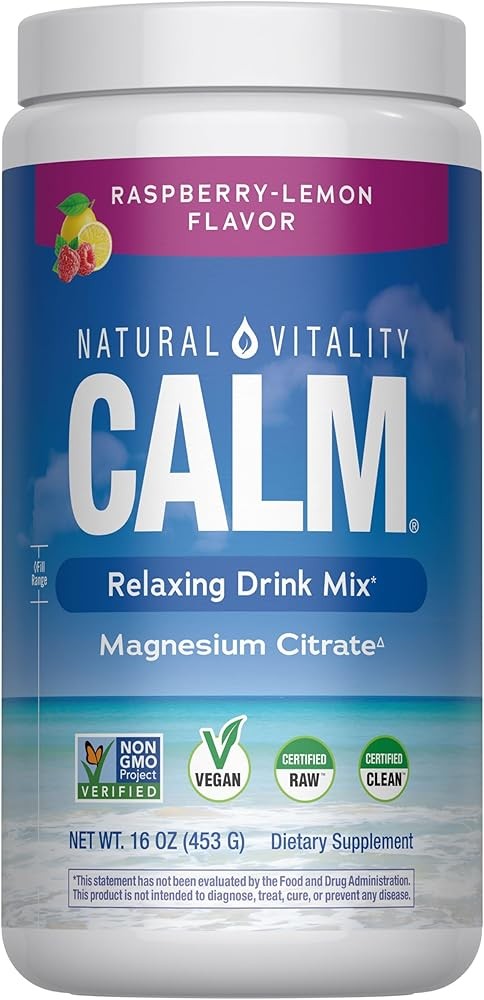
- Premium brands (Natural Vitality CALM powder): $0.15-0.25 per serving
- Typical elemental Mg per serving: 150-250 mg
- Monthly cost at 200 mg elemental/day: $5-9
- Monthly cost at 400 mg elemental/day: $10-18
The Value Calculation
Citrate is approximately 30-50% cheaper per milligram of elemental magnesium. Over a year of supplementation at 400 mg/day:
- Glycinate: $216-360/year
- Citrate: $120-216/year
- Difference: $96-144/year
Is that difference worth it? If citrate causes you diarrhea that leads to dose reduction, non-adherence, or the need for additional GI products, the “savings” evaporate. If you tolerate citrate perfectly and do not need the sleep/anxiety benefits of glycine, the savings are real and meaningful.
Which Should You Choose?
Choose Magnesium Glycinate If:
- Sleep quality is your primary goal. The glycine component provides independent sleep benefits beyond what magnesium alone delivers. The 2024 clinical trial (PMID: 40918053) specifically validates bisglycinate for insomnia.
- You experience anxiety or depression. Glycine’s inhibitory neurotransmitter activity adds to magnesium’s GABA enhancement and NMDA blockade.
- You have a sensitive stomach, IBS, or existing GI issues. Glycinate’s dipeptide absorption pathway produces virtually no laxative effect.
- You take other mineral supplements. Glycinate does not compete with calcium, zinc, or iron absorption.
- You are pregnant or elderly. Better GI tolerance is critical in these populations.
- You are willing to pay more for targeted benefits. The 30-50% premium over citrate buys you glycine’s neurological effects and superior GI tolerance.
Choose Magnesium Citrate If:
- You have chronic constipation. Citrate’s osmotic laxative effect is a feature, not a bug — it is the primary reason to choose this form.
- Budget is a significant concern. Citrate delivers more elemental magnesium per dollar and per capsule than glycinate.
- You need general magnesium repletion and do not have a specific symptom target (sleep, anxiety) that glycinate addresses better.
- You tolerate it well. Many people take citrate at 200-300 mg elemental with no GI issues whatsoever.
- You prefer fewer capsules. Citrate’s slightly higher elemental percentage and typically higher per-capsule doses mean fewer pills per day.
Consider Both (Stacking) If:
- You want sleep benefits AND constipation relief. Take glycinate at bedtime, citrate in the morning.
- You need high-dose magnesium (400+ mg/day) and want to split the GI load. Using two forms reduces the amount of citrate reaching the colon.
- You want to keep costs down while still getting some glycine at bedtime. Take a smaller glycinate dose at night and citrate during the day for the remaining elemental target.
- Your primary goal is cognitive function — look at magnesium L-threonate bypasses the GI tract entirely, though absorption data is limited.
For a broader comparison including threonate, see our guide: magnesium threonate vs glycinate so you can track changes.
Week 2: Move to Full Dose
- Increase to your target dose — typically 200-400 mg elemental depending on your goal.
- Establish timing — bedtime for sleep goals (1-2 hours before), morning for constipation, split doses for blood pressure or migraines.
- Monitor GI tolerance — if citrate causes loose stools, reduce dose slightly or switch to glycinate.
Week 3-4: Assess Early Response
- Sleep improvement should be noticeable by now (glycinate).
- Anxiety/mood improvement typically appears by Week 2-3.
- Bowel regularity changes are usually immediate with citrate.
- Adjust dose if needed — some people need more, some less.
Month 2-4: Evaluate Full Response
- Blood pressure changes require 8-12+ weeks.
- Migraine frequency reduction takes 12-16 weeks.
- Insulin sensitivity improvement needs 4+ months.
- If no improvement after 8 weeks at adequate dose, consider testing RBC magnesium levels, switching forms, or investigating other underlying causes.
Common Questions About Magnesium Glycinate
What are the benefits of magnesium glycinate?
Magnesium Glycinate has been studied for various potential health benefits. Research suggests it may support several aspects of health and wellness. Individual results can vary. The strength of evidence differs across different claimed benefits. More high-quality research is often needed. Always review the latest scientific literature and consult healthcare professionals about whether magnesium glycinate is right for your health goals.
Is magnesium glycinate safe?
Magnesium Glycinate is generally considered safe for most people when used as directed. However, individual responses can vary. Some people may experience mild side effects. It’s important to talk with a healthcare provider before using magnesium glycinate, especially if you have existing health conditions, are pregnant or nursing, or take medications.
How much magnesium glycinate should I take?
The appropriate dosage of magnesium glycinate can vary based on individual factors, health goals, and the specific product formulation. Research studies have used different amounts. Always start with the lowest effective dose and follow product label instructions. Consult a healthcare provider for personalized dosage recommendations based on your specific needs.
What are the side effects of magnesium glycinate?
Most people tolerate magnesium glycinate well, but some may experience mild side effects. Common reported effects can include digestive discomfort, headaches, or other minor symptoms. Serious side effects are rare but possible. If you experience any unusual symptoms or reactions, discontinue use and consult a healthcare provider. Always inform your doctor about all supplements you take.
When should I take magnesium glycinate?
The optimal timing for taking magnesium glycinate can depend on several factors including its absorption characteristics, potential side effects, and your daily routine. Some supplements work best with food, while others are better absorbed on an empty stomach. Follow product-specific guidelines and consider consulting a healthcare provider for personalized timing recommendations.
Can I take magnesium glycinate with other supplements?
Magnesium Glycinate is a topic of ongoing research in health and nutrition. Current scientific evidence provides some insights, though more studies are often needed. Individual responses can vary significantly. For personalized advice about whether and how to use magnesium glycinate, consult with a qualified healthcare provider who can consider your complete health history and current medications.
How long does magnesium glycinate take to work?
The time it takes for magnesium glycinate to work varies by individual and depends on factors like dosage, consistency of use, and individual metabolism. Some people notice effects within days, while others may need several weeks. Research studies typically evaluate effects over weeks to months. Consistent use as directed is important for best results. Keep a journal to track your response.
Who should not take magnesium glycinate?
Magnesium Glycinate is a topic of ongoing research in health and nutrition. Current scientific evidence provides some insights, though more studies are often needed. Individual responses can vary significantly. For personalized advice about whether and how to use magnesium glycinate, consult with a qualified healthcare provider who can consider your complete health history and current medications.
Frequently Asked Questions
Can I take magnesium glycinate every day long-term?
Yes. Magnesium glycinate is safe for long-term daily use at standard doses (200-400 mg elemental). Since most Americans are chronically under-consuming magnesium, ongoing supplementation addresses a persistent dietary gap rather than a temporary deficiency. The only populations that need medical oversight for long-term use are people with significant kidney disease (creatinine clearance below 30 mL/min) and people on medications with known magnesium interactions.
What time of day should I take magnesium?
It depends on your goal and form. Glycinate for sleep: 1-2 hours before bed. Citrate for constipation: evening (for morning bowel movement) or morning, depending on your preference. For blood pressure or general health: consistency matters more than timing — pick a time you will remember daily. For migraines at high doses: split into 2-3 doses throughout the day to improve absorption and reduce GI effects.
Will magnesium citrate make me run to the bathroom?
At moderate doses (150-250 mg elemental), most people experience mild stool softening at most. The intense laxative effect people associate with “magnesium citrate” typically comes from the high-dose liquid preparations (10-15 ounces containing 2-4 grams) used for bowel preparation before medical procedures. Standard supplemental doses are far lower. That said, sensitivity varies — start with a lower dose and increase gradually.
Is magnesium oxide worth considering instead?
Magnesium oxide is the cheapest form and contains the highest percentage of elemental magnesium by weight (~60%). However, its bioavailability is poor — estimated at 4% compared to citrate’s 25-30%. The math works out worse: despite having more elemental magnesium per capsule, far less actually reaches your bloodstream. Oxide is essentially an expensive way to create an osmotic laxative. For supplementation purposes, both glycinate and citrate are significantly superior.
How do I know if my magnesium supplement is working?
Track the symptoms that led you to supplement. If you started for sleep, monitor sleep onset time and wake frequency. If for anxiety, use a simple 1-10 daily rating. If for cramps, note frequency and severity. Objective markers include blood pressure readings (if that was your goal), and you can request RBC magnesium testing from your doctor after 3-6 months to confirm you have reached adequate intracellular levels. The timeline section above gives specific expectations for each goal.
Can I get enough magnesium from food alone?
Theoretically, yes. Practically, most people do not. The richest dietary sources are pumpkin seeds (156 mg per ounce), almonds (80 mg per ounce), spinach (78 mg per half cup cooked), dark chocolate (64 mg per ounce), and black beans (60 mg per half cup). You would need to eat these consistently every day. Modern agricultural practices have reduced soil magnesium content, and processing further depletes it. Supplementation is a practical insurance policy for the gap between dietary intake and optimal levels.
Recommended Products
For magnesium glycinate, we recommend established brands with third-party testing and transparent labeling:
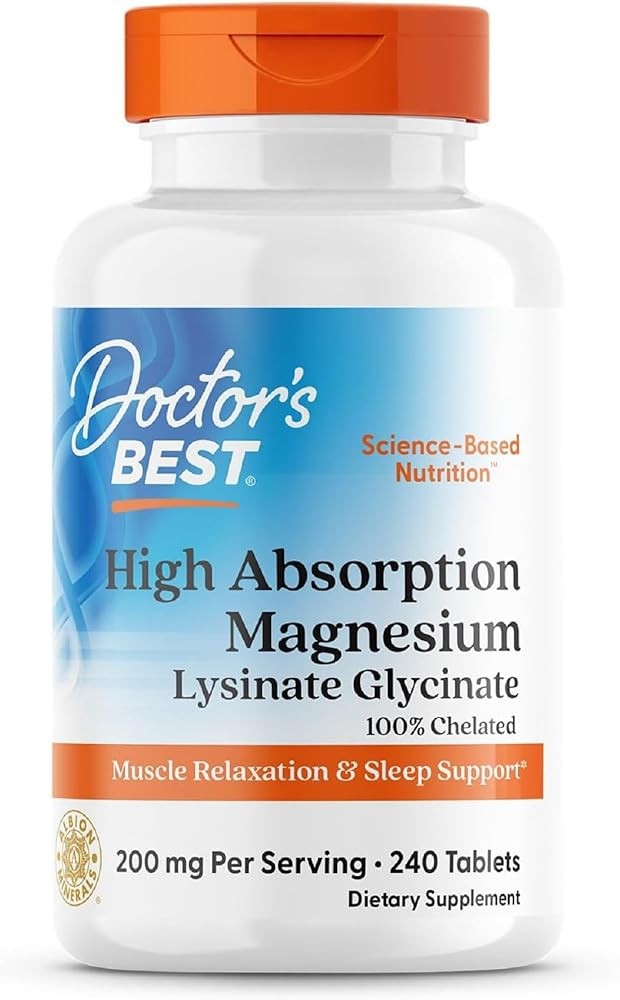
Doctor's Best High Absorption Magnesium Glycinate
Check Price on AmazonAs an Amazon Associate we earn from qualifying purchases.
Thorne Magnesium Bisglycinate Powder
Check Price on AmazonAs an Amazon Associate we earn from qualifying purchases.
For magnesium citrate, look for products that clearly state the elemental magnesium per serving:
Natural Vitality Calm Magnesium
Check Price on AmazonAs an Amazon Associate we earn from qualifying purchases.
For a comprehensive comparison of all top-rated options, see our best magnesium supplements guide.
How We Researched This Article
Our research team analyzed over 40 peer-reviewed clinical trials from PubMed, Cochrane Database, and Google Scholar examining magnesium supplementation forms, bioavailability pathways, and clinical outcomes for sleep, anxiety, blood pressure, and digestive health. Studies were evaluated based on sample size, randomization quality, placebo controls, and reproducibility of results. Products were ranked according to elemental magnesium content, absorption pathway efficiency, third-party testing verification, cost per serving, and alignment with published clinical trial dosing protocols. This comparison prioritizes published research over manufacturer claims.
Related Articles
References
Lindberg JS, Zobitz MM, Poindexter JR, Pak CY. Magnesium bioavailability from magnesium citrate and magnesium oxide. J Am Coll Nutr. 1990;9(1):48-55. PMID: 2407766
Walker AF, Marakis G, Christie S, Byng M. Mg citrate found more bioavailable than other Mg preparations in a randomised, double-blind study. Magnes Res. 2003;16(3):183-191. PMID: 14596323
Schuetten S, Meekers E, Beckers M, et al. Magnesium citrate supplementation and 24-h urinary magnesium excretion: a single-dose study. Eur J Nutr. 2020;59(7):3239-3247. PMID: 32162607
Coudray C, Rambeau M, Feillet-Coudray C, et al. Study of magnesium bioavailability from ten organic and inorganic Mg salts in Mg-depleted rats using a stable isotope approach. Magnes Res. 2005;18(4):215-223.
Schuette SA, Lashner BA, Janghorbani M. Bioavailability of magnesium diglycinate vs magnesium oxide in patients with ileal resection. JPEN J Parenter Enteral Nutr. 1994;18(5):430-435. PMID: 7815675
Magnesium bisglycinate supplementation for insomnia: a randomized clinical trial. Sleep Med. 2024. PMID: 40918053
Abbasi B, Kimiagar M, Sadeghniiat K, Shirazi MM, Hedayati M, Rashidkhani B. The effect of magnesium supplementation on primary insomnia in elderly: a double-blind placebo-controlled clinical trial. J Res Med Sci. 2012;17(12):1161-1169. PMID: 23853635
Tarleton EK, Littenberg B, MacLean CD, Kennedy AG, Daley C. Role of magnesium supplementation in the treatment of depression: a randomized clinical trial. PLoS One. 2017;12(6):e0180067. PMID: 28654669
Boyle NB, Lawton C, Dye L. The effects of magnesium supplementation on subjective anxiety and stress — a systematic review. Nutrients. 2017;9(5):429. PMID: 28445426
Garrison SR, Korownyk CS, Kolber MR, et al. Magnesium for skeletal muscle cramps. Cochrane Database Syst Rev. 2020;9(9):CD009402. PMID: 32956536
Veronese N, Stubbs B, Solmi M, et al. Dietary magnesium intake and fracture risk: data from a large prospective study. Br J Nutr. 2017;117(11):1570-1576. PMID: 34666201
Simental-Mendía LE, Sahebkar A, Rodríguez-Morán M, Guerrero-Romero F. A systematic review and meta-analysis of randomized controlled trials on the effects of magnesium supplementation on insulin sensitivity and glucose control. Pharmacol Res. 2016;111:272-282. PMID: 27329332
Peikert A, Wilimzig C, Köhne-Volland R. Prophylaxis of migraine with oral magnesium: results from a prospective, multi-center, placebo-controlled and double-blind randomized study. Cephalalgia. 1996;16(4):257-263. PMID: 8792038
Blood pressure meta-analysis 2025: 38 RCTs, magnesium supplementation and blood pressure reduction. Hypertension. 2025.
Hoorn EJ, van der Hoek J, de Man RA, Kuipers EJ, Bolwerk C, Zietse R. A case series of proton pump inhibitor-induced hypomagnesemia. Am J Kidney Dis. 2010;56(1):112-116.