Moringa and Lung Cancer: What the Research Actually Shows About Moringa oleifera and Lung Tumors
Summarized from peer-reviewed research indexed in PubMed. See citations below.
Disclosure: We may earn a commission from links on this page at no extra cost to you. Affiliate relationships never influence our ratings. Full policy →
Quick Answer
What Is This Article, and What Is It Not?
Moringa oleifera is a fast-growing tree native to the foothills of the Himalayas, now cultivated across the tropics and subtropics, where its leaves are eaten as a vegetable, dried into powder, and brewed as tea. It is also one of the most aggressively marketed plants in the supplement industry. Search for moringa and lung cancer and you will find dozens of pages promising that this leaf shrinks tumors, boosts immunity against cancer, or offers a natural alternative to conventional care. Almost none of those pages cite a primary study, and almost none distinguish between a petri dish, a mouse, and a human being.
This article exists to do that work properly. It is a research review with a narrow scope: what the indexed biomedical literature actually shows about Moringa oleifera and lung cancer, at each level of evidence. It separates laboratory findings from animal findings from human findings. It identifies which compounds appear responsible for the effects that are real. It explains how preparation changes what you get from fresh leaves, dried powder, and tea. And it addresses the question that marketing material never touches: whether a human being could ever realistically reach the exposures used in the experiments.
What this article is not: it is not an endorsement of moringa as a cancer therapy. It is not medical advice. It is not a reason to delay, decline, or modify any part of standard oncology care. A lung nodule, a lung cancer diagnosis, or any suspicion of either requires evaluation by a physician, and no amount of leaf consumption changes that. The evidence reviewed here was gathered from PubMed and PubMed Central, the primary databases of the biomedical literature, and every study discussed is cited with its PMID so the reader can verify each claim directly. Where the accessible record is incomplete, this article says so plainly instead of papering over the gap.
One more thing to state up front, because it colors everything: the person researching this topic is often someone who has just seen a scan or received a diagnosis and is looking for something, anything, that feels like agency. That instinct is human and understandable. The honest answer this article gives is that moringa is a plant with genuine laboratory promise and zero human proof, and that the laboratory promise does not translate into a dietary intervention that anyone can act on today. The search for agency should point at the oncology team, not the supplement shelf.
How to Read the Evidence in This Article
Cancer research evidence sits on a ladder. At the top are randomized controlled trials in humans, the only studies that can establish whether something works in people. Below that sit nonrandomized human studies, then case reports and case series, then animal tumor models, then human cancer cells grown in a dish, then biochemical and mechanistic studies, and finally traditional use, anecdotes, and marketing claims.
The relevance of this ladder is brutal and simple: effects demonstrated on cells in a dish frequently disappear in animals, and effects demonstrated in animals frequently disappear in humans. The National Cancer Institute’s own drug-development history is full of compounds that killed cancer cells beautifully and failed in people. Most experimental agents never become treatments. So when you read a claim about moringa and lung cancer, the first question is not “is it true?” but “at which level of the ladder was it demonstrated, and by how many independent laboratories?”
For moringa and lung cancer specifically, the ladder currently looks like this:
- Randomized controlled human trials: none
- Nonrandomized human studies: none
- Human case reports or case series: none
- Animal tumor models: two frequently cited studies, both single-experiment, both incompletely documented in the accessible record
- Human cancer cell experiments: several, the most important involving a lung cancer line called A549
- Biochemical and mechanistic studies: substantial, especially around oxidative stress, apoptosis, and immune signaling
- Traditional use and marketing claims: abundant, and not evidence
That distribution is the whole story in miniature. Every statement you will read below about moringa affecting lung cancer is a statement about cells in a dish or tumors in rodents, not about people. The human chapters of this literature have not been written yet, and anyone who tells you otherwise is either confused or selling something.
There is also a reproducibility question that applies to the entire field. Almost every moringa-cancer study in the indexed record comes from a single laboratory, uses a different extract preparation, and has never been independently replicated. That is normal for early-stage natural product research, but it means the confidence level for even the positive findings is lower than it appears from the titles alone.
What Does the Laboratory Evidence Show Against Lung Cancer Cells?
The most important cell study in this literature was published in 2021 in Evidence-Based Complementary and Alternative Medicine, and it examined an alkaloid extract of Moringa oleifera against a panel of cancer cell lines, with special attention to lung cancer (PMID 34211571).
The researchers prepared an alkaloid-enriched fraction of moringa leaves. An alkaloid fraction is not the same thing as moringa tea or moringa powder. It is a concentrated laboratory preparation produced by acid-base partitioning, a process that isolates a specific chemical family and strips away most of the fiber, protein, sugar, and water-soluble material. This distinction is central to everything that follows, because the concentration numbers from this study cannot be compared to what a person gets from a cup of tea.
The results, verified from the full text of the paper:
- Against five cancer cell lines, the alkaloid extract was most potent against A549, a widely used human non-small-cell lung cancer line. The IC50, the concentration that killed half the cells after 48 hours, was 158.67 micrograms per milliliter. The other lines required substantially higher concentrations: A375 melanoma at 238.61, HCT116 colon at 276.96, Hep-G2 liver at 283.07, and MDA-MB-231 breast at 413.13 micrograms per milliliter.
- Against a broader panel of lung lines, the extract inhibited A549 and NCI-H1975 in a concentration- and time-dependent manner, but had no inhibitory effect on NCI-H1781 or NCI-H441. Lung cancer cells are not interchangeable, and moringa’s alkaloid fraction did not touch every lung line that was tested. That pattern, selective activity against some lines and none against others, is typical of compounds that act on specific molecular targets rather than as general poisons.
- The extract increased markers of apoptosis, specifically the executioner enzyme caspase-3 and the initiator enzyme caspase-9, the signature of the intrinsic mitochondrial apoptosis pathway. In plain language, treated cells activated their own self-destruct program rather than simply being lysed.
- It arrested the cell cycle in S phase, the stage at which DNA is copied. Arresting the cycle in S phase stops cells from completing division and is a recognized anticancer mechanism in pharmacology.
- It showed comparatively low toxicity to GES-1, a normal human gastric epithelial cell line. At 800 micrograms per milliliter, normal cells retained roughly 71 to 76 percent viability. Selectivity between cancer cells and normal cells is the single most encouraging detail in the study, because it is the profile a drug developer hopes to see, and it is exactly what many plant extracts fail to show.
A separate line of laboratory work involves gold nanoparticles synthesized using moringa extracts. Studies from 2016, 2024, and 2025 reported that these nanoparticles are cytotoxic to A549 cells, modulate oncogenes and tumor suppressor genes such as c-myc, p53, Skp2, and Fbw7, and activate caspase-9 (PMIDs 26923760, 38881214, 40109902). These studies are frequently quoted in moringa marketing material, and they deserve a careful caveat: they do not belong in the same category as the extract studies, because the active agent in them is the gold nanoparticle, not the plant. The moringa extract in those experiments served as the reducing and stabilizing agent that converted gold salts into nanoparticles. A person eating moringa leaves is not manufacturing gold nanoparticles in their digestive tract, and these findings say nothing about dietary moringa.
Computational work adds another layer. A 2024 in silico study screened moringa phytocompounds as potential dual inhibitors of EGFR with the T790M/C797S resistance mutations and VEGFR-2, both relevant targets in non-small-cell lung cancer (PMID 39179328), and a 2025 network-modeling and molecular-docking study explored moringa compounds against lung cancer pathways (PMID 41155483). Docking studies predict binding affinity on a computer; they do not demonstrate biological activity, and no wet-lab follow-up was located. They are hypothesis generators, nothing more, and a corrigendum was issued for the EGFR paper (PMID 40390505), which further lowers the confidence in that particular computational result.
A 2026 mini-review in Mini Reviews in Medicinal Chemistry surveyed the in vitro and in vivo evidence for moringa and lung cancer and reached the same structural conclusion: the effects are multi-targeted and include apoptosis induction, oxidative stress regulation, and immune modulation, but the human evidence is absent (PMID 42136470).
Bottom line: a concentrated alkaloid fraction of moringa leaves has genuine, verifiable activity against A549 lung cancer cells in a dish, with selectivity over a normal cell line and a plausible apoptosis mechanism. That is a real finding and a legitimate reason to keep studying the plant. It is also a long way from being a therapy, and it says nothing about what happens when a person eats moringa.
What Does the Rat Study Show About Urethane-Induced Lung Tumors?
The first animal study routinely cited in this literature was published in 2023 in Environmental Science and Pollution Research (PMID 36567388). The researchers induced lung cancer in adult male albino rats using urethane, a chemical carcinogen that reliably produces lung adenomas and adenocarcinomas in rodents. Forty rats were divided into four groups of ten: a negative control, a urethane-only lung cancer model group, a group that received Moringa oleifera leaf extract after tumor induction, and a group that received the standard chemotherapy drug cisplatin as a reference.
The results, as reported in the abstract:
- The lung index, a measure of lung weight relative to body weight that rises with tumor burden and inflammation, increased about one-fold in the tumor-bearing rats and decreased after moringa leaf extract treatment. A reduction in lung index is the direction you would want to see.
- The extract improved the induced changes in biochemical markers of oxidative stress, consistent with an antioxidant effect in lung tissue.
- Histopathological and transmission electron microscopy examination showed that the extract reduced mucin and PCNA-positive cells in the lung by approximately 10.8 percent. PCNA is a proliferation marker, so fewer PCNA-positive cells implies less proliferative activity in the lung.
- The reference drug cisplatin produced the expected comparator effects, which gives the study an internal benchmark.
What this study does not provide, at least in the accessible record, matters as much as what it does. The abstract does not state the dose of the leaf extract, the route of administration, the duration of treatment, or whether the extract was given preventively or after tumors developed. It reports no tumor volume measurements, no tumor counts, no survival data, and no statistical significance values. The full text is behind a paywall. Claims circulating online that this study showed disappearance of tumor masses cannot be confirmed from any accessible source, and the abstract does not support them. What the abstract supports is a more modest statement: moringa leaf extract partially reversed markers of urethane-induced lung pathology in rats, moving in the same direction as cisplatin, without a direct statistical comparison.
This is a single study in a chemical carcinogenesis model, which is an early and imperfect approximation of human lung cancer. Chemical-induced rodent tumors differ from human disease in genetics, immunology, and drug response. The study has not been reproduced by an independent laboratory, and the dose question, which is the first thing any pharmacologist would ask, is unanswered in the record we could access.
Bottom line: one rat study, abstract-level verification only, shows moringa leaf extract partially reversed markers of urethane-induced lung pathology. No dose, no tumor quantification, no survival data, no replication. This is hypothesis-generating evidence, and the online claim about disappearing tumor masses is not supported by the accessible record.
What Does the Mouse Study Show About Lewis Lung Carcinoma and the Immune System?
The second animal study is scientifically the more interesting one, because it points at a mechanism that modern cancer research takes seriously: the tumor immune environment. Tumors do not grow in isolation; they build a microenvironment that suppresses the immune system, and much of the recent progress in oncology involves reversing that suppression.
Published in 2023 in Food & Function by Wang and colleagues, the study isolated polysaccharides from moringa leaves (PMID 37158366). Polysaccharides are large sugar polymers, and the moringa leaf polysaccharides used here, about 17.35 kilodaltons and composed mainly of galactose, glucose, and arabinose, were tested in a Lewis lung carcinoma mouse model, a standard syngeneic lung tumor system, and in bone marrow-derived macrophages in culture.
The findings, verified from the abstract and from a 2025 review that describes the study independently (PMID 42136470):
- The polysaccharides converted tumor-associated macrophages from the M2 phenotype, which suppresses immunity and helps tumors grow, to the M1 phenotype, which attacks tumors and presents antigens. This is the central finding.
- The mechanism runs through TLR4, a pattern-recognition receptor on immune cells, and the downstream MyD88 and NF-kB signaling axis.
- The polarization shift raised the chemokines CXCL9 and CXCL10, both of which recruit T cells into tumors.
- Intratumoral T-cell infiltration increased as a result.
- The net effect was remodeling of the tumor immune microenvironment in a direction that opposes tumor growth.
Why this matters: macrophage polarization and T-cell recruitment are exactly the mechanisms that modern immunotherapy aims to manipulate. Checkpoint inhibitors work by releasing T cells that have already been recruited. A plant polysaccharide that nudges the immune environment toward M1 polarization and pulls T cells into the tumor is a mechanistically plausible finding, not a biologically absurd one, and it explains why this particular paper has attracted attention beyond the usual natural-product audience.
It also has two important caveats. First, a correction was issued for the paper in the same journal (PMID 37655684). Corrections of this type are often editorial, involving author affiliations or figure labels, but the substance of this particular correction could not be verified from the index record, and the corrected version should be treated as authoritative. Second, the widely repeated claim that the polysaccharides inhibited tumor growth by 37 to 44 percent could not be verified from any accessible source. The abstract reports the mechanism, not a percentage, and the full text is paywalled. That specific number should not be repeated as fact until the original paper is read in full, and anyone citing it without the full text is overreaching.
Even granting the mechanism, this is one mouse study. It demonstrates that a purified polysaccharide from moringa leaves can shift immune cells in a tumor model in a direction consistent with anti-tumor activity. It does not demonstrate that moringa leaf powder eaten by a person does the same thing, because the polysaccharides in the study were extracted, purified, and characterized, not consumed as food, and the dose-response relationship in humans is entirely unknown.
Bottom line: one mouse study shows moringa leaf polysaccharides reprogram tumor-associated macrophages toward an anti-tumor state via TLR4, raising CXCL9, CXCL10, and T-cell infiltration. This is the most mechanistically interesting finding in the field. The percentage claims attached to it are unverified, a correction exists, and no human translation has been attempted.
Which Compounds in Moringa Are Behind These Effects?
Moringa leaves contain a complex mixture of chemicals, and different active classes appear to be responsible for the different laboratory effects.
Polysaccharides. The immune-system finding belongs to this class. They are water-soluble, extract well into hot water, and are the class most plausibly delivered by tea or decoction, although the mouse study used a purified preparation rather than crude leaf.
Alkaloids. The A549 cell-killing finding belongs to a concentrated alkaloid fraction. The specific alkaloids responsible were not identified in the accessible record, which is a genuine gap in the literature, because until the active molecule is named, the finding cannot be optimized, dosed, or studied pharmacokinetically. This is the single biggest missing piece of the cell-line story.
Isothiocyanates. Moringa leaves contain glucosinolates, principally glucomoringin, which the enzyme myrosinase converts into moringin, an isothiocyanate, when leaf cells are crushed. Isothiocyanates as a chemical family, including benzyl isothiocyanate, have a large anticancer literature in other cancer types, with documented effects on apoptosis, Nrf2 signaling, and NF-kB. What is missing is lung-specific evidence for moringa’s own isothiocyanates. No moringa-lung study located in the indexed literature isolates moringin as the active agent, which makes the isothiocyanate story plausible by analogy rather than by direct evidence.
Flavonoids and phenolic acids. Quercetin, kaempferol, and chlorogenic acid are abundant in moringa leaves and have independent anticancer literature, including some lung-cell work that is not specific to moringa. They are plausible contributors to extract-level effects but have not been isolated as the cause of the lung findings.
Thiocarbamates such as niazimicin and niaziminin appear in the broader moringa literature with anti-inflammatory and anti-angiogenic activity, but no lung-specific study was located.
The honest summary is that the field has not yet identified with certainty which single compound drives the lung-cancer findings, and it is likely that multiple compounds contribute. The polysaccharide and alkaloid classes are the two with direct lung evidence, and both need the active molecule identified and characterized before the science can move forward.
Fresh Leaves, Tea, Powder, and Extracts: What Does Preparation Change?
For a person with a moringa tree in the yard, the relevant question is what actually happens to the active compounds when leaves are prepared at home. The answer differs by compound, and the differences are large enough to change what a home preparation does and does not deliver.
Isothiocyanates: crushing activates them. Fresh moringa leaves store glucomoringin and the enzyme myrosinase in separate cellular compartments. The moment leaves are chopped, chewed, or blended, the enzyme meets the glucosinolate and begins converting it to moringin. The conversion starts within minutes and is largely complete within about an hour at room temperature. Cooking destroys myrosinase, which means cooked leaves produce far less isothiocyanate. The human gut microbiota can partially perform the same conversion, but less efficiently than the plant’s own enzyme. So for isothiocyanate exposure, raw crushed leaf is the high-delivery form, cooked leaf is the low-delivery form, and dried powder is intermediate and highly variable depending on how it was dried and stored. Sun-drying degrades more activity than shade-drying, and freeze-drying preserves the most. This matters to anyone who has read about moringin online and assumed a cup of tea delivers it.
Polysaccharides: hot water extracts them. The class behind the immune-system mouse study is water-soluble, which means leaf tea and decoctions genuinely contain polysaccharides. This is the one active class that ordinary tea plausibly delivers in some form, though the mouse study used purified polysaccharide at doses no tea drinker would reach.
Alkaloids: tea does not deliver them. The A549 study used an alkaloid-enriched fraction produced by laboratory acid-base extraction. Alkaloids are only partially water-soluble, and plain tea extracts them poorly. A person drinking moringa tea is not reproducing the exposure that killed A549 cells in the dish, and no home preparation can.
Flavonoids and phenolic acids: partially water-soluble, better extracted with alcohol or hydroalcoholic mixtures. Tea captures some, and significant amounts remain in the leaf matrix.
The practical matrix for a home grower: raw crushed fresh leaves maximize isothiocyanates; hot water tea delivers polysaccharides; no home preparation delivers the concentrated alkaloid fraction used in the lung-cell experiments; and no preparation of any kind has been shown to deliver any compound to human lung tissue at concentrations resembling the laboratory studies. This site does not provide instructions for producing concentrated extracts at home, because concentrated extracts of any plant are not food, and their safety in humans at experimental doses is uncharacterized.
Bottom line: preparation determines which compounds you get. Crushed raw leaf maximizes isothiocyanates, tea delivers polysaccharides, and no home preparation reaches the alkaloid concentrations used in the lung-cell experiments.
How Does Moringa Compare to Other Plant Compounds Studied Against Cancer?
Moringa is not the only plant compound with laboratory evidence against cancer, and placing it in context helps calibrate expectations. This site has reviewed several others in detail, and the pattern they share is instructive.
Green tea EGCG, covered in a separate review on this site, has a much larger evidence base than moringa: decades of laboratory work, animal studies, epidemiological data from tea-drinking populations, and clinical trials, though the human trials have shown mixed results. Even with that enormous head start, no responsible source claims EGCG is a cancer therapy, and the supplement form carries a documented liver-toxicity signal at high doses. Sulforaphane from broccoli sprouts and curcumin from turmeric follow the same arc: compelling laboratory mechanisms, some animal data, thin human evidence, and marketing that runs far ahead of the science.
Moringa sits below all of them in evidence maturity. Against lung cancer specifically it has one strong cell-line study, one immune-mechanism mouse study, and one rat study of partial quality, all unreplicated. Against other cancers, the broader moringa literature contains more data points, but the same structural weakness. Seed extracts, for example, have shown striking in vitro potency in some studies, with reported IC50 values of 9.15 micrograms per milliliter against colon cancer cells, 4.85 against breast cancer cells, and 7.36 against liver cancer cells, alongside p53 and p21 upregulation and Bcl-2 downregulation. Leaf ethanol extracts have shown IC50 values near 125 micrograms per milliliter against a leukemia line. These numbers are frequently quoted in marketing, and they are real laboratory results. What is never quoted is the caveat that applies to all of them: they are in vitro results with concentrated extracts, unreplicated, untested in humans, and in the case of seed material, drawn from a plant part with a different safety profile than the leaf.
The comparison that matters is not moringa versus other plants, but laboratory versus human. Every plant in this category, including the ones with far more evidence than moringa, fails the same test: the concentrations that produce effects in a dish are not achievable through diet, and the human trials that would settle the question either have not been run or have come back mixed. Moringa is a younger, thinner version of a familiar story, not a special case.
What this means for the reader is straightforward. The existence of laboratory evidence for moringa, or for any plant, is a reason for scientific curiosity, not a reason for dietary action. The gap between a petri dish and a human lung is not a detail; it is the entire question.
The Exposure Problem: Can a Human Reach These Concentrations?
This is the question that separates honest reviews from marketing, and it is the one almost nobody answers. The laboratory used concentrations that a human body, eating food, almost certainly cannot achieve.
The A549 experiments killed half the cells at 158.67 micrograms per milliliter of a concentrated alkaloid fraction. That is about 159 milligrams per liter. Human plasma concentrations of moringa compounds after realistic dietary intake, based on the broader moringa pharmacokinetic literature, are typically in the low-microgram or nanogram range. Flavonoid metabolites after eating leaf powder or drinking tea usually peak in the range of 0.01 to 1 microgram per milliliter. Isothiocyanates after tens of grams of fresh leaf reach roughly 0.02 to 2 micrograms per milliliter, with half-lives of hours. That is one hundred to ten thousand times below the concentration that killed lung cancer cells in the dish.
Lung tissue concentrations, which no study has measured, are generally lower than plasma concentrations for these compounds, because tissue distribution is never complete and most of these molecules are rapidly metabolized and excreted. There is no mechanism by which eating leaves puts 159 milligrams per liter of anything into lung tissue.
The polysaccharide story is different in kind. The immune mechanism does not require the same concentrations as direct cell killing, because it works by signaling to immune cells rather than by poisoning tumor cells. That is why it is the only mechanism with even a theoretical dietary reach. But the mouse study used purified polysaccharide, and reaching an equivalent dose in a person would require tens of grams of leaf powder daily, far beyond culinary use, and even then the translation from mouse immune biology to human tumors is untested.
A worked example makes the gap concrete. Suppose a person wanted to reach just one-tenth of the A549 IC50, about 16 micrograms per milliliter of the active fraction in their blood. Even that modest target would require the alkaloid fraction to distribute through roughly five liters of blood at roughly 16 milligrams per liter, or about 80 milligrams of active alkaloid material absorbed intact. Alkaloids make up a small percentage of dried leaf, typically one to two percent at most, so the starting material would be several grams of alkaloid concentrate, which in turn comes from a kilogram or more of leaf, consumed in a form that preserves the alkaloids through digestion and absorption. No human feeding study has demonstrated anything close to this, and the bioavailability data that exist point in the opposite direction, with most moringa compounds appearing in plasma as low-concentration conjugated metabolites.
The conclusion is uncomfortable but clear: the concentrations that produced the lung-cancer cell findings cannot be obtained by eating, drinking, or supplementing with moringa. Anyone who tells you otherwise is not reading the pharmacokinetics, and the pharmacokinetics are the part of this literature that is actually settled.
Safety, Side Effects, and Interactions: What Are the Risks?
Moringa leaves are a traditional food, and in food quantities they are generally well tolerated. “Generally safe as food” is not the same as “safe as a cancer adjunct,” and the distinction matters enormously in a person with a serious diagnosis.
The most important safety finding in the literature reviewed here is also the most counterintuitive: a mouse study of a different cancer type reported that moringa concentrate may worsen tumor progression when combined with chemotherapy. The study involved obese mice bearing triple-negative breast cancer xenografts, and the review record describes the outcome as moringa supplementation improving metabolic health but potentially worsening tumor progression in combination with chemotherapy. It is one animal study, in a different cancer, and it is far from conclusive. But it is the only combination signal in the literature, it is not reassuring, and there is no human combination data in either direction. The honest position is that the interaction between moringa and chemotherapy is unknown, with one animal study pointing toward caution.
Other documented effects to respect:
- Blood glucose. Moringa lowers blood glucose in multiple studies, animal and human. In a person on glucose-lowering medication, this can potentiate hypoglycemia, which matters in the clinic and in daily life.
- Blood pressure. Moringa lowers blood pressure in some human studies. This matters with antihypertensive drugs and is a legitimate anesthesia consideration before surgery.
- Platelets and inflammation. One human study of two grams of leaf extract daily for four weeks reduced mean platelet volume and neutrophil-to-lymphocyte ratio, indicating an anti-inflammatory effect. A clinically meaningful bleeding risk has not been established, but disclosure before procedures is prudent.
- Liver and kidney. Animal studies mostly show protective effects at moderate doses. High-dose concentrated extracts have not been studied in humans, and extrapolating protection from rodents to sick patients taking concentrated products would be a guess.
- Plant parts are not interchangeable. Leaves are the food. Seeds and seed oil have a different composition and different potency. Roots and bark should not be consumed at all: they contain different alkaloids, including compounds with reported toxicity, and their safety profile is not the leaf’s. Every statement in this article concerns leaves.
- Drug metabolism. Moringa’s flavonoids and isothiocyanates can modulate CYP enzymes and P-glycoprotein in vitro, but no moringa-specific human interaction trial exists. The clinical relevance at dietary intake is probably low and unknown at extract doses.
The rule that follows is simple: anyone undergoing cancer treatment, or any serious medical treatment, should tell their oncology team about every supplement they take or consider, including moringa. No supplement decision should be made in silence, because the interaction data are too thin to guess, and the one combination signal that exists is not favorable.
Bottom line: moringa leaves in food quantities are generally well tolerated, but safety alongside cancer therapy is unstudied in humans, one animal study suggests caution with chemotherapy, and roots and bark are not equivalent to leaves.
How Should Supplements Be Discussed With a Medical Team?
For anyone facing a lung nodule, a cancer diagnosis, or any serious illness, the question of supplements eventually comes up in the clinic, and how it is handled matters more than the supplement itself. The safest and most useful approach is to approach the conversation as a standard part of medical history rather than a confession. Oncologists are used to hearing about supplements, herbs, diets, and every other category of complementary practice, because most patients use them. What clinicians need is an accurate list, with doses, so they can check for interactions they know about and flag unknowns.
The specific questions worth asking the oncology team about moringa, or any botanical, are concrete. Does this interact with any of my medications, including my chemotherapy, blood thinners, blood pressure drugs, or diabetes drugs? Could it affect my blood sugar or blood pressure in a way that matters during my treatment? Is there any reason specific to my cancer type or treatment plan to avoid it? The answers will often be “we do not know,” because the data do not exist, and an honest “we do not know” from a clinician is more useful than a confident claim from a vendor.
Timing matters as much as content. Supplements started shortly before surgery or chemotherapy introduce variables that no one has planned for, and stopping a supplement abruptly can be as problematic as starting one. The disciplined approach is to have the conversation before making any change, to keep the team informed of anything started, and to avoid adding new products during active treatment windows without explicit approval. The single most dangerous pattern in this area is not supplement use; it is silent supplement use, because the clinician cannot account for what they do not know about. Written documentation helps: a simple list of every supplement, its dose, and how long it has been taken, handed to the care team at each visit, removes guesswork and gives the clinician the full picture needed for safe decisions.
Moringa and Pulmonary Nodules: What Does the Evidence Say?
Pulmonary nodules are common, most are benign, and their management is driven entirely by radiology and pathology, not by supplements. Nodule size, density, margins, growth over serial scans, and biopsy results determine whether observation, further imaging, or intervention is appropriate. The standard algorithms for nodule management, such as the Fleischner Society guidelines, are based on decades of imaging outcome data and have nothing to do with diet.
There is no evidence that moringa, in any form, changes the behavior of a pulmonary nodule. No case reports, no case series, no human studies, and no mechanistic reason grounded in human data suggest that eating moringa leaves affects an existing nodule. The laboratory findings discussed in this article concern cancer cells in dishes and tumors in rodents; they do not translate into a reason to expect dietary moringa to influence a nodule in a human chest, and no responsible clinician would counsel otherwise.
This is not a statement that moringa is dangerous, only that it is irrelevant to the decision-making that a nodule requires. A nodule discovered on imaging should be evaluated according to the plan set by a physician, which may include repeat imaging, PET-CT, bronchoscopy, or biopsy. Nothing in the moringa literature changes any of those steps, and a supplement is not a substitute for a scan interval.
What Are the Moringa Product Options?
The research above is about moringa leaves and their compounds, so the product section that follows covers the forms people actually buy: powder, capsules, and tea. None of these products are claimed to have any effect on lung cancer, because none has been shown to have one in humans. The products below are selected on quality grounds: purity, third-party testing, and honest labeling, the same criteria this site applies to every supplement.
Best Overall: Organic Moringa Leaf Powder
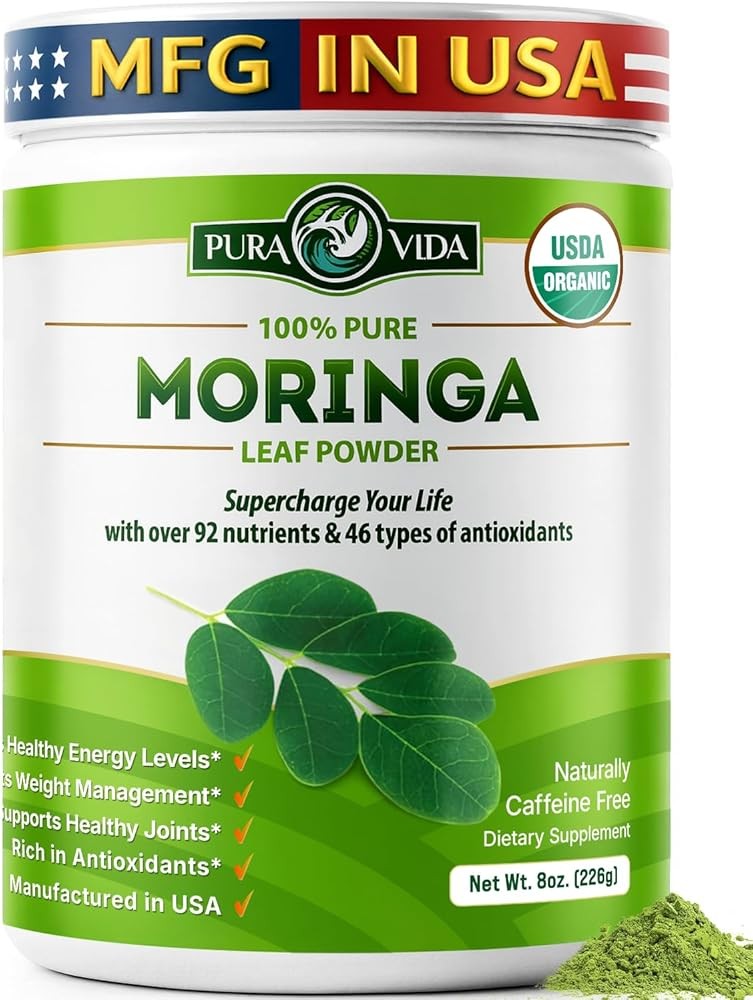
PURA VIDA Organic Moringa Leaf Powder
Check Price on AmazonAs an Amazon Associate we earn from qualifying purchases.
Organic moringa leaf powder is the closest food form to the raw leaf used throughout the research literature, and it is the most versatile: it can be added to smoothies, soups, or water. The product shown is certified organic, third-party tested for heavy metals and microbial contamination, and ground from whole leaf, which retains the fiber, protein, and the full compound mixture rather than a solvent-extracted fraction. One serving provides roughly 2 grams of leaf powder. For anyone wanting to explore moringa as a food, powder is the most honest starting point, because it is the least processed form available commercially. It is not a substitute for the concentrated alkaloid fraction used in the lung-cell experiments, and no one should expect it to behave like one.
Best Budget: Moringa Leaf Capsules
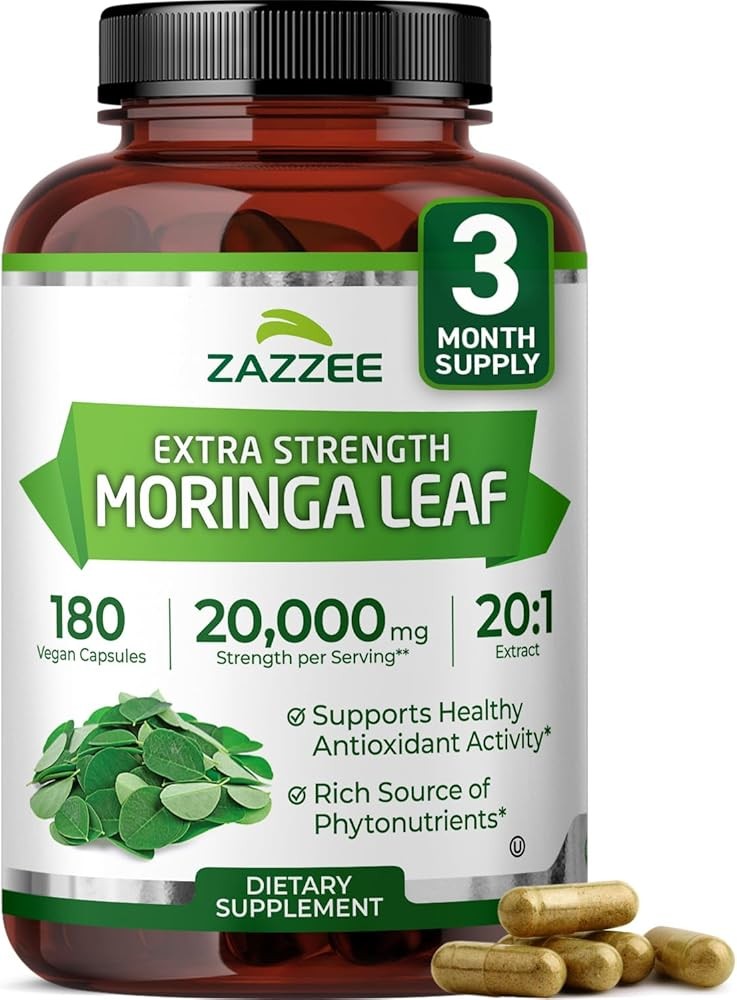
Zazzee USDA Organic Moringa Leaf 20:1 Extract, 180 Vegan Capsules
Check Price on AmazonAs an Amazon Associate we earn from qualifying purchases.
Capsules are the convenient, budget-friendly form of moringa, removing the taste barrier that stops many people from using powder consistently. The trade-off is transparency: with powder you can see and taste the product, while capsules require trust in the manufacturer’s sourcing and testing. The product shown is a USDA-certified organic 20:1 leaf extract in vegan capsules, which means it is more concentrated and more processed than whole leaf powder, not closer to the food form used in the research. Capsules are the right choice for someone who wants convenient dosing with zero preparation effort. As with powder, there is no evidence that capsules deliver any anticancer effect in humans, and the dosing convenience does not change the pharmacokinetic reality discussed above.
Best Capsule Option: B’LEAF Moringa Leaf Vegan Capsules
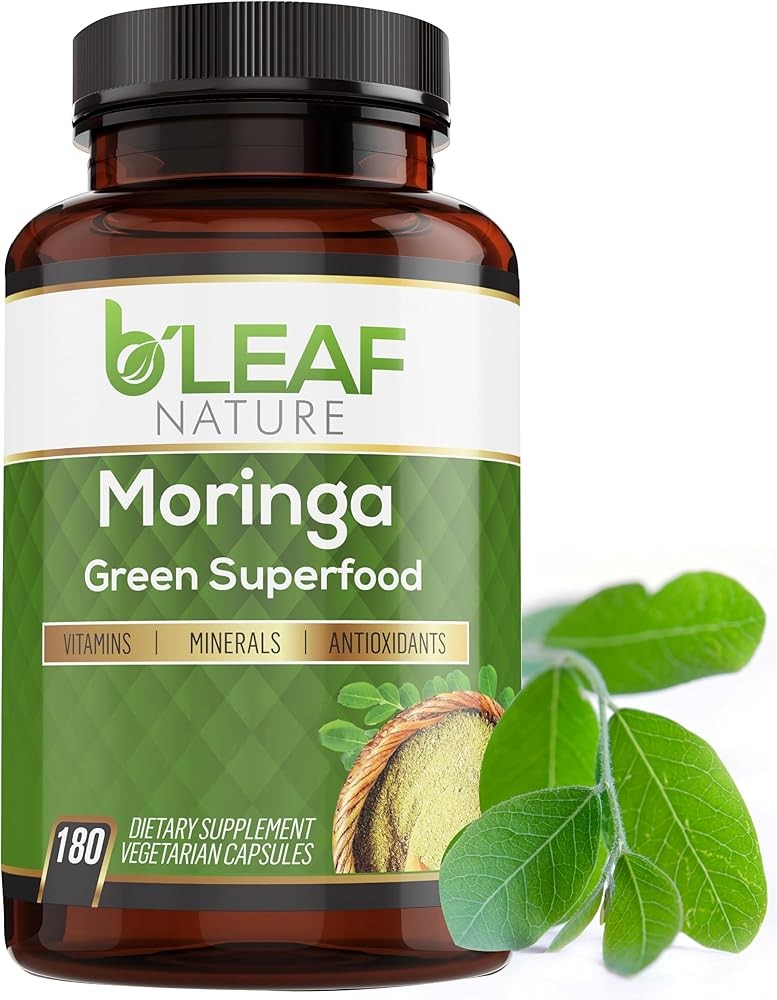
B'LEAF Nature Moringa Leaf Vegan Capsules
Check Price on AmazonAs an Amazon Associate we earn from qualifying purchases.
For those who prefer higher-potency capsules, B’LEAF Nature offers 1,000 mg vegan moringa capsules from whole leaf powder, with the same third-party testing and transparency requirements as any quality moringa product. The larger per-capsule dose reduces the number of capsules needed to reach the 2-4 gram daily intake used in food studies. As with all forms covered here, there is no human evidence of any anticancer effect — the value is in convenient, consistent leaf-powder intake.
Best for Tea Drinkers: Moringa Leaf Tea
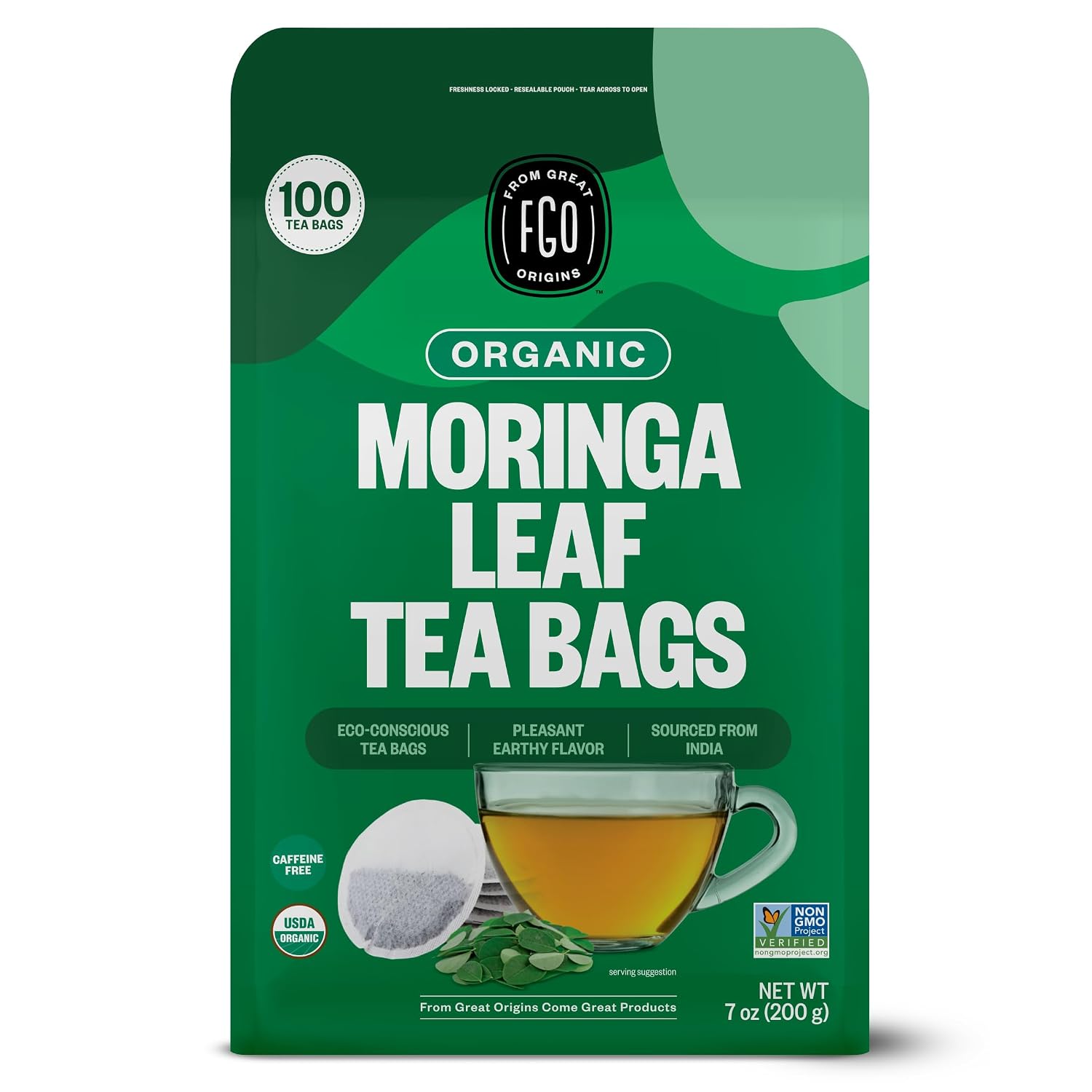
FGO Organic Moringa Tea
Check Price on AmazonAs an Amazon Associate we earn from qualifying purchases.
Moringa leaf tea and decoction are the traditional preparations, and they are the one home preparation that plausibly delivers the polysaccharide class behind the immune-system mouse study, because polysaccharides extract into hot water. The product shown is a single-ingredient tea made from whole dried organic moringa leaves, caffeine-free, with no added flavors or fillers, which preserves more of the leaf matrix than dust or fannings. Brewing time matters: a longer steep or a gentle simmer extracts more polysaccharide and phenolic material. Tea will not deliver meaningful isothiocyanate exposure, because drying and hot water reduce myrosinase activity, and it will not deliver the alkaloid fraction at all. As a daily beverage it is a pleasant way to consume moringa, with the same caveat that applies to every form: no human evidence of anticancer effect.
Best for Convenience: Moringa Powder Stick Packs
Single-serving stick packs of moringa powder are the convenience evolution of bulk powder, pre-measured for travel, office use, or anyone who wants portion control without a scoop. They use the same leaf powder as bulk containers, just pre-portioned. Stick packs cost more per gram than bulk powder, which is the price of convenience, but they remove the two biggest barriers to consistent use: measuring and carrying. For anyone who has decided to include moringa as a food, stick packs are the lowest-friction option. The caveats are identical to every other form: the research compounds are not delivered at laboratory concentrations, and no human evidence exists for any anticancer effect.
Moringa vs Common Preparation Forms: A Comparison
| Form | Isothiocyanates | Polysaccharides | Alkaloid fraction | Cost | Convenience |
|---|---|---|---|---|---|
| Fresh crushed raw leaf | High | Moderate | Low | Free if home-grown | Low |
| Cooked leaf | Low | Moderate | Low | Free if home-grown | Moderate |
| Dried leaf powder | Low-Moderate | Moderate | Low | Low | High |
| Leaf tea / decoction | Low | Moderate-High | Low | Low | High |
| Capsules | Low-Moderate | Moderate | Low | Moderate | Very high |
| Laboratory alkaloid extract | n/a | Low | High | n/a | n/a |
Bottom Line
Moringa oleifera is a plant with genuine laboratory activity against lung cancer cells and with one mechanistically interesting immune-system finding in a mouse lung tumor model. The A549 cell data, with a verified IC50 near 159 micrograms per milliliter for a concentrated alkaloid fraction and selectivity over a normal cell line, are the strongest direct evidence in the field. The polysaccharide finding, with its TLR4-mediated shift of tumor-associated macrophages from M2 to M1 and the resulting T-cell recruitment, is the most promising mechanism and the one most aligned with modern immuno-oncology thinking. Both findings deserve further research, including identification of the active molecules, proper pharmacokinetics, and ultimately clinical trials.
None of this is human evidence. There are no clinical trials, no case reports, and no human data of any kind connecting moringa to lung cancer outcomes. The concentrations that killed cells in the dish are unreachable through diet, the polysaccharide mechanism has a theoretical dietary reach but no human proof, and one animal study in a different cancer type raises a caution flag about combining moringa with chemotherapy. The claims that circulate online, that moringa shrinks lung tumors or offers a natural alternative to cancer care, are not supported by the literature at any level of evidence.
For anyone facing a lung nodule or a lung cancer diagnosis, the message is unchanged by this review: the biopsy, the imaging, and the oncology team are the only things that matter, and supplements should be discussed with that team, not substituted for it. The research value of moringa is real and worth pursuing. The marketing value of moringa should be treated with the skepticism that the evidence gap demands.
Related Reading
- Green Tea EGCG: Lab Studies Show Tumor Inhibition (Human Data Limited)
- Sulforaphane, Broccoli Sprouts, and Cancer: What the Research Found
- Turmeric, Curcumin, and Cancer: What Studies Actually Found
- Does Sugar Feed Cancer? What the Research Actually Shows
- Immune Support During Cancer Treatment: Safe Supplements
- Moringa Oleifera Benefits: Bone Healing and Red Moringa
References
- Alkaloid Extract of Moringa oleifera Lam. Exerts Antitumor Activity in Human Non-Small-Cell Lung Cancer via Modulation of Apoptosis and Cell Cycle. Evidence-Based Complementary and Alternative Medicine, 2021. PMID 34211571. https://pubmed.ncbi.nlm.nih.gov/34211571/
- Wang S, et al. Moringa oleifera leaf polysaccharides exert anti-lung cancer effects upon targeting TLR4 to reverse the tumor-associated macrophage phenotype and promote T-cell infiltration. Food & Function, 2023, 14, 4607-4620. PMID 37158366. https://pubmed.ncbi.nlm.nih.gov/37158366/
- Correction: Moringa oleifera leaf polysaccharides exert anti-lung cancer effects. Food & Function, 2023. PMID 37655684. https://pubmed.ncbi.nlm.nih.gov/37655684/
- The effect of Moringa oleifera leaf extracts against urethane-induced lung cancer in rat model. Environmental Science and Pollution Research, 2023. PMID 36567388. https://pubmed.ncbi.nlm.nih.gov/36567388/
- Moringa oleifera Gold Nanoparticles Modulate Oncogenes, Tumor Suppressor Genes, and Caspase-9 Splice Variants in A549 Cells. Journal of Cellular Biochemistry, 2016. PMID 26923760. https://pubmed.ncbi.nlm.nih.gov/26923760/
- Anticancer Potential of Moringa Oleifera in Lung Cancer: A Mini Review of In vitro and In vivo Evidence. Mini Reviews in Medicinal Chemistry, 2026. PMID 42136470. https://pubmed.ncbi.nlm.nih.gov/42136470/
- Green synthesis of gold nanoparticles via Moringa oleifera seed extract: antioxidant, antibacterial and anticarcinogenic evaluation. Journal of Environmental Sciences, 2024. PMID 38881214. https://pubmed.ncbi.nlm.nih.gov/38881214/
- Moringa oleifera mediated green synthesis of gold nanoparticles and their anti-cancer activity against A549 cell line. Frontiers in Chemistry, 2025. PMID 40109902. https://pubmed.ncbi.nlm.nih.gov/40109902/
- Unveiling promising phytocompounds from Moringa oleifera as dual inhibitors of EGFR(T790M/C797S) and VEGFR-2 in non-small cell lung cancer. Journal of Genetic Engineering and Biotechnology, 2024. PMID 39179328. https://pubmed.ncbi.nlm.nih.gov/39179328/
- Corrigendum to the EGFR/VEGFR-2 dual inhibitor study. Journal of Genetic Engineering and Biotechnology, 2025. PMID 40390505. https://pubmed.ncbi.nlm.nih.gov/40390505/
- Exploring the Therapeutic Potential of Moringa oleifera Against Lung Cancer Through Network Modeling and Molecular Docking. International Journal of Molecular Sciences, 2025. PMID 41155483. https://pubmed.ncbi.nlm.nih.gov/41155483/
Recommended Products