Longevity Habits You and Your Dog Should Be Doing Together
The relationship between humans and their dogs extends far beyond companionship into the realm of mutual health benefits. Research examining pet ownership demonstrates that dog owners consistently show better health markers than non-owners, including lower blood pressure, reduced cardiovascular disease risk, and increased physical activity levels. Meanwhile, dogs whose owners prioritize health and structured routines themselves receive more consistent care, regular exercise, and attention to their nutritional needs. This creates a unique opportunity where pursuing longevity becomes a shared endeavor, with habits and routines that simultaneously benefit both species.
Studies on the human-animal bond reveal biochemical changes during positive interactions between dogs and their owners. Both species experience increased oxytocin and reduced cortisol during activities like petting, playing, or simply relaxing together. These hormonal changes reduce stress, support immune function, and create positive feedback loops that encourage continued interaction and mutual care. The practical implications suggest that optimizing your health routine to include your dog maximizes benefits for both participants.
How Does Dog Ownership Affect Human Health and Longevity?
Research consistently demonstrates measurable health benefits associated with dog ownership. Studies examining cardiovascular outcomes show dog owners have significantly lower risk of heart disease compared to non-owners. The mechanisms likely involve multiple factors including increased physical activity from dog walking, social connections formed through dog ownership, stress reduction from companionship, and the structure and purpose that caring for a pet provides.
A body of research indicates dog owners walk more than non-owners even when controlling for other exercise habits. The commitment to regular dog walking creates consistent moderate physical activity regardless of weather, motivation, or schedule challenges that might otherwise interfere with exercise. This consistency matters significantly for health outcomes, as research shows regular moderate activity provides greater longevity benefits than sporadic intense exercise.
The social aspects of dog ownership contribute additional health benefits. Dog owners frequently interact with other dog owners during walks, at parks, and in neighborhoods. These social connections correlate with better mental health outcomes and reduced feelings of isolation, factors that research associates with longevity. For older adults particularly, dog ownership provides purpose, routine, and social engagement that research indicates supports both physical and cognitive health during aging.
The responsibility of caring for another living being creates structure and routine. Dog owners maintain more consistent daily schedules around feeding, walking, and care routines. This regularity supports circadian rhythm stability, meal timing consistency, and daily physical activity patterns that research suggests benefit metabolic health and aging outcomes.
Bottom line: Research examining dog ownership demonstrates measurable health benefits including increased physical activity, enhanced social connections, reduced stress markers, and improved cardiovascular health outcomes, suggesting dog ownership may contribute to human longevity through multiple complementary mechanisms.
Comparison: Best Longevity Supplements for Humans and Dogs
| Category | Best for Humans | Best for Dogs | Shared Benefits |
|---|---|---|---|
| Overall Longevity | Blueprint Longevity Mix | Nutramax Dasuquin (Large Dogs) | Multi-pathway aging support |
| Joint Health | 1MD Nutrition MoveMD | Yumove Hip & Joint | Glucosamine, chondroitin, inflammation reduction |
| Budget Option | OmegaXL Joint Support | Ultra Joint Liquid | Green lipped mussel, omega-3s |
| Premium Choice | Blueprint Essential Capsules | Yumove Premium Formula | Comprehensive nutrient support |
| Cognitive Support | Blueprint Antioxidant (Lutein/Zeaxanthin) | Omega-3 enriched formulas | Antioxidants, brain health |
| Value Pick | Glucosamine Chondroitin MSM | Dr. Joseph’s VetPro | Cost-effective joint support |
What Joint Health Strategies Benefit Both Species?
Joint degradation represents one of the most prevalent age-related conditions affecting both humans and dogs. Veterinary studies indicate that by age 8, the majority of dogs show evidence of osteoarthritis on radiographic examination. In humans, osteoarthritis prevalence increases steadily with age, becoming nearly universal in those over 65. The biochemical processes underlying cartilage breakdown share fundamental similarities across mammalian species, creating opportunities for parallel intervention strategies.
How Does Glucosamine Support Joint Health?
Glucosamine serves as a building block for glycosaminoglycans, key components of cartilage matrix. Research examining glucosamine supplementation demonstrates effectiveness in both human and veterinary populations. Studies indicate glucosamine may support cartilage health through multiple mechanisms including providing substrate for cartilage synthesis, modulating inflammatory pathways, and potentially reducing cartilage degradation.
For humans, research has examined various forms of glucosamine with glucosamine sulfate showing particular promise in clinical studies. Typical dosing protocols use 1,500mg daily, either as a single dose or divided throughout the day. Studies spanning multiple months to years demonstrate improvements in joint function scores and reduced progression of cartilage loss in some populations.
Veterinary research on glucosamine in dogs has produced a substantial evidence base. Formulations commonly combine glucosamine with chondroitin and sometimes additional compounds like ASU (avocado/soybean unsaponifiables) or MSM. Studies indicate improvements in mobility scores, reduced lameness, and better quality of life measures in dogs with osteoarthritis receiving these combination formulations.
The research suggests these compounds work through complementary mechanisms. Glucosamine provides substrate for cartilage synthesis and may possess anti-inflammatory properties. Chondroitin may inhibit enzymes that degrade cartilage and support water retention in cartilage tissue. ASU appears to modulate inflammatory pathways and may stimulate cartilage cell activity.
What Role Do Omega-3 Fatty Acids Play?
Omega-3 polyunsaturated fatty acids, particularly EPA (eicosapentaenoic acid) and DHA (docosahexaenoic acid), demonstrate anti-inflammatory effects relevant to joint health. Research indicates omega-3s modulate inflammatory pathways by competing with omega-6 fatty acids for enzymatic processing, reducing production of pro-inflammatory compounds while increasing anti-inflammatory mediators.
Studies in both human and veterinary populations show omega-3 supplementation reduces inflammatory markers and may improve joint function outcomes. For humans, research typically examines fish oil supplementation providing 1,000-3,000mg combined EPA/DHA daily. Studies show reduced joint pain scores and sometimes decreased need for anti-inflammatory medications in populations with rheumatoid arthritis and osteoarthritis.
Canine studies similarly demonstrate benefits from omega-3 supplementation. Research examining dogs with osteoarthritis shows improved mobility scores and reduced lameness with fish oil supplementation. The dosing for dogs typically scales with body weight, with most veterinary formulations providing appropriate ratios of EPA and DHA for canine physiology.
Green lipped mussel extract provides a particularly concentrated source of omega-3s plus additional glycosaminoglycans and other compounds. Studies on this marine source show bioavailability advantages and positive outcomes for joint health in both species. Products containing green lipped mussel have demonstrated benefits in clinical research examining both human and canine joint health.
How Does MSM Support Joint Function?
Methylsulfonylmethane (MSM) provides bioavailable sulfur, an element required for various connective tissue components. Research suggests MSM may reduce oxidative stress, modulate inflammatory pathways, and provide sulfur for synthesis of compounds like glucosamine and chondroitin sulfate.
Studies examining MSM supplementation in humans show improvements in joint function scores and reduced pain markers, particularly when combined with glucosamine and chondroitin. The combination appears more effective than individual components in many studies, suggesting synergistic effects.
Veterinary research on MSM in dogs has similarly shown positive outcomes. Many canine joint supplements include MSM as part of multi-ingredient formulations. Studies indicate good tolerability and contributions to overall joint health outcomes when combined with other joint-supporting compounds.
The compound appears well-tolerated across species at appropriate doses. For humans, studies typically use 1,500-3,000mg daily. Veterinary formulations adjust dosing based on body weight, with most canine joint supplements incorporating MSM at levels validated in veterinary research.
Bottom line: Research indicates glucosamine, chondroitin, omega-3 fatty acids, and MSM demonstrate joint health benefits across mammalian species through complementary mechanisms targeting cartilage support, inflammation reduction, and structural tissue maintenance, though species-specific formulations and dosing remain essential for safety and optimal outcomes.
How Does Regular Walking Benefit Both Species?
Walking represents the most accessible and mutually beneficial exercise for humans and their dogs. Research examining physical activity and health outcomes consistently identifies moderate daily walking as one of the most effective longevity interventions. For both species, regular walking provides cardiovascular benefits, supports metabolic health, maintains muscle mass and bone density, and offers cognitive stimulation through environmental exposure.
What Cardiovascular Benefits Does Walking Provide?
Studies on cardiovascular health demonstrate that regular moderate-intensity walking reduces blood pressure, improves lipid profiles, and enhances endothelial function in humans. Research indicates that accumulating 150 minutes of moderate-intensity activity weekly, easily achieved through daily 20-30 minute walks, significantly reduces cardiovascular disease risk and all-cause mortality.
For dogs, research shows similar cardiovascular benefits from regular walking. Studies examining canine health outcomes demonstrate that dogs receiving regular walks maintain better cardiovascular function, lower obesity rates, and improved metabolic markers compared to sedentary dogs. The intensity and duration require adjustment based on the dog’s size, age, and fitness level, but the principle of regular moderate activity holds across the species.
The act of dog walking provides humans with consistent physical activity that research shows exceeds what non-dog-owners typically achieve. Studies comparing activity levels between dog owners and non-owners demonstrate significantly higher step counts and more consistent exercise patterns among dog owners. This consistency likely contributes substantially to the health benefits associated with dog ownership.
How Does Walking Support Metabolic Health?
Regular walking influences multiple aspects of metabolic function. Research indicates walking improves insulin sensitivity, supports healthy blood glucose regulation, and contributes to weight management through both direct caloric expenditure and broader effects on metabolic regulation.
Studies show that breaking up prolonged sitting with short walks provides metabolic benefits beyond the caloric expenditure alone. For humans working sedentary jobs, walking the dog provides structured breaks from sitting that research suggests support better metabolic outcomes than continuous sitting even with equivalent total daily activity.
For dogs, regular walking helps address obesity risk, a significant health concern in companion animals that research links to reduced lifespan and increased disease risk. Studies indicate a substantial percentage of pet dogs qualify as overweight or obese, with sedentary lifestyle contributing significantly to this epidemic. Regular walking provides energy expenditure while also offering mental stimulation and environmental enrichment that may reduce behaviors associated with boredom and inactivity.
What Cognitive Benefits Does Walking Offer?
Walking provides cognitive benefits beyond the purely physical. Research on exercise and cognitive function demonstrates that regular moderate physical activity supports brain health through multiple mechanisms including improved cerebral blood flow, reduced inflammation, and potentially enhanced neuroplasticity.
For humans, studies show walking associates with better cognitive function in aging adults and may reduce risk of cognitive decline. The environmental exposure during walks provides additional cognitive stimulation through novel sights, sounds, and experiences that research suggests supports brain health.
Dogs similarly benefit cognitively from walks beyond the physical exercise. The environmental enrichment from exploring different routes, encountering other dogs and people, and experiencing varied sensory input provides mental stimulation that veterinary behavioral research indicates supports cognitive function, particularly important for senior dogs at risk for cognitive dysfunction syndrome.
Varying walking routes provides additional cognitive benefits for both species. Research on environmental enrichment suggests that novel experiences support cognitive function better than repetitive routines. Exploring new neighborhoods, parks, or trails creates learning opportunities and mental engagement for both human and canine participants.
Bottom line: Research demonstrates regular walking provides multifaceted health benefits across cardiovascular, metabolic, musculoskeletal, and cognitive systems in both humans and dogs, with the mutual commitment to daily walks creating consistent moderate activity that studies associate with significant longevity benefits.
How Does Training Support Cognitive Function?
Training and learning new skills provide cognitive engagement that research suggests supports brain health across mammalian species. For dogs, training sessions require attention, memory, problem-solving, and behavioral control that studies indicate support cognitive function and may reduce risk of age-related cognitive decline. For humans, teaching skills to dogs requires planning, pattern recognition, timing precision, and problem-solving that similarly engage cognitive processes.
What Cognitive Processes Does Training Engage?
Dog training involves complex cognitive tasks for both participants. The dog must attend to cues, remember associations between signals and behaviors, inhibit unwanted responses, and problem-solve to achieve desired outcomes. Research on canine cognition demonstrates sophisticated cognitive capabilities including memory, social learning, and executive function that training sessions exercise and develop.
For the human trainer, teaching requires analyzing behavior, identifying reinforcement contingencies, timing rewards precisely, recognizing patterns, and adapting strategies based on the dog’s responses. These cognitive demands engage executive function, working memory, attention, and problem-solving capacities that research suggests benefit from regular practice.
Studies on cognitive engagement and aging indicate that learning new skills and engaging in cognitively demanding activities support brain health and may reduce cognitive decline risk. The mutual engagement in training sessions provides structured cognitive exercise for both species simultaneously.
How Often Should You Practice Training?
Research on learning and memory suggests that distributed practice (multiple short sessions) produces better outcomes than massed practice (long intensive sessions). For dogs, training sessions of 5-15 minutes several times daily appear optimal for learning while maintaining engagement and avoiding fatigue.
This schedule conveniently aligns with human cognitive engagement benefits. Brief focused cognitive tasks distributed throughout the day may provide cognitive stimulation without the fatigue or reduced effectiveness associated with prolonged sessions. Building multiple short training sessions into daily routines creates regular cognitive engagement for both participants.
The variety in training objectives matters as well. Research on cognitive stimulation suggests that learning diverse skills provides broader cognitive benefits than repetitive practice of already-mastered tasks. Progressing through different commands, tricks, and skills creates ongoing learning challenges that support cognitive function.
What Types of Training Provide the Most Benefit?
Basic obedience training provides foundational cognitive engagement. Commands like sit, stay, come, and heel require attention, impulse control, and memory from dogs while demanding observation, timing, and consistency from handlers. These fundamentals create the basis for more advanced training.
Trick training offers additional cognitive complexity. Teaching dogs to perform tricks like rolling over, playing dead, backing up, or weaving through legs requires more complex motor planning and sequencing from dogs while challenging humans to break down complex behaviors into trainable components.
Scent work engages dogs’ natural olfactory capabilities while providing cognitively demanding search tasks. Research on canine olfaction demonstrates remarkable discriminatory capabilities that scent work exploits. For humans, setting up scent work exercises requires problem-solving and creativity while observing the dog’s search provides practice in reading behavioral cues.
Bottom line: Research on cognitive engagement and learning indicates that training sessions provide structured cognitive exercise for both dogs and their handlers through attention, memory, problem-solving, and skill acquisition processes that studies suggest support brain health and may contribute to cognitive resilience during aging.
How Does Social Interaction Support Longevity?
Social connection and engagement represent consistently validated factors in human longevity research. Studies examining social isolation versus social integration demonstrate significant mortality differences, with socially isolated individuals showing substantially higher all-cause mortality risk. Dog ownership facilitates social interaction through multiple pathways that research suggests contribute to the longevity benefits associated with pet ownership.
How Do Dogs Facilitate Human Social Connections?
Research examining social interactions demonstrates that dog owners engage in more conversations with strangers than non-dog-owners. Walking a dog provides socially acceptable opportunities for interaction, conversation starters through the shared interest in dogs, and repeated encounters with other dog owners that may develop into friendships.
These interactions matter for health outcomes. Studies indicate that even brief positive social interactions contribute to wellbeing measures and may reduce feelings of loneliness. For older adults or those with limited social networks, the social facilitation provided by dog ownership may offer particularly valuable benefits.
Dog parks, training classes, and other dog-related activities create structured opportunities for social interaction around a shared interest. Research on social connection suggests that activity-based social engagement often feels more comfortable than purely social situations for many individuals, making dog-related activities accessible entry points for social connection.
What Role Does Purpose and Responsibility Play?
Caring for a dog provides daily purpose and responsibility. Research examining purpose in life demonstrates associations with longevity, with individuals reporting greater sense of purpose showing reduced mortality risk. The daily needs of a dog create non-negotiable responsibilities for feeding, walking, and care that provide structure and purpose regardless of the owner’s emotional state or external circumstances.
For older adults particularly, research suggests this purpose and responsibility may contribute significantly to wellbeing and health outcomes. Studies examining pet ownership in aging populations show associations with better mental health markers, reduced feelings of loneliness, and maintained daily activity patterns that might otherwise decline.
The caregiving relationship also provides emotional benefits. Research on the human-animal bond demonstrates that caring for pets activates reward pathways in the brain and creates feelings of being needed and valued that contribute to psychological wellbeing.
How Does Companionship Reduce Stress?
The presence of a companion animal affects stress response systems. Research measuring physiological stress markers demonstrates that interacting with dogs reduces cortisol and increases oxytocin in humans. Studies show that dog owners display lower cardiovascular reactivity to stress and faster recovery from stressful events compared to non-owners.
These stress-buffering effects occur through multiple mechanisms. The simple presence of a dog may reduce feelings of aloneness and provide comfort during stressful periods. The act of petting or playing with a dog engages tactile and emotional systems that research suggests activate stress-reducing pathways. The requirement to care for the dog may also provide perspective during stressful periods, redirecting attention from stressors to immediate caregiving needs.
Interestingly, research shows dogs also experience stress reduction from interaction with their owners. Studies measuring canine cortisol and oxytocin demonstrate that positive interactions with bonded humans produce similar stress-reducing hormonal changes in dogs as they do in humans, suggesting these benefits operate bidirectionally within the human-dog bond.
Bottom line: Research indicates social connection significantly influences longevity outcomes in humans, with dog ownership facilitating social interaction, providing purpose and structure, and offering companionship that studies show reduces stress markers and supports mental health across lifespan.
What Nutritional Strategies Support Healthy Aging in Both Species?
Nutritional quality fundamentally influences aging trajectories. Research examining dietary patterns and longevity demonstrates that food quality, nutrient density, and specific dietary components affect healthspan and lifespan across species. While specific nutritional requirements differ between humans and dogs, certain principles apply across both species.
How Important Is Protein Quality and Quantity?
Protein intake becomes increasingly critical during aging as muscle protein synthesis efficiency declines in both species. Research in aging humans indicates protein requirements increase compared to younger adults, with current evidence suggesting approximately 1.2-1.6g/kg body weight daily for older adults to maintain muscle mass and function.
For dogs, protein requirements similarly remain high into senior years despite older recommendations that suggested reducing protein for aging dogs. Current veterinary nutritional research indicates that aging dogs maintain or even increase protein requirements to preserve muscle mass and support immune function. High-quality, highly digestible protein sources appear particularly important for senior dogs.
Both species benefit from proteins rich in leucine and other branched-chain amino acids that stimulate muscle protein synthesis. Research demonstrates dose-response relationships between leucine intake and muscle protein synthesis activation. For humans, achieving approximately 2-3 grams of leucine per meal appears optimal for maximizing muscle protein synthesis. Dogs require similar attention to amino acid profiles in their protein sources.
The protein quality matters as much as quantity. Research indicates that highly digestible proteins with complete amino acid profiles support muscle maintenance better than lower-quality protein sources even at higher total protein intakes. For humans, this suggests emphasizing complete protein sources. For dogs, this supports choosing high-quality commercial foods or carefully formulated homemade diets providing appropriate amino acid profiles.
What Role Do Anti-Inflammatory Dietary Patterns Play?
Chronic low-grade inflammation, often termed “inflammaging,” appears as a consistent feature of aging across species. Research demonstrates elevated inflammatory markers associate with numerous age-related conditions and reduced longevity. Dietary patterns influencing inflammatory status may therefore affect aging outcomes.
For humans, research on dietary patterns like the Mediterranean diet shows associations between anti-inflammatory eating patterns and reduced disease risk plus improved longevity markers. These patterns typically emphasize vegetables, fruits, whole grains, fish, olive oil, and nuts while minimizing processed foods, refined sugars, and excessive omega-6 fatty acids.
Canine nutrition research similarly identifies inflammatory influences of diet. Studies examining different commercial dog foods demonstrate varying effects on inflammatory markers. Foods emphasizing whole ingredients, appropriate omega-3 to omega-6 ratios, and avoiding common allergens tend to produce lower inflammatory markers in research studies.
The omega-3 to omega-6 ratio deserves particular attention in both species. Research indicates that the modern diet in both humans and dogs tends heavily toward omega-6 fatty acids, which can promote inflammatory pathways. Increasing omega-3 intake through fatty fish (for humans) or fish oil supplementation (for both species) helps balance this ratio and may reduce inflammatory markers.
How Does Meal Timing Affect Health Outcomes?
Emerging research on time-restricted eating suggests meal timing may influence health outcomes beyond the composition and quantity of food consumed. Studies examining compressed eating windows in humans show metabolic benefits even without caloric restriction, with research suggesting 12-16 hour overnight fasting periods may support metabolic health through effects on circadian rhythm and cellular repair processes.
For dogs, traditional feeding schedules naturally create fasting periods. Most adult dogs eat twice daily, creating 10-12 hour fasting periods between meals. Research examining feeding frequency in dogs suggests that twice-daily feeding supports digestive health and may help maintain healthy weight better than free-feeding or very frequent small meals.
The alignment between human time-restricted eating patterns and canine feeding schedules creates natural synchronization. Feeding the dog breakfast and dinner while limiting your own eating to similar windows establishes consistent meal timing patterns for both species that research suggests may support metabolic health.
What About Portion Control and Obesity Prevention?
Caloric excess and obesity represent significant health risks in both species. Research clearly demonstrates that obesity reduces lifespan and increases disease risk across mammalian species. For dogs, studies show obesity significantly reduces life expectancy, with some research indicating overweight dogs live nearly two years less than lean dogs of the same breed.
In humans, research on caloric restriction demonstrates potential longevity benefits, though practical adherence remains challenging. Moderate caloric restriction (20-30% reduction while maintaining nutrition) extends lifespan in numerous animal models and produces beneficial metabolic changes in humans. Simply avoiding obesity may capture much of the benefit without requiring the adherence challenges of significant caloric restriction.
For both species, avoiding obesity appears more effective than attempting weight loss after obesity develops. Research shows that maintaining healthy weight throughout life produces better health outcomes than weight cycling or periods of obesity followed by weight loss.
Portion control represents the fundamental approach for both species. For humans, research suggests that portion awareness, mindful eating, and avoiding highly processed hyper-palatable foods support healthy weight maintenance. For dogs, measured feeding portions based on body weight and activity level, rather than free-feeding, provides the structure needed to avoid obesity.
Bottom line: Research indicates nutritional quality significantly influences aging outcomes in both humans and dogs, with adequate high-quality protein, anti-inflammatory dietary patterns, appropriate meal timing, and portion control supporting healthy aging across both species, though specific implementation requires species-appropriate approaches.
How Does Sleep Quality Influence Aging for Both Species?
Sleep architecture and quality change with age across mammalian species. Research demonstrates that sleep quality correlates with cognitive function, metabolic health, immune function, and longevity outcomes. Understanding sleep needs for both species and creating environments supporting quality sleep may contribute to healthy aging for both humans and their dogs.
What Are Optimal Sleep Durations?
For humans, research consistently identifies 7-9 hours of sleep per night as optimal for health outcomes. Studies examining sleep duration and mortality show a U-shaped relationship, with both insufficient sleep (less than 6-7 hours) and excessive sleep (more than 9-10 hours) associating with increased mortality risk. The quality of sleep matters as much as duration, with deep sleep stages appearing particularly important for health outcomes.
Dogs require substantially more sleep than humans, with adult dogs typically sleeping 12-14 hours per day and senior dogs often sleeping 16-18 hours. This increased sleep need reflects different activity patterns and metabolic demands compared to humans. Puppies and very senior dogs require even more sleep for growth/development and recovery respectively.
The distribution of sleep differs between species as well. Humans typically consolidate sleep into a single nighttime period (monophasic sleep). Dogs naturally sleep polyphasically, with a longer nighttime sleep period plus multiple daytime naps. Research on canine sleep patterns suggests this polyphasic pattern represents normal healthy sleep for dogs.
How Can You Support Quality Sleep for Both Species?
Creating consistent sleep schedules supports circadian rhythm stability in both species. Research on sleep and circadian health demonstrates that regular sleep-wake times support better sleep quality than irregular schedules. For humans living with dogs, the dog’s needs for morning bathroom breaks and feeding create natural wake time consistency that research suggests benefits circadian health.
The sleep environment matters significantly. Research on human sleep quality identifies several key factors including darkness, appropriate temperature, comfortable sleeping surface, and minimal noise disruption. Many of these factors apply to canine sleep as well, though dogs may prefer different sleeping locations and surfaces than humans.
Some dogs sleep in their owners’ bedrooms or even beds, while others sleep in separate areas. Research examining this question shows mixed results, with some studies suggesting dogs in bedrooms disrupt human sleep while other research indicates many people sleep better with their dog present. Individual preferences and the specific dog’s sleep behaviors likely determine the optimal arrangement for each household.
Exercise timing influences sleep quality in both species. Research indicates that regular physical activity supports better sleep quality, but exercise too close to bedtime may interfere with sleep onset. The twice-daily walking schedule beneficial for other reasons conveniently provides morning and early evening exercise that research suggests optimally supports sleep quality.
What Sleep Disruptions Require Attention?
Age-related sleep changes occur in both species and may indicate underlying health issues requiring attention. For humans, increased sleep fragmentation, reduced deep sleep, and changes in circadian rhythm represent normal aging changes, but severe sleep disruption or sleep disorders warrant medical evaluation.
Dogs similarly experience age-related sleep changes. Senior dogs often sleep more but may experience more restless sleep, nighttime waking, or changes in sleep-wake cycles. Veterinary research on canine cognitive dysfunction syndrome identifies sleep disruption as one potential early sign, along with disorientation, altered social interactions, and house soiling.
Sleep apnea affects both species and requires attention. In humans, sleep apnea significantly impacts health outcomes and requires medical intervention. Some dog breeds, particularly brachycephalic breeds with shortened airways, experience similar breathing difficulties during sleep that may require veterinary attention.
Can Supplements Support Sleep Quality?
Melatonin supplementation shows research support for sleep regulation in both species. Studies examining melatonin in humans demonstrate benefits for certain sleep disorders and circadian rhythm disruptions. Melatonin also possesses antioxidant properties that research suggests may provide benefits beyond sleep regulation.
Veterinary research on melatonin in dogs similarly shows sleep-promoting effects and good safety profiles at appropriate doses. Some veterinarians recommend melatonin for dogs with anxiety-related sleep disturbances or age-related sleep-wake cycle changes.
Magnesium may support sleep quality through effects on neurotransmitter systems and muscle relaxation. Research in humans shows associations between magnesium status and sleep quality, with some studies indicating supplementation benefits for certain populations. Magnesium also appears in some veterinary supplements, though research on sleep-specific effects in dogs remains limited.
Bottom line: Research indicates sleep quality significantly influences health outcomes across mammalian species, with consistent sleep schedules, appropriate duration, supportive sleep environments, and attention to sleep disruptions supporting healthy aging in both humans and their canine companions.
How Can You Build a Complete Longevity Support System?
Integrating multiple evidence-based interventions creates synergistic benefits that research suggests exceed the sum of individual components. Building a comprehensive approach addressing exercise, nutrition, supplementation, sleep, cognitive engagement, and social connection for both yourself and your dog maximizes the probability of healthy aging for both participants.
What Does an Ideal Daily Routine Look Like?
A science-backed daily routine supporting longevity for both species might include the following elements structured around mutual participation where possible:
Morning (6:30-8:30 AM):
- Synchronized wake time supporting circadian rhythm stability for both species
- 20-30 minute morning walk providing moderate exercise, bathroom break for dog, environmental exposure for both
- Breakfast emphasizing protein and anti-inflammatory foods: for humans, this might include eggs, vegetables, and berries; for dogs, their regular high-quality food measured for appropriate portions
- Supplements with morning meal: human takes multivitamin and omega-3, dog receives joint supplement mixed with food
- Brief training session (5-10 minutes) providing cognitive engagement for both while food digests
Midday (12:00-1:00 PM):
- Lunch for human (if eating schedule permits), possibly second feeding for puppies or some adult dogs
- Short walk or play session if schedule allows, particularly valuable for breaking up prolonged sitting for humans
- Mental enrichment activity for dog if home alone (puzzle toy, frozen Kong, etc.)
Afternoon (3:00-5:00 PM):
- Second training session if possible, or active play
- For humans working from home, this provides productive break from work
- For dogs, this avoids long afternoon stretches without engagement
Evening (6:00-8:00 PM):
- Second substantial walk (20-30 minutes minimum) providing exercise, bathroom break, environmental exposure
- Dinner for both species with appropriate portions and nutrient profiles
- Social interaction and relaxation time: this might include gentle play, petting/bonding time, or simply relaxing together
- Evening supplements if using multi-dose protocols
Night (9:00-10:30 PM):
- Final bathroom break for dog (brief walk or yard access)
- Wind-down routine supporting sleep preparation for both: dimming lights, reducing stimulation, establishing pre-sleep rituals
- Consistent bedtime supporting 7-9 hours for human, beginning longest sleep period for dog
This framework provides structure while remaining adaptable to individual schedules, needs, and preferences. The key elements include twice-daily substantial walks, multiple brief training/enrichment sessions, appropriate feeding schedules, and consistent sleep-wake timing.
Complete Human Longevity Supplement Protocol

For comprehensive human longevity support based on research examining aging interventions:
Foundation - Blueprint Essential Capsules: This provides broad-spectrum micronutrient support including vitamins, minerals, and antioxidants addressing potential nutritional gaps that research associates with accelerated aging. Take with morning meal for optimal absorption of fat-soluble vitamins.
Muscle and Recovery - Blueprint Longevity Mix: Contains creatine, magnesium, glutathione, L-theanine, and other compounds research links to muscle maintenance, recovery, and cognitive function. Particularly valuable for individuals over 40 when muscle loss accelerates. Can be taken post-workout or with breakfast.
Brain and Vision - Blueprint Advanced Antioxidant: Delivers targeted compounds including lutein, zeaxanthin, lycopene, and vitamins K1 and K2 for cognitive and visual health. Research identifies these areas as particular aging vulnerabilities. Take with meal containing healthy fats for optimal carotenoid absorption.
Joint Health - 1MD MoveMD: Provides research-backed joint support through collagen, astaxanthin, and other compounds targeting cartilage health and inflammation reduction. Take with morning or evening meal for consistent daily dosing.
Alternative Joint Support - Glucosamine Chondroitin MSM: For those preferring traditional glucosamine-based formulas, this provides the three most-researched joint supplements in appropriate ratios. Take with meals to optimize absorption and minimize any minor gastrointestinal effects.
Complete Canine Longevity Supplement Protocol
/>For comprehensive canine longevity support based on veterinary research:
Foundation for Large Dogs - Nutramax Dasuquin: The most extensively researched canine joint supplement, combining glucosamine, chondroitin, and ASU (avocado/soybean unsaponifiables). Veterinary studies demonstrate improvements in mobility and quality of life measures in dogs with osteoarthritis. The 84-count package provides nearly three months of support for large dogs. Give with food to optimize absorption.
Foundation for Small/Medium Dogs - Nutramax Dasuquin (Small/Medium Formula): Same research-backed formula in appropriate dosing for smaller dogs. The 84-count provides longer duration for small dogs given lower daily dose requirements.
Premium Option - Yumove Hip & Joint: Adds omega-3s from green lipped mussel, hyaluronic acid, and additional antioxidants to the glucosamine/chondroitin base. Research on green lipped mussel shows bioavailability advantages and anti-inflammatory properties beyond standard omega-3 sources. The 240-count provides four months of support for most dogs.
Budget-Friendly - Ultra Joint Liquid: Liquid formulation may offer advantages for dogs refusing chewable tablets or owners preferring to mix supplements with food. Contains glucosamine and chondroitin in liquid form for easy administration.
Value Option - Dr. Joseph’s VetPro: Veterinary-formulated supplement providing glucosamine, chondroitin, and additional joint-supporting compounds in chicken-flavored chews that research indicates most dogs readily accept. The 120-count provides two to four months depending on dog size.
Additional Considerations for Canine Supplementation:
Omega-3 Fish Oil: If not included in joint formula, consider separate fish oil supplementation for cognitive support and additional anti-inflammatory benefits. Look for veterinary-specific formulations providing appropriate EPA/DHA ratios for dogs.
Probiotics: Research on the microbiome-gut-brain axis suggests benefits for digestive health, immune function, and potentially cognitive health. Choose veterinary-specific formulations with strains validated in canine research.
Antioxidants: For senior dogs, veterinary antioxidant formulations may support cognitive function and overall health through reducing oxidative stress that research shows accumulates during aging.
Monitoring and Adjusting Your Approach
Both human and canine health require ongoing monitoring to assess whether interventions produce desired effects and to identify emerging concerns warranting attention.
For Humans:
- Track basic metrics including weight, blood pressure, resting heart rate
- Monitor functional capabilities like strength, endurance, flexibility, balance
- Assess subjective measures including energy levels, sleep quality, mood, cognitive sharpness
- Annual bloodwork to identify nutrient deficiencies or emerging health concerns
- Periodic cardiovascular and metabolic screening per medical guidelines
- Joint function and pain levels if experiencing musculoskeletal concerns
For Dogs:
- Monitor weight weekly or biweekly, adjusting portions to maintain ideal body condition
- Assess mobility including ease of rising, stair climbing, jump ability, gait quality
- Watch for changes in energy, appetite, water consumption, elimination patterns
- Note cognitive function including recognition, response to commands, sleep-wake patterns, anxiety or confusion
- Annual veterinary checkups with bloodwork for senior dogs
- Dental health monitoring given research linking oral health to systemic health
Regular assessment allows early identification of changes and timely intervention. Research shows early intervention for many age-related conditions produces better outcomes than waiting until problems become severe.
Bottom line: Research indicates multi-modal interventions combining exercise, nutrition, targeted supplementation, sleep optimization, cognitive engagement, and social connection provide the strongest foundation for healthy aging, with coordinated approaches allowing humans and their dogs to support each other’s longevity journey through shared routines and mutual accountability.
Related Articles
For more information on supporting both your health and your dog’s wellbeing, explore these related topics:
- Best Dog Supplements for Hip and Joint Health - Comprehensive guide to canine joint support options
- Best Dog Food for Senior Dogs with Arthritis - Nutritional strategies for aging dogs with joint concerns
- Best Fish Oil Supplements for Dogs Coat and Skin Health - Omega-3 benefits for canine health beyond joints
- Best Probiotic Supplements for Dogs with Digestive Issues - Gut health support for canine companions
- Astaxanthin for Canine Eye Health - Antioxidant support for senior dogs’ vision
- Best Calming Supplements for Dogs with Separation Anxiety - Stress reduction supporting both behavior and health
- Sauna for Muscle Recovery - Heat therapy benefits for human recovery and longevity
Key Takeaways for Shared Longevity
The science examining health and longevity increasingly reveals opportunities for humans and their dogs to support each other’s aging journey. Research on dog ownership demonstrates measurable health benefits including increased physical activity, enhanced social connections, reduced stress markers, and improved cardiovascular outcomes. Meanwhile, dogs whose owners prioritize structured health routines benefit from more consistent exercise, better nutritional management, and greater attention to ongoing care.
The biological similarities between mammalian species mean many interventions validated in human research show applicability to canine health and vice versa. Joint supplements containing glucosamine, chondroitin, and omega-3s benefit both species through similar mechanisms. Regular moderate exercise provides cardiovascular, metabolic, and cognitive benefits across species. Quality sleep, stress management, and social engagement support health outcomes for both humans and dogs.
The practical implications empower dog owners to approach longevity as a partnership. The daily walks benefiting your cardiovascular system simultaneously support your dog’s joint health and weight management. The training sessions providing cognitive engagement for your dog require problem-solving and attention from you as well. The routine and purpose that caring for your dog provides contributes to psychological wellbeing research associates with longevity.
Several principles emerge from research as foundational for both species:
Movement matters: Regular moderate physical activity provides benefits across multiple physiological systems. The commitment inherent in dog ownership facilitates consistent activity regardless of motivation or weather.
Nutrition quality counts: Whole-food approaches, adequate protein, anti-inflammatory dietary patterns, and portion control support healthy aging across species, though specific implementation differs between humans and dogs.
Cognitive engagement supports brain health: Learning, problem-solving, and novel experiences benefit cognitive function. Training sessions and varied environmental exposure during walks provide structured cognitive exercise for both participants.
Social connection influences health outcomes: Research clearly demonstrates that social isolation increases mortality risk in humans. Dog ownership facilitates social interaction while providing companionship that studies show reduces stress and supports mental health.
Sleep quality affects aging: Both species require appropriate sleep duration and quality. Consistent sleep schedules and attention to sleep environment support optimal outcomes.
Stress management matters: Chronic stress accelerates aging markers. The companionship, routine, and purpose associated with dog ownership research suggests may buffer against stress effects.
Targeted supplementation can address specific needs: While diet-first approaches remain foundational, research supports specific supplements for joint health, cognitive support, and addressing age-related changes in both species.
The field of longevity science continues evolving rapidly, with ongoing research exploring interventions like NAD+ precursors, senolytic compounds, and deeper understanding of the microbiome’s role in aging. As this science progresses, the fundamental principles remain consistent: regular movement, quality nutrition, cognitive engagement, social connection, stress management, and quality sleep form the foundation of healthy aging across mammalian species.
Your relationship with your dog provides unique advantages for implementing these evidence-based strategies. The mutual accountability, shared activities, and emotional bond create natural structure for healthy habits while enriching both lives. Research demonstrates that dog owners walk more, engage socially more, and report less loneliness than non-owners. These benefits extend beyond the purely biological to encompass psychological and social dimensions of wellbeing equally important for longevity.
Approaching longevity as a shared journey with your canine companion leverages these advantages. Your commitment to your dog’s health naturally supports your own health through shared exercise, structured routines, and purposeful care. Meanwhile, your dog benefits from the attention, consistency, and informed care that health-conscious owners provide. The research is clear: the habits supporting your longevity often support your dog’s as well, creating opportunity for both participants to enjoy longer, healthier lives together.
Frequently Asked Questions
Additional Resources
For more information on the research behind these recommendations, explore:
- National Institutes of Health - National Institute on Aging: Research on aging processes and interventions in humans
- American Veterinary Medical Association: Guidelines on canine nutrition, supplementation, and health
- PubMed: Database of peer-reviewed research on longevity, exercise, nutrition, and aging across species
- Veterinary research journals including Journal of Veterinary Internal Medicine and Veterinary Journal for canine-specific studies
Scientific References
This article draws from peer-reviewed research examining longevity, dog ownership health benefits, and shared human-canine health strategies:
Human-Animal Interaction Effects - Quantitative and qualitative analysis showing health benefits. PMID: 41572201
Caring with Companion Animals - Qualitative exploration of how companion animals influence human health and wellbeing. PMID: 41725060
Frailty and Mortality in Dogs - Study examining frailty markers and mortality risk in dogs with extreme longevity. PMID: 39765555
Curcumin, Glucosamine, and Chondroitin Supplement - Research on nutritional supplement effectiveness for joint health. PMID: 40431555
Dog Contact and Cancer Patient Survival - Research showing improved survival outcomes in cancer patients with dog contact. PMID: 41703109
Nutrition Research in Aging Dogs and Cats - Review of nutritional strategies for senior companion animals. PMID: 41751031
Human-Animal Bond in Older Veterans - Research on companion dog benefits for aging veterans over two years. PMID: 41722281
Active Dog Breeds and Physical Activity - Study on how active dog breeds influence human physical activity levels. PMID: 41204234
Frailty and Aging Across Species - Comparative research on frailty markers relevant to both human and canine aging. PMID: 40671157
**Pet Ownership and Psychological Health - Baltimore Longitudinal Study examining pet attachment effects on health outcomes. PMID: 41440727
These peer-reviewed studies provide scientific foundation for shared human-canine longevity strategies. Additional research on specific topics (cardiovascular health, sleep, nutrition, cognitive function) informs the recommendations throughout this article, with the growing body of veterinary and human health research increasingly revealing parallel mechanisms and benefits across mammalian species.
The research papers summarized in this article represent current scientific understanding of longevity factors affecting both humans and dogs. CHNut summarizes published research for informational purposes. Individual health decisions should involve consultation with qualified healthcare providers for humans and licensed veterinarians for dogs. Product selection should consider individual health status, current medications, and specific needs of both species.
How Can Age-Appropriate Modifications Support Both Species?
As both humans and dogs age, appropriate modifications to exercise, nutrition, and supplementation ensure continued benefit without excessive strain or risk. Research on aging across species demonstrates that the principles of longevity support remain consistent, but implementation requires adjustment for changing capabilities and needs.
For exercise, intensity and duration modifications become necessary as both species age. While a middle-aged adult and their young adult dog might enjoy vigorous 45-minute runs, an older adult and senior dog benefit more from longer but gentler walks. Research shows moderate-intensity activity provides substantial health benefits without the injury risk or recovery demands of high-intensity exercise in aging populations.
Joint health considerations increase with age for both species. The supplements discussed earlier become increasingly relevant as joint changes accumulate. Starting joint support supplementation before problems become severe may provide better outcomes than waiting until significant deterioration occurs, though research continues examining optimal timing for preventive supplementation.
Cognitive engagement strategies also benefit from age-appropriate modification. Senior dogs may struggle with complex new tricks but can enjoy gentler training focusing on relationship and engagement. Similarly, learning new skills remains beneficial for aging humans, though the specific activities might shift toward gentler, more accessible options.
Nutrition adjustments support changing metabolic needs in both species. Research suggests protein requirements may increase during aging to maintain muscle mass against less efficient protein synthesis. Simultaneously, total caloric needs often decrease as metabolism slows and activity reduces. This combination requires attention to nutrient density, emphasizing high-quality proteins and nutrient-rich foods while controlling portions to avoid excess calories.
Sleep needs change with age as well. Senior dogs often sleep even more than younger adult dogs, sometimes 18-20 hours daily. For aging humans, while total sleep need may not increase substantially, sleep quality often declines, making sleep hygiene practices increasingly important. Creating quiet, comfortable sleep environments benefits both species.
Regular veterinary and medical monitoring becomes increasingly important as aging progresses. Early detection of age-related conditions allows intervention before problems become severe. For dogs, semi-annual veterinary visits for seniors support proactive health management. For humans, following recommended screening guidelines supports similar goals of early problem identification and intervention.
Bottom line: Research on aging indicates that while the fundamental principles of healthy aging remain consistent across lifespan, implementation requires age-appropriate modifications to exercise intensity, nutritional composition, cognitive engagement difficulty, and monitoring frequency to support optimal health outcomes in both aging humans and their senior canine companions.
Recommended Products
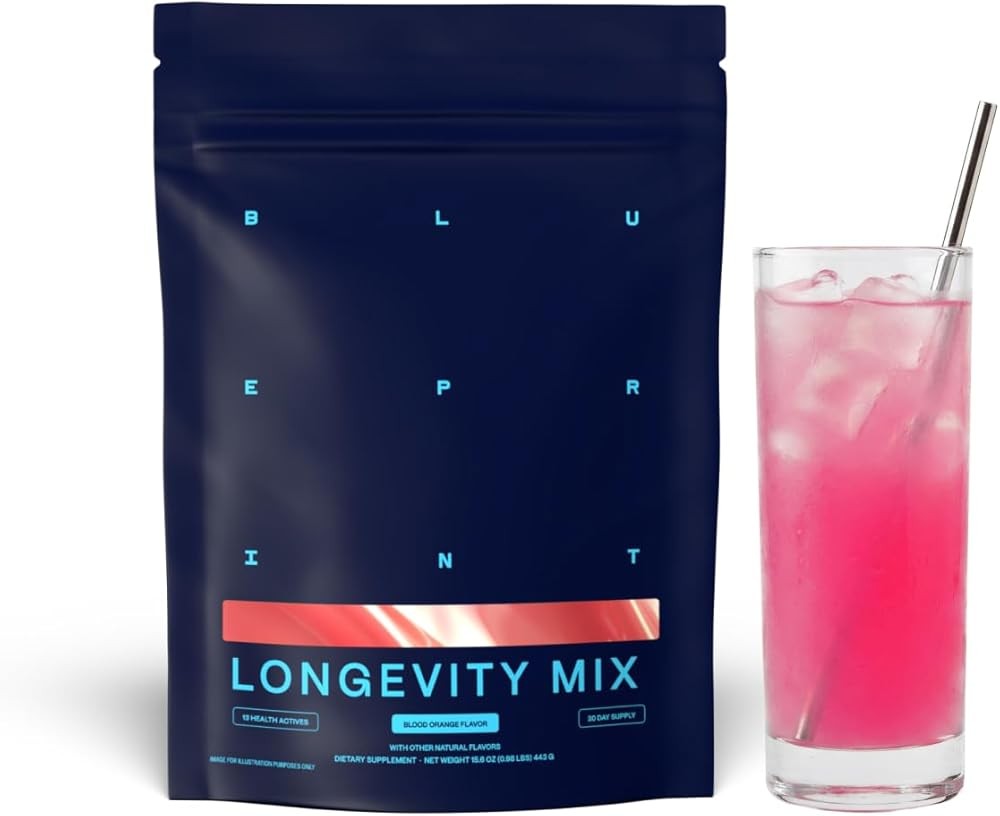
Blueprint Longevity Mix - Muscle Builder & Recovery Supplement
Check Price on AmazonAs an Amazon Associate we earn from qualifying purchases.
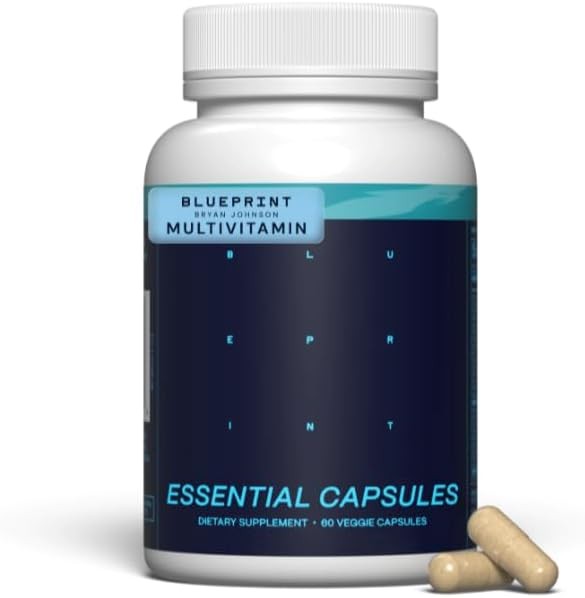
Blueprint Essential Capsules - Daily Multivitamin/Multimineral
Check Price on AmazonAs an Amazon Associate we earn from qualifying purchases.
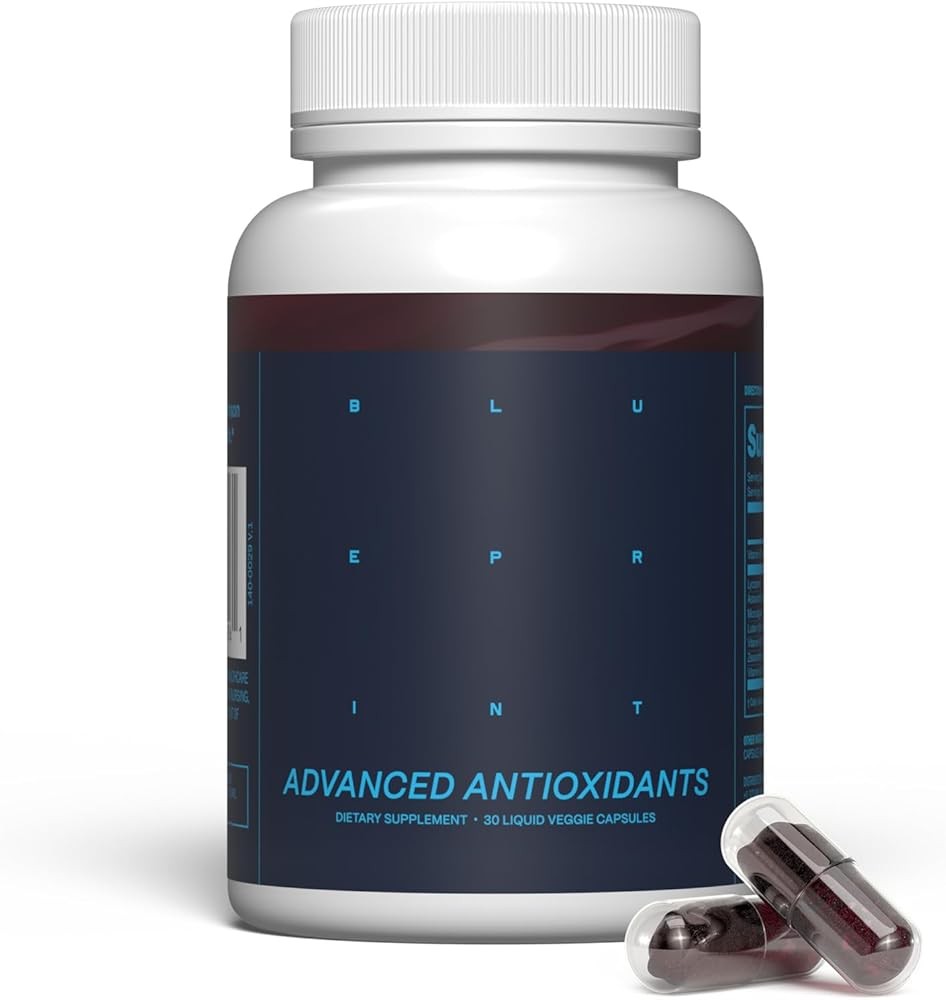
Blueprint Advanced Antioxidant Supplement
Check Price on AmazonAs an Amazon Associate we earn from qualifying purchases.

OmegaXL Joint Support Supplement - Green Lipped Mussel Oil
Check Price on AmazonAs an Amazon Associate we earn from qualifying purchases.
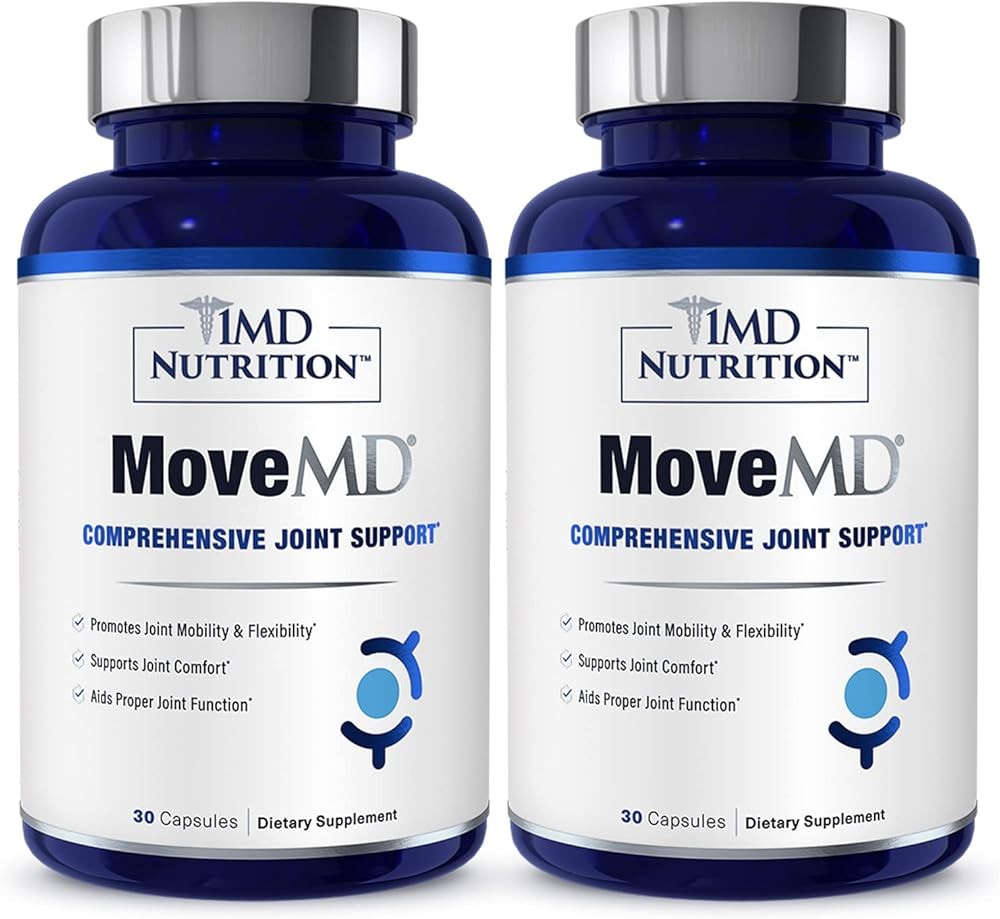
1MD Nutrition MoveMD - Joint Health Supplement
Check Price on AmazonAs an Amazon Associate we earn from qualifying purchases.

Glucosamine Chondroitin MSM - Joint Support Supplement
Check Price on AmazonAs an Amazon Associate we earn from qualifying purchases.
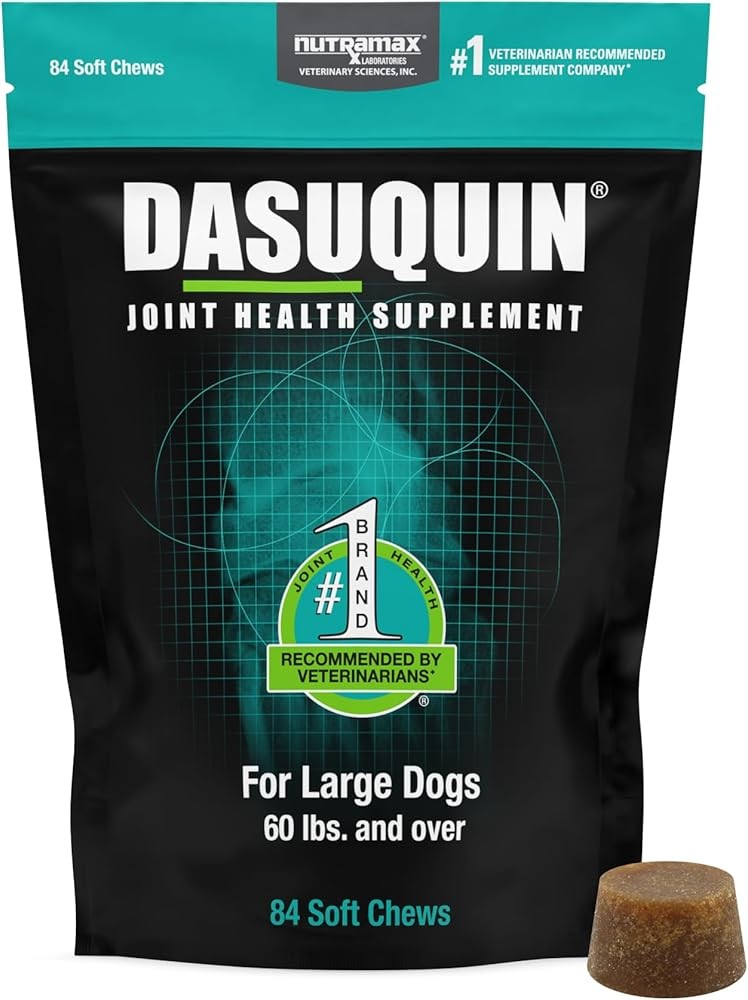
Nutramax Dasuquin for Large Dogs - 84 Count
Check Price on AmazonAs an Amazon Associate we earn from qualifying purchases.

Nutramax Dasuquin for Large Dogs - 42 Count
Check Price on AmazonAs an Amazon Associate we earn from qualifying purchases.
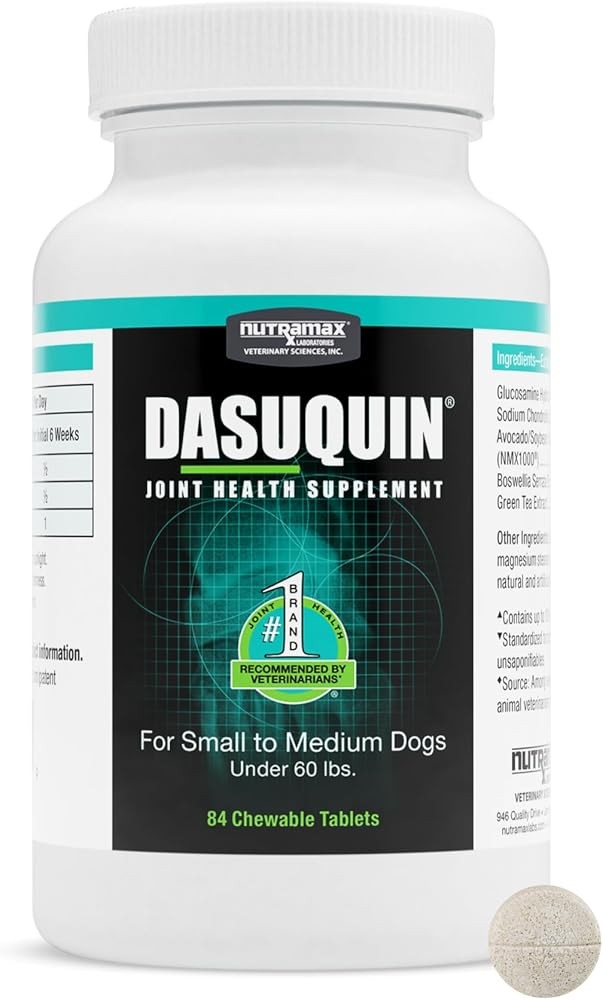
Nutramax Dasuquin for Small to Medium Dogs, Joint Health Supplement, Contains Glucosamine for Dogs
Check Price on AmazonAs an Amazon Associate we earn from qualifying purchases.

Ultra Joint - Liquid Joint Support for Dogs
Check Price on AmazonAs an Amazon Associate we earn from qualifying purchases.
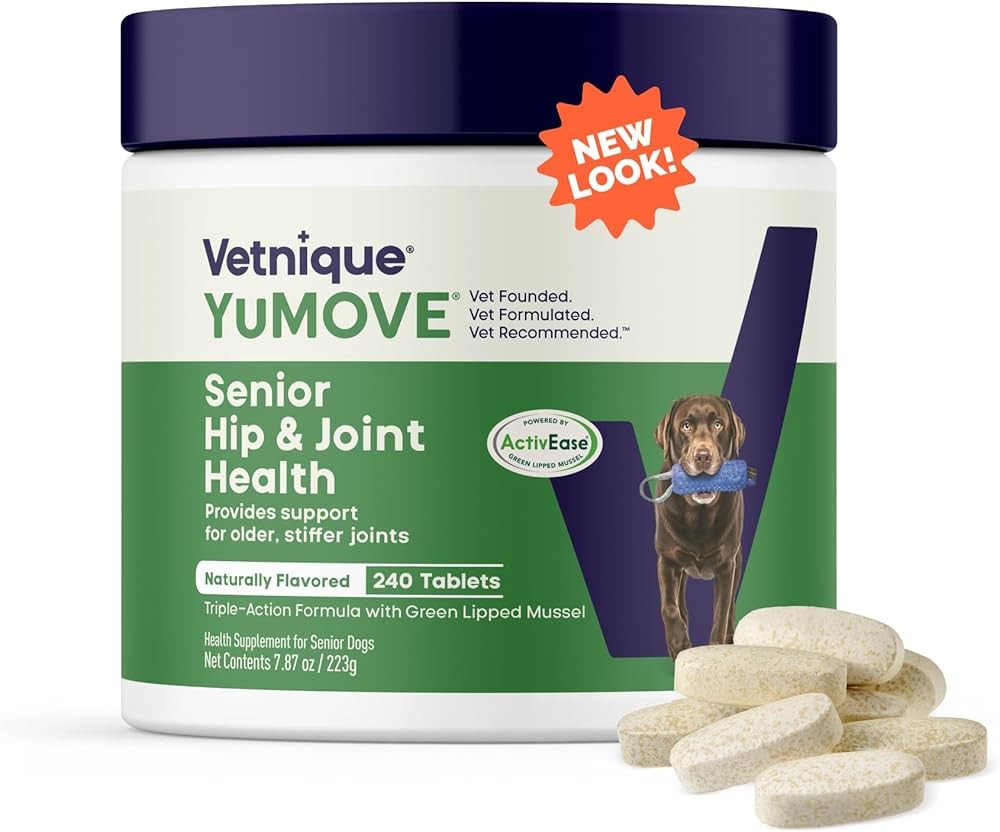
Yumove Hip & Joint Supplement for Dogs
Check Price on AmazonAs an Amazon Associate we earn from qualifying purchases.
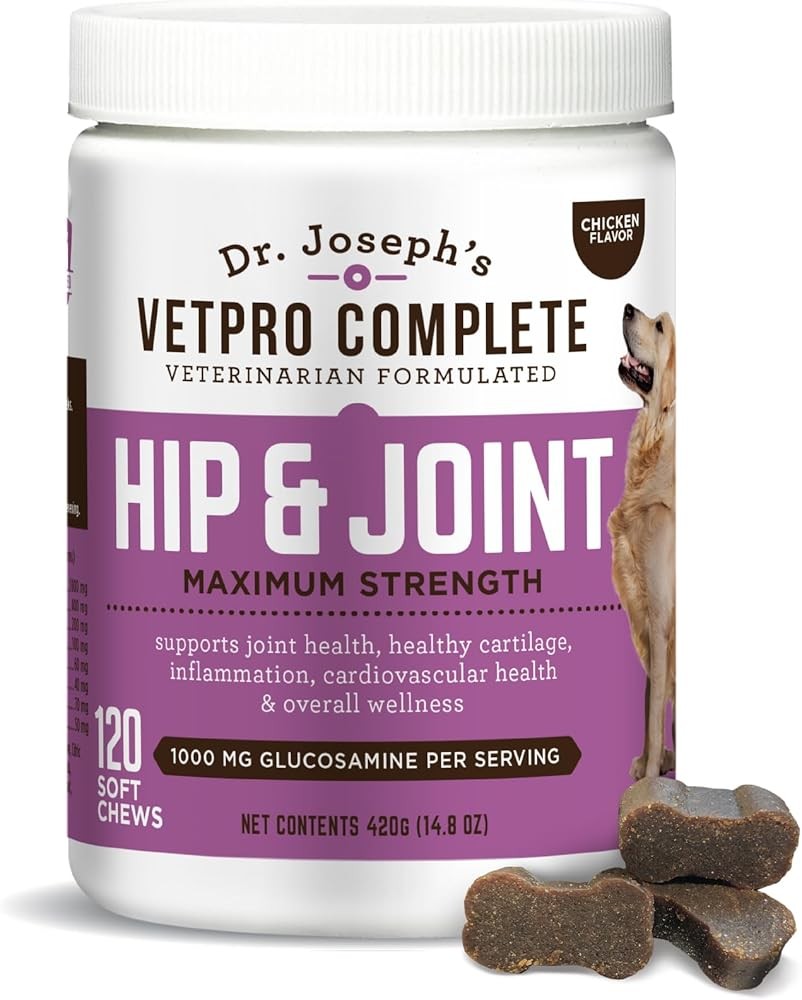
Dr. Joseph's VetPro Complete Dog Hip & Joint Supplement
Check Price on AmazonAs an Amazon Associate we earn from qualifying purchases.
Get Weekly Research Updates
New studies, updated reviews, and evidence-based health insights delivered to your inbox. Unsubscribe anytime.