Lithium Orotate: What the Research Shows About Low-Dose Lithium for Mood and Brain Health
Summarized from peer-reviewed research indexed in PubMed. See citations below.
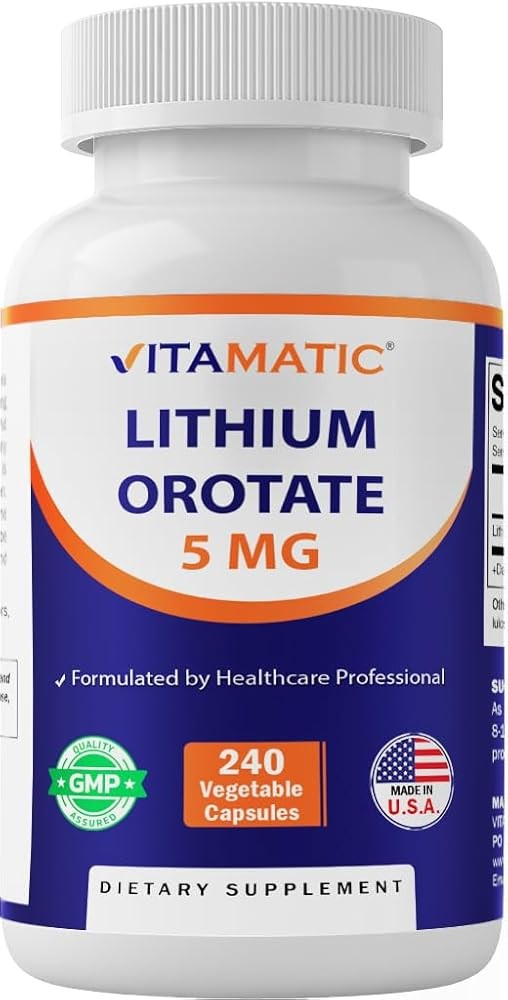
Mood instability and cognitive decline affect millions, and lithium has drawn scientific interest for both. Observational studies report lower suicide rates in areas with higher natural lithium in drinking water, and low-dose lithium supplements have been studied for mood support and as an adjunct in cognitive decline. Vitamatic Lithium Orotate 5mg delivers 5mg of elemental lithium per capsule at $13.99 for 240 capsules. This guide separates what the research actually supports from what is extrapolated from prescription-dose studies: the gray matter and BDNF findings come from prescription lithium in psychiatric patients, not from 5-20mg supplements, and that distinction shapes every claim below. For budget-conscious buyers, Nutricost Lithium Orotate 5mg offers the same dose at $15.50, and Horbäach provides 180 capsules at $15.28. Here’s what the research shows about lithium orotate, the dosing, and the safety caveats.
Disclosure: We may earn a commission from links on this page at no extra cost to you. Affiliate relationships never influence our ratings. Full policy →
| Product | Elemental Lithium | Capsules | Price |
|---|---|---|---|
| Vitamatic Lithium Orotate 5mg | 5mg per capsule | 240 | $13.99 |
| Nutricost Lithium Orotate 5mg | 5mg per capsule | 120 | $15.50 |
| Horbäach Lithium Orotate 130mg | 5mg per capsule | 180 | $15.28 |
When most people hear “lithium,” they think of the high-dose prescription medication used for bipolar disorder. There’s also a much lower-dose form sold as a supplement: lithium orotate, typically 5-20 mg of elemental lithium per day. It’s marketed for mood regulation, brain health, and neuroprotection. The important context up front: the strongest evidence for lithium’s brain effects comes from prescription-dose studies in psychiatric patients, and this guide is clear about where the supplement evidence is thinner.
Research suggests that trace amounts of lithium may be important for health. Population studies have found that areas with naturally higher lithium levels in drinking water tend to show lower rates of suicide, and some studies report associations with lower violence and dementia. These correlations don’t prove causation, but they’ve sparked scientific interest in lithium as a possible brain-protective nutrient.
In this guide, we’ll cover what the research actually shows about lithium orotate, how it differs from prescription lithium carbonate, its proposed mechanisms in the brain, dosing, and who might benefit.
How Is Lithium Orotate Different from Prescription Lithium?
Before we dive into the benefits, it’s absolutely essential to understand that lithium orotate and lithium carbonate are fundamentally different—in dose, use case, safety profile, and effects.
Lithium Carbonate: The Prescription Drug
Lithium carbonate is the pharmaceutical form prescribed for serious psychiatric conditions, primarily bipolar disorder. Here’s what characterizes prescription lithium:
- High doses: Typically 300-1,800 mg per day of lithium carbonate, providing 56-340 mg of elemental lithium
- Medical supervision required: Requires regular blood tests to monitor lithium levels, kidney function, and thyroid function
- Narrow therapeutic window: The difference between an effective dose and a toxic dose is small
- Side effects: Common issues include tremor, increased thirst and urination, weight gain, thyroid suppression, kidney damage with long-term use, and cognitive dulling
- Use case: Managing acute manic episodes, mood swings in bipolar disorder, and augmenting antidepressants in treatment-resistant depression
Prescription lithium carbonate is a powerful psychiatric medication that has saved countless lives. However, its high dose and potential for toxicity make it inappropriate for general wellness use.
Lithium Orotate: The Supplement
Lithium orotate, in contrast, is a different product:
- Low doses: Typically 5-20 mg of elemental lithium per day (a small fraction of prescription doses)
- Supplement status: Available over the counter as a dietary supplement, without the monitoring that prescription lithium requires
- Milder side-effect profile: At supplemental doses, the side effects seen with prescription lithium are far less likely
- Use case: Marketed for mood stability, cognitive function, neuroprotection, and brain health in people without diagnosed psychiatric conditions
A common marketing claim is that the orotate carrier helps lithium cross the blood-brain barrier more efficiently than lithium carbonate, allowing effects at much lower doses. The scientific support for that specific claim is thin—comparative bioavailability data in humans are limited—so this article does not rely on it. What the research actually shows is that lithium affects the brain at prescription doses, and that low-dose supplements deliver far less lithium than any studied dose.
Why This Distinction Matters
Confusing these two forms of lithium leads to unnecessary fear about supplemental lithium orotate. When people hear “lithium,” they understandably think of prescription medication, blood tests, and serious side effects. But lithium orotate at 5-20 mg doses is a much smaller dose of the same element than prescription lithium—same element, very different dose and safety profile.
Throughout this article, the key distinction is maintained: brain-imaging, clinical, and most mechanistic evidence comes from prescription-dose lithium in psychiatric patients, and claims about 5-20 mg supplements are extrapolations unless stated otherwise.
Bottom line: Lithium orotate supplements provide a small fraction of the elemental lithium used in prescription doses (5-20 mg versus 56-340 mg), which is why the serious side effects of prescription lithium (tremor, kidney effects, thyroid suppression) are far less likely at supplement doses—and also why it is unproven that supplement doses reproduce the brain changes seen with prescription lithium. Claims that the orotate carrier delivers lithium to the brain more efficiently are not well supported by human data.
How Does Lithium Protect the Brain?
The most exciting and well-researched benefit of lithium orotate is its ability to protect and support brain health. Multiple mechanisms contribute to this neuroprotective effect.
Increasing BDNF (Brain-Derived Neurotrophic Factor)
Lithium significantly increases levels of BDNF, a protein that acts like “fertilizer for your brain.” BDNF promotes the growth of new neurons (neurogenesis), helps existing neurons survive stress and injury, and supports the formation of new synaptic connections.
In rats, chronic lithium treatment at therapeutically relevant blood levels increased BDNF expression in the hippocampus and frontal and temporal cortex (Fukumoto et al., 2001, Psychopharmacology). In cultured rodent cortical neurons, lithium induced BDNF and activated its TrkB receptor, an effect required for its protection against glutamate toxicity (Hashimoto et al., 2002, Neuropharmacology). These are animal and cell studies using lithium levels comparable to prescription dosing; whether 5-20 mg supplements produce the same effect in humans has not been directly shown.
Higher BDNF levels are associated with:
- Improved learning and memory
- Greater cognitive flexibility
- Enhanced mood regulation
- Reduced risk of neurodegenerative diseases
- Better stress resilience
Low BDNF levels, conversely, are linked to depression, anxiety, Alzheimer’s disease, and accelerated cognitive decline with aging.
Protection Against Neurotoxicity
Lithium protects brain cells from various forms of damage. Research has shown that lithium protects cultured neurons against glutamate excitotoxicity—a process where excessive glutamate signaling damages and kills brain cells—through inhibition of the enzyme GSK-3 (Chuang et al., 2011, Frontiers in Molecular Neuroscience), and that lithium-induced BDNF is required for this neuroprotection (Hashimoto et al., 2002). This type of damage is implicated in stroke, traumatic brain injury, and neurodegenerative diseases.
Lithium achieves this protection through several mechanisms:
- Reducing oxidative stress by increasing antioxidant enzymes
- Stabilizing mitochondrial function and energy production
- Inhibiting apoptosis (programmed cell death) in stressed neurons, in part by up-regulating the protective protein Bcl-2 (Manji et al., 2000; Chuang et al., 2011)
- Modulating calcium signaling to reduce toxic overload
Increasing Gray Matter Volume
Perhaps most remarkably, lithium actually increases the volume of gray matter in key brain regions. Multiple neuroimaging studies have documented this effect.
A 2000 study by Moore et al. in the Lancet used three-dimensional MRI and found that grey-matter volume increased after four weeks of lithium treatment in patients with bipolar disorder. A longitudinal study by Yucel et al. (2007) in Psychopharmacology found bilateral increases in hippocampal volume over two to four years of lithium treatment in patients with bipolar disorder, along with some evidence of improved verbal memory. These studies used prescription-dose lithium in psychiatric patients; whether low-dose supplements produce measurable structural changes has not been studied.
The hippocampus is particularly important—it’s the brain’s memory center and one of the few regions where new neurons continue to form throughout life. The hippocampus is also one of the first brain regions to deteriorate in Alzheimer’s disease. Lithium’s ability to increase hippocampal volume suggests powerful protective effects against age-related cognitive decline.
Reducing Dementia Risk
Population studies provide some evidence that lithium may reduce dementia risk. In a Danish nationwide register study, Kessing et al. (2008, Archives of General Psychiatry) followed over 16,000 people who had purchased lithium and compared them with a random sample of nearly 1.5 million from the general population. People who continued taking lithium had a rate of dementia roughly equal to the general population rate, whereas the overall group of lithium purchasers had a higher rate (likely reflecting the psychiatric conditions lithium is prescribed for).
A second Danish study by Kessing et al. (2017, JAMA Psychiatry) took a different approach: it compared 73,731 people diagnosed with dementia against 733,653 matched controls and estimated each person’s long-term exposure to lithium from drinking water. Dementia incidence was lower among people with higher lithium exposure (more than 15 µg/L) than among those with the lowest exposure—though the association was nonlinear, and the authors noted that confounding from other municipality-level factors could not be excluded. These are observational findings, not proof of causation, and the drinking-water exposures were trace amounts far below supplemental doses.
Mechanisms of Neuroprotection
How does lithium protect the brain so effectively? Several key mechanisms have been identified:
-
Inhibiting GSK-3β: Lithium inhibits an enzyme called glycogen synthase kinase-3 beta (GSK-3β), which is overactive in several neurodegenerative diseases. This inhibition promotes neuronal survival and reduces tau phosphorylation (a key process in Alzheimer’s disease).
-
Activating protective pathways: Lithium activates the PI3K/Akt and ERK pathways, which promote cell survival and growth.
-
Reducing neuroinflammation: Lithium decreases the production of pro-inflammatory molecules in the brain, which can damage neurons over time.
-
Promoting neurogenesis: Lithium stimulates the production of new neurons, particularly in the hippocampus.
-
Stabilizing neuronal structure: Lithium increases levels of proteins that maintain the structural integrity of neurons, including N-acetyl aspartate (NAA), a marker of neuronal health.
Bottom line: Lithium protects the brain through several mechanisms demonstrated in laboratory and clinical research—increasing BDNF, inhibiting GSK-3β (which reduces tau phosphorylation and amyloid beta production), increasing gray matter and hippocampal volume in prescription-dose studies, protecting against glutamate excitotoxicity, and reducing neuroinflammation. Population studies link higher drinking-water lithium to lower suicide rates, and register studies link continued prescription lithium to lower dementia incidence. Nearly all of this evidence comes from prescription-dose lithium; effects at 5-20 mg supplement doses are extrapolations.
How Does Lithium Improve Mood and Mental Health?
Beyond neuroprotection, lithium orotate offers significant benefits for mood stability and emotional well-being—even in people without diagnosed psychiatric conditions.
Neurotransmitter Modulation
Lithium doesn’t work like conventional antidepressants that target a single neurotransmitter system. Instead, it modulates multiple neurotransmitter systems simultaneously, creating a balancing effect:
- Serotonin: Lithium increases serotonin activity by enhancing receptor sensitivity and reducing breakdown. This contributes to improved mood and reduced anxiety.
- Dopamine: Lithium helps stabilize dopamine levels—preventing both excessive activity (which can cause agitation) and deficiency (which can cause low motivation).
- Glutamate: Lithium reduces excessive glutamate signaling while supporting normal glutamatergic function, contributing to mood stability and neuroprotection.
- GABA: Some evidence suggests lithium enhances GABAergic signaling, the brain’s primary calming neurotransmitter system.
This multi-system modulation explains why lithium can help with mood swings that involve both “ups” (irritability, anxiety, racing thoughts) and “downs” (low mood, fatigue, anhedonia).
Population-Level Evidence: The Suicide Studies
Some of the most compelling evidence for lithium’s mood-stabilizing effects comes from population studies examining suicide rates.
Dr. Gerhard Schrauzer’s landmark 1990 study, published in Biological Trace Element Research, analyzed lithium concentrations in drinking water across 27 Texas counties from 1978 to 1987. Counties whose water contained little or no lithium (versus 70-170 µg/L in higher counties) had significantly higher rates of suicide, homicide, and rape, with the differences surviving adjustment for population density.
A 2020 systematic review and meta-analysis in The British Journal of Psychiatry by Memon et al. pooled 15 ecological studies from multiple countries and found a consistent inverse association between lithium levels in public drinking water and suicide mortality (pooled regression coefficient −0.27, p = 0.006). A 2015 systematic review by Vita et al. in International Clinical Psychopharmacology reached a similar conclusion. The authors of these reviews note the evidence is ecological—it shows associations at the population level, not cause and effect in individuals.
While these studies examined very low doses of lithium (micrograms from drinking water), they suggest that even trace amounts may have meaningful effects on emotional regulation and impulse control.
Subclinical Depression and Mood Instability
Many people experience mood issues that don’t meet criteria for major depression but still significantly impact quality of life. Symptoms might include:
- Persistent low-grade sadness or emptiness
- Emotional reactivity and mood swings
- Irritability and frustration intolerance
- Reduced stress resilience
- Anhedonia (reduced ability to experience pleasure)
- Difficulty bouncing back from setbacks
Clinical experience and preliminary research suggest that lithium orotate may be particularly helpful for these subclinical mood issues. The supplement appears to create a “mood floor”—reducing the depth of low periods while also preventing excessive emotional highs that can lead to impulsive decisions or burnout.
Reducing Impulsivity and Aggression
Lithium’s effects extend beyond mood to behavioral regulation. A classic double-blind, placebo-controlled trial by Sheard et al. (1976, American Journal of Psychiatry) gave lithium to 66 young male prisoners with histories of chronic impulsive aggressive behavior. Over up to three months of treatment, the lithium group showed a significant reduction in violent infractions compared with placebo. This remains the most direct clinical evidence that lithium can reduce impulsive aggression, and it used prescription-range dosing in a highly selected population.
This benefit may be particularly relevant for individuals who struggle with:
- Angry outbursts and irritability
- Impulsive decision-making
- Self-destructive behaviors
- Difficulty with emotional regulation in relationships
Bottom line: Lithium modulates multiple neurotransmitter systems (serotonin, dopamine, glutamate, GABA) rather than targeting a single pathway, which is the basis for its mood-stabilizing effects at prescription doses. Population studies in several countries report lower suicide rates in areas with higher drinking-water lithium, and one classic placebo-controlled trial found lithium reduced impulsive aggressive behavior in prisoners—again, all at prescription-range or environmental trace exposure, not 5-20 mg supplement doses.
Can Lithium Support Brain Health in Alzheimer’s Research?
The evidence supporting lithium’s role in preventing and potentially slowing Alzheimer’s disease deserves special attention.
Reducing Tau Phosphorylation
One of the hallmarks of Alzheimer’s disease is the accumulation of hyperphosphorylated tau protein, which forms toxic tangles inside neurons. In mice expressing human tau, lithium treatment that inhibited GSK-3 reduced tau phosphorylation and protected against the resulting neurodegeneration (Noble et al., 2005, PNAS). Lithium’s inhibition of GSK-3β directly reduces tau phosphorylation, potentially slowing or preventing this pathological process.
A 2011 study by Forlenza et al., published in The British Journal of Psychiatry, gave low-dose lithium to patients with mild cognitive impairment (often a precursor to Alzheimer’s). After one year, the lithium group showed:
- Better cognitive performance
- Less cognitive decline compared to placebo
- Reduced concentrations of phosphorylated tau in cerebrospinal fluid
These findings suggest lithium may slow the underlying disease process, not just mask symptoms.
Reducing Amyloid Beta Accumulation
The other major hallmark of Alzheimer’s is the accumulation of amyloid beta plaques. Research indicates that lithium may help reduce this accumulation through several mechanisms:
- Reducing amyloid beta production by modulating APP (amyloid precursor protein) processing via GSK-3 inhibition
- Enhancing clearance of existing amyloid beta
- Preventing amyloid beta-induced inflammation and oxidative stress
The production pathway is well documented: Phiel et al. (2003, Nature) showed that GSK-3α regulates production of amyloid beta peptides, and lithium inhibits GSK-3. In a transgenic APP mouse model of Alzheimer’s, Fiorentini et al. (2010, PLoS ONE) found that lithium treatment given at two months of age stimulated hippocampal neurogenesis and fully counteracted the transgene-induced cognitive impairments, though the effect was lost in older mice with heavier amyloid pathology.
Clinical Evidence in Alzheimer’s Prevention
Clinical evidence is limited to small trials and observational cohorts. In a US claims-based cohort of older adults with bipolar disorder, Gerhard et al. (2015, British Journal of Psychiatry) found that 301-365 days of lithium use per year was associated with a significantly reduced risk of dementia compared with no lithium use (hazard ratio 0.77), with no corresponding association for anticonvulsant mood stabilizers.
Two small trials in people with early cognitive decline reported encouraging results: Forlenza et al. (2011, British Journal of Psychiatry) found that 12 months of lithium treatment in people with amnestic mild cognitive impairment reduced phosphorylated tau in cerebrospinal fluid and stabilized cognition, and Nunes et al. (2013, Current Alzheimer Research) found that a 300 µg microdose of lithium stabilized cognitive performance over 15 months in patients with Alzheimer’s disease. All of these are small studies, and none tested 5-20 mg lithium orotate supplements specifically.
Bottom line: Lithium reduces both hallmarks of Alzheimer’s disease—hyperphosphorylated tau tangles (via GSK-3β inhibition) and amyloid beta production (via GSK-3α)—in laboratory models, with clinical evidence limited to small trials in mild cognitive impairment and Alzheimer’s disease plus one observational cohort showing reduced dementia risk with continuous prescription lithium use. No clinical trial has tested lithium orotate supplements for Alzheimer’s prevention.
Is Lithium an Essential Trace Mineral We’re Missing?
An emerging perspective suggests that lithium may function as an essential trace mineral—meaning humans may require small amounts for optimal health, similar to selenium, chromium, or molybdenum.
Natural Lithium in Food and Water
Lithium occurs naturally in the environment and enters the body through food and water. A 2002 review by Schrauzer in the Journal of the American College of Nutrition summarized what is known: lithium is found in variable amounts in foods, with grains and vegetables as the primary sources, and in some areas drinking water provides a significant share. Human dietary intake depends on location and food choices and varies over a wide range.
Key points from that review:
Drinking water sources:
- Lithium concentrations in water vary by region and local geology, from very low to meaningfully higher levels in areas with lithium-rich bedrock or volcanic soil
- Water is a meaningful lithium source mainly in specific geographic areas
Food sources:
- Grains and vegetables are the primary dietary sources, with content depending on soil lithium levels
- Other foods (dairy, seafood) contribute smaller or more variable amounts
The review also noted that low lithium intakes from water supplies have been associated with increased rates of suicides, homicides, and drug-related arrests in ecological studies. Schrauzer argued the evidence was sufficient to classify lithium as essential and proposed a provisional recommended intake of 1,000 µg/day for a 70 kg adult. That figure is a proposal, not an established requirement, and it is far below the 5,000-20,000 µg (5-20 mg) in a lithium orotate supplement—which is why the dosing and safety sections below approach supplements as pharmacological, not nutritional.
Population Studies and “Lithium Zones”
Some of the most intriguing evidence comes from examining populations in “lithium zones”—areas with naturally high lithium levels in drinking water.
Texas, USA (Schrauzer et al., 1990): Analyzed 27 Texas counties from 1978-1987. Counties with little or no lithium in drinking water had significantly higher suicide, homicide, and rape rates than counties with 70-170 µg/L.
Japan (Ohgami et al., 2009): Examined lithium levels in tap water across the 18 municipalities of Oita Prefecture. Lithium levels were significantly and negatively associated with suicide standardized mortality ratios averaged over 2002-2006.
Austria (Kapusta et al., 2011): Examined 6,460 lithium measurements across all 99 Austrian districts. Suicide rates and suicide mortality ratios were inversely associated with drinking water lithium levels, and the association survived adjustment for socioeconomic factors.
Greece (Giotakos et al., 2013): Analyzed 149 water samples from 34 Greek prefectures (average lithium 11.1 µg/L) and found a tendency toward lower suicide rates in prefectures with higher lithium levels, though the ecological design limits the strength of the conclusion.
England (Kabacs et al., 2011): Measured lithium in tap water across 47 subdivisions of the East of England and found no association with suicide rates from 2006-2008—a reminder that not every study has replicated the inverse association.
Denmark (Kessing et al., 2017): In the largest drinking-water study to date, compared 73,731 dementia patients with 733,653 controls and estimated lithium exposure from municipal water. Dementia incidence was lower in areas with higher lithium exposure (over 15 µg/L versus 2-5 µg/L, incidence rate ratio 0.83), though the association was nonlinear and the authors could not exclude confounding by other municipality-level factors.
Common findings across “lithium zones”:
- Lower suicide rates (most consistent finding, though England and other regions show null results)
- Reduced violent crime (reported in the Texas and Greek studies)
- Potentially lower dementia rates (Danish study; nonlinear association)
A 2002 review in the Journal of the American College of Nutrition by Schrauzer argued that lithium meets the criteria for nutritional essentiality and proposed a provisional recommended dietary intake of 1,000 µg/day for a 70 kg adult—far below levels that cause toxicity but well above what many modern diets provide. Supplemental lithium orotate at 5-20 mg of elemental lithium provides considerably more than that trace-level target, moving from the “essential nutrient” hypothesis into pharmacological territory, which is why the safety section below matters.
The Evolutionary Perspective
From an evolutionary standpoint, humans developed in environments where lithium intake was likely much higher than today. Ancient diets rich in whole grains, vegetables, and untreated water from mineral-rich sources would have provided consistent lithium exposure.
This historical context supports the idea that modern lithium deficiency might contribute to the epidemic of mood disorders, cognitive decline, and neurodegenerative diseases we see today.
Bottom line: Population studies in Texas, Japan, Austria, Greece, and Denmark have reported lower suicide rates (and in some cases lower violent crime or dementia incidence) in areas with higher natural lithium in drinking water—though the associations are ecological, the England study found nothing, and the Danish dementia association was nonlinear—prompting the hypothesis that lithium may function as an essential trace nutrient. The evidence is intriguing but does not establish that low lithium intake causes mood disorders or that supplementation restores a deficiency.
How Does Lithium Affect Sleep and Circadian Rhythms?
A lesser-known but fascinating benefit of lithium is its effect on circadian rhythms—your body’s internal 24-hour clock.
Regulating the Biological Clock
Research shows that lithium can lengthen circadian period and increase the amplitude of circadian rhythms. A 2012 study by Li et al. in PLoS ONE measured locomotor activity in mice during chronic lithium treatment and tracked clock-protein rhythms in the suprachiasmatic nucleus (the brain’s master clock), lung tissue, and cells. Lithium consistently lengthened the period of behavioral rhythms and of the molecular oscillations, and it raised the amplitude of PER2 clock-protein rhythms in central and peripheral pacemakers—an effect the authors linked to GSK-3-mediated signaling. This is animal and cell data, and it involved lithium levels relevant to prescription use; the effect of 5-20 mg supplements on human circadian rhythms has not been studied directly.
Sleep Quality Improvements
Many users of lithium orotate report improvements in sleep quality, including:
- Falling asleep more easily
- Fewer nighttime awakenings
- More restorative sleep
- Better dream recall (possibly related to enhanced REM sleep)
These effects likely result from the combination of mood stabilization, stress reduction, and direct effects on circadian rhythm regulation.
Optimal Timing for Sleep Benefits
For those taking lithium orotate primarily for sleep benefits, some users find evening dosing (1-2 hours before bed) works well. This is anecdotal guidance: there is no clinical data on timing for low-dose lithium supplements, and the animal data on circadian effects involved prescription-level exposure.
Bottom line: In animal and cell studies, lithium lengthens circadian period and increases circadian rhythm amplitude through effects on clock-gene regulation, and users report easier sleep onset, fewer nighttime awakenings, more restorative sleep, and better dream recall—but the circadian evidence comes from prescription-level animal studies, and evening-dosing advice for supplements is anecdotal rather than research-based.
Can Lithium Extend Lifespan and Slow Aging?
One of the most exciting frontiers in lithium research is its potential role in extending healthy lifespan.
Animal Studies on Lifespan Extension
A 2011 study by Zarse et al., published in European Journal of Nutrition, tested whether low-dose lithium affects mortality. In the roundworm Caenorhabditis elegans, continuous exposure to 10 µM lithium chloride—a low concentration—significantly extended lifespan. The authors also analyzed a large Japanese observational cohort of over 1.2 million people across 18 neighboring municipalities and found an inverse correlation between drinking-water lithium concentrations and all-cause mortality. These findings point to possible anti-aging effects of low-dose lithium exposure, but the human data are ecological (population-level correlations), not proof that lithium extends human lifespan.
Mechanisms of Longevity Effects
How might lithium promote longevity? Several mechanisms have been proposed:
1. GSK-3β inhibition and cellular aging: Glycogen synthase kinase-3 beta becomes progressively overactive with aging. This enzyme:
- Promotes inflammation through NF-κB activation
- Contributes to insulin resistance
- Drives cellular senescence (the state where cells stop dividing but don’t die)
- Impairs mitochondrial function
- Increases production of reactive oxygen species
Lithium’s potent inhibition of GSK-3β directly counteracts several of these aging processes, which is a plausible mechanism for the longevity effects seen in animal models. In the Zarse et al. (2011) study, the longevity effect was observed at low lithium concentrations, and the authors noted that earlier work by other groups found lifespan extension in C. elegans through reduced expression of the worm’s GSK-3 homolog—consistent with GSK-3 inhibition being a key pathway, though the 2011 study itself did not test a GSK-3 knockout.
2. Enhanced autophagy: Autophagy is the cellular “recycling system” that breaks down and removes damaged proteins, dysfunctional organelles, and cellular debris. As we age, autophagy becomes less efficient, leading to accumulation of cellular “junk” that impairs function and promotes disease.
Lithium enhances autophagy through multiple pathways:
- Inhibiting mTOR (mammalian target of rapamycin), a key autophagy regulator
- Reducing inositol levels, which triggers autophagy activation
- Directly stimulating autophagy genes
Enhanced autophagy removes toxic protein aggregates (like those seen in Alzheimer’s and Parkinson’s), improves mitochondrial quality control, and reduces cellular senescence. Rapamycin, which also extends lifespan in animals, works partly through enhanced autophagy—suggesting this mechanism is crucial for longevity.
3. Reduced oxidative stress and enhanced antioxidant defenses: Lithium increases expression of multiple antioxidant enzymes:
- Superoxide dismutase (SOD)
- Catalase
- Glutathione peroxidase
- Heme oxygenase-1
This enhanced antioxidant capacity protects against the cumulative oxidative damage that drives aging. Oxidative stress damages DNA, proteins, and lipids—accelerating cellular dysfunction and death. By boosting defenses, lithium may slow this fundamental aging process.
4. Telomere protection: Telomeres are protective caps on chromosomes that shorten with each cell division. When telomeres become critically short, cells enter senescence or die. Some (though not all) studies suggest lithium may slow telomere shortening or even promote telomere lengthening through increased telomerase activity. The evidence here is preliminary and mixed, requiring more research.
5. Reduced chronic inflammation (“inflammaging”): Chronic low-grade inflammation increases with age and drives multiple age-related diseases:
- Cardiovascular disease
- Neurodegenerative diseases
- Cancer
- Metabolic dysfunction
- Sarcopenia (muscle loss)
Lithium reduces inflammation through several mechanisms:
- Inhibiting NF-κB, a master regulator of inflammatory genes
- Reducing production of pro-inflammatory cytokines (IL-6, TNF-α, IL-1β)
- Modulating microglia (brain immune cells) to reduce neuroinflammation
- Enhancing anti-inflammatory pathways
By damping chronic inflammation, lithium may slow the aging process across multiple organ systems.
6. Neuroprotection and cognitive preservation: Since cognitive decline is a major determinant of healthspan (years of healthy, independent life), lithium’s profound neuroprotective effects directly contribute to healthy aging. Maintaining cognitive function is associated with reduced dementia risk—one of the most devastating age-related conditions.
7. Metabolic benefits: Emerging evidence suggests lithium may improve insulin sensitivity and glucose metabolism, potentially protecting against type 2 diabetes and metabolic syndrome—both of which accelerate aging.
Human Evidence: Observational Cohorts
We don’t yet have randomized controlled trials testing whether lithium extends human lifespan. The closest human evidence is indirect: the Zarse et al. (2011) analysis found lower all-cause mortality in Japanese municipalities with higher drinking-water lithium, and the Danish register studies discussed earlier found lower dementia rates among people with continued lithium treatment. Both are observational, and neither tested low-dose supplements.
More research is needed. The convergence of the roundworm data, mechanistic work on GSK-3, and these observational cohorts makes lithium’s longevity potential worth studying, but the honest summary is that human evidence for lifespan extension is currently limited to ecological and register-based associations.
Bottom line: Low-dose lithium extended lifespan in roundworms in one 2011 study, and population-level analyses have linked higher drinking-water lithium to lower all-cause mortality (Japan) and lower dementia rates (Denmark)—but there are no human trials of lithium for longevity, the human data are observational, and none of this evidence involves 5-20 mg lithium orotate supplements specifically.
What Are the Signs You Might Benefit from Lithium Orotate?
Your body sends signals when it might benefit from lithium orotate support. Here are the clues to watch for.
Signs You May Be Deficient or Benefit From Lithium
Mood-related signals:
- Emotional volatility and mood swings (not severe enough for bipolar disorder, but noticeable)
- Irritability and low frustration tolerance
- Difficulty “bouncing back” from stress or disappointments
- Persistent low-grade sadness or anhedonia
- Impulsive decision-making or reactive behaviors
- History of mood issues in your family
Cognitive signals:
- Subjective cognitive decline (“I’m not as sharp as I used to be”)
- Difficulty with concentration and focus
- Memory lapses becoming more frequent
- Reduced mental flexibility or creativity
- Family history of dementia or Alzheimer’s disease
Stress response signals:
- Feeling overwhelmed easily
- Physical tension (jaw clenching, muscle tightness) during stress
- Racing thoughts, particularly at night
- Difficulty switching off “work mode” or relaxing
Sleep and rhythm signals:
- Irregular sleep-wake patterns
- Difficulty maintaining a consistent schedule
- Feeling “wired and tired”
- Poor sleep quality despite adequate duration
What Improvement Looks Like
When lithium orotate is working effectively, you may notice:
Week 1-2:
- Subtle improvement in stress resilience
- Slightly better emotional regulation (less reactive)
- Improved sleep quality
- Reduced nighttime rumination
Week 3-4:
- More consistent mood throughout the day
- Better frustration tolerance
- Improved cognitive clarity
- More stable energy levels
Month 2-3:
- Noticeably better emotional stability
- Improved ability to handle stressful situations
- Enhanced cognitive performance
- Better relationship dynamics (less conflict, better communication)
- Sense of being more “yourself” without emotional extremes
Long-term (3+ months):
- Sustained mood stability feeling effortless
- Cognitive performance maintenance or improvement
- Greater stress resilience as baseline
- Possible reduction in anxious or depressive episodes
Warning Signs to Watch For
While lithium orotate is very safe at recommended doses, watch for these rare signals that might indicate the dose is too high or the supplement isn’t right for you:
- Excessive thirst or urination (though mild increases in water intake are normal and beneficial)
- Fine tremor in hands
- Cognitive dulling or feeling “foggy” (paradoxical effect suggesting dose is too high)
- Digestive upset persisting beyond the first week
- Significant changes in thyroid symptoms (unusual fatigue, cold intolerance, unexplained weight changes)
If you experience any of these, reduce the dose or discontinue use and consult a healthcare provider.
Timeline of Changes
Days 1-7: Most people notice subtle effects—slightly better stress response, improved sleep, mild mood lift. Some notice nothing yet, which is normal.
Days 8-21: Effects become more noticeable—clearer mood stabilization, better cognitive clarity, improved emotional resilience.
Days 22-60: Full benefits emerge—sustained mood stability, cognitive benefits, stress resilience, sleep optimization.
3+ months: Long-term neuroprotective benefits develop. This is when lithium’s effects on brain structure, BDNF levels, and neurogenesis become most significant.
Patience is important—lithium orotate is not a quick fix but a foundational support for brain health that builds over time.
Bottom line: Key signs you may benefit include emotional volatility and mood swings not severe enough for bipolar disorder, irritability and low frustration tolerance, difficulty bouncing back from stress, subjective cognitive decline or memory lapses, family history of mood disorders or dementia, irregular sleep-wake patterns, and feeling “wired and tired”—with improvements typically appearing as subtle stress resilience in week 1-2, consistent mood stabilization by week 3-4, and full neuroprotective benefits emerging after 3+ months of consistent use.
What Is the Correct Lithium Orotate Dosage?
Getting the dosage right is crucial for experiencing benefits while maintaining safety.
Understanding Elemental Lithium Content
This is where confusion often occurs. Lithium orotate supplements list the total weight of the lithium orotate compound, not the elemental lithium content.
Lithium orotate is a chemical compound consisting of lithium ions bound to orotic acid (a precursor to nucleotides). Elemental lithium is only a small fraction of the compound’s weight. Depending on the salt’s hydration state, the elemental fraction is roughly 3.8-4.3%—which is why a “130 mg” capsule contains only about 5 mg of actual lithium. The three products recommended in this guide all state the elemental content on the label (5 mg per capsule), which is the number that matters.
This means, per the manufacturers’ labeling:
- 120-130 mg of lithium orotate = approximately 5 mg of elemental lithium
- 240-260 mg of lithium orotate = approximately 10 mg of elemental lithium
- 520 mg of lithium orotate = approximately 20 mg of elemental lithium
Why does this matter? When reading research or comparing to prescription lithium, you must always compare elemental lithium amounts, not the total compound weight. A 5 mg lithium orotate supplement provides roughly the same elemental lithium as 26 mg of lithium carbonate. (Some marketers claim the orotate form is absorbed better than carbonate; comparative human data are limited, so this guide does not rely on that claim.)
Always check the supplement facts panel for the elemental lithium content, which should be listed separately if the manufacturer is transparent. Reputable brands clearly state “X mg elemental lithium from Y mg lithium orotate.” If a label only shows the lithium orotate amount without specifying elemental content, you can estimate elemental lithium at roughly 4% of the compound weight (multiply by 0.04).
Recommended Dosing
Starting dose: 5 mg of elemental lithium per day (approximately 120-130 mg of lithium orotate)
Optimal range: 5-20 mg of elemental lithium per day, divided into one or two doses
Maximum: 20 mg of elemental lithium per day for most people (equivalent to about 520 mg of lithium orotate)
Timing and Administration
With meals: Take lithium orotate with food to minimize any potential digestive upset and improve absorption.
Once vs. twice daily:
- For doses of 5-10 mg elemental lithium: Once daily is fine, typically in the morning or evening
- For doses of 15-20 mg: Consider splitting into two doses (morning and evening) for more stable levels
For sleep benefits: Take the full dose 1-2 hours before bedtime.
For mood/cognitive benefits: Morning dosing or split dosing may work better.
Cycling vs. Continuous Use
Unlike some supplements, lithium orotate can be taken continuously without the need for cycling. In fact, consistent daily use is likely most beneficial for long-term neuroprotection and brain health.
Some practitioners recommend taking occasional breaks (e.g., one week off every 3-6 months) as a precautionary measure, though there’s no strong evidence this is necessary at low supplemental doses.
Hydration Is Critical
Lithium is excreted through the kidneys, and dehydration can cause lithium levels to rise. Maintain excellent hydration while taking lithium orotate:
- Drink at least 8-10 glasses of water daily
- Increase water intake during exercise, heat exposure, or illness
- Monitor urine color—pale yellow indicates good hydration
Monitoring and Safety Checks
For long-term use (over 6 months), consider these periodic checks with your healthcare provider:
- Thyroid function (TSH, free T3, free T4): Every 6-12 months
- Kidney function (creatinine, eGFR): Every 6-12 months
- Basic metabolic panel: Annually
These tests are precautionary. Problems are rare at supplemental doses, but monitoring provides peace of mind and catches any issues early.
Bottom line: Start with 5 mg elemental lithium daily (120-130 mg lithium orotate compound) and increase to 5-20 mg range if needed, understanding that lithium is only roughly 4% of the lithium orotate compound by weight—take with food to minimize digestive upset, maintain excellent hydration (8-10 glasses water daily) since lithium is kidney-excreted and dehydration raises levels, consider evening dosing for sleep benefits or split dosing for higher amounts, and for long-term use (6+ months) monitor thyroid function (TSH, free T3/T4) and kidney function (creatinine, eGFR) every 6-12 months as precautionary measures.
Is Lithium Orotate Safe? What Are the Contraindications?
Lithium orotate has an excellent safety profile at recommended doses, but certain precautions are essential.
General Safety
At supplemental doses (5-20 mg elemental lithium), lithium orotate is remarkably safe for most people. The dose is so far below prescription levels that the serious side effects associated with prescription lithium (kidney damage, thyroid suppression, neurotoxicity) are not a concern.
However, individual sensitivity varies, so start with the lowest dose and increase gradually.
Absolute Contraindications
Do not take lithium orotate if:
- You are pregnant or breastfeeding (insufficient safety data, and lithium crosses the placenta)
- You have severe kidney disease (lithium is excreted by kidneys)
- You are currently taking prescription lithium (combining forms could lead to excessive lithium levels)
- You have Brugada syndrome (a rare heart rhythm disorder exacerbated by lithium)
Cautions and Relative Contraindications
Use with caution and medical supervision if:
- You have thyroid disease (lithium can affect thyroid function, though this is dose-dependent)
- You have moderate kidney impairment (may affect lithium clearance)
- You have a history of serotonin syndrome (though lithium orotate is not serotonergic, caution is warranted)
- You are elderly (start with lower doses and monitor more carefully)
Drug Interactions
Potentially significant interactions:
-
NSAIDs (ibuprofen, naproxen): Can reduce lithium excretion, raising levels. If using regularly, monitor closely and consider lower lithium doses.
-
ACE inhibitors and ARBs (blood pressure medications): Can increase lithium levels. Requires medical supervision.
-
Diuretics (especially thiazide and loop diuretics): Can increase lithium levels significantly. Avoid combining or use only under medical supervision.
-
SSRIs and other antidepressants: Generally safe to combine with lithium orotate, but start with low doses and monitor for any unusual symptoms.
-
Caffeine: High caffeine intake may increase lithium excretion, potentially reducing effectiveness. Maintain consistent caffeine habits.
Low-risk interactions:
- Most supplements are safe to combine with lithium orotate
- Magnesium, B vitamins, omega-3s, and other brain-supporting nutrients are complementary
- No known negative interactions with most medications when lithium orotate is used at standard supplemental doses
Pregnancy and Breastfeeding
Avoid during pregnancy and breastfeeding. Prescription lithium is a known teratogen (causes birth defects), particularly affecting the heart. While the dose of lithium orotate is far lower, there is no safety data to confirm it’s safe during pregnancy, and the precautionary principle applies.
Bottom line: Lithium orotate at supplemental doses (5-20 mg elemental lithium) is remarkably safe for most people with rare side effects, but absolute contraindications include pregnancy/breastfeeding (lithium crosses placenta and is teratogenic), severe kidney disease (lithium is kidney-excreted), current prescription lithium use (risk of excessive levels), and Brugada syndrome (rare heart rhythm disorder)—plus significant drug interactions with NSAIDs, ACE inhibitors/ARBs, and diuretics that can raise lithium levels, requiring medical supervision if combining.
Which Lithium Orotate Supplement Should You Buy?
The buying rule for lithium orotate is straightforward: look for a product that states the elemental lithium content (5mg per capsule is the common standard), uses third-party testing, and avoids proprietary blends. All three products below deliver 5mg of elemental lithium per capsule with clear labeling. Note that 5mg of elemental lithium corresponds to roughly 120-130mg of lithium orotate compound, so a label that reads “130mg lithium orotate” is the same dose as one that reads “5mg elemental lithium.”
Vitamatic Lithium Orotate is the Best Overall pick for value and clean formulation. Each capsule provides 5mg of elemental lithium (from 120mg of lithium orotate), and the 240-capsule bottle covers eight months at the standard one-capsule daily dose. The formula is minimal: lithium orotate, vegetable cellulose, and rice flour, with no artificial additives, and it is manufactured in GMP-certified US facilities. At $13.99 it is also the least expensive of the three picks on a per-capsule basis.
Bottom line: Vitamatic Lithium Orotate at $13.99 is the Best Overall pick for its clearly labeled 5mg elemental lithium dose, clean formulation, and 240-capsule supply at the lowest per-capsule price of the three.
Nutricost Lithium Orotate is the budget-friendly option for people who want to try lithium orotate without committing to a large bottle. The 120-capsule bottle provides four months at one capsule daily, and the brand third-party tests its products and publishes results. Like the other two picks, each capsule contains 5mg of elemental lithium with a simple veggie-capsule formula.
Bottom line: Nutricost Lithium Orotate at $15.50 is the Best Budget pick for a smaller first bottle from a well-known third-party-tested brand, at a higher per-capsule cost than the Best Overall option.
Horbäach Lithium Orotate sits between the other two in bottle size and price: 180 capsules for $15.28, or roughly six months at one capsule daily. Each capsule provides 5mg of elemental lithium from 130mg of lithium orotate, and the product is non-GMO, gluten-free, and vegan. It is a solid middle option for anyone who wants a longer supply than the 120-count Nutricost without buying the full 240-count bottle.
Bottom line: Horbäach Lithium Orotate at $15.28 is the Best Value pick for a six-month supply in a middle price tier, with the same 5mg elemental lithium dose as the other picks.
How Can You Maximize Lithium Orotate’s Benefits?
While lithium orotate is powerful on its own, certain lifestyle factors can significantly enhance its neuroprotective and mood-stabilizing benefits.
Exercise: The BDNF Multiplier
Exercise is one of the most potent natural ways to increase BDNF—the same growth factor that lithium elevates. The combination creates a synergistic effect.
Aerobic exercise (running, cycling, swimming) increases hippocampal BDNF levels by 50-200% depending on intensity and duration. When combined with lithium’s BDNF-boosting effects, you create an optimal environment for neurogenesis and brain plasticity, similar to how lion’s mane mushroom supports neurogenesis through complementary pathways.
Resistance training also increases BDNF, though through slightly different mechanisms, and improves insulin sensitivity—which enhances lithium’s metabolic benefits.
Recommended approach:
- 150+ minutes of moderate-intensity aerobic exercise per week
- 2-3 resistance training sessions per week
- Take lithium orotate consistently regardless of workout timing
- The cumulative benefits build over months
Sleep: When Neuroprotection Happens
Most brain repair, detoxification, and consolidation occur during deep sleep. Lithium’s neuroprotective mechanisms are maximized when sleep quality is optimized.
During deep sleep:
- Beta-amyloid clearance increases (Alzheimer’s protection)
- Synaptic pruning and strengthening occur
- Memory consolidation happens
- Neuroinflammation decreases
Optimizing sleep to enhance lithium’s benefits:
- Maintain consistent sleep-wake times (lithium helps with this through circadian regulation)
- Aim for 7-9 hours of sleep nightly
- Prioritize sleep quality: dark room, cool temperature (65-68°F), minimal noise
- Consider evening dosing of lithium orotate if sleep benefits are a priority, potentially combining with apigenin for sleep support
- Avoid alcohol, which impairs deep sleep and reduces lithium’s neurogenic effects
Diet: Reducing Inflammation and Supporting Brain Health
Lithium’s anti-inflammatory and neuroprotective effects are enhanced by an anti-inflammatory diet rich in brain-supporting nutrients.
Foods that enhance lithium’s benefits:
- Fatty fish (salmon, mackerel, sardines): High in omega-3s that work synergistically with lithium for mood and brain health
- Leafy greens (spinach, kale, arugula): Rich in folate, magnesium, and antioxidants
- Berries (blueberries, strawberries): Polyphenols that enhance neuroplasticity and reduce oxidative stress
- Nuts and seeds (walnuts, pumpkin seeds): Provide healthy fats, minerals, and vitamin E
- Olive oil: Anti-inflammatory fats that support brain health
- Dark chocolate (70%+ cacao): Flavonoids that increase BDNF
- Fermented foods (yogurt, kefir, sauerkraut): Support the gut-brain axis and neurotransmitter production
Foods/substances that may reduce lithium’s benefits:
- High-sugar diet: Promotes inflammation and insulin resistance, counteracting lithium’s benefits
- Excessive alcohol: Impairs neurogenesis and sleep quality
- Trans fats and highly processed foods: Increase inflammation and oxidative stress
- Excessive caffeine: Very high intake (500+ mg/day) may increase lithium excretion and reduce effectiveness—moderate intake combined with L-theanine is generally safe
Stress Management: Protecting the Brain Lithium Is Trying to Heal
Chronic stress increases cortisol, which damages the hippocampus—the same brain region lithium is trying to protect and grow. Managing stress enhances lithium’s neuroprotective effects.
Effective stress management techniques:
- Meditation and mindfulness: Shown to increase hippocampal gray matter and reduce stress-induced damage
- Deep breathing exercises: Activate parasympathetic nervous system and reduce cortisol
- Time in nature: Reduces rumination and cortisol levels
- Social connection: Strong relationships buffer stress and support mental health
- Adequate downtime: Chronic busyness undermines the benefits of neuroprotective supplements
The synergy: Lithium makes you more resilient to stress (better emotional regulation, reduced reactivity), while good stress management allows lithium’s neuroprotective mechanisms to work optimally rather than just playing defense against cortisol damage.
Cognitive Stimulation: Use It or Lose It
Lithium promotes neurogenesis and synaptic plasticity, but these benefits are maximized when you actively challenge your brain.
Ways to enhance lithium’s cognitive benefits:
- Learn new skills (language, instrument, complex hobby)
- Engage in cognitively demanding work
- Read challenging material regularly
- Practice memory techniques
- Social interaction and meaningful conversation
- Vary your routines to keep your brain adapting
The combination of lithium creating optimal conditions for brain growth and learning activities that stimulate growth creates a powerful synergy for cognitive enhancement and protection.
Hydration: Critical for Safety and Efficacy
As mentioned in the dosage section, adequate hydration is non-negotiable when taking lithium orotate. Dehydration can raise lithium levels and reduce kidney function.
Hydration guidelines:
- Drink 8-10 glasses of water daily as a baseline
- Increase intake with exercise, heat, or illness
- Monitor urine color: pale yellow is optimal
- Consider adding electrolytes if exercising heavily
- Avoid excessive sodium restriction (lithium and sodium compete for kidney reabsorption; very low sodium may raise lithium levels)
The Compound Effect
The real magic happens when you combine lithium orotate with multiple positive lifestyle factors. Each element supports the others:
- Exercise increases BDNF and improves sleep
- Better sleep reduces stress and supports cognitive function
- Stress management improves sleep and makes healthy eating easier
- Good nutrition supports exercise performance and mood
- Lithium orotate enhances all of these processes at the neurobiological level
This compound effect over months and years is where profound transformation in brain health, mood stability, and cognitive performance emerges.
Bottom line: Maximize lithium’s neuroprotective benefits by combining with aerobic exercise (150+ min/week increases hippocampal BDNF 50-200%), prioritizing 7-9 hours quality sleep when brain repair and amyloid-beta clearance occur, eating anti-inflammatory foods rich in omega-3s/polyphenols/antioxidants (fatty fish, berries, leafy greens, nuts), managing chronic stress through meditation/nature exposure to reduce cortisol-induced hippocampal damage, engaging in cognitively demanding activities to stimulate the neurogenesis lithium promotes, and maintaining excellent hydration (8-10 glasses daily) since dehydration raises lithium levels—with the compound synergistic effect of these factors creating profound long-term improvements in brain health and mood stability.
Frequently Asked Questions
How long does it take for lithium orotate to work?
Most people notice subtle effects within 1-2 weeks (improved stress response, better sleep), with full benefits emerging over 4-8 weeks. Neuroprotective effects that involve structural brain changes develop over 3+ months of consistent use.
Can I take lithium orotate with other supplements?
Yes, lithium orotate combines well with most supplements. It’s particularly synergistic with several nutrients that support brain health through complementary mechanisms:
Highly synergistic combinations:
- Omega-3 fatty acids (EPA/DHA): Both lithium and omega-3s are associated with reduced inflammation, and omega-3s have their own evidence base for mood support. Whether combining them adds benefit over either alone has not been directly studied in trials.
- Magnesium: Supports the same neurotransmitter systems as lithium (NMDA receptor modulation, GABA enhancement) and is also calming and neuroprotective.
- Vitamin D: Both support mood and cognition, with vitamin D deficiency strongly linked to depression. The combination addresses multiple pathways to mental health.
- B vitamins (especially B12, folate, B6): Support neurotransmitter synthesis and methylation pathways that complement lithium’s mood-stabilizing effects.
- Zinc: Supports neuroplasticity and mood regulation through different mechanisms than lithium.
- N-acetylcysteine (NAC): Reduces oxidative stress and supports glutathione production, complementing lithium’s antioxidant effects.
Other compatible supplements: Lion’s mane mushroom, curcumin, resveratrol, taurine, and most nootropics can be safely combined with lithium orotate. Start each supplement separately to assess individual responses before combining multiple new supplements.
Is lithium orotate safe long-term?
At recommended supplemental doses (5-20 mg elemental lithium), long-term use appears safe based on available evidence and clinical experience. Periodic monitoring of thyroid and kidney function provides additional assurance, particularly after 6+ months of continuous use.
Will lithium orotate show up on a drug test?
No. Lithium is not a controlled substance and is not screened for in standard drug tests. Blood lithium levels can be measured if specifically requested, but this is only done in medical contexts for patients on prescription lithium.
Can lithium orotate help with anxiety?
While not primarily an anti-anxiety supplement, many users report reduced anxiety—particularly anxiety related to mood instability, stress reactivity, or rumination. The mood-stabilizing and neuroprotective effects can create a calmer baseline state.
Is it better to take lithium orotate in the morning or at night?
This depends on your goals. For sleep benefits, take it 1-2 hours before bed. For mood and cognitive benefits throughout the day, morning dosing works well. Some people split their dose between morning and evening. Experiment to find what works best for you.
What’s the difference between lithium orotate and lithium aspartate?
Both are low-dose lithium salts used in supplements. Lithium orotate is more commonly available and has more discussion in the literature, including a 2021 review of whether it offers advantages over other lithium forms. Claims that the orotate or aspartate molecule improves absorption or brain delivery are common in marketing but lack solid comparative human data, so treat them as unproven.
Can children take lithium orotate?
There is insufficient safety data for lithium orotate use in children. Any consideration of lithium supplementation for children should only be done under close medical supervision.
Will lithium orotate help with bipolar disorder?
Lithium orotate is not intended for bipolar disorder. While it may provide some mood-stabilizing benefits, the doses are far below what’s used for acute mania or bipolar episode management. Anyone with bipolar disorder should work with a psychiatrist and not self-manage with supplements.
Does lithium orotate cause weight gain?
At supplemental doses, weight gain is not a common side effect. Prescription lithium can cause weight gain through multiple mechanisms, but these effects are dose-dependent and don’t typically occur at the low doses used in supplementation.
Internal Links and Related Articles
For more information on supporting brain health and mood naturally, check out these related articles:
- Lion’s Mane Mushroom Benefits for the Brain: What Research Shows - Another powerful supplement for neurogenesis and cognitive support
- How to Improve Gut Health Naturally: Evidence-Based Guide - The gut-brain axis plays a crucial role in mood and mental health
- Caffeine and L-Theanine Stack: The Research Behind the Combo - A complementary cognitive support stack
- Apigenin for Sleep: The Supplement Andrew Huberman Recommends - Support circadian rhythm and sleep quality
- How Much Melatonin Should You Actually Take? - Another hormone that regulates circadian rhythms and mood
📱 Join the discussion: Facebook | X | YouTube | Pinterest
Conclusion
Lithium orotate is a low-dose lithium supplement that gets attention for a good reason: prescription lithium is one of the most well-established treatments in psychiatry, and the idea that a fraction of that dose might support mood and brain health in people without bipolar disorder is genuinely interesting. The honest reading of the evidence, though, is more modest than the marketing.
What the research actually shows is that lithium, at prescription doses, increases BDNF and gray matter volume, protects neurons against excitotoxicity, and is associated with lower dementia risk in register studies. Population studies link higher lithium levels in drinking water to lower suicide rates in several countries, though not all (the English study found no association) and the effect sizes are modest. Animal studies show low-dose lithium extends lifespan in roundworms and lengthens circadian period in mice. That is a real evidence base—but nearly all of it involves prescription doses or trace environmental exposure, not the 5-20 mg elemental lithium in a lithium orotate supplement. No clinical trial has shown that supplement-level doses reproduce the brain changes, dementia protection, or longevity effects seen in those studies.
What does that mean practically? Lithium orotate at 5-20 mg appears to be low-risk for most healthy adults, with sensible precautions around hydration, kidney and thyroid monitoring for long-term use, and avoiding it during pregnancy or with certain medications. For people with subclinical mood complaints who want to try a low-dose lithium product after talking to their doctor, the three supplements reviewed above are all legitimate options with clear labeling. What it is not is a proven treatment for any condition, a substitute for prescription lithium, or a demonstrated way to avoid dementia or slow aging.
The three products recommended in this guide—Vitamatic (Best Overall, $13.99), Nutricost (Best Budget, $15.50), and Horbäach (Best Value, $15.28)—were chosen because each provides a clearly labeled 5 mg elemental lithium dose from a reputable brand. Whichever you choose, start at 5 mg, keep total intake under 20 mg, stay hydrated, and review the safety section before combining it with NSAIDs or blood-pressure medication.
Bottom line: Lithium orotate is a plausible, low-risk supplement for mood and brain-health support, but its benefits at 5-20 mg doses are extrapolated from prescription-dose and population research rather than demonstrated in supplement-dose trials. Buy a clearly labeled 5 mg product, dose conservatively, and regard the boldest claims—gray matter growth, dementia prevention, longer life—as unproven at supplement doses.
Related Articles
- Lion’s Mane Mushroom Benefits for the Brain: What Research Shows
- How to Improve Gut Health Naturally: Evidence-Based Guide
- Caffeine and L-Theanine Stack: The Research Behind the Combo
- Apigenin for Sleep: The Supplement Andrew Huberman Recommends
- How Much Melatonin Should You Actually Take?
Related Reading
- Ecklonia Cava Benefits: Blood Flow, Brain Health, and Metabolic Support
- PQQ Benefits: Mitochondria, Energy, Brain Health, and Longevity
- Boron Benefits: Bone Health, Hormones, and Brain Function
- Alpha-GPC: The Superior Choline Source for Cognitive Enhancement, Memory, and Neuroprotection
- Copper Benefits: Essential Mineral for Energy, Bones, and Brain Health
- Methylene Blue for Cognitive Enhancement: The Research on This Mitochondrial Nootropic
- Bacopa Monnieri for Memory and Cognitive Enhancement: Complete Evidence-Based Guide
References
-
Moore GJ, Bebchuk JM, Wilds IB, et al. Lithium-induced increase in human brain grey matter. Lancet. 2000;356(9237):1241-1242. PubMed
-
Yucel K, McKinnon MC, Taylor VH, et al. Bilateral hippocampal volume increases after long-term lithium treatment in patients with bipolar disorder: a longitudinal MRI study. Psychopharmacology (Berl). 2007;195(3):357-367. PubMed
-
Fukumoto T, Morinobu S, Okamoto Y, et al. Chronic lithium treatment increases the expression of brain-derived neurotrophic factor in the rat brain. Psychopharmacology (Berl). 2001;158(1):100-106. PubMed
-
Hashimoto R, Takei N, Shimazu K, et al. Lithium induces brain-derived neurotrophic factor and activates TrkB in rodent cortical neurons: an essential step for neuroprotection against glutamate excitotoxicity. Neuropharmacology. 2002;43(7):1173-1179. PubMed
-
Chuang DM, Wang Z, Chiu CT. GSK-3 as a Target for Lithium-Induced Neuroprotection Against Excitotoxicity in Neuronal Cultures and Animal Models of Ischemic Stroke. Front Mol Neurosci. 2011;4:15. PubMed
-
Manji HK, Moore GJ, Chen G. Lithium up-regulates the cytoprotective protein Bcl-2 in the CNS in vivo: a role for neurotrophic and neuroprotective effects in manic depressive illness. J Clin Psychiatry. 2000;61 Suppl 9:82-96. PubMed
-
Noble W, Planel E, Zehr C, et al. Inhibition of glycogen synthase kinase-3 by lithium correlates with reduced tauopathy and degeneration in vivo. Proc Natl Acad Sci U S A. 2005;102(19):6990-6995. PubMed
-
Phiel CJ, Wilson CA, Lee VM, Klein PS. GSK-3alpha regulates production of Alzheimer’s disease amyloid-beta peptides. Nature. 2003;423(6938):435-439. PubMed
-
Fiorentini A, Rosi MC, Grossi C, et al. Lithium improves hippocampal neurogenesis, neuropathology and cognitive functions in APP mutant mice. PLoS One. 2010;5(12):e14382. PubMed
-
Forlenza OV, Diniz BS, Radanovic M, et al. Disease-modifying properties of long-term lithium treatment for amnestic mild cognitive impairment: randomised controlled trial. Br J Psychiatry. 2011;198(5):351-356. PubMed
-
Nunes MA, Viel TA, Buck HS. Microdose lithium treatment stabilized cognitive impairment in patients with Alzheimer’s disease. Curr Alzheimer Res. 2013;10(1):104-107. PubMed
-
Gerhard T, Devanand DP, Huang C, et al. Lithium treatment and risk for dementia in adults with bipolar disorder: population-based cohort study. Br J Psychiatry. 2015;207(1):46-51. PubMed
-
Kessing LV, Søndergård L, Forman JL, Andersen PK. Lithium treatment and risk of dementia. Arch Gen Psychiatry. 2008;65(11):1331-1335. PubMed
-
Kessing LV, Gerds TA, Knudsen NN, et al. Association of Lithium in Drinking Water With the Incidence of Dementia. JAMA Psychiatry. 2017;74(10):1005-1010. PubMed
-
Schrauzer GN, Shrestha KP. Lithium in drinking water and the incidences of crimes, suicides, and arrests related to drug addictions. Biol Trace Elem Res. 1990;25(2):105-113. PubMed
-
Ohgami H, Terao T, Shiotsuki I, et al. Lithium levels in drinking water and risk of suicide. Br J Psychiatry. 2009;194(5):464-465. PubMed
-
Kapusta ND, Mossaheb N, Etzersdorfer E, et al. Lithium in drinking water and suicide mortality. Br J Psychiatry. 2011;198(5):346-350. PubMed
-
Giotakos O, Nisianakis P, Tsouvelas G, et al. Lithium in the public water supply and suicide mortality in Greece. Biol Trace Elem Res. 2013;156(1-3):376-379. PubMed
-
Kabacs N, Memon A, Obinwa T, et al. Lithium in drinking water and suicide rates across the East of England. Br J Psychiatry. 2011;198(5):406-407. PubMed
-
Vita A, De Peri L, Sacchetti E. Lithium in drinking water and suicide prevention: a review of the evidence. Int Clin Psychopharmacol. 2015;30(1):1-5. PubMed
-
Memon A, Rogers I, Fitzsimmons SMDD, et al. Association between naturally occurring lithium in drinking water and suicide rates: systematic review and meta-analysis of ecological studies. Br J Psychiatry. 2020;217(6):667-678. PubMed
-
Zarse K, Terao T, Tian J, et al. Low-dose lithium uptake promotes longevity in humans and metazoans. Eur J Nutr. 2011;50(5):387-389. PubMed
-
Li J, Lu WQ, Beesley S, et al. Lithium impacts on the amplitude and period of the molecular circadian clockwork. PLoS One. 2012;7(3):e33292. PubMed
-
Sheard MH, Marini JL, Bridges CI, Wagner E. The effect of lithium on impulsive aggressive behavior in man. Am J Psychiatry. 1976;133(12):1409-1413. PubMed
-
Schrauzer GN. Lithium: occurrence, dietary intakes, nutritional essentiality. J Am Coll Nutr. 2002;21(1):14-21. PubMed
-
Pacholko AG, Bekar LK. Lithium orotate: A superior option for lithium therapy? Brain Behav. 2021;11(8):e2262. PubMed
Recommended Products