L-Carnitine for Weight Loss and Energy Production: The Complete Science-Backed Guide
Summarized from peer-reviewed research indexed in PubMed. See citations below.
Struggling with stubborn fat that won’t budge despite diet and exercise often signals that your body is not efficiently transporting fat into the mitochondria where it is burned for energy. L-carnitine is the molecule that shuttles fatty acids across the mitochondrial membrane, and supplementation at 2,000mg daily has produced about 2.9-4.5 pounds more fat loss than placebo in clinical trials over 8-12+ weeks (PubMed 27335245). The most studied form is L-carnitine L-tartrate, and liquid and capsule products delivering that form at the trial dose are what this guide recommends. Here’s what the published research actually shows about L-carnitine’s role in transforming fat into energy, the dosing that works, and which products deliver it.
Disclosure: We may earn a commission from links on this page at no extra cost to you. Affiliate relationships never influence our ratings. Full policy →
| Feature | Volcarn 2000 | Nutricost 120ct | Nutricost 240ct |
|---|---|---|---|
| L-Carnitine Form | L-Carnitine L-Tartrate | L-Carnitine L-Tartrate | L-Carnitine L-Tartrate |
| Dose per Capsule/Serving | 2,000mg | 1,000mg | 1,000mg |
| Delivery Format | Liquid | Capsules | Capsules |
| Servings | 32 | 60 | 120 |
| Caffeine | None | None | None |
| Best For | Pre-workout liquid dosing | Budget protocols | Long 12-week protocols |
| Price | $32.99 | $14.95 | $19.95 |
Your body burns fat by transporting it into cellular powerhouses called mitochondria. L-carnitine acts as the shuttle service that makes this process possible. Without adequate L-carnitine, fat remains trapped outside your cells, unable to generate energy regardless of how hard you exercise or how strictly you diet.
Clinical research reveals that L-carnitine supplementation can enhance fat metabolism, support weight loss, and improve exercise performance. A meta-analysis of randomized controlled trials found average fat loss improvements of about 2.9 pounds (1.33kg) beyond diet and exercise alone when subjects supplemented with L-carnitine daily (PubMed 27335245).
Yet most people remain L-carnitine deficient without realizing it. Vegetarians and vegans show 50% lower levels than meat eaters. Adults over 50 produce progressively less carnitine as they age. Athletes deplete their stores faster than sedentary individuals. Even people eating animal products may not consume enough to optimize fat burning and energy production.
This guide covers the science behind L-carnitine’s fat metabolism mechanisms, compares the supplement forms and their bioavailability, lays out evidence-based dosing protocols for weight loss and performance, and explains timing and stacking strategies that research supports.
What Is L-Carnitine and How Does It Transport Fat?
L-carnitine is a quaternary ammonium compound biosynthesized from the amino acids lysine and methionine. Your liver and kidneys produce roughly 20mg per day under optimal conditions, with vitamin C, vitamin B6, niacin, and iron required as cofactors. Dietary intake from animal products provides an additional 60-180mg daily for omnivores, while vegetarians obtain minimal amounts from plant sources.
The primary function of L-carnitine involves transporting long-chain fatty acids across the mitochondrial membrane. Mitochondria cannot directly utilize fat for energy. Fatty acids must first bind to carnitine via the enzyme carnitine palmitoyltransferase I (CPT1) located on the outer mitochondrial membrane. The resulting acylcarnitine complex crosses into the mitochondrial matrix through the carnitine-acylcarnitine translocase system.
Once inside mitochondria, the fatty acid detaches from carnitine and enters beta-oxidation, the metabolic pathway that breaks down fat molecules into acetyl-CoA units. These acetyl-CoA molecules feed into the Krebs cycle and electron transport chain, generating ATP (adenosine triphosphate), your body’s universal energy currency. Meanwhile, the free carnitine molecule returns to the cytoplasm to transport more fatty acids.
Research published in the Journal of Physiology showed that raising muscle carnitine content through chronic L-carnitine and carbohydrate ingestion increased whole-body fat oxidation during moderate-intensity cycling, sparing muscle glycogen (PubMed 21224234). A follow-up study from the same group found that muscle carnitine loading increased energy expenditure during low-intensity exercise and prevented body fat accumulation in healthy men over 24 weeks (PubMed 23818692).
This transport system becomes especially critical during caloric restriction, fasted training, low-carbohydrate diets, or extended aerobic exercise when your body relies heavily on fat for fuel. Insufficient L-carnitine creates a metabolic bottleneck that limits fat burning regardless of how much stored body fat you carry or how intense your training becomes.
Beyond fat transport, L-carnitine serves additional metabolic functions including buffering excess acetyl-CoA from amino acid metabolism, modulating the acetyl-CoA/CoA ratio to optimize glucose oxidation, reducing oxidative stress through antioxidant effects, and supporting recovery by decreasing muscle damage markers after intense exercise.
Bottom line: L-carnitine acts as the essential shuttle that transports long-chain fatty acids across mitochondrial membranes for energy production, with your body producing only about 20mg daily while omnivores obtain 60-180mg from diet. Vegetarians get minimal amounts and may need supplementation to avoid the metabolic bottleneck that limits fat burning capacity.
Which Form of L-Carnitine Is Best for Weight Loss and Performance?
Not all L-carnitine supplements deliver equivalent results. Four distinct forms dominate the supplement market, each with different absorption rates, tissue distribution patterns, and specific benefits:
L-Carnitine L-Tartrate: The Performance Form
L-carnitine L-tartrate consists of L-carnitine bound to tartaric acid, creating a stable salt form. This is the form used in most of the exercise and recovery research, including the dose-response study of 1g and 2g daily supplementation (PubMed 17313301).
Research demonstrates L-carnitine L-tartrate’s particular effectiveness for athletic performance and recovery. A dose-response study in the Journal of Strength and Conditioning Research found that resistance-trained men supplementing with 2,000mg L-carnitine L-tartrate daily for 3 weeks experienced reduced post-exercise markers of metabolic stress and muscle damage, including lower serum myoglobin and perceived muscle soreness after a bout of resistance exercise (PubMed 17313301).
The same research group documented improved hormonal responses, showing testosterone receptor content increased in muscle tissue while cortisol-induced tissue damage decreased. These hormonal optimizations support both muscle building and fat loss.
L-carnitine L-tartrate reaches peak plasma concentrations faster than other forms, making it ideal for pre-workout supplementation. Studies show maximum blood levels occur 2-3 hours after ingestion, perfectly timed for afternoon training when taken mid-morning.
This form demonstrates superior stability during manufacturing and storage, maintaining potency longer than less stable variants. Athletes and individuals focused on body composition improvements typically respond best to L-carnitine L-tartrate.
Acetyl-L-Carnitine: The Cognitive Form
Acetyl-L-carnitine (ALCAR) features an acetyl group attached to the carnitine molecule, significantly enhancing its ability to cross the blood-brain barrier. This acetyl group improves lipid solubility, allowing ALCAR to penetrate cell membranes more readily than standard L-carnitine.
Once inside brain cells, acetyl-L-carnitine supports multiple neuroprotective and cognitive enhancement mechanisms. The compound increases acetylcholine synthesis by providing acetyl groups, improves nerve growth factor production, enhances neuronal energy metabolism, and protects against oxidative damage to brain tissue (PubMed 18065594).
Clinical research on L-carnitine treatment has shown reductions in physical and mental fatigue and improvements in cognitive function in older adults (PubMed 18065594), and acetyl-L-carnitine is frequently included in nutraceutical formulations studied for maintaining cognitive performance (PubMed 26967219). Younger adults sometimes report enhanced focus and reduced mental fog during caloric restriction, though controlled data in that group are limited.
For fat loss purposes, acetyl-L-carnitine provides unique advantages for individuals who experience cognitive decline during dieting. The compound maintains mental clarity and motivation despite reduced calorie intake, making diet adherence easier.
Research suggests acetyl-L-carnitine may enhance fat oxidation in brain tissue specifically, supporting cognitive function during ketogenic diets or prolonged fasting when the brain shifts from glucose to ketone and fatty acid metabolism.
The acetyl group also supports mitochondrial function throughout the body, not just in brain tissue. Studies indicate L-carnitine treatment may be particularly helpful for older adults experiencing age-related fatigue and cognitive decline (PubMed 18065594).
However, acetyl-L-carnitine costs significantly more than L-carnitine L-tartrate while providing similar or slightly reduced benefits for pure fat burning and athletic performance in the absence of cognitive concerns.
Propionyl-L-Carnitine: The Circulation Form
Propionyl-L-carnitine features a propionyl group attached to the carnitine molecule, creating a variant with enhanced effects on circulation and cardiovascular function. This form preferentially accumulates in cardiac and skeletal muscle tissue.
Research demonstrates propionyl-L-carnitine’s particular effectiveness for improving blood flow and exercise capacity in individuals with peripheral vascular disease or cardiovascular conditions. A systematic review and meta-analysis found propionyl-L-carnitine improved exercise performance in patients with peripheral arterial disease and intermittent claudication (PubMed 23321261).
For healthy athletes, propionyl-L-carnitine may enhance nitric oxide production and improve blood flow to working muscles during exercise. Theoretical benefits include better nutrient delivery, enhanced muscle pumps, and improved endurance.
However, research specifically comparing propionyl-L-carnitine to L-carnitine L-tartrate for weight loss and athletic performance in healthy individuals remains limited. Most evidence supports standard L-carnitine L-tartrate or acetyl-L-carnitine as superior choices for fat burning and body composition goals.
Propionyl-L-carnitine typically costs more than L-carnitine L-tartrate while delivering fewer documented benefits for weight loss specifically. This form makes sense primarily for individuals with cardiovascular concerns or circulation issues who want both therapeutic and performance benefits.
Standard L-Carnitine: The Basic Form
Standard L-carnitine (also called L-carnitine base or free-form L-carnitine) represents the basic molecular structure without additional compounds attached. This form provides the foundation for all other L-carnitine variants.
While standard L-carnitine remains effective and costs less than specialized forms, it demonstrates lower bioavailability than L-carnitine L-tartrate. Absorption rates range from 54-87% depending on dose and individual digestive function, with higher doses showing progressively decreased absorption efficiency.
Standard L-carnitine works perfectly well for individuals on a budget or those who respond adequately to basic supplementation. However, most research supporting superior fat loss and performance outcomes utilizes either L-carnitine L-tartrate or acetyl-L-carnitine rather than standard L-carnitine.
The cost savings rarely justify choosing standard L-carnitine over L-carnitine L-tartrate given the improved absorption and effectiveness of the tartrate form. A 20-30% price difference translates to minimal actual cost difference when accounting for bioavailability differences.
Form Comparison: Making the Right Choice
For pure fat loss and athletic performance, L-carnitine L-tartrate delivers the best results based on absorption studies and performance research. The 18-25% bioavailability advantage over standard L-carnitine means you get more active compound per dollar spent despite higher initial cost.
Choose acetyl-L-carnitine if cognitive benefits matter equally to fat loss, especially during aggressive dieting, ketogenic nutrition, or if you’re over 50 and experiencing age-related mental decline alongside metabolic slowdown.
Propionyl-L-carnitine makes sense only for individuals with specific cardiovascular or circulation concerns who want therapeutic benefits beyond fat metabolism support.
Avoid D-carnitine or DL-carnitine entirely. The D-form acts as a competitive inhibitor of L-carnitine, potentially interfering with the beneficial L-form’s actions. Quality supplements contain only L-carnitine or its derivatives.
Bottom line: L-carnitine L-tartrate delivers superior bioavailability (18-25% better absorption than standard L-carnitine) and the strongest research support for fat loss and athletic performance, while acetyl-L-carnitine suits those prioritizing cognitive benefits alongside metabolism—standard L-carnitine costs less but absorbs poorly, and propionyl-L-carnitine serves specific cardiovascular needs rather than general weight loss goals.
How Does L-Carnitine Burn Fat and Support Weight Loss?
L-carnitine facilitates weight loss through multiple interconnected metabolic pathways that enhance fat oxidation, preserve muscle tissue during caloric restriction, and improve exercise capacity to increase total energy expenditure.
Enhanced Fat Oxidation During Exercise
The primary fat loss mechanism involves increasing the rate of fatty acid transport into mitochondria during physical activity. Research published in the Journal of Physiology measured muscle fuel metabolism in healthy men before and after 24 weeks of L-carnitine and carbohydrate supplementation (PubMed 21224234).
After 24 weeks of supplementation with 2g L-carnitine L-tartrate plus 80g of carbohydrates twice daily, muscle carnitine content increased by an average of 21%. During steady-state cycling at 50% of peak oxygen uptake, the carnitine group used 55% less muscle glycogen than the control group, indicating a shift toward fat oxidation, and muscle lactate was 44% lower at higher intensity. Over time, this fuel shift can accumulate into measurable body composition improvements, and a follow-up 12-week study found that muscle carnitine loading increased whole-body energy expenditure and prevented the body fat gain seen in the carbohydrate-only control group (PubMed 21224234, PubMed 23818692).
Subsequent analysis showed the magnitude of benefit directly correlated with baseline carnitine status and muscle carnitine increase. Individuals who started with lower muscle carnitine levels and achieved greater increases experienced the most dramatic fat oxidation improvements.
This explains why vegetarians, vegans, and older adults often respond more dramatically to L-carnitine supplementation than young omnivores with optimal baseline status. The greater the initial deficiency, the more noticeable the improvement.
Preservation of Lean Muscle During Caloric Restriction
Weight loss always involves the risk of losing metabolically active muscle tissue alongside body fat. L-carnitine helps preserve lean mass during dieting through several mechanisms.
First, enhanced fat oxidation reduces the body’s need to break down amino acids for energy. When cells can efficiently access and burn stored fat, they experience less metabolic stress and reduced activation of protein breakdown pathways.
Second, L-carnitine supports recovery from resistance training by reducing markers of metabolic stress and muscle damage. A dose-response study in the Journal of Strength and Conditioning Research found that 1g and 2g of L-carnitine L-tartrate daily for 3 weeks lowered post-exercise serum myoglobin, hypoxanthine, xanthine oxidase, and perceived muscle soreness after resistance exercise (PubMed 17313301).
Better recovery allows for more frequent and intense resistance training sessions despite reduced calorie intake. This increased training volume preserves muscle tissue that would otherwise be lost during extended caloric deficits.
Third, L-carnitine modulates hormonal responses to dieting. Studies show supplementation helps maintain testosterone levels and reduces cortisol-induced tissue breakdown during both caloric restriction and intense training periods.
A systematic review and meta-analysis of randomized controlled trials found that L-carnitine supplementation resulted in significantly greater weight loss than placebo, with an average reduction of 1.33kg, and body composition measurements showed the loss was primarily fat mass rather than lean tissue (PubMed 27335245).
Improved Exercise Capacity and Energy Expenditure
Beyond direct metabolic effects, L-carnitine enhances total daily energy expenditure by improving exercise performance and capacity. Research consistently demonstrates that supplementation reduces perceived exertion during endurance exercise while increasing work output.
Some research suggests L-carnitine supplementation may support recovery and work capacity during training, though the effects on high-intensity performance markers vary across studies. These benefits allow for longer, more intense workouts that burn additional calories and create larger energy deficits necessary for fat loss.
The compound’s effects on nitric oxide production may enhance blood flow and oxygen delivery to working muscles, further supporting endurance and work capacity. Some research suggests L-carnitine increases VO2 max and anaerobic threshold in trained athletes, though results vary across studies.
Importantly, L-carnitine helps maintain energy levels during caloric restriction when most people experience fatigue that reduces spontaneous physical activity. By supporting mitochondrial energy production even with reduced food intake, L-carnitine helps dieters maintain their normal activity levels rather than unconsciously conserving energy through reduced movement.
The Insulin Synergy Effect
L-carnitine absorption and muscle uptake increase significantly in the presence of elevated insulin levels. This creates opportunities for strategic nutrient timing to maximize fat loss benefits.
Research demonstrates that consuming L-carnitine with carbohydrates (which raises insulin) increases muscle carnitine uptake compared to taking L-carnitine alone. The Journal of Physiology study that achieved a 21% increase in muscle carnitine content used 2g of L-carnitine L-tartrate with 80g of carbohydrates twice daily for 24 weeks (PubMed 21224234).
This insulin-mediated uptake mechanism explains why taking L-carnitine with meals produces different results than fasted consumption. For building muscle carnitine stores over weeks and months, taking L-carnitine with carbohydrate-containing meals optimizes absorption.
However, for immediate fat-burning benefits during fasted cardio, taking L-carnitine on an empty stomach makes more sense despite reduced absorption efficiency. The acute fat oxidation boost during exercise outweighs the long-term accumulation benefits in this specific context.
Strategic users often combine both approaches: taking L-carnitine with breakfast or post-workout carbohydrates most days while using fasted L-carnitine before morning cardio sessions. This maximizes both immediate fat burning and long-term muscle carnitine accumulation.
Bottom line: L-carnitine supports weight loss by enhancing fatty acid transport into mitochondria, shifting muscle fuel use toward fat during moderate-intensity exercise after muscle carnitine stores are loaded over months, and helping preserve lean tissue during caloric restriction. It works best as a long-term protocol: 2,000mg daily for 8-24 weeks, taken with carbohydrates to raise muscle carnitine content.
What Does Clinical Research Say About L-Carnitine for Weight Loss?
Multiple controlled trials demonstrate L-carnitine’s effectiveness for enhancing fat loss when combined with appropriate diet and exercise programs.
A comprehensive meta-analysis published in Obesity Reviews (PubMed 27335245) examined nine randomized controlled trials involving 911 participants. The analysis found that L-carnitine supplementation resulted in significantly greater weight loss compared to placebo groups, with an average reduction of 1.33kg compared to placebo.
On average, subjects supplementing with L-carnitine lost an additional 2.9 pounds (1.33 kg) beyond what diet and exercise alone produced. The analysis revealed dose-dependent effects, with higher doses (2,000mg daily) producing superior results compared to lower doses (500-1,000mg daily).
Importantly, the weight loss difference represented primarily fat mass reduction rather than water weight or muscle loss. Body composition measurements showed L-carnitine groups maintained more lean mass while losing more fat compared to control groups.
The randomized trials pooled in the meta-analysis examined people following calorie-restricted diets combined with exercise, and the weight loss effect held across both sexes when L-carnitine was given at 2,000mg daily for 8 weeks or longer (PubMed 27335245).
The L-carnitine group lost an average of 4.5 pounds (2.04 kg) more body fat than the placebo group despite identical calorie intake and exercise volume. Subcutaneous fat measurements showed particularly significant reductions in abdominal and hip regions, the areas most resistant to fat loss in women.
Research in elderly populations shows notable benefits. A placebo-controlled trial in 84 elderly subjects with fatigue gave levocarnitine 2g twice daily for 30 days and found significant improvements versus placebo: total fat mass decreased (by 3.1kg vs 0.5kg) while total muscle mass increased (by 2.1kg vs 0.2kg), along with improvements in lipid profile and fatigue scores (PubMed 12875611).
The magnitude of benefit increased with age, suggesting that age-related declines in endogenous carnitine production make older adults particularly responsive to supplementation. Subjects over 70 showed the most impressive fat loss and muscle preservation results.
Studies examining L-carnitine in diabetic populations reveal additional metabolic benefits. A systematic review and dose-response meta-analysis of randomized controlled trials found that L-carnitine supplementation significantly reduced fasting glucose, HbA1c, and insulin resistance in adults with type 2 diabetes (PubMed 36704801).
These metabolic improvements suggest L-carnitine may help break through weight loss plateaus caused by insulin resistance, a common obstacle in individuals with significant amounts of weight to lose or those with metabolic syndrome. For women with polycystic ovary syndrome (PCOS), a randomized clinical trial found that adding L-carnitine to metformin improved metabolic and reproductive outcomes in clomiphene-resistant obese women with PCOS compared with metformin alone (PubMed 30806102).
Not all research shows dramatic results. Some studies using lower doses (500-1,000mg daily), shorter durations (less than 4 weeks), or populations with optimal baseline carnitine status show minimal effects. This highlights the importance of adequate dosing, sufficient duration, and targeting populations likely to be deficient.
The evidence strongly supports L-carnitine’s effectiveness when used correctly: doses of 2,000mg daily, supplementation periods of 8-12+ weeks, combination with regular exercise (especially cardio), and targeting populations likely to have depleted stores (vegetarians, older adults, athletes, dieters).
Bottom line: Meta-analysis of 911 participants shows L-carnitine supplementation produces an average of 2.9-4.5 pounds additional fat loss beyond diet and exercise alone, with the most dramatic results occurring at 2,000mg daily doses for 8-12+ weeks in populations likely to be deficient (vegetarians, older adults, athletes, diabetics)—benefits increase with age and baseline deficiency level, while inadequate dosing or short duration studies show minimal effects.
What Are the Signs of L-Carnitine Deficiency and How Do You Know It’s Working?
Your body provides subtle signals that indicate whether you need L-carnitine supplementation and whether it’s working once you begin taking it.
Signs You May Be L-Carnitine Deficient
Persistent fatigue despite adequate sleep. Since L-carnitine plays a critical role in cellular energy production, deficiency manifests primarily as unexplained tiredness. If you sleep 7-9 hours nightly but still feel exhausted, especially during or after exercise, insufficient carnitine may be limiting your mitochondrial ATP production.
Difficulty losing fat despite caloric restriction. When you maintain a consistent calorie deficit with verified tracking, exercise regularly, yet lose weight slower than expected (less than 0.5-1% body weight weekly), impaired fat oxidation may be the culprit. L-carnitine deficiency creates a metabolic bottleneck that limits efficient fat burning regardless of energy balance.
Poor exercise recovery. Extended muscle soreness lasting 3+ days after workouts, declining performance despite consistent training, or inability to maintain your previous workout intensity suggests compromised energy production and recovery capacity. L-carnitine deficiency impairs both fat oxidation during exercise and muscle repair afterward.
Reduced endurance capacity. If cardiovascular exercise that previously felt manageable now causes premature fatigue, breathlessness, or muscle burn, your cells may be struggling to efficiently convert fat into usable energy. This becomes especially noticeable during longer moderate-intensity activities like hiking, cycling, or sustained cardio sessions.
Muscle weakness despite adequate protein intake. L-carnitine supports muscle protein synthesis and reduces excessive breakdown. Unexplained muscle loss or weakness during dieting, aging, or training suggests insufficient carnitine to support lean mass maintenance.
Brain fog or cognitive sluggishness. While acetyl-L-carnitine specifically targets cognitive function, even standard L-carnitine deficiency can impair mental clarity. Your brain consumes enormous amounts of ATP; insufficient carnitine limits neuronal energy production, manifesting as difficulty concentrating, mental fatigue, or reduced mental stamina.
Following a vegan or vegetarian diet. Plant-based diets provide minimal L-carnitine since dietary sources are predominantly animal products (red meat contains the highest concentrations). Research consistently shows vegetarians and vegans have 50% lower muscle carnitine levels than omnivores. If you avoid animal products, you should assume deficiency unless supplementing.
Age over 50. Endogenous L-carnitine synthesis decreases with age due to reduced enzyme activity and cofactor availability. Older adults produce significantly less carnitine from lysine and methionine compared to younger individuals while often consuming less from dietary sources as well.
Genetic carnitine deficiency disorders. Rare genetic conditions impair carnitine synthesis or transport. Primary carnitine deficiency, carnitine palmitoyltransferase deficiency, and carnitine-acylcarnitine translocase deficiency require medical diagnosis but cause severe energy metabolism problems that respond dramatically to supplementation.
Signs L-Carnitine Is Working
Improved energy levels within 7-14 days. The first noticeable effect typically involves enhanced energy and reduced fatigue during daily activities and exercise. You’ll feel capable of pushing harder during workouts without excessive perceived exertion. Morning energy improves and afternoon crashes diminish.
Better exercise performance at 2-3 weeks. You’ll notice the ability to maintain higher intensities for longer durations during cardio sessions. Previously difficult workouts feel more manageable. You complete more reps in strength training or sustain faster paces during running, cycling, or other endurance activities.
Reduced muscle soreness at 2-4 weeks. Post-workout recovery accelerates noticeably. The delayed onset muscle soreness that previously lasted 2-3 days resolves within 24-48 hours. You can train the same muscle groups more frequently without excessive soreness limiting performance.
Enhanced mental clarity at 2-4 weeks (especially with acetyl-L-carnitine). Brain fog lifts and mental stamina improves. You maintain focus more easily during cognitively demanding tasks. Mental fatigue during caloric restriction diminishes, making diet adherence easier.
Initial fat loss at 4-6 weeks. The first measurable body composition changes typically appear after 4-6 weeks of consistent supplementation combined with regular exercise and appropriate nutrition. Scale weight may drop, measurements decrease, or clothing fits more loosely, particularly around the abdomen and hips.
Accelerated fat loss at 8-12+ weeks. Research shows peak effectiveness occurs with long-term supplementation as muscle carnitine content accumulates. At 8-12 weeks, fat loss noticeably accelerates compared to your previous rate. The difference between L-carnitine and placebo groups becomes most pronounced at this point in clinical trials.
Better thermic response to exercise. You’ll notice increased body heat and sweating during workouts as your body burns more fat for fuel. This enhanced thermogenesis indicates improved fat oxidation rates.
Sustained energy during caloric restriction. Despite eating fewer calories, you maintain normal energy levels and activity without the typical fatigue and lethargy of dieting. This suggests your body is efficiently accessing stored fat for energy rather than conserving energy through reduced activity.
Improved fasted training tolerance. Morning fasted cardio or training sessions feel less difficult. Hunger during fasted exercise decreases as your body more efficiently mobilizes and burns stored fat, reducing perceived need for immediate fuel.
The timeline and magnitude of these effects vary based on your baseline carnitine status, dosing protocol, training intensity, diet quality, and individual metabolic factors. Individuals starting with greater deficiencies (vegetarians, older adults, athletes) typically notice more dramatic improvements compared to young omnivores with optimal baseline status.
Bottom line: L-carnitine deficiency manifests as persistent fatigue despite adequate sleep, difficulty losing fat despite caloric restriction, poor exercise recovery, reduced endurance capacity, and brain fog—vegetarians, those over 50, and athletes face highest risk—while supplementation effectiveness becomes apparent through improved energy within 7-14 days, better exercise performance at 2-3 weeks, reduced muscle soreness at 2-4 weeks, initial fat loss at 4-6 weeks, and peak results at 8-12+ weeks as muscle carnitine accumulates.
How Much L-Carnitine Should You Take for Weight Loss and Performance?
Research establishes effective dosing from 1,000mg up to 3,000mg daily depending on goals, form, and individual factors, with 2,000mg daily as the standard for weight loss trials. Evidence-based protocols optimize results while minimizing costs and potential side effects.
The Standard Weight Loss Protocol: 2,000mg Daily
Clinical trials demonstrating significant fat loss consistently use 2,000mg (2g) daily, making this the evidence-based standard dose for weight loss purposes. The meta-analysis found that higher doses (around 2,000mg daily) produced greater weight loss than lower doses (PubMed 27335245).
Split this dose into two 1,000mg servings for optimal absorption and sustained blood levels. Take the first dose 30-60 minutes before your primary cardio or training session. Take the second dose either before a second workout session or with a carbohydrate-containing meal to enhance absorption via insulin response.
If budget constraints limit your options, a minimum effective dose of 1,000-1,500mg daily still provides meaningful benefits, though results will be less dramatic than the research-supported 2,000mg dose.
The Performance Enhancement Protocol: 2,000-3,000mg Daily
Athletes prioritizing performance alongside body composition may benefit from higher doses up to 3,000mg daily. Some research examining endurance athletes and bodybuilders uses doses in this range to maximize recovery, reduce muscle damage, and enhance work capacity.
Distribute 3,000mg across three doses: 1,000mg upon waking, 1,000mg pre-workout, and 1,000mg post-workout with carbohydrates. This timing provides consistent carnitine availability throughout training, recovery, and adaptation periods.
Doses above 3,000mg daily rarely provide additional benefits while increasing the risk of digestive upset and other side effects. Research shows absorption efficiency decreases significantly as single doses exceed 1,000-1,500mg, making extremely high doses wasteful.
The Cognitive Enhancement Protocol: 1,500-2,000mg Acetyl-L-Carnitine
For individuals prioritizing mental benefits (focus, memory, mental energy during dieting), acetyl-L-carnitine is typically used at 1,500-2,000mg daily split into two doses. L-carnitine treatment has documented benefits for mental fatigue in older adults (PubMed 18065594).
Take 500-1,000mg in the morning for sustained mental energy throughout the day. Take the second dose in early afternoon to maintain cognitive performance without interfering with evening sleep. Avoid taking acetyl-L-carnitine late in the day as some users report difficulty falling asleep.
For individuals over 60 experiencing age-related cognitive decline, research supports 2,000-2,500mg acetyl-L-carnitine daily for neuroprotective and cognitive enhancement benefits alongside metabolic support.
The Budget-Conscious Protocol: 1,000mg Daily Strategic Dosing
If cost limits your supplementation, 1,000mg daily strategically timed still provides benefits, though less dramatic than higher doses. Take the entire 1,000mg dose 30-60 minutes before your most important workout of the day, typically morning cardio or afternoon resistance training.
This timing ensures maximum blood carnitine availability during the training session when fat oxidation potential is highest. While you won’t maintain elevated levels throughout the day, you maximize the acute fat-burning boost when it matters most.
The Loading Protocol: Accelerated Muscle Carnitine Accumulation
Some researchers suggest a loading phase to more rapidly increase muscle carnitine content. This protocol uses 3,000mg daily for the first 2-4 weeks, then drops to a maintenance dose of 2,000mg daily thereafter.
Research supporting this approach is limited compared to consistent dosing protocols. However, the theoretical benefit involves saturating muscle carnitine stores more quickly to achieve optimal fat oxidation capacity sooner rather than gradually accumulating over 12+ weeks.
If trying this protocol, divide 3,000mg into three daily doses (morning, pre-workout, post-workout) and consume each with carbohydrates to maximize insulin-mediated uptake. After 2-4 weeks, transition to the standard 2,000mg daily maintenance protocol.
Form-Specific Dosing Considerations
L-Carnitine L-Tartrate: Use the standard protocols listed above. The superior bioavailability means you get maximum effectiveness from each milligram consumed.
Acetyl-L-Carnitine: Use identical doses to L-carnitine L-tartrate. While acetyl-L-carnitine costs more per gram, you don’t need higher doses to achieve equivalent effects for fat burning. The premium price reflects enhanced cognitive benefits and blood-brain barrier penetration, not reduced potency for metabolism.
Standard L-Carnitine: Consider increasing doses by 15-20% to compensate for reduced bioavailability compared to L-carnitine L-tartrate. If research suggests 2,000mg L-carnitine L-tartrate, use approximately 2,400mg standard L-carnitine to achieve similar muscle carnitine increases.
Propionyl-L-Carnitine: Follow standard dosing protocols. Limited research specifically examining optimal propionyl-L-carnitine doses for fat loss makes standard protocols the safest evidence-based approach.
Duration: How Long to Supplement
L-carnitine requires extended supplementation periods to produce maximum benefits. Clinical trials showing significant fat loss typically run 8-12+ weeks. The Journal of Physiology study required 24 weeks of twice-daily supplementation to achieve a 21% increase in muscle carnitine content (PubMed 21224234).
Plan for minimum 8-week supplementation cycles to assess effectiveness. Optimal results emerge at 12+ weeks as muscle carnitine stores accumulate. Many users supplement continuously year-round, especially vegetarians, older adults, or those with chronically depleted stores.
No evidence suggests cycling L-carnitine provides advantages over continuous supplementation. Unlike stimulants or certain hormonal supplements that may cause downregulation with continuous use, carnitine simply restores depleted pools to optimal levels without creating adaptation or tolerance issues.
Bottom line: Research establishes 2,000mg daily (split into two 1,000mg doses) as the evidence-based standard for weight loss, with clinical trials showing this dose produces superior fat loss compared to lower amounts—take 30-60 minutes before workouts for acute fat burning or with carbohydrate-containing meals to enhance insulin-mediated uptake—minimum 8-week supplementation periods are necessary, with optimal results at 12+ weeks as muscle carnitine content accumulates without requiring cycling.
When Should You Take L-Carnitine for Maximum Fat Burning?
Strategic timing enhances L-carnitine’s effectiveness by aligning supplementation with metabolic windows when fat oxidation potential is highest.
Pre-Workout: The Fat Burning Window
Taking L-carnitine 30-60 minutes before exercise optimizes acute fat oxidation during training. Plasma carnitine levels peak approximately 2-3 hours after ingestion, but significant elevation occurs within 30-60 minutes with rapidly absorbing forms like L-carnitine L-tartrate.
During exercise, especially moderate-intensity aerobic activity (60-75% max heart rate), your body mobilizes fatty acids from adipose tissue and relies heavily on fat oxidation for energy. Elevated blood carnitine levels during this window enhance fatty acid transport into mitochondria, directly increasing the rate of fat burning.
Research demonstrates the greatest fat oxidation occurs during fasted or low-glycogen cardio sessions. Taking 1,000-2,000mg L-carnitine 30 minutes before morning fasted cardio maximizes this effect by ensuring high carnitine availability precisely when your body depends most heavily on fat metabolism.
For resistance training, pre-workout L-carnitine serves dual purposes: supporting energy production during sets and positioning carnitine for enhanced recovery afterward. The reduced markers of muscle damage and soreness documented in research likely result from having carnitine available during and after training (PubMed 17313301).
With Carbohydrates: The Absorption Window
The insulin response triggered by carbohydrate consumption significantly enhances L-carnitine uptake into muscle tissue. Taking L-carnitine with meals containing 40-80g carbohydrates increases muscle carnitine accumulation by 15-20% compared to fasted consumption.
This strategy prioritizes long-term muscle carnitine saturation over acute fat burning during exercise. Taking L-carnitine with breakfast, post-workout nutrition, or any substantial carbohydrate-containing meal gradually builds muscle carnitine stores over weeks and months.
The landmark Journal of Physiology study that achieved a 21% increase in muscle carnitine used 2g of L-carnitine L-tartrate consumed with 80g of carbohydrates twice daily for 24 weeks (PubMed 21224234). This aggressive carbohydrate co-ingestion protocol maximizes uptake but requires careful integration into your overall nutrition plan.
For most people, taking L-carnitine with normal carbohydrate-containing meals provides sufficient insulin response without requiring additional carbohydrate consumption specifically for absorption enhancement. A typical breakfast with oatmeal, fruit, or toast provides adequate carbohydrates to optimize uptake.
Post-workout represents an especially strategic window. Resistance training depletes muscle glycogen and creates enhanced insulin sensitivity. Consuming L-carnitine with your post-workout meal (which should contain carbohydrates for glycogen replenishment anyway) combines optimal absorption conditions with recovery nutrition.
Fasted Morning: The Targeted Fat Loss Approach
Taking L-carnitine first thing in the morning on an empty stomach followed by fasted cardio 30 minutes later represents a popular fat loss strategy. This timing forces your body to rely almost exclusively on stored fat for energy during exercise while providing elevated carnitine levels to facilitate maximum fat oxidation.
Research on fasted cardio shows mixed results regarding superior fat loss compared to fed cardio when total daily calories and macronutrients remain equal. However, fasted training definitely increases acute fat oxidation rates during the exercise session itself, even if 24-hour total fat oxidation remains similar.
L-carnitine enhances this acute fat-burning boost by removing the fatty acid transport bottleneck that might otherwise limit oxidation rates during fasted exercise. The combination of depleted glycogen, elevated catecholamines (adrenaline and noradrenaline), and enhanced carnitine availability creates optimal conditions for maximum fat burning.
This approach works best for individuals who tolerate fasted training well. If you experience dizziness, nausea, or severe performance decrements during fasted exercise, the benefits don’t outweigh the negatives. L-carnitine improves fat oxidation during fasted training but cannot completely compensate for poor fasted exercise tolerance.
Split Dosing: The Comprehensive Strategy
Advanced users often combine timing strategies to maximize both acute fat burning and long-term muscle carnitine accumulation:
Morning: 1,000mg L-carnitine fasted, followed by 30 minutes of moderate-intensity cardio, then breakfast.
Pre-Workout: 1,000mg L-carnitine 30-60 minutes before afternoon/evening resistance training.
Post-Workout: If using a loading dose of 3,000mg total, take the third 1,000mg dose with post-workout carbohydrates.
This protocol targets the fasted cardio fat-burning window in the morning while supporting resistance training performance and recovery in the afternoon/evening. Post-workout dosing with carbohydrates maximizes insulin-mediated uptake for long-term muscle carnitine saturation.
The logistics require planning and consistency but produce optimal results according to mechanistic research, even though direct comparative studies examining different timing protocols remain limited.
Timing Mistakes to Avoid
Taking L-carnitine too close to bedtime. Some users report difficulty falling asleep or reduced sleep quality when taking L-carnitine within 4-6 hours of bedtime. The compound enhances energy production, which may interfere with the metabolic downregulation necessary for sleep onset. Take your last dose by mid-afternoon unless you confirm you tolerate evening doses without sleep disruption.
Expecting immediate effects. L-carnitine is not a stimulant. You won’t feel a sudden energy surge or fat-burning sensation immediately after consumption like you might with caffeine. Effects accumulate over days and weeks as muscle carnitine content increases. Acute benefits during exercise manifest as improved performance and reduced fatigue rather than obvious sensations.
Inconsistent dosing. Missing days or taking L-carnitine sporadically limits the muscle carnitine accumulation necessary for maximum benefits. Consistency matters more than perfect timing. Taking L-carnitine at suboptimal times every day produces better results than taking it at perfect times inconsistently.
Taking with excessive fat. High-fat meals may slow carbohydrate absorption and reduce the insulin response that enhances carnitine uptake. When consuming L-carnitine with meals specifically for absorption enhancement, ensure the meal contains adequate carbohydrates without excessive fat that might blunt insulin response.
Bottom line: Take L-carnitine 30-60 minutes before exercise to optimize acute fat oxidation during training (especially morning fasted cardio), or consume with carbohydrate-containing meals (40-80g carbs) to enhance insulin-mediated muscle uptake by 15-20% for long-term carnitine accumulation—split 2,000mg daily dose into morning and pre-workout servings, avoid late-day dosing that may interfere with sleep, and prioritize consistent daily supplementation over perfect timing for maximum muscle carnitine saturation.
How Should You Stack L-Carnitine with Other Fat Burners?
L-carnitine stacks synergistically with several complementary supplements to enhance fat loss beyond what any single compound produces alone.
The Fasted Cardio Stack: Maximum Fat Oxidation
Stack composition: 2,000mg L-carnitine + 200-400mg caffeine + 500mg green tea extract (standardized to 50% EGCG)
Timing: 30 minutes before fasted morning cardio
Mechanism: This combination attacks fat loss through multiple pathways. L-carnitine enhances fatty acid transport into mitochondria. Caffeine increases catecholamine release (adrenaline and noradrenaline), which triggers hormone-sensitive lipase to break down stored triglycerides into free fatty acids. Green tea extract via EGCG inhibits catechol-O-methyltransferase (COMT), the enzyme that degrades catecholamines, prolonging their fat-mobilizing effects.
Research on this specific stack is limited, but studies examining individual components suggest synergistic effects. A systematic review and meta-analysis found that acute caffeine intake significantly increases the rate of fat oxidation during exercise (PubMed 33255240). Green tea catechins have modest effects on weight loss and weight maintenance in meta-analyses (PubMed 19906797). L-carnitine ensures the mobilized fatty acids can actually enter mitochondria for burning rather than being re-stored.
Users report significantly enhanced sweating and thermogenesis during cardio with this stack, indicating elevated fat oxidation rates. The caffeine provides immediate energy and focus that complements L-carnitine’s metabolic effects.
Dosing considerations: Start with lower caffeine doses (100-200mg) if you’re caffeine sensitive. The green tea extract provides additional mild stimulation. Avoid this stack if you have cardiovascular conditions or stimulant sensitivity. Don’t use within 6-8 hours of bedtime.
The Metabolic Stack: Comprehensive Fat Loss Support
Stack composition: 2,000mg L-carnitine + 3,000mg conjugated linoleic acid (CLA) + 300mg alpha-lipoic acid + 1,000mg omega-3 fatty acids
Timing: 1,000mg L-carnitine + 1,500mg CLA + 150mg alpha-lipoic acid + 500mg omega-3 with breakfast; repeat with dinner
Mechanism: This non-stimulant stack addresses multiple aspects of fat metabolism. CLA has modest effects on fat mass reduction in meta-analyses of randomized trials (PubMed 17490954). Alpha-lipoic acid is among the nutrient supplements with evidence of glycemic-control benefit in a systematic review and meta-analysis of randomized controlled trials in diabetes (PubMed 35304727). Omega-3 fatty acids enhance insulin sensitivity, reduce inflammation that can impair fat loss, and support optimal leptin signaling.
Research shows modest additional fat loss when CLA is added to diet and exercise programs, typically 1-2 pounds over 12 weeks. Alpha-lipoic acid demonstrates particular benefits for improving body composition in insulin-resistant individuals. The combination may be especially effective for people with metabolic syndrome or significant amounts of weight to lose.
This stack works well for stimulant-sensitive individuals or those who prefer non-stimulant approaches. Effects accumulate gradually over 8-12+ weeks rather than producing acute performance enhancement like stimulant-based stacks.
The Performance Stack: Fat Loss Plus Athletic Enhancement
Stack composition: 2,000mg L-carnitine L-tartrate + 5,000mg citrulline malate + 3,000mg beta-alanine + 5,000mg creatine monohydrate
Timing: 30-60 minutes before training, with post-workout dose of creatine
Mechanism: This stack combines L-carnitine’s fat metabolism and recovery benefits with proven performance enhancers. Citrulline malate increases nitric oxide production for improved blood flow, reduces ammonia accumulation, and may enhance fat oxidation during exercise (PubMed 20386132). Beta-alanine buffers muscle acidity to extend high-intensity performance. Creatine increases power output and muscle building while supporting work capacity.
Athletes and serious gym enthusiasts benefit from this combination by maintaining or increasing performance during caloric deficits. The enhanced work capacity allows for greater total training volume and intensity despite reduced energy intake, preserving muscle mass and increasing total calorie expenditure.
Research demonstrates each component’s individual effectiveness. The combination provides comprehensive pre-workout support addressing energy systems, endurance, power output, and recovery while L-carnitine simultaneously enhances fat burning.
The Thermogenic Stack: Enhanced Heat Production
Stack composition: 2,000mg L-carnitine + 200mg caffeine + 100mg synephrine (bitter orange extract) + 25mg capsaicin
Timing: 30 minutes before fasted cardio or first meal
Mechanism: This aggressive stack aims to maximize thermogenesis and metabolic rate elevation. The evidence for synephrine (bitter orange extract) as a weight-loss aid is mixed and largely from small studies, so it should be treated cautiously. Capsaicin from red pepper has been shown in controlled studies to increase thermogenesis and energy expenditure and reduce appetite (PubMed 21093467).
Combined with caffeine and L-carnitine, this stack produces noticeable increases in body temperature, sweating, and energy expenditure. Research on synephrine and capsaicin shows metabolic rate increases of 4-10% for several hours post-consumption.
Important warnings: This stack is highly stimulatory. Start with half doses to assess tolerance. Avoid if you have high blood pressure, cardiovascular disease, or stimulant sensitivity. Do not combine with other stimulants. Monitor heart rate and discontinue if you experience palpitations, chest discomfort, or excessive anxiety. Not appropriate for evening use.
The Hormonal Optimization Stack: Supporting Thyroid and Testosterone
Stack composition: 2,000mg L-carnitine + 25mg zinc + 200mcg selenium + 150mcg iodine + 400mg magnesium + 3,000mg D-aspartic acid
Timing: L-carnitine pre-workout; minerals with breakfast and dinner; D-aspartic acid with breakfast
Mechanism: This stack addresses nutritional factors that influence metabolism and fat loss. Zinc, selenium, and iodine are required for normal thyroid hormone synthesis, so adequate intake matters during prolonged dieting. Magnesium supports hundreds of enzymatic reactions including energy metabolism. D-aspartic acid has been studied for its role in testosterone synthesis, though the human evidence for raising testosterone is limited (PubMed 19860889).
Chronically dieting individuals often develop subclinical thyroid dysfunction that slows fat loss. Ensuring optimal status of thyroid-supporting minerals helps maintain metabolic rate. The testosterone support becomes especially important for male dieters experiencing hormonal suppression from extended caloric deficits.
This stack works best for individuals who have been dieting for extended periods (12+ weeks), are over 40, or show signs of metabolic slowdown despite consistent calorie deficits.
General Stacking Guidelines
Start with L-carnitine alone for 2-4 weeks to assess individual response before adding other compounds. This allows you to attribute specific benefits or side effects to each component rather than creating confusion with multiple simultaneous additions.
Add one new compound at a time when building stacks, waiting at least 1-2 weeks between additions to monitor individual tolerance and effects.
Consider cumulative stimulant load when combining multiple stimulatory compounds. Caffeine + synephrine + green tea extract provides significant stimulation that may cause anxiety, sleep disruption, or cardiovascular stress in sensitive individuals.
Monitor blood pressure and heart rate when using stimulant-based stacks, especially during the first week. Discontinue immediately if you experience concerning cardiovascular symptoms.
Cycle aggressive stacks rather than using them continuously. Run thermogenic stacks for 8-12 weeks, then take 4 weeks off to restore sensitivity and give your cardiovascular system a break from constant stimulation.
Bottom line: Caffeine increases fat oxidation during exercise and green tea catechins add a modest weight-management effect in meta-analyses, so stacking them with L-carnitine is reasonable for people who tolerate stimulants. Non-stimulant stacks with CLA, alpha-lipoic acid, and omega-3s suit sensitive individuals but have smaller, slower effects. Start with L-carnitine alone for 2-4 weeks, then add one compound at a time to assess tolerance.
What Are the Side Effects and Safety Concerns with L-Carnitine?
L-carnitine demonstrates excellent safety in clinical trials, with most users experiencing no adverse effects at recommended doses (PubMed 23597877). Studies involving thousands of participants across multiple years show no serious adverse events at doses up to 3,000mg daily. However, potential side effects and contraindications deserve consideration.
Common Side Effects
Digestive upset represents the most frequently reported side effect, occurring primarily at doses above 3,000mg daily. Symptoms include nausea, stomach discomfort, diarrhea, or general gastrointestinal distress. Starting with lower doses (500-1,000mg) and gradually increasing over 1-2 weeks minimizes this issue.
Taking L-carnitine with food rather than on an empty stomach reduces digestive side effects in sensitive individuals, though this may slightly reduce absorption. The trade-off favors consistent supplementation with food over sporadic use due to intolerable empty-stomach discomfort.
Fishy body odor affects a small percentage of users, particularly at higher doses. This results from bacterial metabolism of carnitine in the gut producing trimethylamine, which has a fishy smell that can manifest in breath, urine, or body odor. Reducing dose, improving gut health with probiotics, or switching to acetyl-L-carnitine (which may produce less trimethylamine) often resolves this issue.
Restlessness or difficulty sleeping occurs in some users, especially when taking L-carnitine late in the day. While not a stimulant in the traditional sense, L-carnitine enhances cellular energy production, which may interfere with the metabolic downregulation necessary for sleep. Take final doses by mid-afternoon if sleep disruption occurs.
Increased appetite has been reported anecdotally, possibly related to enhanced energy expenditure increasing hunger signals. This side effect appears inconsistent across users. Maintaining adequate protein intake and meal frequency usually manages this effect without requiring discontinuation.
Rare Side Effects
Seizures have been reported in a very small number of individuals with pre-existing seizure disorders. If you have epilepsy or seizure history, consult your physician before using L-carnitine. The mechanism may involve GABA receptor modulation or increased neural excitability in susceptible individuals.
Increased heart rate or palpitations occasionally occur, particularly when L-carnitine is combined with stimulants. If you experience concerning cardiovascular symptoms, reduce dose or discontinue use. This effect appears more common with stacks rather than L-carnitine alone.
Muscle weakness (paradoxically) has been reported in rare cases, potentially related to the supplement triggering increased carnitine excretion in individuals with underlying metabolic abnormalities. This effect is extremely uncommon but warrants discontinuation if it occurs.
Drug Interactions
Thyroid hormones: L-carnitine may inhibit thyroid hormone entry into cells. Clinical studies found that L-carnitine (2-4g daily) reduced symptoms of hyperthyroidism in patients, and a review of its effects on thyroid hormone action concluded it acts as a peripheral antagonist of thyroid hormone (PubMed 15591013, PubMed 11502782). If you take thyroid replacement medication or have thyroid disease, discuss L-carnitine use with your physician and monitor thyroid function tests.
Anticoagulants (warfarin): Some evidence suggests L-carnitine might enhance the anticoagulant effects of warfarin, potentially increasing bleeding risk. If you take blood thinners, consult your physician and monitor INR values closely when starting L-carnitine.
Diabetes medications: By improving insulin sensitivity and glucose metabolism, L-carnitine may enhance the blood sugar-lowering effects of diabetes medications. This interaction requires monitoring so blood glucose does not drop too low. You may need to adjust medication doses under medical supervision.
Chemotherapy: Some research suggests L-carnitine may protect against certain chemotherapy-induced side effects, particularly peripheral neuropathy and fatigue. However, discuss any supplementation with your oncologist as interactions with specific chemotherapy protocols remain incompletely characterized.
Medical Conditions Requiring Caution
Hypothyroidism: Due to the potential interference with thyroid hormone cellular uptake, individuals with hypothyroidism should use L-carnitine cautiously and under medical supervision. Regular thyroid function monitoring becomes especially important.
Kidney disease: While L-carnitine supplementation often benefits dialysis patients who become deficient, individuals with kidney disease should only use L-carnitine under medical supervision due to altered carnitine metabolism and excretion with renal impairment.
Seizure disorders: Given rare reports of seizures, individuals with epilepsy or seizure history should consult physicians before using L-carnitine, start with very low doses if approved, and discontinue immediately if any neurological symptoms emerge.
Cardiovascular disease: L-carnitine demonstrates therapeutic benefits for certain cardiac conditions in research. However, individuals with heart disease should consult cardiologists before supplementing, particularly when combining L-carnitine with other supplements that affect cardiovascular function.
Trimethylaminuria (fish odor syndrome): Individuals with this rare genetic condition cannot properly metabolize trimethylamine and should avoid L-carnitine supplementation as it will dramatically worsen symptoms.
Pregnancy and Breastfeeding
Insufficient research exists regarding L-carnitine supplementation safety during pregnancy and breastfeeding. While the compound occurs naturally in the body and dietary sources, supplemental doses exceed normal intake. Pregnant and nursing women should avoid supplementation unless under medical supervision for specific deficiency conditions.
Quality and Purity Concerns
Choose supplements from reputable manufacturers that conduct third-party testing for purity and potency. Contamination with D-carnitine or other impurities can reduce effectiveness and potentially cause side effects.
Look for products certified by independent testing organizations like NSF International, Informed-Sport, or USP to verify contents match label claims and confirm absence of banned substances or contaminants.
Avoid extremely cheap L-carnitine products that may contain inferior forms, inadequate amounts of active ingredient, or adulterants. The price difference between quality and questionable products rarely justifies the risk.
Safe Use Guidelines
Start low and progress gradually. Begin with 500-1,000mg daily for 3-7 days to assess tolerance, then increase to the 2,000mg target dose. This gradual escalation minimizes digestive side effects while allowing you to identify your optimal dose.
Stay within research-supported ranges. Doses of 500-3,000mg daily demonstrate safety in clinical trials. Doses above 5,000mg daily lack safety data and increase side effect risk without proven additional benefits.
Cycle off periodically if using high doses long-term. While continuous supplementation appears safe based on available research, some users prefer 12-week on, 4-week off cycles with doses above 2,000mg daily to provide recovery breaks.
Hydrate adequately. Proper hydration supports kidney function and L-carnitine metabolism. Aim for half your body weight in ounces of water daily, more during exercise.
Monitor for side effects. Discontinue use if you experience severe digestive distress, cardiovascular symptoms, neurological effects, or other concerning reactions. Mild digestive upset usually resolves with dose reduction or taking L-carnitine with food.
Bottom line: L-carnitine demonstrates excellent safety at recommended doses (500-3,000mg daily) with minimal side effects in clinical trials involving thousands of participants—the most common issues include digestive upset at high doses (above 3,000mg), fishy body odor in some users, and occasional sleep disruption when taken late in the day—individuals with hypothyroidism, kidney disease, or seizure disorders should use L-carnitine under medical supervision, while pregnant/nursing women should avoid supplementation unless medically indicated.
Which L-Carnitine Supplements Should You Buy?
The evidence in this guide points to one practical buying rule: choose L-carnitine L-tartrate at a dose you can take consistently, since the clinical trials used 1,000-2,000mg daily of that form for 8-24 weeks. The three products below all deliver L-carnitine L-tartrate with clear labeling and third-party testing. None contains a proprietary blend hiding its carnitine dose.

Volcarn 2000 is the pick for people who want the clinically studied 2,000mg daily dose in a single serving. Each 32-serving bottle delivers 2,000mg of L-carnitine L-tartrate, the form used in the Journal of Physiology muscle-loading research, in a liquid that avoids capsule-splitting for a 2,000mg dose (PubMed 21224234). It is caffeine-free and stimulant-free, so it will not interfere with sleep or add jitters on top of coffee. The lemon-lime and pink starblast flavors mix easily into water.
Bottom line: Volcarn 2000 at $32.99 is the Best Overall pick because one serving delivers the 2,000mg L-carnitine L-tartrate dose used in the weight-loss and muscle-loading trials, in a caffeine-free liquid.
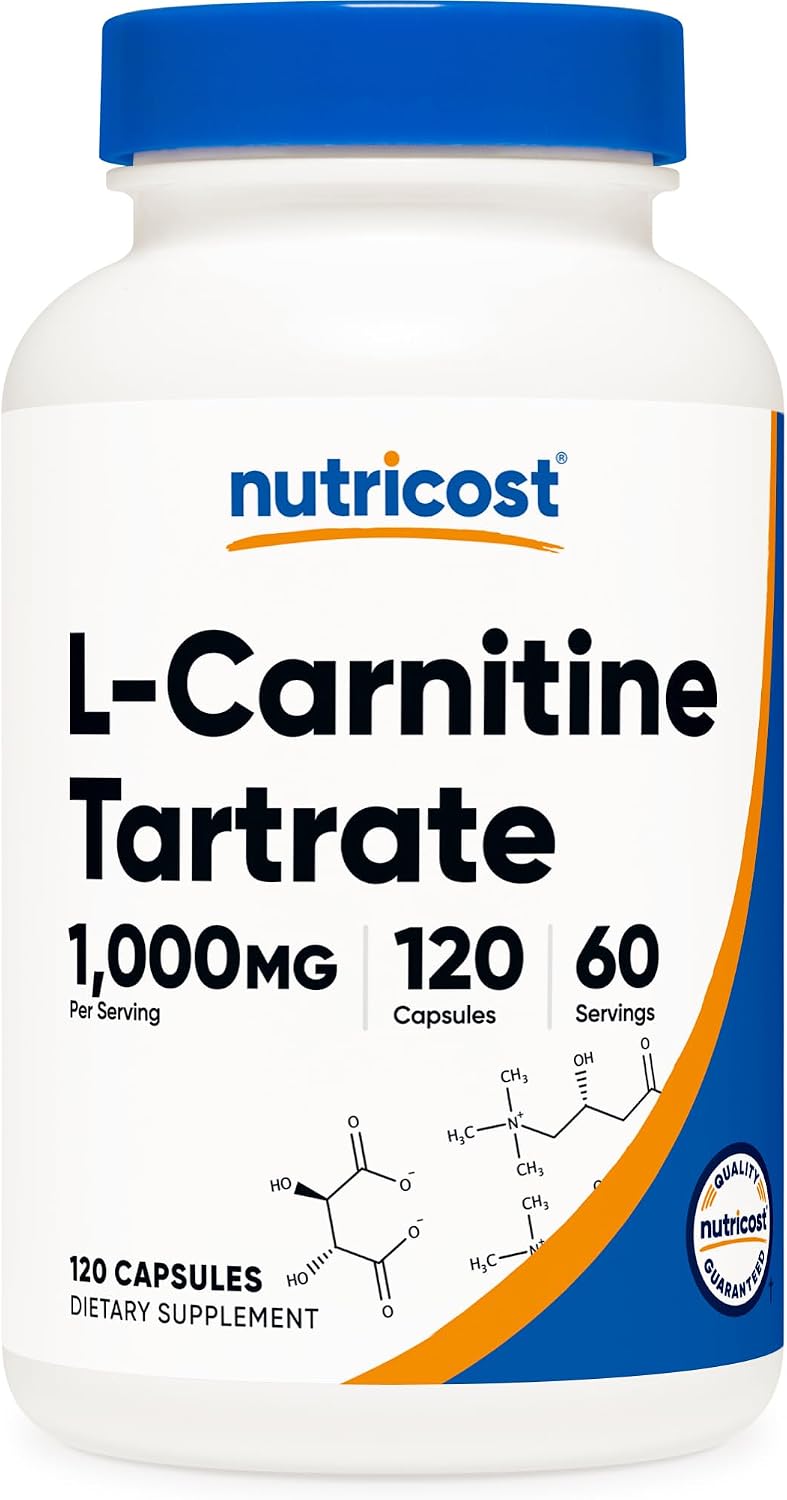
Nutricost L-Carnitine Tartrate is the value pick: 60 servings of 1,000mg capsules for $14.95, which works out to about $0.25 per 1,000mg serving. Taking two capsules per day gives the 2,000mg research dose for roughly $0.50 daily, far below the cost of most branded formulas. The capsules contain L-carnitine L-tartrate only, with no proprietary blends or undisclosed doses, and the brand third-party tests its products.
Bottom line: Nutricost L-Carnitine Tartrate at $14.95 is the Best Budget pick, delivering the same L-carnitine L-tartrate form used in trials at roughly a quarter of the cost per dose of liquid products.
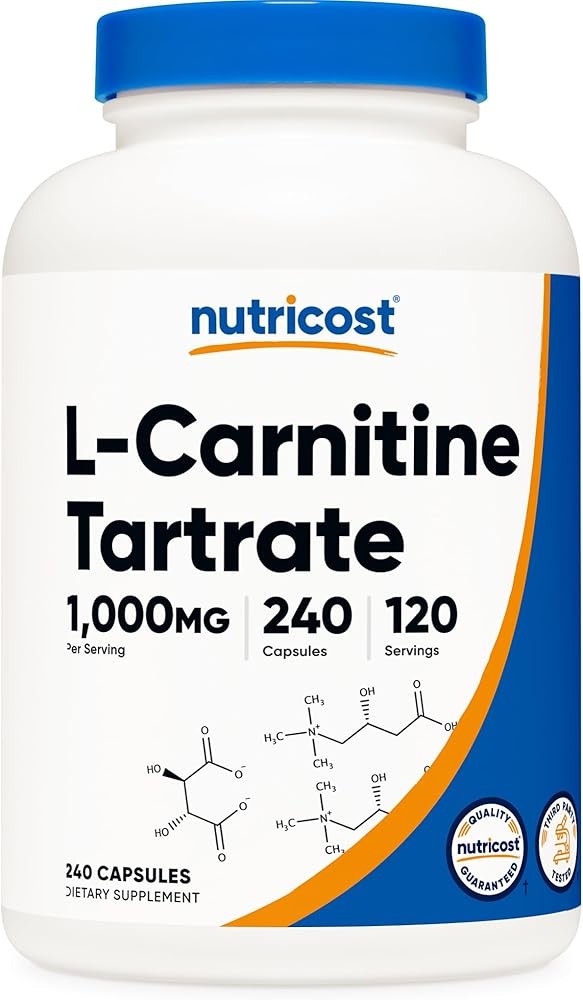
For anyone committing to the 8-12 week protocols this guide recommends, the 240-count bottle is the practical choice. At $19.95 for 120 servings, a full 12-week course at 2,000mg daily costs about $17, and you only reorder every three months. It is the same L-carnitine L-tartrate formula as the 120-count bottle, so the buying decision is purely about serving count and per-dose price.
Bottom line: The 240-count Nutricost bottle at $19.95 is the Best Value pick for the 8-12 week protocols in this guide, with the lowest per-serving cost of any product reviewed.
A note on stacking: products like creatine, CLA, green tea extract, and other supplements discussed in the stacking section are complements to, not substitutes for, an L-carnitine product. Buy a dedicated L-carnitine L-tartrate supplement first, then add stack ingredients separately so you can dose each at its studied amount.
📱 Join the discussion: Facebook | X | YouTube | Pinterest
Frequently Asked Questions
Does L-carnitine work without exercise?
L-carnitine enhances fat oxidation primarily during physical activity when your body mobilizes fatty acids for energy. While the compound supports basic metabolic function even at rest, research demonstrating significant weight loss consistently includes regular exercise as part of the protocol. Sedentary supplementation provides minimal fat loss benefits. You need to create demand for fat burning through cardio and resistance training for L-carnitine to maximize its fat transport and oxidation effects. Think of L-carnitine as making your fat-burning machinery more efficient, but you still need to run the machinery through exercise.
Can vegetarians and vegans get enough L-carnitine from food?
Plant foods contain negligible L-carnitine. Even high amounts of the precursor amino acids lysine and methionine from legumes and grains cannot fully compensate for the absence of preformed carnitine from animal products. Research consistently shows vegetarians and vegans have 50% lower muscle carnitine levels compared to omnivores. Supplementation becomes especially important for plant-based eaters who exercise regularly or want to optimize body composition. The 2,000mg daily dose recommended for weight loss exceeds what even heavy meat eaters obtain from diet alone, making supplementation beneficial for everyone but essential for those avoiding animal products.
Does L-carnitine cause TMAO production and heart disease?
This concern stems from research showing gut bacteria convert carnitine to trimethylamine (TMA), which the liver converts to trimethylamine N-oxide (TMAO). Some epidemiological studies link high TMAO levels to increased cardiovascular disease risk. However, the relationship proves more complex than initially suggested. Recent research indicates that TMAO levels from carnitine supplementation remain far lower than levels from eating fish (which also produces TMAO but clearly provides cardiovascular benefits). The gut bacterial composition determines TMAO production, with vegans and vegetarians producing far less TMAO from carnitine than meat eaters due to different gut flora. Long-term L-carnitine supplementation studies show no adverse cardiovascular effects, and some research demonstrates cardiovascular benefits. The TMAO concern appears overstated for supplemental L-carnitine use at recommended doses.
Should I take L-carnitine on rest days?
Yes, consistent daily supplementation produces better results than taking L-carnitine only on training days. Research showing significant body composition improvements uses daily supplementation for 8-24+ weeks, allowing muscle carnitine content to gradually accumulate. Rest days provide opportunities to take L-carnitine with carbohydrate-containing meals for enhanced absorption without timing around workouts. The compound supports recovery and basic metabolic function even on non-training days. Consistent daily dosing maintains stable muscle carnitine levels rather than creating fluctuations that may reduce overall effectiveness.
Can I take L-carnitine while intermittent fasting?
L-carnitine works excellently with intermittent fasting protocols. Taking L-carnitine during your fasting window doesn’t break the fast since it contains negligible calories. The supplement enhances fat oxidation during fasted periods when your body relies heavily on stored fat for energy. Take L-carnitine 30 minutes before fasted morning cardio to maximize fat burning, or take it at the start of your fasting window to support fat metabolism throughout the fasted period. The enhanced fat oxidation may reduce hunger during fasting windows by more efficiently accessing stored energy. When you reach your feeding window, take another dose with a carbohydrate-containing meal to optimize absorption via insulin response.
How does L-carnitine compare to other fat burners like caffeine or green tea extract?
L-carnitine works through fundamentally different mechanisms than stimulant-based fat burners. Caffeine and green tea extract increase metabolic rate, mobilize fatty acids from storage, and enhance energy expenditure primarily through central nervous system stimulation and catecholamine release. L-carnitine doesn’t mobilize fat or increase metabolic rate; instead, it enhances your body’s ability to burn the fat that’s already been mobilized by ensuring efficient transport into mitochondria. This makes L-carnitine synergistic with stimulant fat burners rather than redundant. Caffeine mobilizes fat, L-carnitine helps burn it. The combination produces superior results to either compound alone. L-carnitine also supports recovery and has minimal side effects compared to stimulants, making it appropriate for long-term continuous use.
Will L-carnitine help me lose belly fat specifically?
No supplement targets specific fat deposits. Fat loss occurs systematically throughout the body based on genetics, hormones, and overall energy balance. However, the meta-analysis found the overall weight loss effect is modest and there is no reliable evidence that L-carnitine preferentially removes fat from the abdomen or hips (PubMed 27335245). This may reflect enhanced mobilization and oxidation of fat from areas with higher concentrations of adipose tissue rather than true spot reduction. L-carnitine helps you lose fat more efficiently overall, which eventually includes stubborn areas like the abdomen, hips, and thighs. The compound makes fat loss easier and potentially faster, but you still need caloric restriction and exercise to create the conditions for any fat loss to occur.
Can I take L-carnitine if I have diabetes?
L-carnitine may benefit individuals with type 2 diabetes. A systematic review and dose-response meta-analysis of randomized trials found L-carnitine supplementation significantly reduced fasting glucose, HbA1c, and insulin resistance in adults with type 2 diabetes (PubMed 36704801). However, L-carnitine may enhance blood sugar-lowering effects of diabetes medications, potentially causing hypoglycemia. If you have diabetes and take medication, consult your physician before starting L-carnitine. You may need medication dose adjustments. Monitor blood glucose closely when beginning supplementation. The metabolic benefits potentially make L-carnitine especially valuable for diabetics, but medical supervision ensures safe integration with existing treatments.
Does L-carnitine boost testosterone or affect hormones?
L-carnitine’s hormonal effects are indirect. The documented benefits are reductions in post-exercise markers of metabolic stress and muscle damage (PubMed 17313301), which support recovery and training quality. Claims that L-carnitine raises testosterone or increases androgen receptor density go beyond what the published research shows. Some studies suggest L-carnitine reduces cortisol-induced tissue damage during training. For optimizing hormonal environment during fat loss and training, L-carnitine provides supportive rather than dramatic effects. It won’t replace testosterone-boosting protocols but may enhance the effectiveness of other hormonal optimization strategies.
How long can I safely take L-carnitine?
Clinical studies ranging from 12 weeks to multiple years show excellent safety profiles with continuous L-carnitine supplementation at recommended doses. Unlike stimulants that may cause downregulation or require cycling, L-carnitine simply restores depleted pools to optimal levels. No evidence suggests tolerance development or reduced effectiveness with long-term use. Many users supplement year-round indefinitely, especially vegetarians, older adults, or athletes with chronically elevated needs. As long as you tolerate L-carnitine without side effects and find it beneficial, continuous supplementation appears safe based on current research. Annual health checkups including thyroid function tests provide reasonable monitoring for long-term users.
When Should You See a Doctor Instead of Self-Supplementing?
L-carnitine is safe for most healthy adults, but some situations call for medical evaluation first:
- Unexplained muscle weakness, fatigue, or low exercise tolerance that is new or progressive can signal an underlying condition (thyroid disease, anemia, or rarely a carnitine metabolism disorder) that needs diagnosis rather than supplementation.
- Type 2 diabetes: carnitine can improve insulin sensitivity and lower blood glucose, which means it can add to the effect of diabetes medication and cause hypoglycemia. Check with your doctor and monitor blood glucose closely when starting (PubMed 36704801).
- Thyroid disease: L-carnitine may inhibit thyroid hormone entry into cells, so anyone on thyroid medication should discuss dosing with their physician (PubMed 11502782).
- Kidney disease or dialysis: carnitine metabolism and clearance are altered in renal impairment; use only under medical supervision.
- Seizure history: rare reports link L-carnitine to seizures in susceptible people, so consult a neurologist first.
- Warfarin or other blood thinners: monitor INR if you start carnitine, since it may enhance anticoagulant effects.
- Pregnancy and breastfeeding: avoid supplemental doses unless a doctor recommends them for a diagnosed deficiency.
If you experience fishy body odor, digestive upset that does not resolve with dose reduction, or any new neurological or cardiovascular symptom, stop and review your regimen with a healthcare provider.
The Bottom Line: Making L-Carnitine Work for Your Goals
L-carnitine enhances fat metabolism by facilitating fatty acid transport into mitochondria, the only cellular location where fat can be burned for energy. This fundamental metabolic role makes L-carnitine essential for optimal body composition, energy production, and athletic performance.
Clinical research demonstrates that supplementation with 2,000mg L-carnitine daily for 8-12+ weeks produces measurable fat loss benefits beyond diet and exercise alone, with studies showing average improvements of 2.9 to 4.5 pounds additional fat loss. Benefits extend beyond weight loss to include reduced muscle damage, faster recovery, improved endurance, and enhanced cognitive function depending on the form used.
The evidence supporting L-carnitine’s effectiveness appears strongest for populations likely to be deficient: vegetarians and vegans who consume minimal dietary carnitine, older adults experiencing age-related declines in endogenous production, athletes depleting stores through intense training, and individuals following extended caloric restriction.
Success requires appropriate dosing (2,000mg daily split into two doses), adequate duration (minimum 8 weeks, optimal 12+ weeks), strategic timing (pre-workout for acute fat burning, with carbohydrates for long-term accumulation), and consistent supplementation combined with regular exercise and appropriate nutrition.
L-carnitine L-tartrate offers the best form for fat loss and athletic performance based on superior bioavailability and extensive research support. Acetyl-L-carnitine serves individuals prioritizing cognitive benefits alongside metabolic enhancement.
The compound demonstrates excellent safety at recommended doses with minimal side effects. Most users tolerate L-carnitine without issues, experiencing only benefits like enhanced energy, improved exercise performance, and accelerated fat loss when combined with proper training and nutrition.
For individuals struggling to lose stubborn body fat despite consistent diet and exercise efforts, following a plant-based diet, over age 50, or training intensely while trying to improve body composition, L-carnitine supplementation offers research-supported benefits that justify the modest investment. The compound won’t replace fundamental fat loss requirements like caloric deficits and regular exercise, but it makes the process more efficient and results more dramatic by removing a metabolic bottleneck that limits fat oxidation capacity.
Start with 1,000-2,000mg L-carnitine L-tartrate daily, split into doses before your primary training sessions or with meals, commit to at least 8-12 weeks of consistent supplementation, and monitor changes in energy levels, exercise performance, recovery, and body composition. The research suggests you’ll burn more fat, preserve more muscle, recover faster, and perform better than relying on diet and exercise alone.
Related Reading
- Best Metabolism Booster Supplements: What Science Says About Speeding Up Your Metabolism
- CoQ10 Benefits: Science-Backed Heart Health & Energy
- Garcinia Cambogia for Weight Loss: What 20 Years of Research Actually Shows
- CLA for Weight Loss: Does Conjugated Linoleic Acid Actually Work?
- Berberine for Blood Sugar and Weight Loss: Complete Research Review
- The Post-Ozempic Protocol: 12-Week Transition Plan to Maintain Weight Loss After Stopping GLP-1s
Recommended Products