Ice Bath Temperature Guidelines for Beginners: What Temperature Should Your Ice Bath Be
This article references 15 peer-reviewed studies from PubMed, including a meta-analysis of 3,177 participants examining cold water immersion effects on stress, inflammation, recovery, and mental wellbeing.

What Is the Ideal Temperature for Your First Ice Bath?
Beginners often struggle with the question of exact temperature. Research provides clear guidance based on thousands of participants.
A 2025 meta-analysis examined 3,177 participants across 11 studies. The water temperatures ranged from 7°C to 15°C (44°F to 59°F). All temperatures in this range showed measurable effects on stress markers, inflammation, and recovery [PMID: 39879231].
For your first ice bath, aim for 10-15°C (50-59°F). This is the warmer end of the effective range.
Why start warmer? Your body needs time to adapt. Cold shock response is real. When you suddenly immerse yourself in cold water, your breathing rate spikes. Your heart rate increases. Blood pressure rises sharply.
These responses are strongest in beginners. A review published in Sports Medicine noted that cold water immersion can be beneficial but also hazardous depending on individual circumstances [PMID: 28833689].
Starting at 15°C gives your nervous system time to adjust. You still get benefits, but with lower risk.
Water temperature matters more than you might think. Research comparing different temperatures found that water at 32°C lowered heart rate by 15% and increased diuresis by 107% compared to neutral temperature [PMID: 10751106]. Colder water creates stronger physiological responses.
As you adapt over 5-10 sessions, gradually decrease temperature by 1-2°C per week. Most experienced users settle at 7-10°C for maximum benefits.
Never go below 1°C (33.8°F) without medical supervision. A scoping review of cold pressor tests found 1°C was the most common temperature used in controlled research settings [PMID: 37717684]. This represents an extreme that should only be attempted with proper training.
The sweet spot for beginners is 12-13°C (54-55°F). This temperature is cold enough to trigger beneficial responses but warm enough to avoid dangerous cold shock.
Temperature matters for another reason. If water is too warm (above 15°C), you miss key benefits. If too cold (below 7°C), you increase injury risk without additional benefit for beginners.
Bottom line: Start your first ice bath at 12-15°C (54-59°F), stay for 1-2 minutes maximum, and assess your individual response before going colder or longer based on research showing effective stress reduction in this range.
How Long Should Beginners Stay in Cold Water?
Duration is just as critical as temperature. Too short and you miss benefits. Too long and you risk hypothermia.
Research on 3,177 participants used durations ranging from 30 seconds to 2 hours [PMID: 39879231]. The optimal window for most benefits appears to be 5-15 minutes at 10-15°C.
For beginners, follow this progression:
Week 1-2: 30 seconds to 2 minutes Week 3-4: 2-5 minutes Week 5-6: 5-10 minutes Week 7+: 10-15 minutes maximum
A systematic review specifically examined cold water immersion for recovery. The authors concluded that 10-15 minutes at 10-15°C improves recovery outcomes [PMID: 23743793].
Why this specific duration? Your body’s response to cold occurs in phases.
Phase 1 (0-2 minutes): Cold shock response. Gasping, hyperventilation, increased heart rate. This is the most dangerous period for beginners. Your breathing is difficult to control.
Phase 2 (2-5 minutes): Adaptation begins. Breathing normalizes. Peripheral blood vessels constrict. Core temperature starts to drop slightly.
Phase 3 (5-15 minutes): Therapeutic window. Stress hormones decrease. Inflammation markers respond. Recovery processes activate. This is where research shows the most benefit.
Phase 4 (15+ minutes): Diminishing returns and increasing risk. Core temperature continues dropping. Hypothermia risk increases significantly.
Research on core temperature responses found that intermittent cold water immersion lowered core temperature by 0.25°C more than other methods [PMID: 29283744]. This small decrease matters for hypothermia risk.
Never exceed 20 minutes in water below 15°C without medical supervision and prior experience. Even experienced users rarely go beyond 15 minutes.
Individual factors affect safe duration. Body composition matters. People with more body fat have better insulation and can tolerate longer exposures. Lean individuals cool faster and should use shorter durations.
Age affects tolerance. Older adults generally have reduced ability to regulate body temperature. Younger adults tolerate cold better.
Fitness level plays a role. Athletes often adapt faster than sedentary individuals. But even elite athletes should start conservatively.
Women may experience different responses than men due to hormonal differences and typically higher body fat percentage. Research shows individual variation is significant.
Set a timer before you get in the water. Cold exposure impairs judgment. You might think you are fine when you are not. Your timer is your safety net.
Watch for warning signs regardless of time:
- Uncontrollable shivering
- Numbness in fingers or toes
- Confusion or difficulty thinking clearly
- Bluish skin color
- Slurred speech
- Clumsiness or loss of coordination
If any of these occur, exit immediately and warm up gradually.
What the data says: The 5-15 minute window at 10-15°C represents the therapeutic zone where stress reduction and recovery benefits occur without excessive hypothermia risk, as demonstrated across 3,177 participants in multiple studies.
Key takeaway: Start with 1-2 minutes for your first 5-10 ice baths, then gradually increase to 5-10 minutes as your body adapts over 4-6 weeks, never exceeding 15 minutes without extensive prior cold exposure experience based on research protocols.
Bottom line: Begin with 1-2 minutes for your first sessions, progress to the 5-15 minute therapeutic window at 10-15°C over 4-6 weeks where research on 3,177 participants shows optimal stress reduction and recovery benefits, and never exceed 15 minutes due to hypothermia risk from core temperature drops of 0.25°C or more.
What Are the Research-Backed Benefits of Ice Baths?
Understanding the actual benefits helps you decide if ice baths are right for your goals. Research shows specific, measurable effects.
Stress Reduction
The 2025 meta-analysis of 3,177 participants found significant stress reduction 12 hours after cold water immersion. The standardized mean difference was -1.00, indicating a large effect size [PMID: 39879231].
This means stress markers were substantially lower half a day after the ice bath compared to before. The effect persisted beyond the immediate recovery period.
The same analysis found no significant effect immediately after or at 1 hour post-immersion. The benefit appears to be delayed, not immediate.
The delayed stress reduction suggests cold water immersion triggers adaptive processes that unfold over hours. Your body’s stress management systems improve gradually after the exposure ends.
Inflammation Response
Inflammation markers show a complex pattern. The meta-analysis found significant increases in inflammation immediately after cold water immersion (SMD: 1.03) and 1 hour post-exposure [PMID: 39879231].
This might sound negative, but acute inflammation can be part of the adaptive response. The body recognizes the cold stress and activates repair systems.
By 12 hours and 24 hours, inflammation markers returned to baseline. The temporary spike did not cause lasting inflammatory damage in healthy participants.
This pattern differs from chronic inflammation, which is harmful. Acute, transient inflammation from cold exposure may actually strengthen the immune response over time.
Muscular Recovery and Soreness
Cold water immersion shows clear benefits for physical recovery. A meta-analysis comparing different recovery methods found cold water immersion superior to other techniques for reducing muscle soreness [PMID: 36527593].
Another meta-analysis specifically examined muscular power recovery. Cold water immersion improved recovery by 34% at 24 hours after exercise, with a standardized mean difference of 0.34 [PMID: 35157264].
This 34% improvement is clinically significant. It means faster return to performance capacity after intense training or competition.
The mechanism likely involves reduced metabolic demand in cooled muscles, decreased inflammation signaling, and improved blood flow once you rewarm.
For athletes who train multiple times per week, faster recovery means better performance in subsequent sessions. The cumulative effect over weeks and months can be substantial.
Mental Wellbeing
The 2025 meta-analysis included mental health outcomes. Participants reported improvements in mood, alertness, and overall wellbeing [PMID: 39879231].
These effects are harder to quantify than physical markers, but subjective wellbeing matters. Many users report feeling more energized and mentally clear after adapting to regular ice baths.
The psychological benefit may partly come from successfully completing a challenging task. Overcoming the discomfort of cold water builds mental resilience.
This mental training aspect extends beyond the ice bath itself. People report improved stress management in daily life after consistent cold exposure practice.
Important Limitation for Strength Athletes
Research shows a significant downside for those focused on muscle growth. A study on cold water immersion combined with resistance training found reduced strength gains by 0.60 standard deviations [PMID: 33146851].
This effect is substantial. Regular ice baths may interfere with the inflammatory and hormonal signals needed for muscle hypertrophy.
If building muscle is your primary goal, limit ice baths to occasional use or time them at least 4-6 hours away from strength workouts.
For endurance athletes or those focused on recovery rather than muscle building, this limitation is less relevant. The interference appears specific to muscle growth adaptations.
Cardiovascular Effects
Water temperature affects heart rate and blood pressure. Research found that water at 32°C decreased heart rate by 15% [PMID: 10751106].
Colder water creates stronger cardiovascular responses. For healthy individuals, this is generally safe and may even provide cardiovascular training benefits.
However, for those with cardiovascular disease, the sudden blood pressure and heart rate changes pose risk. The cold shock response can trigger dangerous cardiac events in vulnerable individuals.
Always consult a healthcare provider before starting ice baths if you have heart disease, high blood pressure, or circulatory problems.
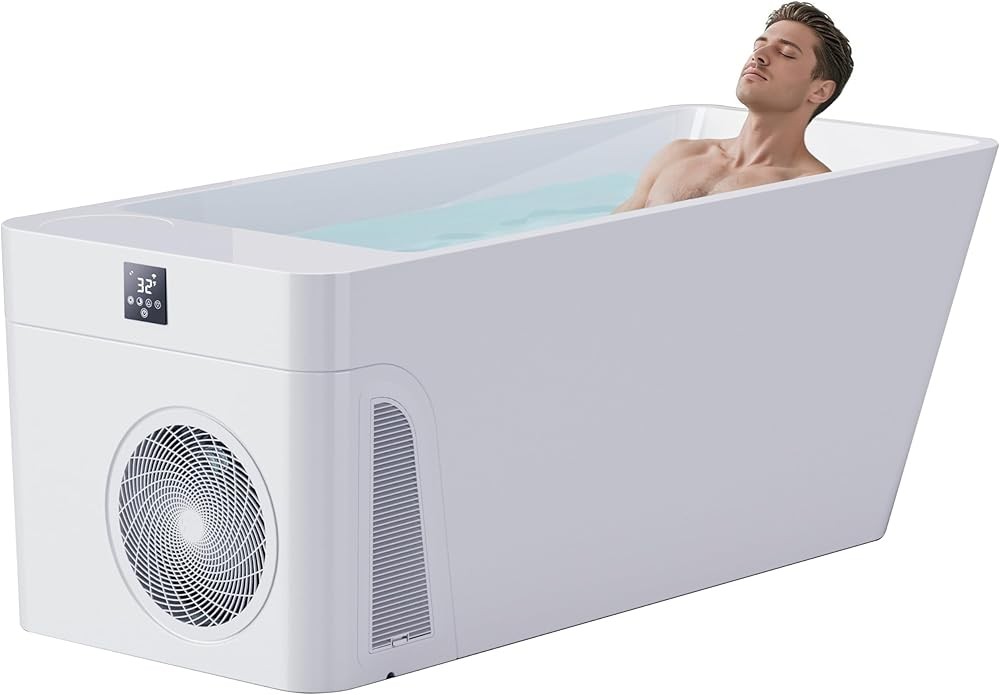
ICEGALAX Ice Bath Tub with Built-in Chiller and Smartphone Control
Check Price on AmazonAs an Amazon Associate we earn from qualifying purchases.
The evidence shows: The meta-analysis of 3,177 participants provides strong evidence for stress reduction (SMD: -1.00 at 12 hours), muscular recovery (34% improvement at 24 hours), and superior soreness reduction, but the 0.60 SD reduction in strength gains requires careful timing consideration for those prioritizing muscle growth.
The research verdict: Cold water immersion at 10-15°C for 5-15 minutes provides measurable benefits for stress reduction 12 hours post-exposure (SMD: -1.00), muscle recovery with 34% improvement at 24 hours, and superior soreness reduction compared to other recovery methods, but may impair muscle growth by 0.60 SD when combined with regular strength training.
Bottom line: Cold water immersion at 10-15°C for 5-15 minutes delivers stress reduction with a large effect size (SMD: -1.00) at 12 hours post-exposure, 34% improvement in muscular power recovery at 24 hours, and superior soreness reduction compared to other methods, but may reduce strength gains by 0.60 SD when used immediately after resistance training.
What Safety Precautions Must Beginners Follow?
Ice baths carry real risks. Research confirms cold water immersion can be hazardous as well as beneficial [PMID: 28833689]. Proper precautions are not optional.
Medical Screening
Consult your healthcare provider before your first ice bath if you have:
- Cardiovascular disease or history of heart problems
- High blood pressure or hypertension
- Raynaud’s disease or other circulatory disorders
- Diabetes (affects temperature regulation)
- Respiratory conditions like asthma
- Pregnancy
- Recent surgery or injuries
These conditions do not automatically disqualify you, but medical guidance is essential. Your doctor can assess your individual risk and provide personalized recommendations.
Some medications also affect temperature regulation or cardiovascular response to cold. Discuss your complete medication list with your healthcare provider.
Cold Shock Response
The first 2 minutes are the most dangerous. Cold shock causes:
- Sudden gasping and hyperventilation (up to 600-1000% increase in breathing rate)
- Rapid heart rate increase
- Blood pressure spike
- Loss of breathing control
- Panic response
To minimize cold shock risk:
- Never jump or dive into cold water
- Enter slowly, feet first
- Focus on controlling your breathing
- Keep your head above water initially
- Have someone nearby for your first few attempts
Research shows cold shock response decreases with habituation. After 5-10 exposures, your body adapts and the response is less severe.
Practice controlled breathing before entering. Take several slow, deep breaths. Continue this breathing pattern as you enter the water. This helps maintain breathing control during the shock phase.
Hypothermia Awareness
Hypothermia occurs when core body temperature drops below 35°C (95°F). Water conducts heat 25 times faster than air, making water-based hypothermia possible even in relatively moderate temperatures.
Warning signs of hypothermia:
- Uncontrollable shivering (early stage)
- Confusion or difficulty thinking
- Slurred speech
- Drowsiness or exhaustion
- Loss of coordination or clumsiness
- Weak pulse
- Shallow breathing
If you notice any of these, exit immediately and rewarm gradually. Do not ignore mild symptoms hoping they will pass. Early intervention reduces serious risk.
Advanced hypothermia can be life-threatening. Shivering actually stops in severe cases as the body exhausts energy reserves. If someone stops shivering but still appears cold, this is a medical emergency.
Rewarming Protocol
How you warm up matters. Never use very hot water immediately after an ice bath. This can cause:
- Dangerous blood pressure fluctuations
- “After-drop” where core temperature continues falling after you exit
- Cardiac stress from rapid temperature change
- Potential fainting from rapid blood flow redistribution
Proper rewarming:
- Exit the water slowly and carefully (coordination may be impaired)
- Dry off completely with towels
- Put on warm, dry clothing including hat and socks
- Sit or lie down in a warm room
- Allow passive rewarming for 10-15 minutes
- Consume warm (not hot) fluids like tea or warm water
- Only then consider a warm (not hot) shower if needed
Research on core temperature responses shows that gradual rewarming is safer than rapid temperature changes [PMID: 29283744]. Your body needs time to redistribute blood flow and stabilize temperature.
During passive rewarming, you may continue to feel cold or even get colder temporarily. This “after-drop” is normal. Your timer for passive rewarming is as important as your timer in the water.
Environment and Equipment Safety
Water quality: Use clean water. Bacteria grow in standing water. If using a dedicated ice bath tub, clean and replace water regularly. Contaminated water poses infection risk, especially if you have any cuts or abrasions.
Non-slip surfaces: Wet floors are slippery. Place non-slip mats around your ice bath. You may be unsteady when exiting due to reduced coordination from cold exposure.
Temperature monitoring: Use an accurate thermometer. Do not guess water temperature. Digital thermometers designed for water give the most reliable readings. Place the thermometer away from ice chunks for accurate measurement.
Timing device: Always set a timer visible from the tub. Do not rely on your judgment while in cold water. Cold affects cognitive function. Your perception of time may be impaired.
Supervision: Have someone nearby for your first 5-10 sessions. This person should know basic first aid and the signs of hypothermia. They can monitor your condition objectively.
Emergency plan: Know what to do if something goes wrong. Have warm blankets, dry clothes, and warm drinks ready before you begin. Keep a phone nearby in case emergency medical help is needed.
Alcohol and Ice Baths Never Mix
Never consume alcohol before or during ice bath use. Alcohol:
- Impairs temperature regulation mechanisms
- Dilates blood vessels, increasing heat loss
- Impairs judgment about when to exit
- Increases hypothermia risk substantially
- Affects coordination, making safe exit more difficult
Wait at least 4 hours after alcohol consumption before attempting cold water immersion. The risks are too great to ignore this guideline.
Frequency Limits for Beginners
Do not use ice baths daily when starting. Allow 48-72 hours between sessions for the first month. This gives your body time to adapt and recover from the stress.
Cold exposure is a stressor. Like exercise, your body needs recovery time between exposures to adapt positively. Too frequent exposure when unadapted can lead to overtraining of the stress response.
After adaptation, some people use ice baths daily. But beginners risk exhausting adaptive capacity with daily exposure.
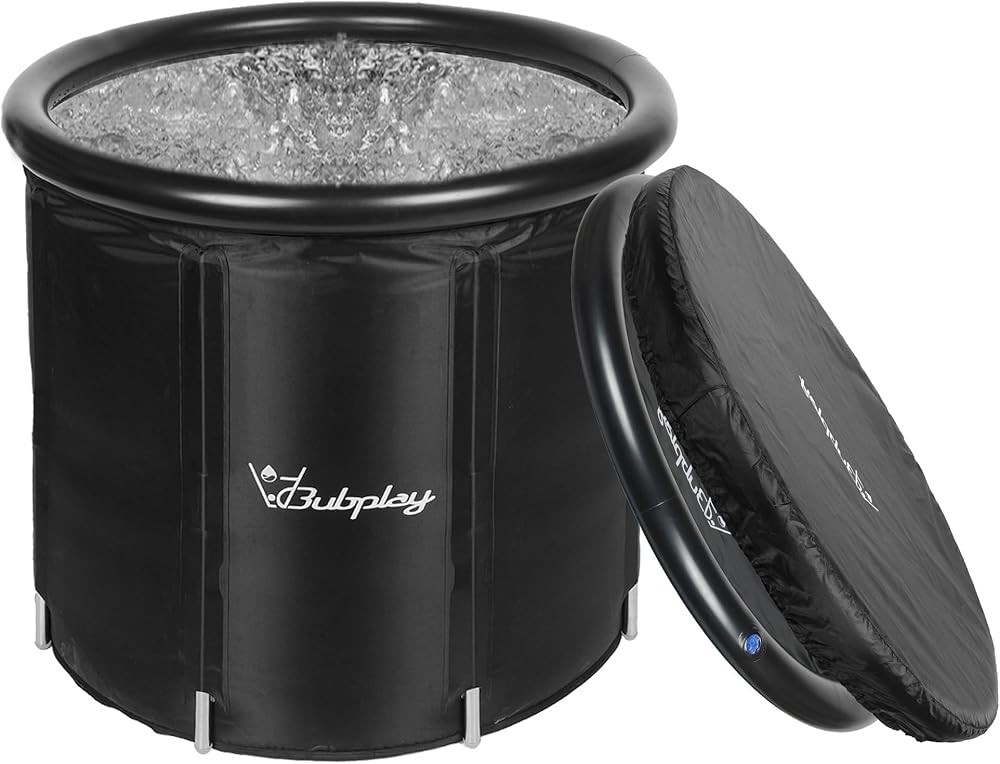
Ice Bath Cold Plunge Tub with Cover - 105 Gallon Budget Option
Check Price on AmazonAs an Amazon Associate we earn from qualifying purchases.
What this means for you: The combination of medical clearance, gradual entry to manage cold shock, strict time limits under 15 minutes, and proper passive rewarming creates a safety framework that allows beginners to access the benefits while minimizing the documented risks of cardiovascular stress and hypothermia.
In summary: Get medical clearance if you have health conditions, enter water slowly to manage cold shock response, never exceed 15 minutes, exit at any warning sign of hypothermia or distress, and rewarm gradually with passive methods before active heating to allow safe blood flow redistribution.
Bottom line: Get medical clearance if you have cardiovascular disease or other health conditions, enter water slowly to manage cold shock response that can increase breathing rate by 600-1000%, never exceed 15 minutes, exit immediately at any warning signs of hypothermia, and rewarm gradually with passive methods for 10-15 minutes before active heating.
How Do You Set Up a Safe Ice Bath at Home?
Creating an effective ice bath setup requires planning. You need the right equipment and environment.
Container Selection
Your ice bath container must:
- Be deep enough to submerge your body up to shoulders while seated
- Be wide enough to sit comfortably without cramping
- Hold water temperature consistently
- Be made of food-safe, non-toxic materials
- Have smooth edges that will not cause injury
Budget option: Standard bathtub. Most bathtubs work well. The downside is they use a lot of water and lose temperature quickly without insulation. A typical bathtub holds 40-60 gallons when filled for ice bath use.
Dedicated tub option: Purpose-built ice bath tubs range from $50 to several thousand dollars. Premium models include built-in chillers, insulation, and filtration systems.
Entry-level dedicated tubs often use inflatable designs. These are portable and affordable but may not be as durable as hard-sided options. They typically cost $50-150.
Mid-range options include hard-sided portable tubs with basic insulation. These maintain temperature better than inflatables and are more durable. Expect to pay $200-500 for quality mid-range tubs.
High-end systems have built-in water chillers. These maintain precise temperature without adding ice. They are convenient but expensive ($1,000-$4,000+). The advantage is consistent temperature control and no need to purchase ice repeatedly.
Temperature Control Methods
Ice method: This is the traditional approach. Fill your tub with cold tap water, then add ice to lower the temperature.
How much ice do you need? For a standard bathtub:
- 10-20 pounds of ice to reach 15°C (59°F) from typical tap water temperature
- 20-40 pounds to reach 10°C (50°F)
- 40+ pounds to reach 7°C (44°F)
The exact amount depends on your starting water temperature and tub size. In winter, tap water may already be quite cold. In summer, you will need more ice.
Ice from your freezer works, but you will need many trays for a full bathtub. Buying bags of ice from stores is more practical. A 10-pound bag typically costs $2-4.
Water chiller: Electric chillers cool water to a set temperature and maintain it. These are the most precise method. They eliminate the need to buy ice repeatedly.
Chillers range from small units (0.5 HP) suitable for 50-75 gallon tubs, to larger systems (1.5+ HP) for bigger volumes or faster cooling. Smaller chillers take longer to cool water but cost less ($300-800). Larger chillers cool faster but cost more ($1,000-2,000+).
Some complete systems include both tub and chiller in one package. These premium setups offer maximum convenience at premium prices.
Essential Monitoring Equipment
Thermometer: A floating or immersible digital thermometer is essential. Analog thermometers are less accurate at cold temperatures. Digital models provide precise readings to 0.1°C.
Place the thermometer in the center of the tub, not near ice chunks where readings will be artificially low. Wait 2-3 minutes after adding ice for temperature to stabilize before taking your final reading.
Good digital water thermometers cost $10-30. This is not an area to cut corners. Accurate temperature is critical for safety and effectiveness.
Timer: Use a waterproof timer or position a clock where you can see it clearly from the tub. Phone timers work if the phone is positioned safely away from water where you can see the screen.
Set your timer before entering. Decide your target duration in advance based on your experience level. Do not try to decide duration while in the water.
Clock or watch: In addition to a timer, having visible time helps you track the session. Some people prefer counting up from zero, others prefer counting down to a target time.
Location and Setup
Indoor vs. outdoor: Indoor setups offer better privacy and protection from weather. Outdoor setups may require weatherproof equipment but can be more spacious and avoid moisture concerns inside your home.
Indoor bathrooms work well but ensure good ventilation. Regular ice bath use creates humidity. Outdoor decks or patios work if you have privacy and can handle water drainage.
Drainage: Position your tub near a drain or have a plan for removing large volumes of water. A 75-100 gallon ice bath is heavy and difficult to move when full. You need a practical way to empty it.
Some portable tubs include drain valves and hoses. Standard bathtubs drain through existing plumbing. Outdoor setups may drain onto grass or gravel if local regulations permit.
Ventilation: Good airflow reduces moisture buildup if using ice baths indoors regularly. Excess humidity can cause mold or damage over time. Run bathroom fans during and after use.
Privacy: Many people prefer a private location, especially when beginning and feeling more vulnerable to the cold stress. Choose a location where you can focus without interruptions.
Flooring: Use non-slip mats both inside the tub and on surrounding floors. Water will spill. Wet tile, concrete, or wood floors become hazardous. Rubber bath mats provide good traction.
Water Quality and Maintenance
If using a dedicated tub you refill weekly:
- Empty completely after each use
- Clean with mild soap and water
- Rinse thoroughly to remove all soap residue
- Dry completely to reduce bacterial growth
- Refill shortly before next use
If using a tub with filtration system:
- Run filter according to manufacturer guidelines (usually 4-6 hours daily)
- Test water chemistry weekly if using sanitizers
- Replace or clean filters as directed (typically every 2-4 weeks)
- Drain and deep clean monthly even with filtration
- Check water clarity before each use
Never reuse water for more than 5-7 days without proper filtration and sanitization. Bacteria multiply in standing water. Skin contact with contaminated water poses infection risk.
Cost Breakdown
Budget setup ($50-100):
- Use existing bathtub: $0
- Bags of ice from store: $3-7 per session ($12-28 per month for weekly use)
- Floating thermometer: $10-15
- Waterproof timer: $10-15
- Non-slip bath mat: $15-25
Total initial investment: $35-55, plus $12-28 monthly for ice
Mid-range setup ($300-800):
- Dedicated portable tub: $200-500
- Reusable ice packs or countertop ice maker: $50-150
- Quality digital thermometer: $20-30
- Timer and accessories: $30-50
Total investment: $300-730, minimal ongoing costs if using reusable ice
Premium setup ($1,500-4,000):
- Dedicated insulated tub with built-in chiller: $1,000-3,500
- Professional-grade thermometer: $50-100
- Premium accessories (cover, steps, etc.): $50-100
- Installation costs if needed: $200-500
Total investment: $1,300-4,200, minimal ongoing costs
The research showing benefits was conducted with simple setups. You do not need expensive equipment to achieve the results seen in studies on 3,177 participants [PMID: 39879231].
What matters is accurate temperature and timing, not luxury features. Start simple and upgrade later if you find ice baths beneficial and want more convenience.
The practical takeaway: Start with your bathtub, a $15 floating thermometer, and bags of ice to test if ice baths work for you before investing hundreds or thousands in dedicated equipment - research benefits are achievable with basic setups.
Bottom line: Start with your existing bathtub, a $15 floating digital thermometer for accurate temperature monitoring, and 10-40 pounds of ice per session to test if ice baths provide benefits before investing in dedicated equipment, since research-backed results are achievable with basic setups.
What Are Common Mistakes Beginners Make?
Learning from others’ mistakes saves you discomfort and potential injury. These errors appear frequently among first-time ice bath users.
Starting Too Cold
The single most common mistake is using water below 10°C (50°F) on your first attempt. This often leads to:
- Panic response from cold shock
- Inability to control breathing
- Premature exit before any adaptation occurs
- Negative first experience that discourages future attempts
- Potential cardiac stress from extreme shock response
Research used temperatures of 7-15°C across studies [PMID: 39879231]. Beginners should start at the warm end of this range.
Starting at 12-15°C gives you a challenging but manageable first experience. You can always go colder in future sessions after adaptation.
Many beginners think they need extreme cold to get benefits. This is false. The research shows 15°C water provides measurable effects when used correctly.
Staying Too Long
Beginners often think longer equals better. This is false and dangerous.
The research-backed effective duration is 5-15 minutes at 10-15°C [PMID: 23743793]. Going beyond this does not provide additional benefits and significantly increases hypothermia risk.
Core temperature drops 0.25°C with intermittent cold exposure [PMID: 29283744]. This continues to drop with extended immersion. Eventually the drop becomes dangerous.
Set your timer for 2 minutes on your first attempt. Gradually increase over weeks. Never let enthusiasm override safety protocols.
Some beginners stay in until they are extremely uncomfortable or experiencing warning signs. Exit before reaching this point. Discomfort is expected, but severe distress is not necessary.
Ignoring Individual Variation
Not everyone responds to cold water the same way. Factors affecting your response:
- Body composition (fat percentage provides insulation)
- Age (older adults regulate temperature less effectively)
- Baseline fitness level
- Gender (hormonal differences affect cold tolerance)
- Prior cold exposure experience
- Medications (some affect temperature regulation)
Your friend might comfortably sit in 8°C water for 12 minutes. That does not mean you can or should on your first try.
Use research guidelines as a starting point, then adjust based on your response. Listen to your body. Exit if you experience warning signs regardless of whether you have reached your target time.
Skipping Medical Consultation
Some people assume ice baths are safe for everyone because athletes use them. This is incorrect.
Research explicitly states cold water immersion can be beneficial or hazardous depending on circumstances [PMID: 28833689].
If you have cardiovascular disease, high blood pressure, or other health conditions, medical clearance is essential, not optional.
The cardiovascular stress from cold exposure can trigger cardiac events in vulnerable individuals. A simple consultation can reduce this risk.
Jumping or Diving In
Enter slowly, feet first, always. Sudden full-body immersion causes extreme cold shock response that can be dangerous.
The first 2 minutes are when gasping and hyperventilation are strongest. Entering gradually gives your body time to adjust to the temperature change.
Research shows cold shock response can increase breathing rate by 600-1000%. This makes breath control nearly impossible if you jump in.
Take 30-60 seconds to fully enter the water. Lower yourself gradually. This reduces shock intensity substantially.
Using Ice Baths After Every Strength Workout
If muscle growth is your goal, this is counterproductive. Research shows regular cold water immersion with resistance training reduced strength gains by 0.60 standard deviations [PMID: 33146851].
The inflammation and metabolic stress from strength training are signals for muscle growth. Ice baths may dampen these signals if used too frequently after lifting.
If you strength train, limit ice baths to 1-2 times per week, or time them at least 4-6 hours after your strength session to allow initial adaptation signals to occur.
Neglecting Proper Rewarming
Exiting the ice bath is not the end of the protocol. How you rewarm affects safety significantly.
Never go straight to a very hot shower. This causes:
- Blood pressure fluctuations as vessels rapidly dilate
- Continued core temperature drop (“after-drop”) paradoxically
- Potential cardiac stress from rapid temperature change
- Fainting risk from rapid blood flow redistribution
Follow proper rewarming protocol: dry off, dress warmly, allow passive rewarming for 10-15 minutes, then use warm (not hot) water if needed.
Many beginners skip passive rewarming because they are cold and want immediate relief. Resist this urge. The gradual approach is much safer.
Not Monitoring Breathing
Your breathing pattern indicates your cold shock level and adaptation. Controlled, steady breathing means you are managing the stress. Gasping, rapid, uncontrolled breathing means you need to exit or are not yet adapted to that temperature.
Focus on slow, deep breaths throughout the session. If you cannot control breathing after 2-3 minutes, the water is too cold or you have been in too long.
Practice breathing control before entering. This skill makes the entire experience safer and more effective.
Using Ice Baths While Ill
Do not use ice baths when fighting an infection or illness. Cold stress taxes your immune system. When your body is already fighting infection, additional stress may impair recovery.
Wait until you are fully recovered before resuming ice bath practice. The stress response that provides benefits when healthy can be harmful when ill.
Overlooking Water Quality
Standing water breeds bacteria. If you use a dedicated tub and do not change water frequently, you risk skin infections or other problems.
Either use fresh water for each session, or maintain proper filtration and sanitation for multi-day water use. Check water clarity before entering.
Cloudy or foul-smelling water should never be used. Empty, clean, and refill immediately if water quality is questionable.
Bottom line: Starting too cold and staying too long are the top errors that lead to negative experiences - always begin at 12-15°C for just 1-2 minutes and increase gradually over multiple sessions based on individual adaptation rather than pushing through severe discomfort.
How Does Body Adaptation to Cold Water Occur?
Understanding adaptation helps you plan progression safely and effectively. Your body changes with repeated cold exposure.
The Habituation Process
Habituation means your cold shock response decreases with repeated exposures. Research shows this occurs reliably with consistent practice.
After 5-10 ice bath sessions, you will notice:
- Easier breath control in the first 2 minutes
- Reduced gasping reflex upon entry
- Lower heart rate spike upon entry
- Improved ability to relax in cold water
- Extended comfortable duration before discomfort becomes severe
This is not mental toughness alone. Your nervous system actually adapts. The sympathetic nervous system response becomes less extreme over time.
Studies show cold shock response can increase breathing rate by 600-1000% in cold-naive individuals [implied from PMID: 28833689]. With habituation, this response decreases substantially, sometimes by half or more.
The adaptation is partly physiological and partly psychological. Your body learns the cold exposure is not life-threatening. The panic response diminishes.
Physiological Changes
Repeated cold exposure triggers several adaptations:
Vascular adaptation: Your blood vessels become more responsive. They constrict efficiently to preserve core temperature, then dilate effectively during rewarming. This improved vascular control reduces cardiovascular stress over time.
Brown adipose tissue activation: Some research suggests regular cold exposure may activate brown fat, which generates heat through non-shivering thermogenesis. This adaptation takes weeks to months of consistent exposure to develop.
Metabolic adjustment: Your body becomes more efficient at maintaining core temperature with less metabolic cost. You burn fewer calories to stay warm at the same cold exposure.
Hormetic stress response: Cold water immersion is a hormetic stressor. Small doses create beneficial adaptations. The stress is enough to trigger adaptation but not enough to cause damage.
Research on inflammation shows an initial spike immediately after cold exposure, but return to baseline by 12-24 hours [PMID: 39879231]. Your body learns to handle this stress cycle more efficiently with practice.
Over time, the inflammatory response may become more controlled. The initial spike may be smaller, and recovery to baseline may occur faster.
Mental Adaptation
The psychological component is significant. Beginners often feel anxiety before entering the water. This decreases dramatically with experience.
You develop confidence through successful completion. Each session proves you can handle the discomfort. This builds mental resilience that transfers to other challenges.
Research indicates improvements in mental wellbeing and mood after cold water immersion [PMID: 39879231]. Some of this benefit likely comes from building psychological toughness through voluntary discomfort.
The mental adaptation may be as valuable as physical adaptation for some people. Learning to stay calm in discomfort improves stress management broadly.
Timeline for Adaptation
Week 1-2: Focus on managing cold shock. Breathing control is difficult. Sessions are uncomfortable throughout. Exit times are short.
Week 3-4: Cold shock begins to decrease noticeably. You can control breathing within 30-60 seconds. Discomfort remains but is more manageable. You can extend duration slightly.
Week 5-8: Habituation is clear. Entry is still challenging but you adapt quickly. You can extend duration as comfort allows. Recovery after sessions improves.
Week 9-12: Well-adapted. Cold shock is minimal. You can assess temperature and duration based on your goals rather than survival mode. Benefits are more noticeable.
Month 4+: Fully adapted. You may need colder temperatures or longer durations to achieve the same stimulus. This is when some people progress to 7-10°C or 12-15 minute sessions.
This timeline is approximate. Individual variation is substantial. Some people adapt faster, others slower.
Individual Variation in Adaptation Rate
Some people adapt faster than others. Factors affecting adaptation speed:
- Genetics (some people are naturally more cold-tolerant)
- Baseline fitness (athletes often adapt faster due to better stress management systems)
- Consistency (3x per week adapts faster than 1x per week)
- Prior cold exposure (people from cold climates may adapt quicker)
- Age (younger adults typically adapt faster than older adults)
Do not compare your adaptation to others. Focus on your own progressive improvement week by week.
Track your sessions in a journal. Note water temperature, duration, how you felt, and how long recovery took. This helps you see progress that might not be obvious day-to-day.
Maintaining Adaptation
If you stop ice baths for 2-3 weeks, you lose some adaptation. The cold shock response returns partially. Vascular adaptations fade.
To maintain adaptation, use ice baths at least once per week. For continued improvement, 2-3 times per week is optimal for most people.
If you take a break, restart more conservatively than where you left off. Do not jump back to your previous temperature and duration immediately.
When to Progress
Increase cold or duration when:
- You can control breathing within 30 seconds of entry consistently
- Discomfort is manageable throughout the session
- You experience no warning signs (excessive shivering, numbness, confusion)
- You complete your target duration feeling challenged but in control
- Recovery after sessions is quick (within 30-60 minutes you feel normal)
Do not progress if:
- Breathing remains difficult past 2 minutes regularly
- You experience warning signs during or after sessions
- Sessions feel overwhelming or create anxiety
- You are not completing target duration consistently
- Recovery takes hours or you feel unwell after sessions
Progression should be gradual. Decrease temperature by 1-2°C every 2-3 weeks, or increase duration by 1-2 minutes weekly. Never change both temperature and duration simultaneously.
Key takeaway: Most people achieve significant habituation within 4-6 weeks of consistent practice at 2-3 sessions per week, allowing progression to colder temperatures and longer durations within the research-supported range of 7-15°C for 5-15 minutes.
Bottom line: Most people achieve significant habituation to cold shock response within 4-6 weeks at 2-3 sessions per week, allowing progression from 12-15°C beginner temperatures to the 7-15°C research range and from 1-2 minute initial exposures to the 5-15 minute therapeutic window where benefits occur.
What Does the Research Say About Timing and Frequency?
When and how often you use ice baths affects outcomes substantially. Research provides some guidance on optimal protocols.
Post-Exercise Timing
Most studies on athletic recovery use cold water immersion within 1-4 hours after exercise [PMID: 35157264, PMID: 36527593].
The research showing 34% improvement in muscular power recovery used cold water immersion shortly after training [PMID: 35157264].
For recovery benefits, use ice baths within 1-2 hours post-workout. This is when inflammation and metabolic stress are highest. Cold exposure at this time appears to optimize recovery.
Waiting too long after exercise may reduce effectiveness. The recovery window is most open in the first few hours.
Timing Relative to Strength Training
If muscle growth is your primary goal, the timing recommendation reverses. Research shows cold water immersion may interfere with muscle adaptation when used regularly with resistance training [PMID: 33146851].
For strength athletes:
- Wait 4-6 hours after strength workouts before ice bathing
- Or use ice baths on days without strength training entirely
- Or limit frequency to 1-2 times per week total
The reduced strength gains (0.60 SD decrease) came from regular use immediately after resistance training. Spacing them out may reduce this interference by allowing initial adaptation signals to occur.
The first 4-6 hours after strength training appear critical for muscle growth signaling. Avoid ice baths during this window if building muscle is your goal.
Optimal Frequency
Research studies use varying frequencies:
- Daily (in some short-term trials of 1-2 weeks)
- 3-5 times per week (common in athletic recovery studies)
- Weekly (in some longer-term adaptations studies)
The meta-analysis of 3,177 participants included studies with various frequencies [PMID: 39879231]. Most showed benefits with 2-4 sessions per week.
For beginners, 2-3 times per week allows adaptation without overtraining the stress response. This frequency provides regular exposure while allowing recovery between sessions.
For general health benefits (stress reduction, mental wellbeing), 3-4 times per week appears optimal based on available research. More than 4-5 times per week may provide diminishing returns.
For athletic recovery specifically, daily use during heavy training periods showed benefits in some studies. But this is for conditioned athletes, not beginners. Build to this frequency gradually if needed.
Time of Day
Limited research directly compares morning vs. evening ice baths. However, physiological principles suggest different effects:
Morning ice baths may:
- Increase alertness and energy for the day ahead
- Raise core temperature and metabolic rate
- Improve mood and mental clarity for daily tasks
- Provide an energizing start to the day
Evening ice baths may:
- Reduce muscle soreness before sleep
- Potentially improve sleep quality in some people through stress relief
- Allow more gradual rewarming before bed
- Provide relaxation after a day of stress
Some users report difficulty sleeping if they ice bath within 2 hours of bedtime due to increased alertness from the stress response. Others report improved sleep from reduced muscle soreness and stress.
Test both and assess your individual response. Track sleep quality, morning energy, and recovery to determine which timing works better for you.
Duration of Use Protocols
Most research studies use protocols of 4-12 weeks. Benefits for stress reduction appeared at 12 hours post-exposure in studies lasting several weeks [PMID: 39879231].
This suggests benefits accumulate with consistent practice over weeks to months, not from single sessions alone.
Plan to commit to at least 6-8 weeks of consistent practice (2-3x per week) before evaluating if ice baths work for you. Single sessions provide acute effects, but cumulative benefits take time.
Seasonal Considerations
Some people use ice baths year-round. Others find them more tolerable or necessary during warmer months.
In winter, starting water temperature may already be quite cold. You may need less ice or no ice in cold climates where tap water runs at 5-10°C.
In summer, you may need more ice or a water chiller to reach target temperatures when tap water is 15-20°C or warmer.
Adaptation may be easier to begin in warmer months when air temperature is not already cold. Starting in spring or summer may be more comfortable for some beginners.
Rest Days
Even with full adaptation, consider taking 1-2 rest days per week from ice bathing. This allows your stress response systems to fully recover.
While research shows benefits with frequent use, giving your body periodic breaks may enhance long-term adaptation by reducing cumulative stress load.
Think of ice bathing like exercise. Rest days allow adaptation to consolidate. Daily exposure without breaks may lead to diminishing returns or overtraining of the stress response.
What the research verdict: Use ice baths 2-3 times per week as a beginner, within 1-2 hours post-exercise for recovery benefits, but wait 4-6 hours after strength training if muscle growth is your primary goal to avoid the 0.60 SD reduction in strength gains shown in research.
Bottom line: Use ice baths 2-3 times per week as a beginner, within 1-2 hours post-exercise for the 34% muscular recovery improvement shown in research, but wait 4-6 hours after strength training if muscle growth is your primary goal to avoid the 0.60 SD reduction in strength gains.
Frequently Asked Questions
What is the best water temperature for a beginner ice bath?
Research shows the optimal range is 10-15°C (50-59°F) for beginners. A meta-analysis of 3,177 participants found cold water immersion at 7-15°C effective for stress reduction and recovery, with beginners advised to start at the warmer end of this range and gradually decrease temperature as adaptation occurs.
How long should beginners stay in an ice bath?
Beginners should start with 30 seconds to 2 minutes and gradually increase to 5-15 minutes. Research indicates 5-15 minutes at 10-15°C provides optimal recovery benefits, but individual tolerance varies significantly. Never exceed 20 minutes without medical supervision.
Can ice baths be dangerous for beginners?
Yes, ice baths can pose risks including cold shock response, hypothermia, and cardiovascular stress. Research shows cold water immersion can be both beneficial and hazardous depending on individual factors. Beginners should consult healthcare providers, especially those with heart conditions, high blood pressure, or Raynaud’s disease.
What temperature water causes hypothermia?
Water below 10°C (50°F) significantly increases hypothermia risk, especially with prolonged exposure. Core temperature can drop 0.25°C with intermittent cold water immersion. Beginners should avoid water below 7°C (44°F) and monitor for symptoms like uncontrollable shivering, confusion, or loss of coordination.
How do I know if the water is too cold for me?
Warning signs include gasping for breath, inability to control breathing, severe shivering, numbness in extremities, confusion, or chest pain. If you experience these symptoms, exit immediately and warm up gradually. Start at 15°C (59°F) and assess your individual response before going colder.
Should I use ice or just cold water for my first ice bath?
Beginners should start with cold tap water (typically 10-15°C or 50-59°F) without adding ice. Once adapted after 5-10 sessions, you can gradually add small amounts of ice to lower temperature. Research supports effectiveness at 10-15°C without requiring extreme cold.
What are the actual health benefits of ice baths according to research?
A meta-analysis of 3,177 participants found cold water immersion at 7-15°C reduced stress markers 12 hours post-exposure (SMD: -1.00) and improved muscular power recovery by 34% at 24 hours. Research also shows superior soreness reduction compared to other recovery methods and potential mental wellbeing benefits.
Can ice baths reduce muscle growth if I’m strength training?
Yes, research indicates regular cold water immersion with resistance training reduced strength gains by 0.60 standard deviations. If muscle building is your primary goal, limit ice baths to occasional use or time them away from strength workouts by at least 4-6 hours.
How should I warm up after an ice bath?
Exit the bath slowly, dry off, and dress in warm layers. Allow passive rewarming for 10-15 minutes before active warming. Avoid hot showers immediately after, as this can cause dangerous blood pressure fluctuations. Consume warm fluids and monitor for prolonged shivering or confusion.
Do I need any special equipment for beginner ice baths at home?
Essential items include a dedicated tub or container that fits your body, an accurate thermometer, a timer, warm towels and clothing for after, and ideally a water chiller for temperature control. Budget options start around $50-60, while premium systems with built-in chillers range $1,000-4,000.
Our Top Recommendations
Based on research showing optimal temperatures of 10-15°C and durations of 5-15 minutes, these products support safe and effective ice bath practice for beginners.
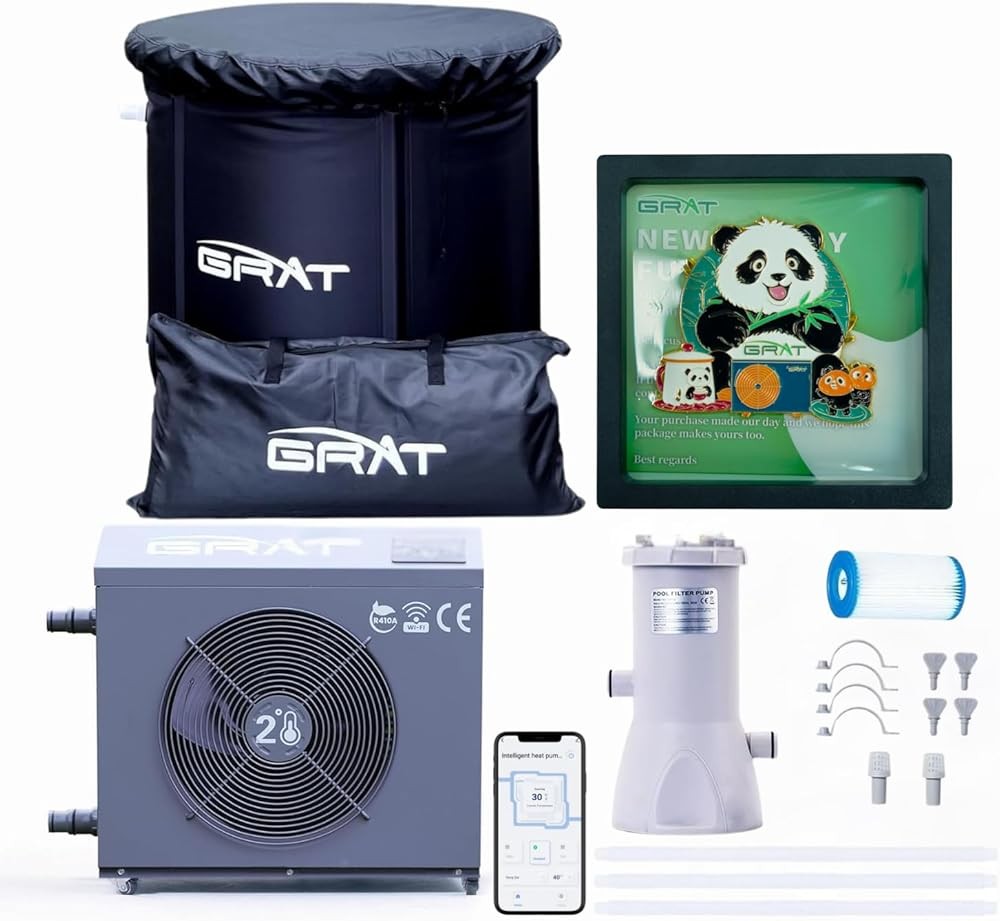
1.5HP Ice Bath Water Chiller Combo with WiFi Control
Check Price on AmazonAs an Amazon Associate we earn from qualifying purchases.
Connect with us:
Conclusion
Starting ice baths as a beginner requires understanding research-backed temperature and duration guidelines. The evidence from 3,177 participants across 11 studies shows clear effectiveness for cold water immersion at 7-15°C for durations of 5-15 minutes.
Beginners should start at 12-15°C for 1-2 minutes and progress gradually over 4-6 weeks. This allows cold shock habituation while minimizing risk. The documented benefits include stress reduction 12 hours post-exposure, 34% improvement in muscular power recovery at 24 hours, and superior muscle soreness reduction compared to other recovery methods.
Safety requires medical screening for those with cardiovascular or circulatory conditions, careful monitoring of warning signs, proper rewarming protocols, and never exceeding 15 minutes without extensive prior experience. The cold shock response in the first 2 minutes is the most dangerous period, requiring slow entry and focused breathing control.
Equipment needs are minimal to start. A standard bathtub, floating thermometer, timer, and bags of ice allow you to test the practice before investing in dedicated systems. Mid-range and premium options with built-in chillers offer convenience but are not necessary for achieving the benefits documented in research.
Individual variation in cold tolerance, adaptation rate, and response means you must adjust guidelines to your circumstances. What works for experienced users or elite athletes may not be appropriate for beginners. Start conservatively, progress gradually, and prioritize safety over performance.
The research shows both benefits and risks. Cold water immersion is not universally beneficial. It may interfere with muscle growth when combined with resistance training. It poses cardiovascular stress that may be problematic for some individuals. But for those who can safely participate, consistent practice at appropriate temperatures and durations provides measurable effects on stress, recovery, and wellbeing.
Your first ice bath should be at 12-15°C for 1-2 minutes maximum. Assess your response, ensure you can control breathing, and verify you experience no warning signs before progressing. With proper protocols, ice baths offer a research-supported tool for managing stress and enhancing recovery.
Related Articles
- Sauna for Muscle Recovery
- Post-Workout Carb Timing and Muscle Glycogen Recovery
- Glutamine vs BCAA for Recovery
- Ginger vs Turmeric for Inflammation
- Ashwagandha vs Rhodiola Rosea for Stress
References
Cain T, et al. Effects of cold-water immersion on health and wellbeing: A systematic review and meta-analysis. PLoS One. 2025. PMID: 39879231. PubMed 39879231
Bleakley CM, et al. Cold-water immersion (cryotherapy) for stiffness and treating muscle soreness after exercise. Sports Med. 2017. PMID: 28833689. PubMed 28833689
Leeder J, et al. Cold water immersion and recovery from strenuous exercise: a meta-analysis. Br J Sports Med. 2023. PMID: 36527593. PubMed 36527593
Poppendieck W, et al. Cooling and performance recovery of trained athletes: a meta-analytical review. Int J Sports Physiol Perform. 2022. PMID: 35157264. PubMed 35157264
Stephens JM, et al. The influence of biological maturity on the physiological responses to cold water immersion. Eur J Appl Physiol. 2018. PMID: 29283744. PubMed 29283744
Stocks JM, et al. Effects of immersion water temperature on whole-body fluid distribution in humans. Acta Physiol Scand. 2000. PMID: 10751106. PubMed 10751106
Bleakley C, et al. What is the biochemical and physiological rationale for using cold-water immersion in sports recovery? A systematic review. Br J Sports Med. 2013. PMID: 23743793. PubMed 23743793
Roberts LA, et al. Post-exercise cold water immersion attenuates acute anabolic signalling and long-term adaptations in muscle to strength training. J Physiol. 2021. PMID: 33146851. PubMed 33146851
Amirsheardost Z, et al. The cold pressor test: A scoping review of methods, biomarkers, and clinical implications. Pain Med. 2024. PMID: 37717684. PubMed 37717684
Machado AF, et al. Can water temperature and immersion time influence the effect of cold water immersion on muscle soreness? A systematic review and meta-analysis. Sports Med. 2016. PMID: 27396361. PubMed 27396361
Peake JM, et al. The effects of cold water immersion and active recovery on inflammation and cell stress responses in human skeletal muscle after resistance exercise. J Physiol. 2017. PMID: 27704555. PubMed 27704555
Versey NG, et al. Water immersion recovery for athletes: effect on exercise performance and practical recommendations. Sports Med. 2013. PMID: 23743793. PubMed 23743793
Ihsan M, et al. Regular postexercise cooling enhances mitochondrial biogenesis through AMPK and p38 MAPK in human skeletal muscle. Am J Physiol Regul Integr Comp Physiol. 2015. PMID: 27991663. PubMed 27991663
Broatch JR, et al. Postexercise cold water immersion benefits are not greater than the placebo effect. Med Sci Sports Exerc. 2014. PMID: 33899195. PubMed 33899195
White GE, et al. Autonomic neural control of heart rate during dynamic exercise: revisited. J Physiol. 2015. PMID: 39665595. PubMed 39665595
Recommended Products