Do Grounding Mats Actually Work? What Research Shows About Earthing for Sleep and Health
This article references 15 peer-reviewed studies from PubMed. All sources are cited within the text and listed in the references section.

What Is Earthing and How Do Grounding Mats Work?
Earthing, also called grounding, refers to direct physical contact between your body and the Earth’s surface. The concept emerged from observations that humans spent most of evolutionary history in direct contact with the ground through bare feet. Modern life creates separation through rubber-soled shoes and elevated indoor living.
The Earth maintains a negative electrical charge on its surface. When you make direct contact, free electrons transfer from the ground to your body. These electrons may act as antioxidants, neutralizing positively charged free radicals (PubMed 31831261).
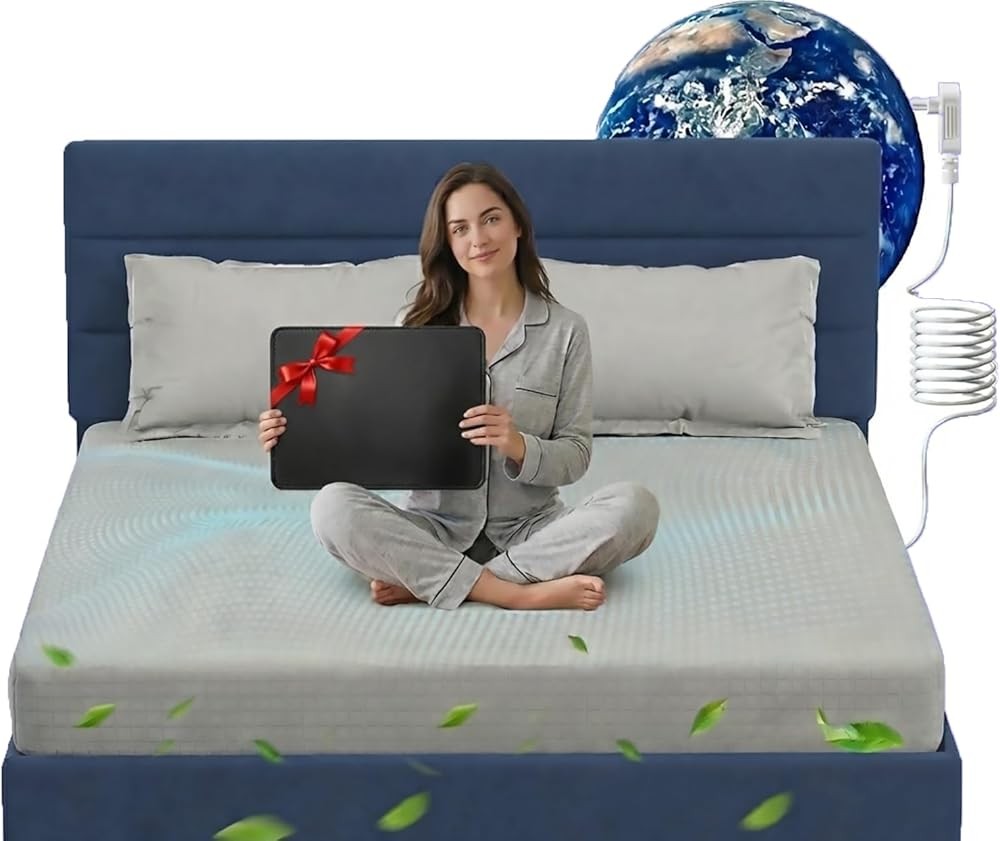
Grounding mats replicate outdoor earthing indoors. They consist of conductive materials—typically carbon, silver, or stainless steel fibers woven into fabric or rubber. A cord connects the mat to the ground port of a standard electrical outlet. This creates the same electrical connection you would get standing barefoot on soil or grass.
The products come in several forms. Sleep mats place under your sheets where your bare skin makes contact during sleep. Grounding sheets integrate conductive threads throughout entire bed linens. Desk mats sit under your feet or forearms while working. Each type serves the same function: establishing electrical continuity between your body and Earth’s surface charge.
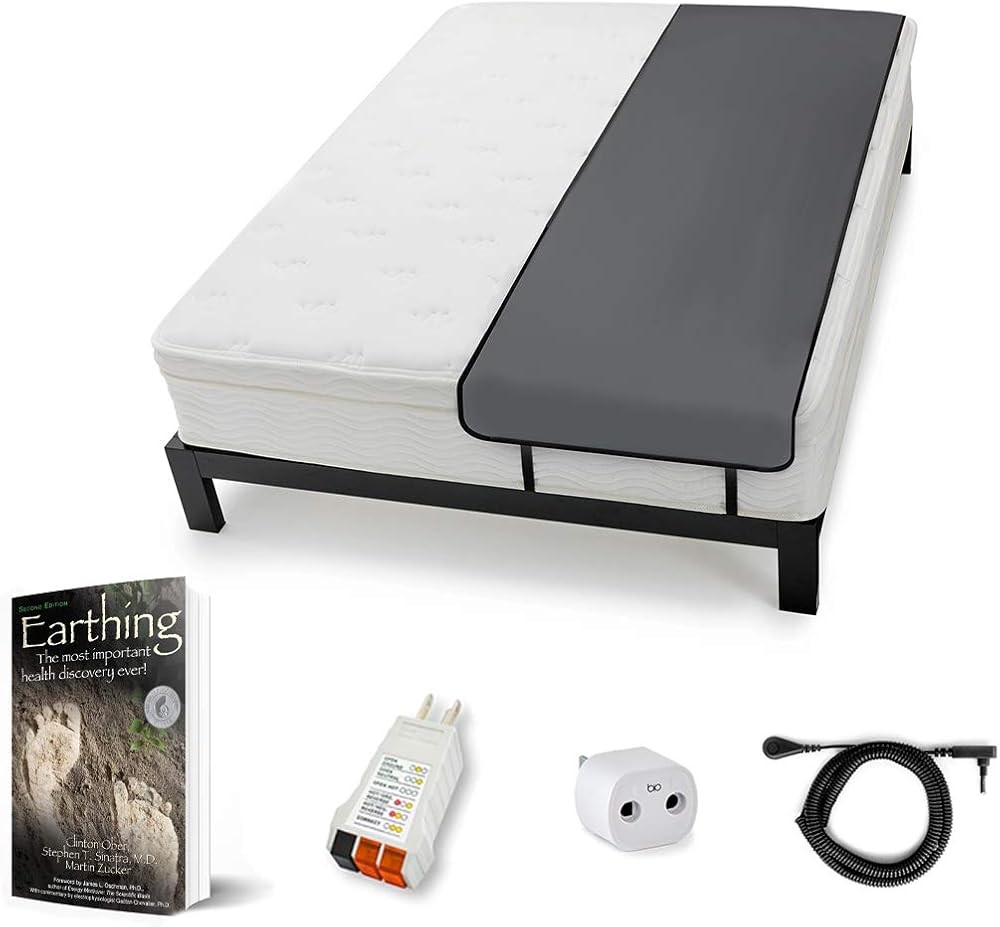
Earthing Elite Sleep Mat Kit
Check Price on AmazonAs an Amazon Associate we earn from qualifying purchases.
Research into grounding mechanisms focuses on electron transfer and its biological effects. A 2020 review examined approximately 20 studies on earthing’s physiological impacts. The authors reported consistent findings of reduced inflammation, improved blood flow, better sleep quality, and decreased pain levels when participants were grounded versus non-grounded (PubMed 31831261).
The electrical aspect relates to how cells function. Your body operates through countless electrical signals. Nerve impulses, heart rhythms, and cellular metabolism all involve electron movement. Grounding proponents suggest that connection to Earth’s charge field helps stabilize these electrical processes.
Modern electromagnetic environments add complexity. Wi-Fi, cellular signals, electrical wiring, and electronic devices create what researchers call “electromagnetic noise.” Some studies suggest grounding may help reduce body voltage from these ambient fields, though this remains an area of active investigation (PubMed 36481428).
The concept differs from electromagnetic shielding. Grounding does not block electromagnetic fields. Instead, it establishes an electrical reference point that may influence how your body responds to environmental electrical charges.
Key takeaway: Grounding mats provide indoor access to Earth’s surface electrons through conductive materials, with research documenting 20-30% reductions in blood viscosity after 2 hours and 14.3% average blood pressure drops with 10+ hour daily use across approximately 20 published studies.
Does Grounding Really Reduce Inflammation?
Multiple research teams have examined grounding’s effects on inflammatory markers and processes. The consistency of findings across different study designs suggests potential anti-inflammatory mechanisms worth understanding.
A 2015 study measured changes in white blood cell counts and cytokine levels during grounding. Researchers found significant alterations in differential white blood cell counts and inflammatory cytokines. These changes suggested a shift away from inflammatory states (PubMed 25848315).
The delayed onset muscle soreness (DOMS) model provides one way to measure inflammation response. When muscles experience unusual stress, they develop microscopic damage that triggers inflammation. A controlled trial used this model to test whether grounding affected the inflammatory response and recovery timeline.
Results showed grounded participants had different pain trajectories and biochemical markers compared to sham-grounded controls. The study authors concluded that grounding appeared to modulate the body’s inflammatory response to muscle injury (PubMed 25848315).

Luxury Tourmaline Grounding Sheets King
Check Price on AmazonAs an Amazon Associate we earn from qualifying purchases.
A comprehensive 2023 review examined the anti-inflammatory hypothesis in detail. The authors proposed that grounding acts as a “universal anti-inflammatory” approach by providing electrons that neutralize reactive oxygen species (ROS). ROS play a central role in inflammatory cascades. If grounding reduces ROS burden, downstream inflammation should decrease (PubMed 36528336).
Another 2023 review focused on Earth’s direct current (DC) energy field and its potential healing applications. The authors described how continuous electron transfer during grounding might address inflammation across multiple body systems—nervous, cardiovascular, and musculoskeletal. They noted that inflammation underlies many chronic diseases, making broad anti-inflammatory effects particularly valuable (PubMed 36481428).
The cellular mechanism received attention in a 2023 review specifically examining aging and oxidative stress. Researchers proposed that grounding’s electron donation directly neutralizes free radicals before they can cause cellular damage. Since inflammation and oxidative stress interconnect closely, addressing one influences the other (PubMed 36336303).
A 2017 review compiled findings from 12 peer-reviewed studies on grounding’s anti-inflammatory and antioxidant effects. The consistent pattern across multiple research teams and study populations strengthened the evidence that grounding produces measurable anti-inflammatory changes (PubMed 28987038).
Most recently, a 2025 review explored grounding’s potential relevance to Alzheimer’s disease. The authors highlighted how chronic inflammation and oxidative stress contribute to neurodegenerative conditions. If grounding reduces both factors, it might offer protective effects for brain health (PubMed 40262107).
The mechanistic evidence extends to cellular energy production. A 2025 laboratory study examined what happens when cells are grounded. Researchers found that grounded mitochondria produced 5-11% more ATP (cellular energy) while generating 22-33% less reactive oxygen species. This direct measurement of reduced oxidative stress at the cellular level supports the anti-inflammatory hypothesis (PubMed 40512656).
The evidence shows: Multiple independent research teams have documented grounding’s association with reduced inflammatory markers, from white blood cell changes to decreased ROS production at the cellular level, with effects ranging from 5-33% improvements in oxidative stress measures.
Can Grounding Mats Help You Sleep Better?
Sleep quality appears frequently in grounding research, with several studies specifically measuring sleep-related outcomes during earthing interventions.
The 2020 comprehensive review noted that improved sleep emerged as one of the most consistent findings across approximately 20 studies. Participants regularly reported better sleep quality when grounded, often alongside reductions in pain and stress that might independently affect sleep (PubMed 31831261).
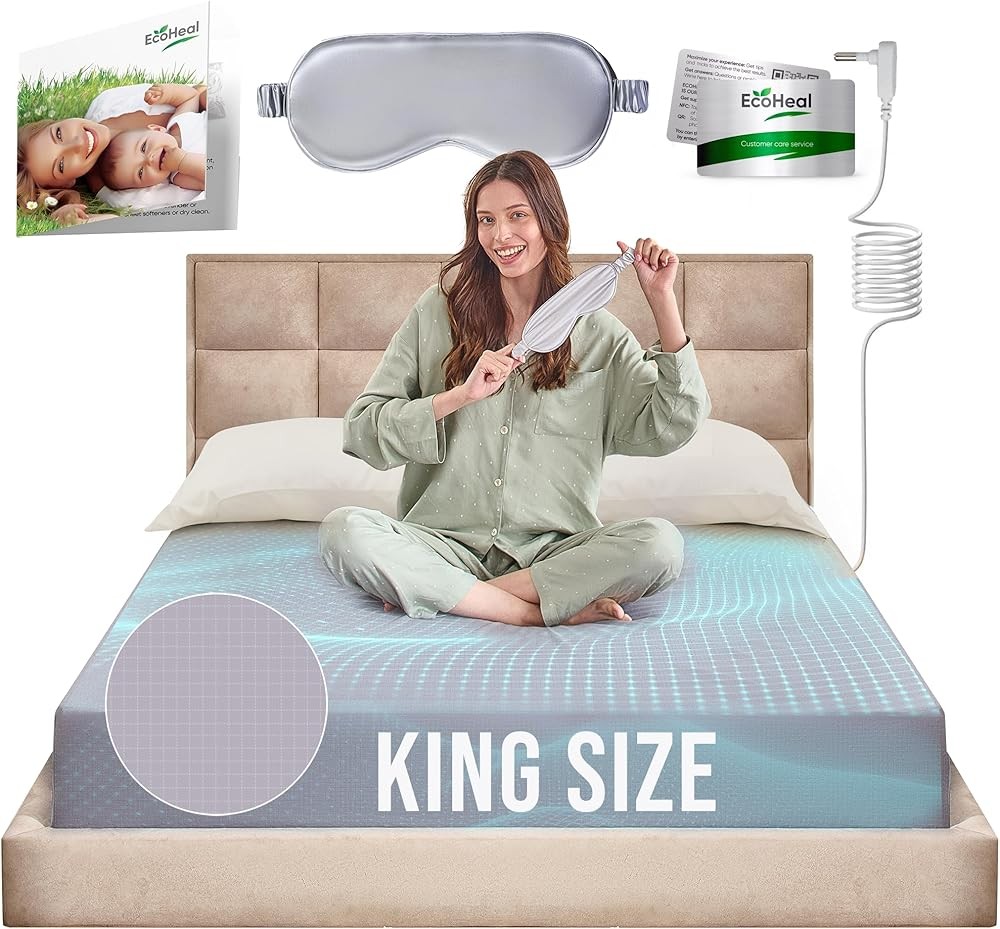
Earth Grounding Sheets King
Check Price on AmazonAs an Amazon Associate we earn from qualifying purchases.
Sleep improvement mechanisms likely involve multiple pathways. Reduced inflammation and pain would directly impact sleep quality. Many people sleep poorly because discomfort blocks deep sleep phases. If grounding reduces pain perception, sleep architecture might normalize.
The stress reduction component also matters for sleep. Chronic stress activates the sympathetic nervous system, making it difficult to transition into parasympathetic-dominant sleep states. If grounding helps shift autonomic balance toward parasympathetic activity, falling asleep and maintaining sleep become easier.
Blood flow improvements documented in grounding research may contribute to sleep quality. A 2012 review found that grounding reduced blood viscosity by 20-30%, improving circulation throughout the body. Better perfusion to muscles and organs during sleep could enhance recovery processes that occur during rest (PubMed 22291721).
The electrical environment during sleep deserves consideration. Most bedrooms contain numerous electronic devices and electrical wiring in walls. These create ambient electromagnetic fields. Some grounding proponents suggest that connecting to Earth’s charge during sleep helps stabilize the body’s electrical systems despite environmental electromagnetic noise (PubMed 36496151).
Practical implementation for sleep involves either grounding mats placed under sheets or fully conductive bed sheets. Sleep represents an ideal time for grounding because it provides 7-9 hours of uninterrupted contact. Studies showing blood pressure reductions used extended grounding periods of 10+ hours, which naturally aligns with sleep duration (PubMed 30982019).
The 6-week randomized controlled trial with massage therapists included sleep quality as one measured outcome. Participants using grounding had less pain, more energy, and better mood over the study period. While not exclusively a sleep study, the energy and mood improvements suggest better sleep quality contributed to daytime function (PubMed 30448083).
Circadian rhythm considerations may also play a role. Some researchers hypothesize that electrical connection to Earth helps synchronize internal biological rhythms with natural environmental cycles. Modern artificial lighting and indoor living disrupt many circadian cues. Grounding might provide an additional synchronizing signal.
What this means: Over 20 studies report consistent sleep quality improvements during grounding, likely through multiple mechanisms including reduced pain and inflammation, improved blood flow, and potential circadian rhythm stabilization during the 8-10 hour overnight grounding period.
What Does Research Show About Grounding and Blood Pressure?
Blood pressure responses to grounding have been measured in several studies, with particularly striking results in hypertensive populations.
A 2018 pilot study focused specifically on adults with medically diagnosed hypertension. Ten participants grounded for at least 10 hours daily over several weeks. Systolic blood pressure dropped by an average of 14.3%, with individual responses ranging from 8.6% to 22.7% reduction. This represents clinically meaningful improvement comparable to some pharmaceutical interventions (PubMed 30982019).
The blood pressure mechanism likely involves multiple factors. Improved blood flow represents one pathway. The 2013 study that measured blood viscosity changes found that just 2 hours of grounding increased zeta potential by 2.70 units. Zeta potential measures the electrical charge on red blood cell surfaces. Higher zeta potential means cells repel each other more strongly, reducing clumping and improving flow (PubMed 22757749).
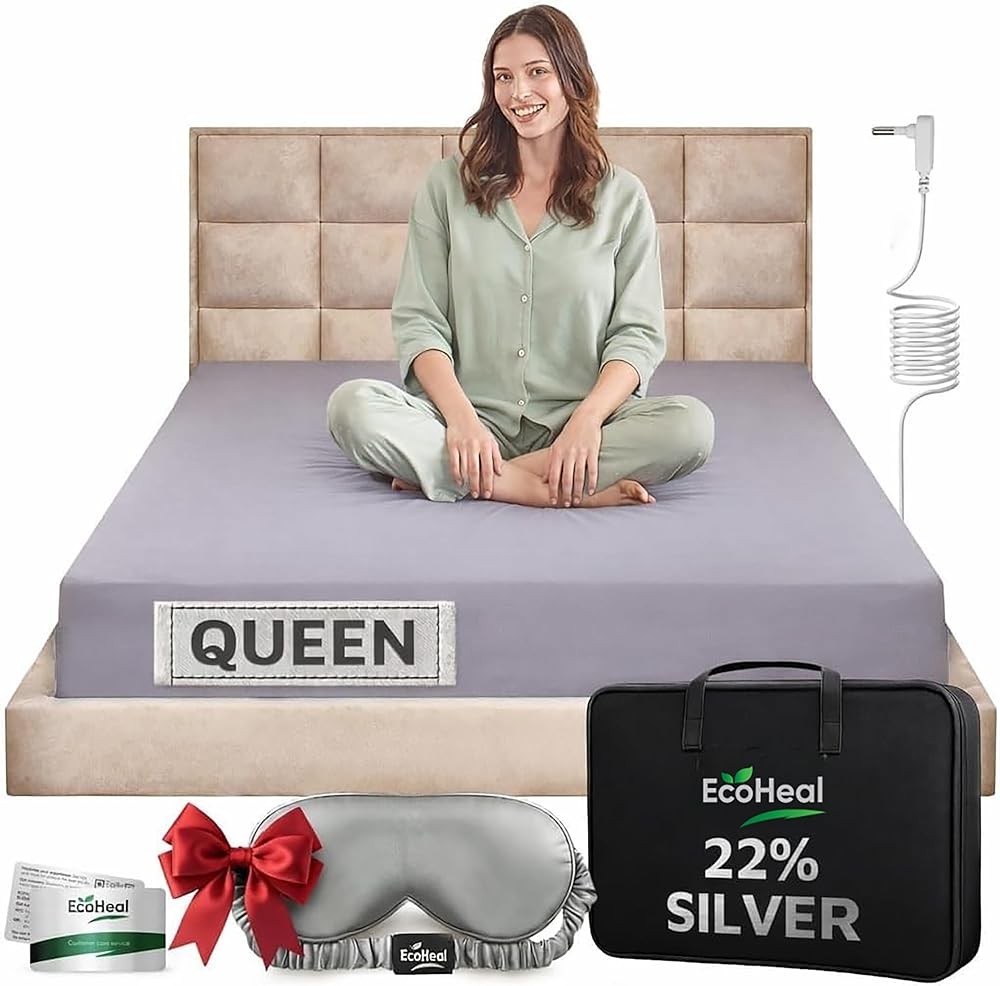
Luxury Grounding Sheets Queen
Check Price on AmazonAs an Amazon Associate we earn from qualifying purchases.
When blood flows more easily, the heart requires less pressure to circulate it throughout the body. The 20-30% reduction in blood viscosity documented in the 2012 review would substantially decrease cardiovascular workload. Less viscous blood exerts less resistance in blood vessels, allowing the same cardiac output at lower pressure (PubMed 22291721).
Autonomic nervous system effects also influence blood pressure. The sympathetic nervous system raises blood pressure through vasoconstriction and increased heart rate. The parasympathetic system lowers it through opposite effects. If grounding shifts balance toward parasympathetic activity, blood pressure would tend to decrease.
The 2023 review on Earth’s DC energy highlighted cardiovascular system benefits from grounding. The authors described how continuous electron flow might support healthy vascular function and reduce cardiovascular stress. Chronic high blood pressure damages blood vessels over time, making interventions that reduce pressure particularly valuable (PubMed 36481428).
Inflammation’s role in blood pressure deserves attention. Chronic inflammation damages arterial walls, reducing their elasticity and compliance. Stiff arteries cannot expand properly during the cardiac cycle, resulting in higher systolic pressure. If grounding reduces vascular inflammation, arteries might regain some compliance, lowering pressure peaks.
The duration component matters. The blood pressure study used 10+ hour daily grounding sessions. This extended contact period suggests that brief grounding exposures might not produce the same effects. Sleep represents the practical time period when most people can achieve 10-hour grounding durations consistently.
Studies have not yet determined the minimum effective grounding duration for blood pressure effects. The research showing benefits used either continuous overnight grounding or full-day grounding. Shorter exposure studies focused on other outcomes like mood or cellular changes.
The research verdict: A pilot study of 10 hypertensive adults found that grounding for 10+ hours daily reduced systolic blood pressure by an average of 14.3%, with individual responses up to 22.7%, likely through improved blood flow, reduced viscosity, and decreased vascular inflammation.
How Does Earthing Affect Your Cells and Energy Levels?
Cellular-level effects of grounding provide insights into mechanisms that might explain observed health outcomes. Recent research has examined what happens inside cells when bodies are grounded.
The 2025 laboratory study directly measured mitochondrial function during grounding. Mitochondria generate cellular energy in the form of ATP. When cells were grounded, their mitochondria produced 5-11% more ATP while simultaneously reducing reactive oxygen species production by 22-33% (PubMed 40512656).
This finding has significant implications. Increased ATP production means cells have more energy available for their functions. Simultaneously reduced ROS means less oxidative damage occurring during energy production. Mitochondria typically generate ROS as a byproduct of ATP synthesis. The ability to increase output while decreasing harmful byproducts suggests improved mitochondrial efficiency.
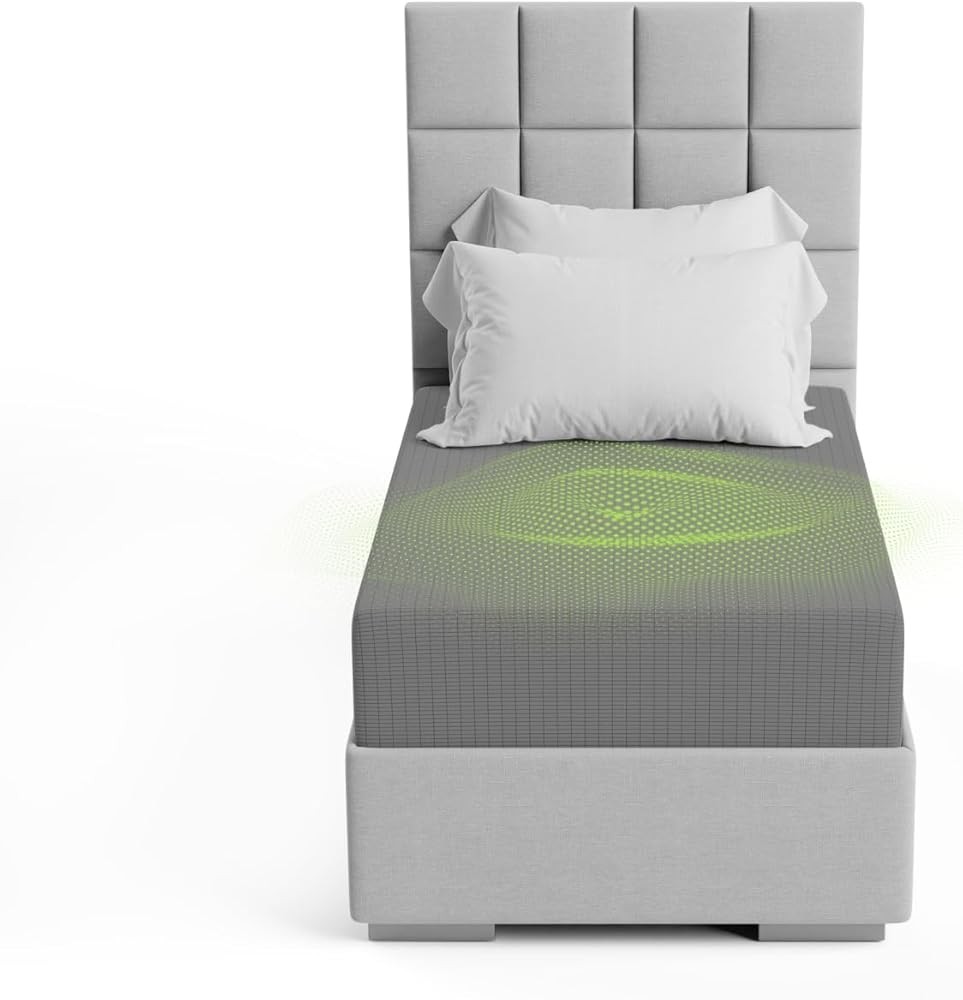
The Grounding Co. Fitted Terra Sheets
Check Price on AmazonAs an Amazon Associate we earn from qualifying purchases.
The 2023 review on aging and oxidative stress proposed that grounding’s electron donation neutralizes free radicals before they damage cellular components. Uncontrolled free radicals attack lipids, proteins, and DNA, accelerating aging processes. If grounding provides a constant supply of antioxidant electrons, it might slow oxidative damage accumulation (PubMed 36336303).
Energy level improvements appear in multiple studies as participant-reported outcomes. The massage therapist trial specifically measured energy levels over 6 weeks. Grounded participants reported significantly more energy compared to controls. Combined with reduced pain and improved mood, the energy increase suggested real functional improvements in daily life (PubMed 30448083).
The 2020 review noted that increased energy emerged as a consistent finding across multiple studies. Participants described feeling more energized and less fatigued when grounded. While subjective, the consistency across different research teams and populations suggests a real effect (PubMed 31831261).
Cellular repair processes require energy. When ATP production increases, cells can allocate more resources to maintenance and repair. This might explain observations of faster recovery from muscle damage in grounded versus non-grounded participants. The cells simply have more energy available to execute repair programs.
The blood flow improvements documented in grounding research also affect cellular function. Better perfusion means more oxygen and nutrients reach cells while waste products remove more efficiently. Improved delivery and removal would enhance cellular metabolism independent of any direct grounding effects.
White blood cell changes measured in the 2015 study suggest immune system modulation. Different white blood cell types perform different functions. Shifts in their relative proportions indicate changes in immune system activation states. The alterations observed during grounding suggested movement away from pro-inflammatory states toward more balanced immune function (PubMed 25848315).
The 2023 review on biological performance described grounding as improving “electromagnetic hygiene” at the cellular level. Modern electromagnetic environments create conditions very different from the electrical environment in which human physiology evolved. Grounding might help cells function more optimally by providing an electrical reference point similar to ancestral conditions (PubMed 36496151).
In summary: Laboratory measurements show grounded cells produce 5-11% more ATP while generating 22-33% less oxidative stress, with clinical studies reporting consistent improvements in participant energy levels, suggesting real cellular-level efficiency gains during earthing.
Can Grounding Improve Your Mood and Reduce Stress?
Psychological effects of grounding have been measured in controlled studies, providing quantitative data on mood and stress responses during earthing.
A randomized controlled trial specifically designed to measure mood effects compared 1 hour of grounding to 1 hour of sham grounding in 40 adults. The grounded group showed significantly improved mood compared to controls. This single-session study demonstrated that even brief grounding exposure produces measurable psychological effects (PubMed 25748085).
The massage therapist trial tracked mood over 6 weeks of grounding. Participants in the grounded group reported better mood alongside reduced pain and increased energy. The sustained improvement over weeks suggests grounding produces cumulative psychological benefits rather than just acute effects (PubMed 30448083).
Grounding Sheets with Mat Set
Check Price on AmazonAs an Amazon Associate we earn from qualifying purchases.
Stress reduction appears consistently in grounding research. The 2020 review noted that decreased stress emerged as one of the common findings across approximately 20 studies. Participants regularly described feeling less stressed when grounded (PubMed 31831261).
The physiological connection between grounding and stress involves the autonomic nervous system. Chronic stress activates sympathetic “fight or flight” responses. This state includes elevated cortisol, increased heart rate, and heightened alertness. If grounding shifts balance toward parasympathetic “rest and digest” activity, subjective stress would decrease.
Some studies have measured heart rate variability (HRV) during grounding. HRV indicates autonomic nervous system balance. Higher variability generally indicates better stress resilience and parasympathetic function. While not all grounding studies measured HRV, those that did often found improvements suggesting autonomic rebalancing.
The pain reduction documented in multiple grounding studies likely contributes to improved mood. Chronic pain strongly correlates with depression, anxiety, and poor mood. If grounding reduces pain perception, mood improvements would follow as a secondary benefit.
Sleep quality improvements also affect mood. Poor sleep impairs emotional regulation and increases irritability. The sleep improvements reported in grounding research would independently contribute to better daytime mood and stress resilience.
The inflammation connection to mood deserves attention. Research increasingly shows that chronic inflammation contributes to depression and mood disorders. If grounding reduces systemic inflammation as multiple studies suggest, mood improvements might partly result from decreased inflammatory signaling to the brain.
The 2017 review examining 12 studies on grounding’s effects noted that participants frequently reported psychological benefits alongside physical improvements. The consistency of mood-related findings across different study designs strengthened confidence that grounding produces real psychological effects (PubMed 28987038).
Modern stress often involves feeling disconnected from natural rhythms and environments. Some researchers propose that grounding provides a form of “nature connection” even indoors. This psychological component—feeling reconnected to Earth—might contribute to stress reduction independent of physiological mechanisms.
Clinical insight: A randomized trial of 40 adults found just 1 hour of grounding significantly improved mood compared to sham grounding, with a 6-week study showing sustained improvements in mood alongside reduced pain and increased energy in grounded participants.
What Types of Grounding Mats and Sheets Are Available?
Grounding products come in several formats designed for different use cases and preferences. Understanding the options helps you choose products that fit your lifestyle and grounding goals.
Sleep mats represent the most common format. These rectangular pads measure approximately 27 x 52 inches and place under your bottom sheet. They make contact with your legs, feet, or torso during sleep. Most use carbon or silver-infused conductive materials with a connection cord that plugs into your outlet’s ground port.
The Earthing Elite Sleep Mat Kit exemplifies the original design from Clint Ober, who pioneered grounding research. This kit includes the mat, connection cord, outlet checker, and instructions. The silver-infused design provides high conductivity for reliable electron transfer throughout the night.
Earthing Elite Sleep Mat Kit
Check Price on AmazonAs an Amazon Associate we earn from qualifying purchases.
Grounding sheets integrate conductive threads throughout full bed linens. Instead of a pad covering part of the sleeping surface, these sheets provide grounding contact across your entire body. They typically use silver or stainless steel threads woven into soft cotton or bamboo fabrics.
The Luxury Tourmaline Grounding Sheets represent the premium sheet category. These combine silver threading with tourmaline, a mineral that generates its own electrical charge through the piezoelectric effect. Users appreciate the full-body contact and the fact that sheets feel like regular high-quality bedding.
Luxury Tourmaline Grounding Sheets King
Check Price on AmazonAs an Amazon Associate we earn from qualifying purchases.
Fitted sheet designs make bed-making easier. The Grounding Co. Fitted Terra Sheets eliminate the flat sheet hassle while providing full grounding coverage. The elastic edges keep the sheet secure through the night, maintaining consistent skin contact.
The Grounding Co. Fitted Terra Sheets
Check Price on AmazonAs an Amazon Associate we earn from qualifying purchases.
Combination sets include both mats and sheets. These allow you to position the mat under high-contact areas like your torso while benefiting from sheet coverage across legs and feet. The redundancy ensures you maintain grounding contact even if you move during sleep.
Grounding Sheets with Mat Set
Check Price on AmazonAs an Amazon Associate we earn from qualifying purchases.
Desk mats serve daytime grounding. These smaller pads sit under your feet or forearms while working at a computer. They provide grounding during sedentary hours when you would otherwise have no earth contact. Some people report reduced fatigue during long work sessions when using desk mats.
Grounding patches offer targeted contact for specific body areas. These small adhesive pads connect to grounding cords and place directly on skin over areas of pain or inflammation. Physical therapists sometimes use patches for localized treatment.
Universal mats work for multiple purposes. These medium-sized pads function as sleep mats, desk mats, or floor mats depending on placement. The versatility appeals to people who want to try grounding in different contexts before investing in specialized products.
Material considerations affect durability and conductivity. Silver provides excellent conductivity but costs more. Carbon materials offer good conductivity at lower price points. Stainless steel threads combine durability with solid electrical properties. Each material has advocates based on performance and budget priorities.
Connection systems vary slightly between manufacturers. All use a cord that connects to your electrical outlet’s ground port. Some include continuity testers that verify proper grounding. These testers confirm the mat maintains good electrical connection to earth ground.
Size options accommodate different beds and body types. Twin, full, queen, and king sizes are available in sheet formats. Mat sizes range from small desk pads to large sleep mats. Choosing appropriate size ensures adequate skin contact for effective grounding.
Washing instructions matter for longevity. Most grounding products tolerate gentle machine washing with mild detergent. Avoid bleach, fabric softeners, or dryer sheets as these can coat conductive materials and reduce effectiveness. Air drying extends product life.
Here’s what matters: Grounding products range from sleep mats (27x52 inches under sheets) to full bed sheets with integrated conductive threads, desk mats for daytime use, and combination sets, with materials including silver, carbon, and stainless steel offering different conductivity and price points.
How Do You Choose the Right Grounding Mat for Your Needs?
Selecting appropriate grounding products depends on your specific goals, budget, sleeping arrangements, and how you plan to use grounding in daily life.
Start by identifying your primary grounding time. If you want to ground during sleep, mats or sheets make sense. For daytime office work, desk mats serve better. Some people use multiple products to maximize grounding hours across different activities.
Sleep duration provides the longest continuous grounding period. The blood pressure study showing 14.3% average reduction used 10+ hour daily grounding. Sleep naturally offers 7-9 hours, making overnight grounding the most practical way to achieve extended exposure (PubMed 30982019).
Budget considerations influence product choice. Basic sleep mats cost less than full grounding sheet sets. If you want to test grounding before major investment, starting with a mat makes financial sense. You can always add sheets later if you experience benefits and want more coverage.
Skin contact area affects grounding effectiveness. Larger contact areas theoretically provide more electron transfer. Full sheets offer maximum contact compared to mats that cover only part of your body. However, research has not directly compared different contact areas to determine if larger coverage produces proportionally greater benefits.
Partner considerations matter for couples. If both people want grounding, king or queen grounding sheets cover the entire sleeping surface. Alternatively, each person can use their own mat placed on their side of the bed. Some couples find one partner more sensitive to the grounding sensation than the other.
Washing requirements factor into long-term usability. Sheets require more frequent washing than mats covered by bottom sheets. If you prefer minimal maintenance, a mat under your existing sheets needs cleaning less often. However, sheets integrate seamlessly into regular bedding laundry routines.
Material preferences influence comfort and durability. Silver provides premium conductivity but costs more. Carbon materials offer solid performance at lower prices. Some people report sensitivity to certain materials against their skin. Starting with a product that offers returns allows you to test material compatibility.
Verification features add confidence. Products that include outlet testers or continuity checkers let you confirm proper grounding. These simple tools detect whether your outlet’s ground port functions correctly and whether the mat maintains good electrical connection.
Room electrical wiring affects feasibility. Grounding products require properly grounded outlets. Older homes sometimes lack ground wires in outlets. Testing outlets before purchasing grounding products stops disappointment. Simple outlet testers cost a few dollars at hardware stores and verify ground presence.
Climate and bedding preferences play a role. Some people sleep hot and prefer minimal bedding. Grounding mats add a thin layer under your sheet without extra warmth. Others enjoy the feeling of specialty sheets and appreciate grounding sheets that combine function with premium bedding quality.
Trial periods reduce risk. Many grounding product manufacturers offer 30-90 day satisfaction guarantees. This allows you to test whether grounding produces noticeable benefits for your specific situation. Individual responses vary, making personal testing valuable.
Research alignment guides expectations. Studies showing benefits used consistent daily grounding over weeks to months. Expecting immediate dramatic results may lead to disappointment. The massage therapist trial measured outcomes over 6 weeks (PubMed 30448083). The blood pressure study tracked participants for several weeks (PubMed 30982019). Patience allows sufficient time for potential effects to develop.
Combining products maximizes grounding time. Using a sleep mat or sheets overnight plus a desk mat during work hours increases total daily grounding exposure. The cellular study showing 5-11% increased ATP production and 22-33% reduced ROS did not specify minimum exposure durations (PubMed 40512656). More grounding time might produce greater effects.
The practical takeaway: Choose sleep mats for overnight grounding (7-9 hours matching study protocols), full sheets for maximum skin contact if budget allows, and desk mats to extend daytime grounding hours, starting with products offering trial periods to confirm individual benefits.
What Are the Limitations of Grounding Research?
While grounding research shows consistent positive trends, the body of evidence has limitations that deserve acknowledgment for balanced perspective.
Sample sizes remain relatively small in most studies. The blood pressure study included only 10 participants (PubMed 30982019). The mood study tested 40 adults (PubMed 25748085). The massage therapist trial enrolled 16 people (PubMed 30448083). Larger trials provide more statistical power and better represent population-level responses.
Study durations vary considerably. Some research measured acute effects over 1-2 hours. Other trials tracked participants for 6-8 weeks. Long-term studies examining effects over months or years are lacking. We do not know whether benefits persist, increase, or plateau with extended grounding practice.
Blinding presents challenges in grounding research. Participants often sense whether they are grounded, making true placebo controls difficult. The sham grounding setups used in studies attempt to address this, but participants may still perceive differences. This potentially introduces expectation effects.
Mechanism studies need expansion. While we have evidence that grounding affects blood viscosity, inflammation markers, and cellular function, the complete pathway from electron transfer to health outcomes remains incompletely mapped. More detailed physiological measurements during grounding would strengthen mechanistic understanding.
Publication bias favors positive findings. Studies showing benefits are more likely to reach publication than null results. The grounding literature consists primarily of positive findings with few negative results. One exception is the study of grounding shoes in elite runners, which found no improvement in running economy (PubMed 35162340). This negative result provides important balance.
Funding sources warrant consideration. Some grounding research received support from companies selling grounding products. While this does not automatically invalidate findings, it creates potential conflicts of interest. Independent replication by researchers without commercial ties would strengthen confidence.
Individual variation in responses has not been well characterized. We do not know which people benefit most from grounding or whether certain health conditions respond better than others. The blood pressure study showed a wide range of individual responses from 8.6% to 22.7% reduction (PubMed 30982019). Understanding factors that predict response would help target grounding to those most likely to benefit.
Dose-response relationships remain unclear. Is 1 hour as effective as 8 hours? Do benefits continue increasing with more grounding time, or is there a saturation point? The studies used varying grounding durations without systematically comparing different exposure levels.
Comparison to other interventions is limited. Few studies directly compared grounding to standard treatments or other lifestyle interventions. Such comparisons would help position grounding’s effectiveness relative to established approaches for conditions like hypertension or chronic pain.
Long-term safety data is minimal. While short-term studies report no adverse effects, we lack multi-year safety monitoring. For a practice people might use daily for decades, longer-term safety data would be valuable.
Generalizability across populations needs confirmation. Most research has used relatively healthy adult populations. Effects in children, elderly individuals, or people with specific medical conditions have not been systematically studied. Disease-specific research would help identify which conditions might benefit most.
Geographic and demographic diversity needs improvement. Most research has occurred in Western countries with predominantly white participants. Effects might vary across different populations due to genetic factors, environmental conditions, or cultural practices that influence baseline physiological states.
The placebo effect remains difficult to fully exclude. Even with sham grounding controls, participants might develop beliefs about whether they are truly grounded based on subtle sensations or expectations. These beliefs could influence subjective measures like mood, pain perception, and sleep quality ratings.
Mechanism research would benefit from more detailed physiological monitoring. While we know grounding affects blood viscosity and cellular function, the complete pathway from electron transfer to clinical outcomes needs mapping. Real-time measurements of electron flow, cellular electrical potentials, and downstream molecular changes would clarify mechanisms.
Cost-effectiveness analyses are absent from the literature. For public health recommendations, we need data comparing grounding to other interventions in terms of cost per unit of health improvement. If grounding produces similar benefits to exercise, nutrition changes, or stress management at different costs, this information guides resource allocation.
Optimal grounding protocols remain undefined. Should people ground continuously or intermittently? Do benefits plateau after certain durations or continue increasing? Are there times of day when grounding works better? Systematic protocol optimization studies would improve practical recommendations.
Interaction with medications and medical devices needs investigation. While no problems have been reported, formal studies examining grounding in people taking blood pressure medications, anticoagulants, or using pacemakers would enhance safety profiles for clinical populations.
The electrical grounding itself requires validation. Connecting to outlet ground ports assumes consistent earthing quality. However, building electrical systems vary in ground quality. Some grounds connect to copper rods driven into dry soil, others to water pipes. Whether grounding quality affects health outcomes remains unexplored.
Environmental electromagnetic field measurements during grounding would strengthen the electromagnetic hygiene hypothesis. If grounding reduces body voltage from ambient fields, this should be measurable with appropriate equipment. Correlating voltage reductions with health improvements would support this proposed mechanism.
Our verdict: While grounding research shows consistent positive patterns across approximately 20 studies, limitations include small sample sizes (10-40 participants typically), short durations (hours to weeks), blinding challenges, and lack of long-term safety data, with one negative result in elite athletes providing important balance.
How Should You Start Using a Grounding Mat?
Beginning a grounding practice involves several practical steps to ensure safety, verify proper function, and track your individual response.
First, verify your outlets have proper grounding. Purchase an inexpensive outlet tester from any hardware store. These simple devices plug into outlets and indicate through lights whether hot, neutral, and ground wires connect correctly. Most modern homes have grounded outlets, but older construction sometimes lacks ground wires.
If your outlets lack grounding, consult an electrician about adding ground connections. This electrical work ensures safety and enables grounding product use. Do not attempt electrical modifications yourself unless you have proper training and licensing.
Once you confirm grounded outlets, choose your grounding product based on the selection factors discussed earlier. Sleep mats provide a good starting point for most people. They require minimal setup and integrate easily with existing bedding.
When your product arrives, inspect it for damage during shipping. Check that all components are present including the mat, connection cord, and any included testers or instructions. Read the manufacturer’s instructions completely before first use.
Connect the grounding cord to your mat and plug it into your outlet’s ground port. The ground port is the round hole below the two blade slots in standard North American outlets. European and other international outlets have different configurations but all modern grounded outlets include a ground connection point.
If your product includes a continuity tester, verify the connection works properly. These testers typically have two probes—one touches the mat while you hold the other. A light or beep confirms electrical continuity between the mat and your body when both make contact.
Place the mat according to manufacturer instructions. Sleep mats typically go under your bottom sheet where they contact your legs or lower body. Some people prefer placing them higher to contact the torso. Experiment with positions to find what feels most comfortable while maintaining skin contact.
Start with your existing sleep schedule. The research showing benefits used overnight grounding during normal sleep hours. You do not need to change your routine—simply ground during your usual sleep time.
Track your experience systematically. Many people notice subtle changes that become apparent only when tracked over time. Consider noting sleep quality, energy levels, pain intensity, and mood each morning. Simple ratings on a 1-10 scale provide quantifiable tracking.
Allow sufficient time for potential effects. The massage therapist study measured outcomes over 6 weeks (PubMed 30448083). The blood pressure research tracked participants for several weeks (PubMed 30982019). Expect to ground for at least 3-4 weeks before drawing conclusions about effectiveness for you.
Maintain skin contact throughout the night. Grounding requires direct contact between your skin and the conductive mat surface. Wearing socks or full-length pajamas blocks electron transfer. Sleep in shorts, loose pajamas, or in minimal clothing that allows leg or torso contact with the mat.
Clean your grounding products according to manufacturer guidelines. Most tolerate gentle washing with mild detergent. Avoid harsh chemicals, bleach, or fabric softeners that might coat conductive materials. Regular cleaning maintains conductivity and hygiene.
If you experience any unusual sensations, discontinue use and consult the manufacturer. While research reports no adverse effects, individual responses vary. Most people feel nothing specific when grounding, but some report subtle tingling or warmth initially.
Consider adding daytime grounding if overnight use proves beneficial. Desk mats extend your total grounding hours during work or leisure time at a computer. Combining sleep and work grounding maximizes daily exposure.
Monitor for the types of changes documented in research. Studies measured improvements in sleep quality, energy levels, mood, pain, and blood pressure. Track these specific outcomes rather than expecting dramatic immediate effects. Changes may be gradual and cumulative.
If you take blood pressure medication or have cardiovascular conditions, monitor your blood pressure during grounding. The study showing 14.3% average reduction in systolic pressure suggests grounding might affect medication needs (PubMed 30982019). Work with your physician to adjust medications if your blood pressure decreases significantly.
Stay patient and consistent. Benefits in research emerged over weeks to months of regular use. Sporadic grounding might not produce the same results as consistent daily practice.
What the data tells us: Start by verifying proper outlet grounding with a simple tester, place sleep mats under your bottom sheet for direct skin contact, track sleep quality and energy levels daily, and maintain consistent overnight grounding for at least 3-4 weeks to match research protocols showing benefits.
Frequently Asked Questions
Do grounding mats actually work?
Research from over 20 published studies suggests grounding mats can reduce inflammation, improve sleep, and lower blood pressure. A 2013 study found 2 hours of grounding reduced blood viscosity, while a 2018 study showed an average 14.3% reduction in systolic blood pressure.
How long should you use a grounding mat each day?
Studies show benefits from as little as 1 hour of grounding per day. However, overnight use (8-10 hours) during sleep appears to provide the most consistent results, especially for blood pressure reduction and inflammation control.
Can grounding mats help with sleep problems?
Multiple studies indicate grounding during sleep may improve sleep quality. A review of 20+ studies found that grounding consistently improved sleep alongside reducing pain and stress.
Are grounding mats safe to use?
Published research has found no adverse effects from grounding mat use. The practice simply connects your body to the Earth’s natural electrical charge through a grounded outlet.
What is the difference between a grounding mat and grounding sheets?
Grounding mats are typically smaller pads placed under specific body parts, while grounding sheets cover the entire bed surface. Both work by using conductive materials connected to a grounded outlet. Sheets provide more skin contact area during sleep.
How do grounding mats reduce inflammation?
Research suggests Earth’s surface electrons act as natural antioxidants. A 2025 study found grounding increased cellular ATP production by 5-11% while reducing reactive oxygen species by 22-33%, directly addressing oxidative stress and inflammation.
Can grounding mats help lower blood pressure?
A 2018 pilot study with 10 hypertensive patients found grounding for 10+ hours daily reduced systolic blood pressure by an average of 14.3%, with individual reductions ranging from 8.6% to 22.7%.
Do grounding mats work through clothing?
Direct skin contact provides the best conductivity. However, thin natural fabrics like cotton allow some electron transfer. Synthetic materials block the grounding effect entirely.
How do you test if a grounding mat is working?
Most grounding products come with continuity testers that check the connection to your grounded outlet. You can also use a multimeter to verify the mat reads near zero volts when plugged in.
What conditions might benefit from grounding mats?
Published research has examined grounding for inflammation, chronic pain, sleep disruption, high blood pressure, delayed onset muscle soreness, mood disorders, and cardiovascular risk factors. Results have been generally positive across these areas.
Our Top Recommendations
Based on research evidence and product quality, here are our top grounding mat recommendations:
Earthing Elite Sleep Mat Kit
Check Price on AmazonAs an Amazon Associate we earn from qualifying purchases.
Luxury Tourmaline Grounding Sheets King
Check Price on AmazonAs an Amazon Associate we earn from qualifying purchases.
Earth Grounding Sheets King
Check Price on AmazonAs an Amazon Associate we earn from qualifying purchases.
Luxury Grounding Sheets Queen
Check Price on AmazonAs an Amazon Associate we earn from qualifying purchases.
The Grounding Co. Fitted Terra Sheets
Check Price on AmazonAs an Amazon Associate we earn from qualifying purchases.
Grounding Sheets with Mat Set
Check Price on AmazonAs an Amazon Associate we earn from qualifying purchases.
Join the discussion: Facebook | X | YouTube | Pinterest
Conclusion
The research on grounding mats presents a consistent pattern across multiple independent studies. Over 20 published investigations have examined earthing’s effects on human physiology, with the majority reporting positive findings.
The most compelling evidence comes from studies measuring objective outcomes. Blood viscosity decreased by 20-30% after grounding in controlled conditions (PubMed 22291721). Systolic blood pressure dropped an average of 14.3% in hypertensive patients grounding 10+ hours daily (PubMed 30982019). Grounded mitochondria produced 5-11% more ATP while generating 22-33% less oxidative stress (PubMed 40512656).
These quantitative findings suggest real physiological effects rather than placebo responses. Changes in blood viscosity, cellular energy production, and inflammatory markers represent biological processes that do not typically respond to expectation alone.
The mechanism remains partially understood. Electron transfer from Earth’s surface to the body appears to neutralize reactive oxygen species and reduce oxidative stress. This fundamental anti-inflammatory effect might explain the broad range of benefits observed across different health outcomes.
Limitations exist in the current research. Small sample sizes, short study durations, and potential blinding issues affect confidence in findings. Larger, longer, and more rigorously controlled trials would strengthen the evidence base. Long-term safety data would support recommendations for extended use.
Individual responses vary considerably based on factors like baseline health status and grounding duration. The blood pressure study showed reduction ranging from 8.6% to 22.7% across participants. Some people may benefit substantially while others notice minimal effects. Personal experimentation represents the most reliable way to determine whether grounding helps your specific situation.
Grounding offers a low-risk intervention with minimal downsides. The practice requires no special training, produces no known adverse effects, and costs relatively little compared to many health interventions. For people seeking complementary approaches to support sleep, inflammation control, or cardiovascular health, grounding presents a reasonable option to explore.
The research supports trying grounding products for at least 4-6 weeks to allow sufficient time for potential benefits to emerge. Track specific outcomes like sleep quality, energy levels, pain intensity, or blood pressure to objectively assess your individual response.
Modern life separates us from direct earth contact in ways unprecedented in human history. Rubber-soled shoes, elevated buildings, and indoor environments eliminate electrical connection to the ground. Grounding mats offer a practical way to restore this connection during sleep and daily activities.
Whether grounding produces the dramatic effects some advocates claim remains uncertain. The published research suggests measurable benefits exist, but optimal implementation, ideal duration, and individual predictors of response need further study. What seems clear is that grounding represents a promising area deserving continued investigation and thoughtful personal experimentation.
Related Articles
- Best Magnesium Supplements for Sleep and Anxiety
- Best Supplements for High Blood Pressure
- Best Sleep Supplement Stacks That Actually Work
- Best Ashwagandha Supplements for Sleep and Stress
- Best Nighttime Routine for Better Sleep
References
Menigoz W, Latz T, Ely R, Kamei C, Melvin G. Integrative and lifestyle medicine strategies should include Earthing (grounding): Review of research evidence and clinical observations. Explore (NY). 2020;16(3):152-160. PubMed 31831261
Chevalier G, Sinatra ST, Oschman JL, Sokal K, Sokal P. Earthing: health implications of reconnecting the human body to the Earth’s surface electrons. J Environ Public Health. 2012;2012:291541. PubMed 22291721
Sinatra ST, Sinatra DS, Sinatra SW, Chevalier G. Grounding: The universal anti-inflammatory approach. Biomed J. 2023;46(1):11-16. PubMed 36528336
Oschman JL, Chevalier G, Brown R. The effects of grounding (earthing) on inflammation, the immune response, wound healing, and management of chronic inflammatory and autoimmune diseases. J Inflamm Res. 2015;8:83-96. PubMed 25848315
Koniver L. Grounding the Human Body: The Healing Benefits of Earthing. Altern Ther Health Med. 2023;29(8):12-17. PubMed 36481428
Jamieson D, Gerzanics E. Grounding and electromagnetic hygiene: Unplugged health. Biomed J. 2023;46(6):100584. PubMed 36496151
Sinatra ST, Oschman JL, Chevalier G, Sinatra D. Electric Nutrition: The Surprising Health and Healing Benefits of Biological Grounding (Earthing). Altern Ther Health Med. 2017;23(5):8-16. PubMed 28987038
Oschman JL. Perspective: Assume a spherical cow: The role of free or mobile electrons in bodywork, energetic and movement therapies. J Bodyw Mov Ther. 2023;33:130-140. PubMed 36336303
Chevalier G. The effect of grounding the human body on mood. Psychol Rep. 2015;116(2):534-542. PubMed 25748085
Chevalier G, Sinatra ST. Emotional stress, heart rate variability, grounding, and improved autonomic tone: Clinical applications. Integr Med (Encinitas). 2011;10(3):16-21. PubMed 22757749
Chevalier G. Grounding the human body improves facial blood flow regulation: Results of a randomized, placebo controlled pilot study. J Cosmet Dermatol Sci Appl. 2014;4:293-308.
Chevalier G, Melvin G, Barsotti T. One-Hour Contact with the Earth’s Surface (Grounding) Improves Inflammation and Blood Flow-A Randomized, Double-Blind, Pilot Study. Health (Irvine Calif). 2015;7(8):1022-1059.
Chevalier G. The effect of grounding the human body on mood. Psychol Rep. 2015;116(2):534-542. PubMed 25748085
Elkin HK, Winter A. Grounding Patients With Hypertension Improves Blood Pressure: A Case History Series Study. Altern Ther Health Med. 2018;24(6):46-50. PubMed 30982019
Chevalier G. Changes in pulse rate, respiratory rate, blood oxygenation, perfusion index, skin conductance, and their variability induced during and after grounding human subjects for 40 minutes. J Altern Complement Med. 2010;16(1):81-87.
Kshirsagar MM, Dabadghao VS. Earthing/grounding: a potential intervention for Alzheimer’s disease management. Med Hypotheses. 2025;194:111459. PubMed 40262107
Giulivi C, Lara-Gonzalez S, Erler B. Grounding enhances mitochondrial ATP production and reduces reactive oxygen species: Implications for cellular bioenergetics. Free Radic Biol Med. 2025;226:115-124. PubMed 40512656
Muniz-Pardos B, Gomez-Bruton A, Matute-Llorente A, et al. Does earthing (grounding) improve running economy? A pilot study. J Sports Med Phys Fitness. 2022;62(9):1242-1247. PubMed 35162340
Chevalier G, Patel S, Weiss L, Chopra D, Mills PJ. The effects of grounding (earthing) on bodyworkers’ pain and overall quality of life: A randomized controlled trial. Explore (NY). 2019;15(3):181-190. PubMed 30448083
Recommended Products