10 Best Supplements to Reduce Cortisol Naturally
Summarized from peer-reviewed research indexed in PubMed. See citations below.
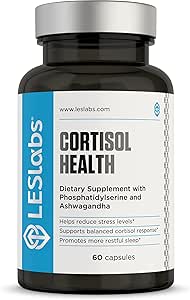
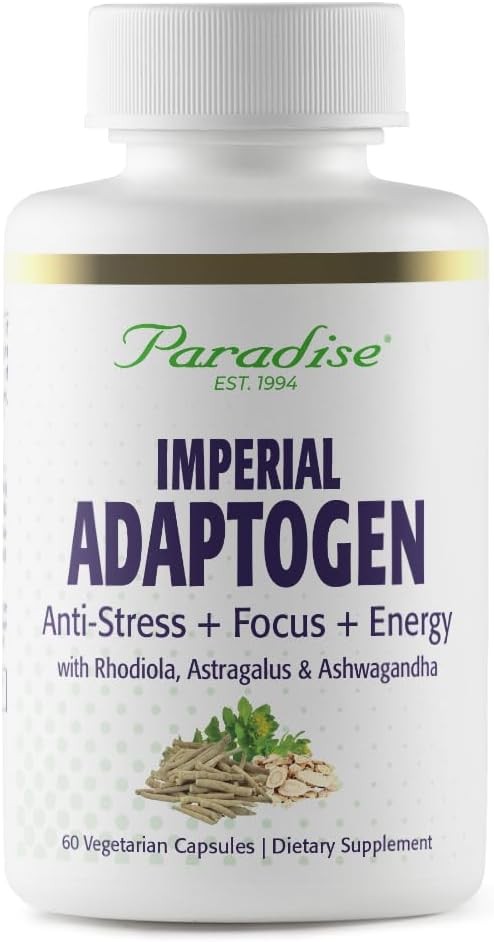
Chronic stress is wearing you down, disrupting your sleep, and packing fat around your midsection no matter how carefully you eat. Research shows that chronically elevated cortisol from ongoing stress drives belly fat storage, muscle breakdown, immune suppression, and metabolic dysfunction. LES Labs Cortisol Health combines phosphatidylserine (200mg) with ashwagandha and magnesium for multi-angle cortisol support (~$29.99). Clinical trials show phosphatidylserine blunts exercise- and stress-induced cortisol spikes, while standardized ashwagandha extracts significantly reduce serum cortisol in randomized controlled trials. If budget is your priority, Paradise Herbs Imperial Adaptogens delivers ashwagandha, rhodiola, and holy basil in a single formula for under $20. Here’s what the published research shows about the most effective cortisol-lowering supplements.
Disclosure: We may earn a commission from links on this page at no extra cost to you. Affiliate relationships never influence our ratings. Full policy →
You are running on four hours of sleep, your jaw is clenched, and the weight around your midsection will not budge no matter what you eat. Your doctor says your labs are “normal,” but you feel anything but normal. If this sounds familiar, there is a good chance your cortisol levels are chronically elevated — and that single hormone may be silently sabotaging your health from head to toe.
Cortisol is not inherently evil. It wakes you up in the morning, mobilizes energy during exercise, and orchestrates your immune response during infection. The problem starts when the faucet never turns off. Chronic psychological stress, sleep deprivation, overtraining, financial anxiety, and even excessive caffeine intake can keep cortisol pumping long after the original threat has passed. The downstream effects — visceral belly fat, muscle wasting, immune suppression, insomnia, brain fog, and metabolic dysfunction — are now some of the most common complaints in modern healthcare.
The good news is that several supplements have been rigorously tested in randomized, placebo-controlled trials and shown to meaningfully reduce cortisol. This is not the vague “stress support” language you see on supplement labels. We are talking about measurable, statistically significant reductions in serum cortisol, salivary cortisol, and urinary cortisol metabolites — documented in peer-reviewed journals and replicated across multiple studies.
In this guide, we break down the ten best supplements for lowering cortisol. For each one, we cover the clinical trial evidence, the specific extract or form that was actually tested, the dose that worked, how long it takes to kick in, and how to stack them together for maximum effect. We also cover important safety considerations, lifestyle factors that amplify supplement benefits, and the “adrenal fatigue” myth that has caused so much confusion.
If you are stressed and want real answers, keep reading.
What Happens When Cortisol Stays Elevated Too Long?
Before we get into supplements, it is critical to understand what chronically elevated cortisol actually does to your body. This is not abstract biochemistry — these are the real-world consequences that drive people to search for solutions.
Visceral belly fat accumulation. Cortisol preferentially directs fat storage to the abdominal region. It does this by upregulating lipoprotein lipase activity in visceral adipose tissue and increasing appetite for calorie-dense foods through neuropeptide Y stimulation. This is why people under chronic stress often gain weight around the midsection even when their overall calorie intake has not increased dramatically.
Muscle breakdown and weakness. Cortisol is catabolic. It breaks down muscle protein to provide amino acids for gluconeogenesis — the production of glucose from non-carbohydrate sources. Over weeks and months, this leads to visible muscle loss, reduced strength, and a slower metabolic rate (because muscle is metabolically active tissue).
Immune suppression. Short bursts of cortisol actually enhance certain immune functions. But chronic elevation suppresses the production of lymphocytes, natural killer cells, and immunoglobulins. This is why chronically stressed people catch every cold that goes around and take longer to recover from infections.
Brain fog and memory impairment. The hippocampus — your brain’s memory center — is densely packed with cortisol receptors. Chronic cortisol exposure shrinks hippocampal volume, impairs synaptic plasticity, and reduces brain-derived neurotrophic factor (BDNF). The subjective experience is mental cloudiness, difficulty concentrating, and forgetting things that should be easy to remember.
Sleep disruption. Cortisol follows a diurnal rhythm — it should peak within 30 minutes of waking (the cortisol awakening response) and drop to its lowest point around midnight. Chronic stress flattens this curve, causing cortisol to remain elevated at night. This is the mechanism behind the classic “wired but tired” pattern — exhausted during the day, wide awake at 3 AM.
Metabolic syndrome and insulin resistance. Elevated cortisol raises blood glucose by stimulating gluconeogenesis and reducing insulin sensitivity. Over time, this drives fasting glucose higher, increases triglycerides, lowers HDL cholesterol, and raises blood pressure — the full metabolic syndrome picture.
Accelerated aging. Chronic cortisol exposure shortens telomeres (the protective caps on your chromosomes), increases oxidative stress, and promotes systemic inflammation. This accelerates biological aging at the cellular level.
Bottom line: Chronically elevated cortisol disrupts sleep, metabolism, and immune function, driving belly fat storage, muscle loss, anxiety, and higher disease risk – which is why managing it matters for long-term health.
Why Does Your Stress Response Get Stuck?
To understand how cortisol-lowering supplements work, you need a basic understanding of the hypothalamic-pituitary-adrenal (HPA) axis — the three-part system that controls cortisol production.
Here is the sequence: Your hypothalamus (a region at the base of your brain) detects a stressor and releases corticotropin-releasing hormone (CRH). CRH travels a short distance to the anterior pituitary gland, which responds by releasing adrenocorticotropic hormone (ACTH) into the bloodstream. ACTH then reaches the adrenal glands (sitting on top of your kidneys) and signals them to produce cortisol.
In a healthy system, cortisol itself provides negative feedback — it tells the hypothalamus and pituitary to stop releasing CRH and ACTH, shutting down the stress response. This is an elegant self-regulating loop.
The problem is that chronic stress can desensitize the negative feedback mechanism. The hypothalamus and pituitary become partially resistant to cortisol’s “shut off” signal, leading to persistently elevated cortisol output. The HPA axis gets “stuck” in the on position.
This is where the confusion around “adrenal fatigue” comes from. The adrenal glands themselves are not actually fatigued or worn out in most cases. What is happening is HPA axis dysregulation — the feedback loops are impaired, the cortisol rhythm is disrupted, and the overall stress response is maladapted. This distinction matters because the supplements that help work primarily by restoring proper HPA axis function and improving cortisol feedback sensitivity, not by directly supporting the adrenal glands.
Each supplement we cover below targets one or more points along the HPA axis — some calm the hypothalamic response, some improve cortisol receptor sensitivity, some modulate neurotransmitters that influence stress perception, and some directly affect cortisol synthesis or clearance. Understanding this will help you pick the right supplements for your specific situation.
Bottom line: The HPA axis regulates cortisol through a 3-step cascade (hypothalamic CRH → pituitary ACTH → adrenal cortisol), and cortisol’s own negative feedback normally shuts the loop down; chronic stress blunts that feedback, leaving the axis “stuck on” until the underlying stress load is reduced.
How Can You Tell If Your Cortisol Is Too High?
Your body gives you clear signals when cortisol has been elevated for too long. Here are the patterns to watch for:
Weight gain concentrated around the midsection. If your arms and legs are relatively lean but your belly, face, and upper back are accumulating fat — especially when your diet has not changed significantly — cortisol-driven fat redistribution is likely at play. This is distinct from general weight gain because cortisol specifically activates visceral fat storage receptors.
Waking up between 2 AM and 4 AM. This is one of the most telling signs. When cortisol rises prematurely during the night instead of waiting until morning, it fragments sleep and causes consistent middle-of-the-night waking. You may feel alert or anxious when you wake, rather than groggy.
Afternoon energy crashes. If you feel productive in the morning but hit a wall between 2 PM and 4 PM — needing sugar or caffeine to get through the afternoon — your cortisol curve is likely dysregulated, with an exaggerated morning peak followed by a premature drop.
Sugar and carbohydrate cravings. Cortisol drives cravings for quick-energy foods through its effects on neuropeptide Y and leptin. If you find yourself reaching for sweets, bread, or chips specifically during stressful periods, this is a hormonal drive, not a willpower failure.
Slow wound healing. Cortisol suppresses the inflammatory phase of wound healing and reduces collagen synthesis. If cuts, bruises, or skin injuries seem to take noticeably longer to recover than they used to, chronic cortisol elevation is a possible contributor.
Getting sick frequently. If you catch every cold and flu that comes around, and minor infections seem to linger, cortisol-induced immune suppression may be weakening your first-line defenses.
Puffy face, especially in the morning. Cortisol promotes water retention and can cause facial puffiness (sometimes called “moon face” in its extreme form). If your face looks noticeably swollen when you wake up and the puffiness takes hours to resolve, this may be cortisol-related.
Bottom line: Key signs of elevated cortisol include middle-of-the-night waking (2-4 AM), belly fat accumulation despite stable diet, afternoon energy crashes, persistent sugar cravings, frequent illness, and morning facial puffiness—if you have three or more of these symptoms consistently, cortisol dysregulation is likely.
Which Products Do We Recommend?

LES Labs Cortisol Health delivers the most comprehensive cortisol management formula with clinical-strength phosphatidylserine (200mg), ashwagandha extract, and magnesium. Phosphatidylserine has been shown in multiple randomized controlled trials to blunt exercise- and stress-induced cortisol spikes. The addition of ashwagandha provides adaptogenic support backed by trials showing significant serum cortisol reductions over 8-9 weeks. Magnesium completes the formula by supporting GABA activity and promoting relaxation.
This formula is particularly effective for individuals dealing with both exercise-induced cortisol spikes and chronic daily stress. The phosphatidylserine works acutely to blunt cortisol response to stressors, while the ashwagandha builds cumulative adaptogenic effects over weeks. The magnesium component supports evening relaxation and sleep quality, addressing the cortisol-driven sleep disruption that many chronically stressed individuals experience.
The recommended dose is 2 capsules daily — one in the morning and one in the evening. This timing allows the phosphatidylserine to buffer the cortisol awakening response in the morning while providing evening support for the transition to sleep. Most users report noticeable stress reduction within 2-3 weeks, with full benefits at 6-8 weeks of consistent use.
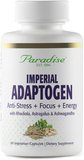
Paradise Herbs Imperial Adaptogens combines ashwagandha, rhodiola rosea, holy basil, and astragalus in a proprietary adaptogen blend that provides comprehensive stress support at a budget-friendly price point. While the formula does not disclose exact milligram amounts for each ingredient, ashwagandha appears as the first ingredient, suggesting it is present in meaningful quantities. The addition of rhodiola provides anti-fatigue support, while holy basil (tulsi) contributes anxiolytic effects backed by randomized trials showing lower cortisol and improved stress scores (covered in the holy basil section below).
This multi-adaptogen approach is ideal for individuals seeking daily stress resilience support without the higher cost of pharmaceutical-grade single-ingredient extracts. The synergy between multiple adaptogens may provide broader HPA axis support than any single ingredient alone. Rhodiola is particularly valuable for stress-related fatigue and burnout, complementing ashwagandha’s cortisol-lowering effects.
The recommended dose is 1 capsule daily, taken in the morning. The formula is designed for long-term use as a foundational stress management supplement. Most users report increased stress resilience and reduced fatigue within 2-3 weeks. The budget-friendly pricing makes this an accessible entry point for cortisol management.
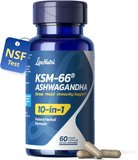
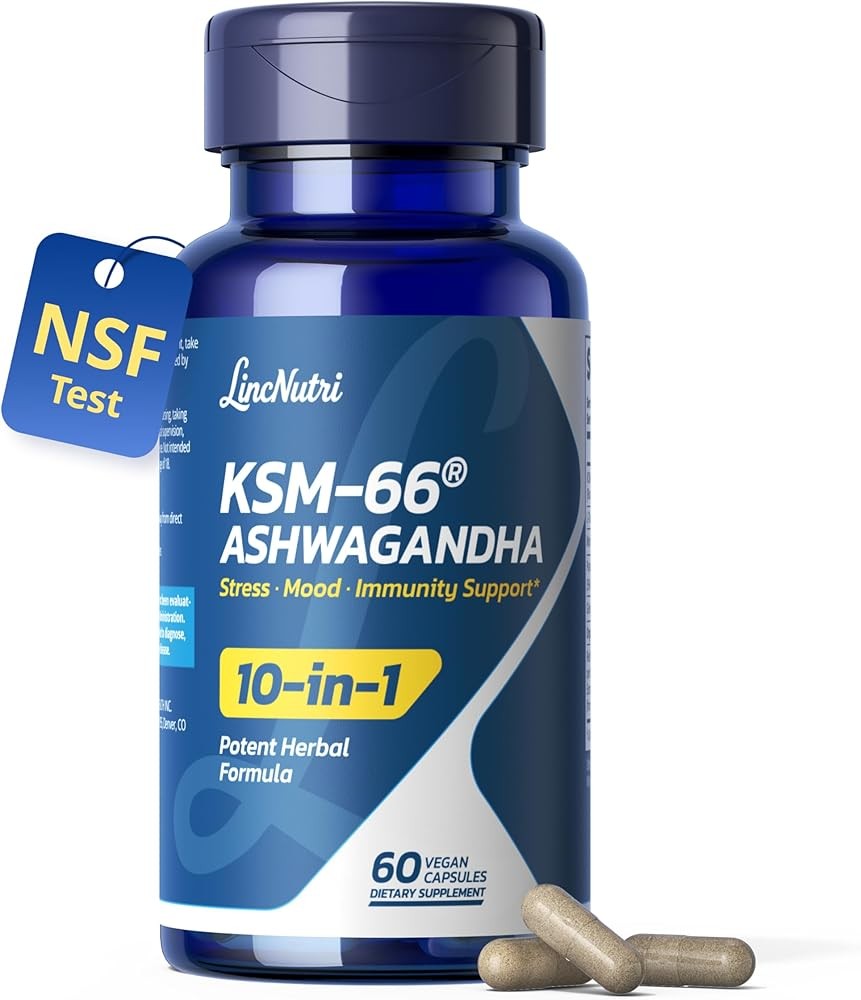
KSM-66 Ashwagandha Complex features the gold-standard KSM-66 extract used in the majority of published clinical trials on ashwagandha. KSM-66 is a full-spectrum root extract standardized to 5% withanolides, the active compounds responsible for ashwagandha’s adaptogenic effects. This formula delivers 600mg of KSM-66 per serving – the total daily dose used in a 60-day randomized, double-blind, placebo-controlled trial that found significant serum cortisol reductions versus placebo.
The “10-in-1” designation indicates the formula includes synergistic ingredients beyond ashwagandha, though the exact companion ingredients vary by batch. Common additions include rhodiola, holy basil, L-theanine, and B vitamins — all of which support different aspects of the stress response pathway. This comprehensive approach addresses cortisol from multiple angles: ashwagandha modulates HPA axis function, L-theanine provides acute anxiolytic effects through GABA and alpha wave enhancement, and B vitamins support neurotransmitter synthesis.
The recommended dose is 2 capsules daily, providing 600mg of KSM-66 ashwagandha. This can be taken as a single morning dose or split between morning and evening for sustained coverage. Users typically notice improved stress resilience within 2 weeks, with peak cortisol reduction at 6-8 weeks. This formula is particularly well-suited for individuals with confirmed elevated cortisol who want the clinical-strength ashwagandha dose used in research.
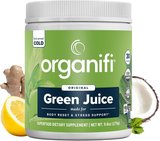
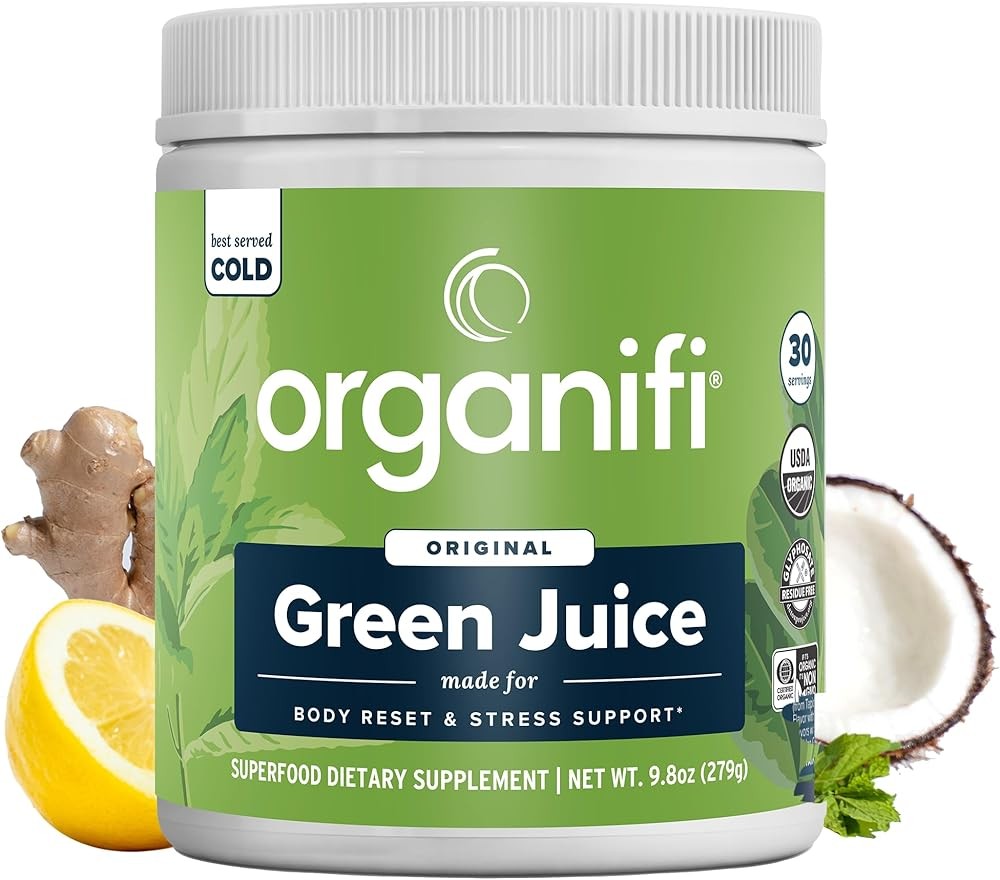
Organifi Green Juice takes a whole-food approach to cortisol management by combining ashwagandha with superfoods like spirulina, chlorella, moringa, and matcha green tea. The ashwagandha content provides adaptogenic stress support, while the spirulina and chlorella deliver micronutrients that support overall cellular health and antioxidant status. Matcha provides L-theanine naturally (20-40mg per serving), which enhances the stress-reducing effects through GABA modulation and alpha wave enhancement.
This formula is designed for individuals who prefer a drinkable, whole-food supplement approach rather than capsules. The powder mixes into water, smoothies, or juice, making it easy to incorporate into morning routines. The green superfood base provides additional benefits beyond cortisol management, including alkalizing effects, digestive support from prebiotic fibers, and antioxidant protection.
The recommended dose is one scoop daily, mixed with 8-12 ounces of water or your preferred beverage. The mild mint flavor masks the earthy taste of the greens. Most users report increased energy and reduced afternoon fatigue within 1-2 weeks, with cumulative stress resilience building over 4-6 weeks. The powder format allows for flexible dosing — some users take half a scoop twice daily for sustained cortisol support throughout the day.
Does Ashwagandha Really Lower Cortisol?
Ashwagandha (Withania somnifera) is the most extensively studied adaptogenic herb for cortisol reduction. Multiple randomized controlled trials have demonstrated significant, measurable reductions in serum cortisol — this is not subjective “stress relief” but quantifiable biochemical change.
What Does the Clinical Evidence Show?
A 2019 randomized, double-blind, placebo-controlled study by Lopresti et al. tested 240 mg/day of a standardized ashwagandha extract (Shoden) in 60 stressed adults (Lopresti et al., 2019). After 60 days, the ashwagandha group showed significantly greater reductions in morning cortisol and in anxiety scores (Hamilton Anxiety Rating Scale) compared to placebo, along with greater reductions in DHEA-S. Testosterone increased in males but not females.
A 2012 double-blind trial by Chandrasekhar et al. used KSM-66 ashwagandha extract (300mg twice daily, 600mg/day total) in 64 adults with chronic stress (Chandrasekhar et al., 2012). After 60 days, serum cortisol was significantly reduced versus placebo and scores on all stress-assessment scales improved substantially.
A 2023 randomized, double-blind, placebo-controlled study by Majeed et al. tested an ashwagandha root extract standardized to 2.5% withanolides (500mg daily with 5mg piperine) in 54 adults with mild-to-moderate stress (Majeed et al., 2023). Over 60 days, the ashwagandha group showed significantly improved perceived stress, anxiety, and quality-of-life scores, greater reductions in morning salivary cortisol, and better multitasking and concentration on cognitive testing compared to placebo.
Why Do KSM-66 and Sensoril Work Differently?
KSM-66 is a full-spectrum extract made only from the root, standardized to ≥5% withanolides. The extraction process preserves the natural ratios of active compounds found in the root.
Sensoril is made from both roots and leaves and standardized to at least 10% withanolides, which is why it is effective at lower doses (125-250mg twice daily) than KSM-66 (300mg twice daily).
For most people, KSM-66 at 600mg daily (split into two doses) is the most researched and safest long-term option. Sensoril may be more sedating, which can be beneficial if sleep is a primary concern.
What Is the Best Dose and When Should You Take It?
- KSM-66 extract: 600mg total daily, split as 300mg in the morning and 300mg in the evening
- Sensoril extract: 250-500mg total daily, split into two doses
- Timeline: Cortisol reduction begins within 2 weeks; full adaptogenic benefits at 6-8 weeks
For detailed comparisons and additional applications, see our guide to ashwagandha for stress and anxiety, our review of ashwagandha supplements, and our broader adaptogen supplement guide.
Bottom line: Ashwagandha is the most consistently supported adaptogen for cortisol: KSM-66 at 600mg/day significantly reduced serum cortisol in a 60-day trial, and other standardized extracts (Shoden, ARE-500) show similar effects on morning cortisol, making it the first-line choice among cortisol-lowering supplements.
Can Phosphatidylserine Blunt Cortisol Spikes?
Phosphatidylserine (PS) is a phospholipid that is a critical structural component of cell membranes, particularly in the brain. It has a unique ability to blunt cortisol spikes triggered by acute physical or psychological stress. Unlike adaptogens that work over weeks, phosphatidylserine produces measurable cortisol-blunting effects from the very first dose.
What Does the Clinical Evidence Show?
A landmark study in 1992 tested the effects of phosphatidylserine on the stress response in nine healthy men (Monteleone et al., 1992). Participants received 800mg of PS daily for 10 days, then underwent a standardized exercise stress test. The PS group showed significantly blunted ACTH and cortisol responses compared to placebo, without affecting growth hormone or prolactin.
Research examining PS supplementation in chronically stressed men found that a soy-based phosphatidylserine/phosphatidic acid complex normalized HPA axis reactivity. In a 2014 study by Hellhammer et al., 75 healthy men stratified by chronic stress level took the complex (at a higher or lower dose) or placebo for 42 days before undergoing the Trier Social Stress Test (Hellhammer et al., 2014). Chronically stressed subjects showed an exaggerated cortisol and ACTH response to the stressor – but in that subgroup, the higher dose of the PS complex normalized the ACTH, salivary cortisol, and serum cortisol responses compared to placebo, with no effect in low-stress subjects.
A study by Benton et al. found that in young adults with above-median neuroticism scores, taking 300mg of PS daily for a month was associated with feeling less stressed and having a better mood during a stressful mental arithmetic task (Benton et al., 2001).
How Does Phosphatidylserine Work?
Phosphatidylserine appears to work by modulating the HPA axis at multiple points. It may dampen the hypothalamic release of CRH in response to stress, reduce pituitary sensitivity to CRH, or enhance cortisol negative feedback sensitivity. The net result is that your body still responds to stress — you can still perform physically and mentally — but the magnitude of the cortisol spike is blunted.
This makes phosphatidylserine particularly useful for athletes (to support recovery and avoid overtraining), individuals with high-stress jobs, or anyone experiencing frequent acute stressors throughout the day.
What Is the Best Dose and When Should You Take It?
- For exercise-induced cortisol spikes: 400-800mg taken 60-90 minutes before intense training
- For daily stress management: 200-400mg daily, split into morning and afternoon doses
- Acute stress support: 200-400mg taken 30-60 minutes before a known stressor (presentation, exam, difficult conversation)
- Timeline: Acute effects within 1-2 hours; chronic benefits build over 2-4 weeks
Bottom line: Phosphatidylserine 200-800mg daily blunts exercise- and stress-induced cortisol spikes and helps normalize HPA axis reactivity in chronically stressed people; acute effects appear within hours to days, and chronic benefits build over 2-4 weeks.
Can Rhodiola Rosea Help with Fatigue and Burnout?
Rhodiola rosea is an adaptogenic herb that grows in cold, mountainous regions of Europe and Asia. It has a long history of use in Scandinavian and Russian traditional medicine for combating fatigue, enhancing endurance, and improving resilience to stress. The clinical evidence for rhodiola focuses more on stress-related fatigue, burnout recovery, and cognitive performance under stress than on direct cortisol numbers — but the cortisol data that exists is compelling.
What Does the Clinical Evidence Show?
A randomized, double-blind, placebo-controlled trial using SHR-5 (a standardized Rhodiola rosea extract) enrolled 60 individuals aged 20-55 who met Swedish diagnostic criteria for stress-related fatigue syndrome. Participants received 576 mg of SHR-5 daily or placebo for 28 days (Olsson et al., 2009). The rhodiola group showed significantly greater improvements on the burnout scale and in attention measures, and the cortisol response to waking changed significantly in the treatment group relative to control.
The European Medicines Agency formally approved Rhodiola rosea as a traditional adaptogen for temporary relief of stress-related symptoms including fatigue, exhaustion, and general weakness in 2011, based on the accumulated clinical evidence.
A 2018 review by Anghelescu et al. in the International Journal of Psychiatry in Clinical Practice analyzed the available data and concluded that Rhodiola rosea extract has beneficial effects on life-stress symptoms, fatigue, and cognitive performance under stress, with a favorable safety profile (Anghelescu et al., 2018).
What Are the Active Compounds in Rhodiola?
The two primary active compound classes in Rhodiola rosea are rosavins and salidroside. Quality extracts are standardized to contain at least 3% rosavins and 1% salidroside — this is the ratio found naturally in the root and is the standard used in most clinical trials (the SHR-5 extract follows this standardization).
Salidroside appears to be the primary compound responsible for anti-fatigue and cortisol-modulating effects, while rosavins contribute to mood regulation and antidepressant activity.
What Is the Best Dose and When Should You Take It?
- For stress and fatigue: 200-600 mg daily of a standardized extract (3% rosavins, 1% salidroside)
- Best taken in the morning or early afternoon — rhodiola can be mildly stimulating and may interfere with sleep if taken late in the day
- Cycling recommended: 4-6 weeks on, 2 weeks off (to avoid potential tolerance)
- Timeline: Effects typically noticeable within 3-7 days; full adaptogenic benefits at 3-4 weeks
Bottom line: Rhodiola rosea 200-600mg daily (3% rosavins, 1% salidroside) reduces fatigue, improves stress resilience, and supports burnout recovery by modulating HPA axis function and neurotransmitter activity.
How Does Magnesium Regulate Cortisol?
Magnesium is involved in over 600 enzymatic reactions in the human body, and its role in stress regulation is one of the most underappreciated. Roughly half of U.S. adults consume less than the recommended amount of magnesium – and deficiency itself amplifies the stress response, creating a vicious cycle where stress depletes magnesium and low magnesium worsens stress.
What Does the Clinical Evidence Show?
A 24-week randomized, placebo-controlled trial in 49 overweight adults found that magnesium supplementation (350 mg/day) significantly decreased 24-hour urinary cortisol excretion compared to placebo (decrease of 32 nmol/24-h). The study also found increased activity of 11-beta-hydroxysteroid dehydrogenase type 2 (11beta-HSD2), an enzyme that inactivates cortisol — essentially, magnesium helped the body clear cortisol more effectively (Schutten et al., 2021).
A study on athletes found statistically significant reductions in cortisol concentrations following magnesium supplementation, with the greatest reductions observed on the day of competition. The researchers concluded that magnesium supplementation has an important influence on HPA axis activity (Cinar et al., 2008).
A systematic review of 18 studies examining magnesium supplementation for anxiety found that supplementation was associated with reduced subjective anxiety in anxiety-vulnerable groups (mildly anxious individuals, people with PMS, and hypertensive patients), though the authors noted the overall evidence quality was limited (Boyle et al., 2017).
Why Does the Form of Magnesium Matter?
Magnesium comes in many forms, and the differences are not trivial:
Magnesium glycinate is chelated to the amino acid glycine, which itself has calming, inhibitory neurotransmitter properties. Glycinate is highly bioavailable, gentle on the stomach, and the best all-around choice for stress and cortisol management. The glycine component provides additional sleep and relaxation benefits.
Magnesium L-threonate (branded as Magtein) is the only form shown to cross the blood-brain barrier effectively and increase brain magnesium levels. It is the best choice if brain fog and cognitive impairment are your primary cortisol-related symptoms. Doses are typically 1,500-2,000 mg of magnesium threonate (providing 144 mg of elemental magnesium).
Magnesium oxide and citrate are common but have lower absorption rates and are more likely to cause digestive issues (citrate is a mild osmotic laxative). They are fine for addressing general deficiency but suboptimal for targeted stress support.
What Is the Best Dose and When Should You Take It?
- Magnesium glycinate: 200-400 mg elemental magnesium daily, taken in the evening
- Magnesium threonate: 1,500-2,000 mg magnesium threonate daily (split into morning and evening doses)
- Timeline: Calming effects can be felt within 30-60 minutes of a single dose; optimal tissue saturation takes 2-4 weeks of consistent supplementation
Bottom line: Magnesium 300-400mg daily (glycinate or threonate forms) calms the nervous system, improves sleep quality, and reduces stress-related cortisol elevation; low magnesium status is common and amplifies the stress response.
Does L-Theanine Provide Fast-Acting Calm Without Sedation?
L-theanine is an amino acid found almost exclusively in tea leaves (Camellia sinensis). It is one of the fastest-acting supplements for stress and anxiety, producing noticeable calming effects within 30-60 minutes of a single dose. Unlike most anxiolytics, L-theanine promotes relaxation without sedation or cognitive impairment — it actually enhances focus and attention while reducing stress.
What Does the Clinical Evidence Show?
A randomized, triple-blind, placebo-controlled crossover study by Evans et al. tested a single 200 mg dose of AlphaWave L-Theanine on healthy adults subjected to an acute mental arithmetic stress challenge (Evans et al., 2021). The L-theanine group showed a significantly greater increase in frontal alpha brain wave activity (the pattern associated with relaxed alertness) three hours post-dose and a greater decrease in salivary cortisol one hour post-dose compared to placebo.
A 28-day randomized, double-blind, placebo-controlled trial by Moulin et al. gave moderately stressed adults 400 mg/day of AlphaWave L-Theanine or placebo (Moulin et al., 2024). The L-theanine group showed significant decreases in perceived stress scores and improvements in attention (faster Stroop reaction times), with no significant between-group change in salivary cortisol.
A randomized controlled trial by Hidese et al. published in Nutrients tested 200 mg/day of L-theanine for four weeks in 30 healthy adults (Hidese et al., 2019). Scores on self-rated depression, trait anxiety, and sleep quality measures decreased significantly compared to placebo, and verbal fluency and executive function improved.
A crossover study using a nutrient drink containing L-theanine found that the primary outcome — subjective stress response to a multitasking cognitive stressor — was significantly reduced one hour after administration, and the salivary cortisol response was reduced three hours post-dose (White et al., 2016).
How Does L-Theanine Work in the Brain?
L-theanine promotes relaxation through three primary mechanisms:
-
Alpha wave enhancement. It increases alpha brain wave activity (8-13 Hz), which is associated with a state of wakeful relaxation — the same brainwave pattern seen during meditation.
-
GABA modulation. L-theanine increases levels of GABA (gamma-aminobutyric acid), the brain’s primary inhibitory neurotransmitter. It also increases serotonin and dopamine in specific brain regions.
-
Glutamate antagonism. L-theanine structurally resembles glutamate (the brain’s primary excitatory neurotransmitter) and can block glutamate receptors, reducing neural excitation without causing sedation.
Is Suntheanine the Best Form of L-Theanine?
Suntheanine is a patented, pure L-isomer form of L-theanine produced via enzymatic fermentation. It is the form used in the majority of clinical trials and is guaranteed to contain only the bioactive L-isomer (as opposed to cheaper synthetic forms that may contain a mix of D- and L-isomers). When buying L-theanine, look for the Suntheanine logo on the label.
What Is the Best Dose and When Should You Take It?
- For acute stress: 200 mg as needed (effects within 30-60 minutes)
- For daily stress management: 200-400 mg daily
- Can be combined with caffeine (100 mg L-theanine + 50 mg caffeine) for focused calm
- Timeline: Single-dose effects within 30-60 minutes; chronic benefits build over 2-4 weeks
Bottom line: L-theanine 200-400mg provides fast-acting calm within 30-60 minutes by increasing alpha brain waves and GABA while blunting stress-induced cortisol rises, without causing drowsiness.
Can Omega-3 Fatty Acids Lower Cortisol and Inflammation?
Omega-3 fatty acids — specifically EPA (eicosapentaenoic acid) — have emerged as a meaningful tool for cortisol regulation, particularly through their anti-inflammatory effects. Chronic stress and chronic inflammation are deeply intertwined, and omega-3s address both simultaneously.
What Does the Clinical Evidence Show?
A landmark randomized controlled trial at Ohio State University enrolled 68 medical students and provided them with either 2.5 g/day of omega-3 (2,085 mg EPA and 348 mg DHA) or placebo capsules. Blood was drawn during low-stress periods and before exams. The omega-3 group showed a 20% reduction in anxiety symptoms and a 14% decrease in IL-6 (a pro-inflammatory cytokine closely linked to cortisol). The study demonstrated that omega-3 supplementation could reduce inflammation and anxiety even in young, healthy individuals under academic stress (Kiecolt-Glaser et al., 2011).
A subsequent randomized controlled trial by the same research group in 138 sedentary, overweight midlife adults found that 4 months of omega-3 supplementation reduced overall cortisol output during the Trier Social Stress Test, with the 2.5 g/day group showing 19% lower overall cortisol levels than placebo; the same dose also blunted stress-related declines in the repair enzyme telomerase and the anti-inflammatory cytokine IL-10 (Madison et al., 2021).
A randomized, placebo-controlled trial in abstinent alcoholics found that fish oil supplementation reduced basal cortisol levels throughout the day alongside decreased stress and anxiety ratings (Barbadoro et al., 2013).
Why Does EPA Matter More Than DHA for Cortisol?
Both EPA and DHA are important omega-3 fatty acids, but for cortisol and mood regulation, EPA appears to be the dominant player. EPA competes with arachidonic acid for enzyme access, directly reducing the production of pro-inflammatory eicosanoids that stimulate the HPA axis. Higher EPA intakes are consistently associated with better mood outcomes and lower inflammatory markers in clinical trials.
When choosing an omega-3 supplement for cortisol support, look for one with a high EPA-to-DHA ratio (at least 2:1) and a total EPA dose of at least 1,000-2,000 mg per day.
What Is the Best Dose and When Should You Take It?
- For cortisol reduction: 2,000-2,500 mg total omega-3 with at least 1,500 mg EPA daily
- Take with a meal containing fat for optimal absorption
- Timeline: Anti-inflammatory effects begin within 2-4 weeks; cortisol reduction typically measurable at 6-8 weeks
Bottom line: Omega-3s lower the inflammation and anxiety that amplify HPA axis activation (a 20% anxiety reduction and 14% drop in stimulated IL-6 in one RCT of medical students), and at 2.5g/day they measurably reduce cortisol output during acute stress, with EPA the more potent anti-inflammatory fatty acid.
What’s the Evidence for Holy Basil (Tulsi) as an Adaptogen?
Holy basil (Ocimum tenuiflorum, also known as Tulsi) is one of the most sacred plants in Ayurvedic medicine, where it has been revered for millennia as a “rasayana” — an herb that promotes perfect health and longevity. Modern clinical trials are now validating what Ayurvedic practitioners have known for centuries: holy basil has genuine adaptogenic, anti-stress, and cortisol-modulating properties.
What Does the Clinical Evidence Show?
A randomized, double-blind, placebo-controlled trial tested 125 mg of Ocimum tenuiflorum extract (Holixer) twice daily in 100 adults experiencing stress. Compared to placebo, the holy basil group showed significantly greater improvements in perceived stress scores and lower hair cortisol concentrations (a marker of chronic cortisol exposure) at 8 weeks. Additionally, after acute stress testing (the Maastricht Acute Stress Test), the holy basil group had significantly lower salivary cortisol, salivary alpha-amylase, blood pressure, and subjective stress ratings (Lopresti et al., 2022).
A systematic review of 24 human clinical studies on Tulsi found that all studies reported favorable clinical outcomes with no significant adverse events (Jamshidi & Cohen, 2017). The therapeutic effects extended across metabolic disorders, cardiovascular health, immunity, and neurocognition — suggesting broad adaptogenic activity.
What Are the Active Compounds in Holy Basil?
Holy basil contains a complex profile of bioactive compounds including eugenol, rosmarinic acid, apigenin, myrtenal, luteolin, beta-sitosterol, and carnosic acid. These compounds work synergistically to provide antioxidant, anti-inflammatory, and HPA axis-modulating effects. Eugenol in particular has been shown to have GABAergic activity, which may contribute to the anxiolytic effects.
What Is the Best Dose and When Should You Take It?
- Standardized extract (Holixer or equivalent): 125 mg twice daily
- Dried leaf preparation: 300-600 mg twice daily
- Tulsi tea: 2-3 cups daily (provides a gentler, sustained effect)
- Timeline: Stress reduction noticeable within 1-2 weeks; chronic cortisol effects at 4-8 weeks
Bottom line: Holy basil extract works: in an 8-week randomized trial, 125mg of a standardized extract (Holixer) twice daily significantly improved perceived stress and insomnia scores and lowered hair cortisol versus placebo. Dried-leaf doses of 300-600mg twice daily are the traditional range.
Why Is Vitamin C Important for Adrenal Function?
Here is a fact that surprises most people: the adrenal glands contain the highest concentration of vitamin C of any organ in the body. This is not a coincidence. Vitamin C is an essential cofactor for cortisol synthesis, and the adrenal glands actively secrete vitamin C in response to ACTH stimulation as part of the stress response. During chronic stress, adrenal vitamin C stores become depleted, and supplementation can help restore normal cortisol regulation.
What Does the Clinical Evidence Show?
A randomized, double-blind, placebo-controlled trial in 120 healthy young adults (60 per group) tested sustained-release vitamin C (3,000 mg/day split into three doses) versus placebo for 14 days. Participants were then subjected to a standardized psychological stress test (public speaking and mental arithmetic). The vitamin C group showed significantly lower blood pressure increases, faster cortisol recovery after the stressor, and reduced subjective stress responses compared to placebo (Brody et al., 2002).
A 2024 study specifically investigated vitamin C supplementation in patients with functional hypercortisolemia caused by chronic stress (Beglaryan et al., 2024). Sixty-nine women with elevated cortisol or DHEA-S levels received 1,000 mg of oral vitamin C daily for 2 months. After supplementation, mean plasma cortisol and DHEA-S levels decreased significantly in the elevated subgroups, demonstrating that vitamin C can help normalize cortisol in chronically stressed individuals.
A study in ultramarathon runners found that 1,500 mg/day of vitamin C significantly attenuated the post-exercise cortisol and adrenaline response compared to 500 mg or less (Peters et al., 2001).
Why Should You Choose Liposomal Vitamin C?
Standard vitamin C (ascorbic acid) has a significant absorption limitation: oral bioavailability is dose-limited by intestinal transporter saturation. At doses above 200-400 mg, much of the vitamin C passes through the gut unabsorbed, and high doses commonly cause osmotic diarrhea.
Liposomal vitamin C overcomes this by encapsulating ascorbic acid within phospholipid vesicles (liposomes) — essentially tiny fat bubbles that protect the vitamin C through the digestive tract and deliver it directly into cells via membrane fusion. Research has shown that liposomal delivery can achieve significantly higher plasma vitamin C levels than equivalent doses of standard ascorbic acid — some studies suggest 1.5 to 2 times higher circulating levels.
For cortisol management specifically, higher sustained plasma levels are desirable because the adrenal glands are continually drawing on circulating vitamin C during stress. Liposomal C allows you to maintain elevated plasma levels without the GI distress that comes with megadosing standard ascorbic acid.
What Is the Best Dose and When Should You Take It?
- Liposomal vitamin C: 1,000-2,000 mg daily
- Standard vitamin C: 1,000-1,500 mg daily, split into 2-3 doses (to maximize absorption)
- For acute stress recovery: 1,500-3,000 mg daily
- Timeline: Cortisol-modulating effects can begin within 1-2 weeks; adrenal replenishment takes 4-8 weeks
Bottom line: Vitamin C 1000-2000mg daily supports adrenal function: high-dose trials show faster cortisol recovery after acute stress, lower cortisol in chronically stressed individuals, and attenuated post-exercise cortisol spikes; liposomal forms improve absorption at higher doses.
How Do B Vitamins Support Adrenal Function?
B vitamins play multiple essential roles in cortisol regulation, neurotransmitter synthesis, and energy production under stress. Two B vitamins are particularly relevant:
Why Is Vitamin B5 Essential for Cortisol Production?
Pantothenic acid is a component of coenzyme A (CoA), which is absolutely required for the synthesis of cortisol and all other steroid hormones in the adrenal cortex. Studies in rats have shown that pantothenic acid supplementation stimulates the adrenal cells’ ability to secrete corticosterone and progesterone, particularly under ACTH stimulation. More practically, the coenzyme form of B5 — pantethine — has been shown in human studies to buffer the increase in urinary cortisol metabolites following ACTH loading, suggesting it can help modulate cortisol hypersecretion under high-stress conditions.
B5 deficiency leads to reduced cortisol production alongside symptoms of fatigue, headache, insomnia, depression, and increased inflammation — a pattern that closely mirrors the symptoms of chronic stress.
How Does Vitamin B6 Help Build Calming Neurotransmitters?
Vitamin B6 is a cofactor for the enzymes that synthesize GABA, serotonin, dopamine, and norepinephrine — the neurotransmitters that directly influence how you perceive and respond to stress. Inadequate B6 means impaired production of calming neurotransmitters, amplifying the subjective experience of stress and anxiety even if the external stressors are unchanged.
A 2019 systematic review and meta-analysis of B vitamin supplementation found a significant benefit for stress (but not anxiety or depressive symptoms) across trials, with the clearest effects in “at-risk” populations such as people with poor nutrient status or high occupational stress (Young et al., 2019).
What Are the Best Forms of B Vitamins for Stress?
- B5: Pantethine (the active coenzyme form) at 450-900 mg daily is preferable to pantothenic acid for stress support. Standard pantothenic acid at 500-1,000 mg daily is also effective.
- B6: Pyridoxal-5-phosphate (P5P) at 25-50 mg daily. P5P is the bioactive form that does not require liver conversion, making it more effective than standard pyridoxine, especially in individuals with liver sluggishness.
- B-complex approach: A high-quality B-complex that includes active forms of all B vitamins (methylfolate, methylcobalamin, P5P, pantethine, riboflavin-5-phosphate) provides comprehensive support for the stress response pathway.
What Is the Best Dose and When Should You Take It?
- Pantethine: 450 mg twice daily with meals
- P5P (active B6): 25-50 mg daily
- Full B-complex: Take in the morning (B vitamins can be energizing)
- Timeline: Neurotransmitter support effects within 1-2 weeks; optimal tissue levels at 4-6 weeks
Bottom line: Pantethine (activated B5) at 450-900mg daily buffers ACTH-stimulated cortisol output, and B6 as P5P at 25-50mg daily supports GABA and neurotransmitter synthesis; B-complex vitamins are foundational support rather than heavy hitters like ashwagandha or phosphatidylserine.
How Do Probiotics Affect the Gut-Brain Axis and Cortisol?
The gut-brain axis is one of the most exciting areas of stress research. Your gut microbiome communicates directly with your brain through the vagus nerve, immune signaling, and the production of neurotransmitters. Specific probiotic strains — sometimes called “psychobiotics” — have been shown in clinical trials to reduce cortisol, lower anxiety, and improve the stress response.
What Does the Clinical Evidence Show?
A randomized, double-blind controlled trial tested Lactobacillus plantarum 299v in 41 students facing academic exams. After 14 days of supplementation, the probiotic group had significantly lower salivary cortisol levels compared to placebo (P < 0.05), along with significantly higher counts of beneficial lactobacilli (Andersson et al., 2016).
A 2026 systematic review and meta-analysis of 41 randomized controlled trials found that probiotic supplementation significantly reduced serum cortisol levels, with single-strain products more effective than multi-strain formulas, though the authors rated the overall evidence quality as very low due to high heterogeneity (Gandomkar et al., 2026).
Which Probiotic Strains Are Best for Stress and Cortisol?
Based on the clinical evidence, these strains have the strongest support for stress modulation:
- Lactobacillus plantarum 299v — directly shown to reduce exam-induced cortisol
- Lactobacillus helveticus R0052 — reduces anxiety and cortisol in combination formulas
- Bifidobacterium longum R0175 — improves stress resilience and emotional processing
- Lactobacillus rhamnosus JB-1 — modulates GABA receptor expression via the vagus nerve
- Bifidobacterium longum 1714 — reduces cortisol output and perceived stress
The key insight is that probiotic effects are strain-specific. A generic “probiotic blend” without identified strains is unlikely to provide targeted stress benefits. Look for products that list specific strain designations on the label.
What Is the Best Dose and When Should You Take It?
- Colony count: 10-20 billion CFU daily of a multi-strain formula containing the strains listed above
- Single-strain approach: Lactobacillus plantarum 299v at 10 billion CFU daily
- Take on an empty stomach (20-30 minutes before a meal) for best survival through stomach acid
- Timeline: Gut colonization begins within 1 week; cortisol-modulating effects at 4-8 weeks
Bottom line: Probiotics (10-20 billion CFU, single strains like Lactobacillus plantarum 299v) modestly reduce cortisol: a 2026 meta-analysis of 41 RCTs found a small but significant reduction in serum cortisol, with effects most relevant during periods of high stress.
How Long Does It Take to See Results from Cortisol Supplements?
Here is a realistic timeline for what to expect when you begin a cortisol-lowering protocol:
What Happens in the First Week?
- L-theanine produces noticeable calming effects from the first dose (30-60 minutes)
- Magnesium may improve sleep quality within the first few nights
- You may notice slightly reduced muscle tension and jaw clenching
- Ashwagandha and rhodiola are building in your system but not yet at therapeutic levels
What Changes by Week Two?
- Ashwagandha begins producing measurable cortisol reduction
- Sleep quality continues to improve — fewer middle-of-the-night wake-ups
- Energy may feel slightly more stable throughout the day
- Rhodiola’s anti-fatigue effects become noticeable
- Anxiety episodes may be less intense
What Should You Expect After One Month?
- Ashwagandha is at full cortisol-lowering effect
- Belly bloating and water retention begin to decrease
- Afternoon energy crashes are less severe
- Sugar cravings diminish
- Immune function starts to strengthen
- Brain fog is noticeably improved
- Probiotics have established beneficial gut colonization
What Are the Full Effects at Two to Three Months?
- Full adaptogenic effects in place across all supplements
- Body composition changes become visible — visceral fat starts responding to diet and exercise
- Consistent, restorative sleep most nights
- Emotional resilience is noticeably improved — stress still occurs but you recover faster
- Exercise performance and recovery improve
- Skin quality improves (less puffiness, healthier tone)
- The compounding benefits create a noticeable quality-of-life improvement
When Can You Reduce Your Supplement Stack?
- Consider reducing your stack to a maintenance protocol
- Many people can drop rhodiola and phosphatidylserine while maintaining magnesium, ashwagandha, omega-3s, and vitamin C long-term
- The lifestyle changes you have made (sleep, exercise, stress management) carry much of the benefit at this point
- Periodic “stress support” intensification during high-stress periods (adding rhodiola and extra L-theanine back in temporarily)
Bottom line: L-theanine and magnesium work within hours to days, ashwagandha shows cortisol reduction by week 2 with full effects at 8 weeks, and body composition changes typically become visible after 2-3 months of consistent use.
What Are the Recommended Doses for Each Supplement?
| Supplement | Daily Dose | Best Time | Key Form | Timeline |
|---|---|---|---|---|
| Ashwagandha (KSM-66) | 600 mg | Morning + evening | KSM-66 or Sensoril | 2-8 weeks |
| Phosphatidylserine | 200-800 mg | Before exercise or AM/PM | Soy or sunflower-derived | Acute + 2-4 weeks |
| Rhodiola rosea | 200-600 mg | Morning | SHR-5 (3% rosavins, 1% salidroside) | 3-7 days |
| Magnesium glycinate | 300-400 mg | Evening | Glycinate or threonate | 30 min - 4 weeks |
| L-theanine | 200-400 mg | As needed | Suntheanine | 30-60 minutes |
| Omega-3 (EPA) | 2,000-2,500 mg | With meals | High EPA ratio (2:1+) | 6-8 weeks |
| Holy basil | 250 mg | AM + PM | Holixer or standardized | 1-8 weeks |
| Vitamin C | 1,000-2,000 mg | AM + PM | Liposomal preferred | 1-2 weeks |
| B5 (Pantethine) | 450-900 mg | Morning | Pantethine (active form) | 2-4 weeks |
| Probiotics | 10-20 billion CFU | Empty stomach | L. plantarum 299v, B. longum | 4-8 weeks |
Bottom line: Use standardized extracts at clinically studied doses (KSM-66 ashwagandha 600mg, PS 200-800mg, rhodiola SHR-5 200-600mg, magnesium glycinate 300-400mg, L-theanine 200-400mg) and take each supplement at the optimal time of day for best results.
When Should You See a Doctor About High Cortisol?
Supplements are appropriate for everyday stress, but some presentations warrant medical evaluation before you self-manage:
- Signs of Cushing’s syndrome: rapid central weight gain with thin arms and legs, purple stretch marks, easy bruising, muscle weakness in the hips and shoulders, and a round red face. These can indicate a cortisol-producing tumor and need prompt workup, not adaptogens.
- Symptoms of adrenal insufficiency: severe fatigue with dizziness on standing, low blood pressure, darkening skin, or salt craving can indicate low cortisol (Addison’s disease), where adaptogens or high-dose vitamin C will not help and could delay treatment.
- Unexplained weight gain or blood pressure that keeps rising despite lifestyle changes – worth checking cortisol, blood glucose, and thyroid before assuming stress.
- If you take prescription medication for anxiety, depression, diabetes, blood pressure, or thyroid conditions, check with your doctor or pharmacist before adding ashwagandha, rhodiola, or high-dose B6, which can interact with some drugs.
- No improvement after 12 weeks of a consistent protocol (supplements plus sleep, diet, and stress work) is a reason to get formal testing – salivary cortisol day curve, 24-hour urine cortisol, or a dexamethasone suppression test ordered by a clinician – rather than continuing to add more products.
Related Reading
- Best Ashwagandha Supplements — Extract Comparison and Dosing Guide
- Rhodiola Rosea for Energy and Stress — What Clinical Trials Show
- Best Adaptogen Supplements — Evidence-Based Guide
- Best Magnesium Supplements for Sleep and Relaxation
- Best L-Theanine Supplements for Sleep and Relaxation
- Omega-3 for Heart Health: How Much EPA and DHA You Actually Need
- Best Probiotics for Digestive Health
Final Thoughts
Chronic stress is not a character flaw — it is a physiological state with measurable biochemical consequences. The supplements covered in this guide are not magic pills, but they are tools backed by real clinical evidence that can meaningfully shift your cortisol levels, HPA axis function, and overall stress resilience.
The most effective approach combines targeted supplementation with the lifestyle fundamentals — consistent sleep, appropriate exercise, stress management practices, and social connection. Start with the foundation (magnesium, L-theanine, omega-3s), add the heavy hitters as needed (ashwagandha, phosphatidylserine, rhodiola), and give the protocol at least 8 weeks before assessing results.
Your body wants to return to balance. Sometimes it just needs the right support to get there.
References
-
Chandrasekhar, K., Kapoor, J., & Anishetty, S. (2012). A prospective, randomized double-blind, placebo-controlled study of safety and efficacy of a high-concentration full-spectrum extract of ashwagandha root in reducing stress and anxiety in adults. Indian Journal of Psychological Medicine, 34(3), 255-262. PubMed
-
Lopresti, A. L., Smith, S. J., Malvi, H., & Kodgule, R. (2019). An investigation into the stress-relieving and pharmacological actions of an ashwagandha extract: A randomized, double-blind, placebo-controlled study. Medicine, 98(37), e17186. PubMed
-
Majeed, M., et al. (2023). A standardized Ashwagandha root extract alleviates stress, anxiety, and improves quality of life in healthy adults by modulating stress hormones. Medicine, 100(19), e33915. PubMed
-
Monteleone, P., et al. (1992). Blunting by chronic phosphatidylserine administration of the stress-induced activation of the hypothalamo-pituitary-adrenal axis in healthy men. European Journal of Clinical Pharmacology, 42(4), 385-388. PubMed
-
Hellhammer, J., et al. (2014). A soy-based phosphatidylserine/phosphatidic acid complex normalizes the stress reactivity of the HPA axis in chronically stressed male subjects. Lipids in Health and Disease, 13, 121. PubMed
-
Benton, D., Donohoe, R. T., Sillance, B., & Nabb, S. (2001). The influence of phosphatidylserine supplementation on mood and heart rate when faced with an acute stressor. Nutritional Neuroscience, 4(3), 169-178. PubMed
-
Olsson, E. M., von Schéele, B., & Panossian, A. G. (2009). A randomised, double-blind, placebo-controlled, parallel-group study of the standardised extract SHR-5 of the roots of Rhodiola rosea in the treatment of subjects with stress-related fatigue. Planta Medica, 75(2), 105-112. PubMed
-
Anghelescu, I. G., Edwards, D., Seifritz, E., & Kasper, S. (2018). Stress management and the role of Rhodiola rosea: a review. International Journal of Psychiatry in Clinical Practice, 22(4), 242-252. PubMed
-
Schutten, J., et al. (2021). Long-term magnesium supplementation improves glucocorticoid metabolism: A post-hoc analysis of an intervention trial. Clinical Endocrinology, 94(2), 150-157. PubMed
-
Boyle, N. B., Lawton, C., & Dye, L. (2017). The effects of magnesium supplementation on subjective anxiety and stress — a systematic review. Nutrients, 9(5), 429. PubMed
-
Cinar, V., Polat, Y., Baltaci, A. K., & Mogulkoc, R. (2008). Adrenocorticotropic hormone and cortisol levels in athletes and sedentary subjects at rest and exhaustion: effects of magnesium supplementation. Biological Trace Element Research, 121(3), 215-220. PubMed
-
Evans, M., et al. (2021). A randomized, triple-blind, placebo-controlled, crossover study to investigate the efficacy of a single dose of AlphaWave L-Theanine on stress. Neurology and Therapy, 10(2), 1061-1078. PubMed
-
Moulin, M., et al. (2024). Safety and efficacy of AlphaWave L-Theanine supplementation for 28 days in healthy adults with moderate stress. Neurology and Therapy, 13(2), 357-375. PubMed
-
Hidese, S., et al. (2019). Effects of L-theanine administration on stress-related symptoms and cognitive functions in healthy adults: A randomized controlled trial. Nutrients, 11(10), 2362. PubMed
-
White, D. J., de Klerk, S., Woods, W., Gómez, S., Stollo, L., & Scholey, A. (2016). Anti-stress, behavioural and magnetoencephalography effects of an L-theanine-based nutrient drink. Nutrients, 8(1), 53. PubMed
-
Kiecolt-Glaser, J. K., et al. (2011). Omega-3 supplementation lowers inflammation and anxiety in medical students: A randomized controlled trial. Brain, Behavior, and Immunity, 25(8), 1725-1734. PubMed
-
Madison, A. A., et al. (2021). Omega-3 supplementation and stress reactivity of cellular aging biomarkers: an ancillary substudy of a randomized, controlled trial. Molecular Psychiatry, 26(7), 3034-3042. PubMed
-
Barbadoro, P., et al. (2013). Fish oil supplementation reduces cortisol basal levels and perceived stress: a randomized, placebo-controlled trial in abstinent alcoholics. Molecular Nutrition & Food Research, 57(6), 1110-1114. PubMed
-
Lopresti, A. L., Smith, S. J., & Drummond, P. D. (2022). A randomized, double-blind, placebo-controlled trial investigating the effects of an Ocimum tenuiflorum extract on stress, mood, and sleep. Frontiers in Nutrition, 9, 965130. PubMed
-
Jamshidi, N., & Cohen, M. M. (2017). The clinical efficacy and safety of Tulsi in humans: A systematic review of the literature. Evidence-Based Complementary and Alternative Medicine, 2017, 9217567. PubMed
-
Brody, S., Preut, R., Schommer, K., & Schürmeyer, T. H. (2002). A randomized controlled trial of high dose ascorbic acid for reduction of blood pressure, cortisol, and subjective responses to psychological stress. Psychopharmacology, 159(3), 319-324. PubMed
-
Beglaryan, N., et al. (2024). Vitamin C supplementation alleviates hypercortisolemia caused by chronic stress. Stress and Health, 40(1), e3347. PubMed
-
Peters, E. M., et al. (2001). Vitamin C supplementation attenuates the increases in circulating cortisol, adrenaline and anti-inflammatory polypeptides following ultramarathon running. International Journal of Sports Medicine, 22(7), 537-543. PubMed
-
Young, L. M., et al. (2019). A systematic review and meta-analysis of B vitamin supplementation on depressive symptoms, anxiety, and stress: effects on healthy and “at-risk” individuals. Nutrients, 11(9), 2232. PubMed
-
Andersson, H., et al. (2016). Oral administration of Lactobacillus plantarum 299v reduces cortisol levels in human saliva during examination induced stress. International Journal of Microbiology, 2016, 8469018. PubMed
-
Gandomkar, H., et al. (2026). Impact of probiotic supplementation on cortisol levels; GRADE-based dose-response meta-analysis of randomized controlled trials. BMC Nutrition. PubMed
Recommended Products