Acute Pancreatitis in Dogs: What to Discuss With Your Vet, Tests That Confirm It, and Medications That Help
Summarized from peer-reviewed research indexed in PubMed. See citations below.
Get our free Blog research guide
Evidence-based insights delivered to your inbox
Acute pancreatitis in dogs is a sudden, life-threatening inflammation of the pancreas in which digestive enzymes activate inside the organ itself, damaging pancreatic and surrounding tissue, and it is a veterinary emergency that requires immediate professional care rather than home management. The first step is an emergency veterinary visit, where intravenous crystalloid fluid therapy is started right away (typically lactated Ringer’s solution at shock rates of 60–90 mL/kg in the first hour) to restore perfusion and blunt the systemic inflammatory cascade. The test most commonly used to confirm the diagnosis is the Spec cPL (canine pancreatic lipase immunoreactivity) blood test, which has roughly 93% sensitivity and 78% specificity and is considered the most reliable clinicopathologic marker available in practice. Core medications your veterinarian will likely use include maropitant (Cerenia) to control vomiting, an opioid analgesic such as buprenorphine or fentanyl for the severe abdominal pain, and early enteral nutrition with a low-fat diet introduced within 24–48 hours once vomiting is controlled. Here’s what the published veterinary research shows, what to discuss with your veterinarian, and which supportive options may help.
Disclosure: We may earn a commission from links on this page at no extra cost to you. Affiliate relationships never influence our ratings. Full policy →
Watch: How to Help a Dog With Pancreatitis Symptoms Right Now
If your dog is showing signs of pancreatitis — repeated vomiting, abdominal pain, hunched posture, or lethargy — the most important thing is to contact your veterinarian or an emergency clinic immediately. While you are getting help, there are a few safe steps you can take: do not feed your dog, offer water only in small amounts, never give human painkillers such as ibuprofen or acetaminophen (they are toxic to dogs), keep your dog calm and quiet, and avoid any home approaches that could delay veterinary care. This video covers those immediate steps, the tests that confirm the diagnosis, and the medications your veterinarian may use.
What Is Acute Pancreatitis in Dogs and Why Is It an Emergency?
The pancreas is a small organ tucked between the stomach and the small intestine that performs two essential jobs. Its exocrine cells produce digestive enzymes that break down food in the small intestine, while its endocrine cells produce insulin and glucagon that regulate blood sugar. In acute pancreatitis, those digestive enzymes become prematurely activated inside the pancreas itself, and the organ essentially begins digesting its own tissue.
This triggers a cascade of local and systemic inflammation. The damaged pancreas releases cytokines and inflammatory mediators that can spread far beyond the organ, producing a systemic inflammatory response that may affect the heart, kidneys, lungs, and blood-clotting system. Research in dogs has documented elevated concentrations of IL-6, IL-10, and IL-18 in acute pancreatitis compared with healthy controls, reflecting the intensity of the inflammatory response. The condition ranges from mild, self-limiting inflammation to severe necrotizing pancreatitis with shock, organ failure, and a guarded prognosis (Mansfield, Topics in Companion Animal Medicine, 2012).
Clinical signs to recognize. The most common signs are sudden, repeated vomiting, loss of appetite, lethargy, and abdominal pain. Many dogs adopt a characteristic “prayer position” — front legs down, hindquarters up — in an attempt to relieve abdominal discomfort. Other signs include diarrhea, fever or low body temperature, dehydration, weakness, and in severe cases, pale gums, rapid heart rate, and collapse. Vomiting occurs in the large majority of affected dogs, and symptoms typically develop within 24–48 hours of the triggering event.
The mechanism behind the inflammation. The premature activation of digestive enzymes inside the pancreas sets off a destructive chain reaction. Trypsinogen, normally secreted in an inactive form and activated only once it reaches the small intestine, becomes activated prematurely within the pancreatic tissue. Active trypsin then activates the other digestive enzymes — elastase, phospholipase, and chymotrypsin — which begin breaking down pancreatic cells and the surrounding fat. The dying cells release their contents, attracting immune cells and triggering the release of inflammatory cytokines that propagate the injury far beyond the pancreas itself. The systemic inflammatory response that follows can produce increased vascular permeability, fluid shifting into the abdomen, reduced blood pressure, and impaired perfusion of the kidneys and other organs. In the most severe cases, disseminated intravascular coagulation and multi-organ failure can develop (Mansfield, Topics in Companion Animal Medicine, 2012).
Why the clinical signs appear. The vomiting reflects both direct pancreatic inflammation and the irritation of the surrounding peritoneum, which shares nerve pathways with the stomach and intestines. Abdominal pain is caused by the inflamed pancreas stretching its capsule and by chemical irritation of the peritoneum from released enzymes. Lethargy and fever are consequences of the systemic inflammatory response. Dehydration develops quickly because vomiting and reduced water intake are combined with fluid loss into the inflamed tissues. In severe disease, the combination of pain, dehydration, and cardiovascular compromise can lead to shock.
How severity is classified. Veterinarians distinguish mild, moderate, and severe (necrotizing) pancreatitis. Mild disease involves localized inflammation with minimal systemic effects, and most dogs respond to supportive care within a few days. Severe necrotizing pancreatitis involves tissue death within the pancreas, more intense systemic inflammation, and a substantially higher risk of complications. The distinction matters because it drives treatment decisions: mild cases may be managed with outpatient care after initial stabilization, while severe cases require intensive hospitalization with continuous fluid therapy, monitoring, and nutritional support.
When to seek emergency care. Any dog showing repeated vomiting combined with abdominal pain, lethargy, or refusal to eat should be seen by a veterinarian promptly. Signs that warrant immediate emergency evaluation include collapse, pale gums, rapid heart rate, difficulty breathing, abdominal distension, or a dog that cannot keep water down. Because acute pancreatitis can progress from mild to life-threatening within hours, the safest approach is early evaluation rather than waiting to see if the dog improves.
What triggers it. Common risk factors include high-fat meals or access to trash and unusual food items, obesity, hyperlipidemia (especially hypertriglyceridemia), certain medications such as corticosteroids, and underlying endocrine disease including diabetes and Cushing’s disease (Cridge et al., Journal of Veterinary Internal Medicine, 2022). Some breeds, notably Miniature Schnauzers and Yorkshire Terriers, are predisposed, often in association with primary hypertriglyceridemia. Recent research has questioned the strength of the dietary-fat link but continues to identify trash ingestion and metabolic risk factors as significant (Yamka et al., JAVMA, 2026).
Why it is an emergency. Acute pancreatitis can progress rapidly from a painful but manageable episode to a life-threatening systemic illness. Dehydration, electrolyte imbalances, hypovolemic shock, and multi-organ involvement can develop within hours. Because early, aggressive fluid therapy measurably improves outcomes, any dog with suspected pancreatitis should be evaluated by a veterinarian the same day. Delaying care while trying home approaches can turn a treatable case into a critical one.
Bottom line: Acute pancreatitis is a sudden, potentially life-threatening inflammation of the pancreas that requires immediate veterinary evaluation — vomiting occurs in up to 90% of cases, and early IV fluids at 60-90 mL/kg in the first hour measurably improve survival.
What Should You Discuss With Your Veterinarian About Pancreatitis?
When you arrive at the veterinary clinic, being prepared with the right information and questions helps your veterinarian diagnose and manage your dog efficiently. Acute pancreatitis is managed largely through supportive care, and the treatment plan is individualized based on severity, so clear communication matters.
History to provide. Tell your veterinarian when symptoms started, exactly what your dog ate in the previous 48–72 hours (including table scraps, garbage access, snacks, or a change in food), any medications your dog takes, whether there have been previous episodes, and your dog’s breed, age, and weight. This history is often the most valuable diagnostic clue, because dietary indiscretion and high-fat meals are among the most common triggers.
Key questions to ask. A good owner-veterinarian conversation about pancreatitis covers:
- What is the suspected severity — mild, moderate, or severe?
- What tests will confirm the diagnosis, and what do the results mean?
- Does my dog need hospitalization and IV fluids, or can she be managed as an outpatient?
- What medications are being started, and how long will she need them?
- When should she start eating again, and what exact diet should I feed?
- What warning signs mean I need to bring her back immediately?
What the veterinarian will likely recommend. The treatment plan typically includes IV crystalloid fluid therapy as the cornerstone, antiemetics to control vomiting, opioid analgesia for the significant abdominal pain, and careful nutritional management. The older practice of prolonged fasting has given way to early enteral nutrition: research now supports introducing a low-fat, highly digestible diet within 24–48 hours once vomiting is controlled, because early feeding maintains gut barrier integrity and is well tolerated (Jensen & Chan, Journal of Veterinary Emergency and Critical Care, 2014; Mansfield & Beths, Journal of Small Animal Practice, 2015).
Newer options worth asking about. Fuzapladib sodium is a newer veterinary drug that inhibits leukocyte-derived proteases involved in the inflammatory cascade. A 2024 narrative review in the Journal of the American Veterinary Medical Association discusses it among the pharmaceutical options now available for canine acute pancreatitis (Lim et al., JAVMA, 2024). Availability varies by region, so ask your veterinarian whether it is appropriate for your dog’s case.
Clarify follow-up. Before you leave, make sure you understand the follow-up plan: when to recheck bloodwork (including a repeat cPL trend), how to transition the diet, and how to reduce the risk of recurrence. Dogs that have had one episode are at higher risk of another, particularly if underlying causes such as hyperlipidemia, obesity, or endocrine disease are not managed. Understanding the recurrence risk and the long-term dietary plan before discharge avoids confusion later.
Preparing for the visit. A little preparation makes the veterinary visit more productive. Write down the answers to the history questions before you call, note the exact time symptoms began, and if possible, take a photo of anything unusual your dog ate. Confirm whether your clinic has 24-hour emergency capability or whether you should go to an emergency hospital if it is after hours. Ask about estimated costs and payment options early, because pancreatitis treatment can range from a few hundred dollars for a mild outpatient case to several thousand for intensive hospitalization. Knowing what to expect reduces stress and lets you focus on your dog’s care rather than logistics in the moment.
When your vet recommends referral. If your dog’s case is severe, complicated, or not responding to initial treatment, your veterinarian may refer you to an internal medicine specialist or a 24-hour referral hospital. Referral centers have continuous monitoring, advanced imaging such as CT, and round-the-clock nursing care that can make a meaningful difference in severe pancreatitis. This is not a sign that your regular veterinarian is failing — it is the standard path for the sickest patients, and it gives your dog access to the highest level of supportive care available.
Bottom line: Bring a clear history and a list of questions to your veterinary visit — knowing the severity, the Spec cPL result (93% sensitivity), the medication plan, and the feeding timeline are the keys to a smooth recovery.
What Tests Confirm Acute Pancreatitis in Dogs?
Accurate diagnosis matters because the signs of pancreatitis overlap with many other causes of vomiting and abdominal pain, including intestinal foreign bodies, gastroenteritis, and kidney disease. Veterinarians use a combination of tests to confirm the diagnosis and assess severity.
Spec cPL (canine pancreatic lipase immunoreactivity). This blood test measures pancreas-specific lipase and is the most sensitive and specific clinicopathologic test for canine pancreatitis, with roughly 93% sensitivity and 78% specificity (Dossin, Topics in Companion Animal Medicine, 2011). Values above the reference cutoff strongly support the diagnosis, and serial measurements are useful for monitoring recovery. A rapid in-clinic version, the SNAP cPL, provides a quick screening result, with the quantitative Spec cPL used for confirmation and trending (Xenoulis & Steiner, Veterinary Clinical Pathology, 2012).
Complete blood count and serum biochemistry. These routine blood tests assess hydration status, electrolyte balance, kidney and liver values, and the degree of systemic inflammation. They help rule out other causes of the clinical signs and identify complications such as dehydration or organ dysfunction that influence treatment. A complete blood count may show an elevated white blood cell count, reflecting inflammation, or a left shift indicating a significant inflammatory response. The biochemistry panel evaluates blood urea nitrogen and creatinine for kidney function, glucose for pancreatic endocrine involvement, and liver enzymes that may be elevated from the systemic inflammatory response or from bile duct involvement when the inflamed pancreas presses on adjacent structures.
Abdominal ultrasound. Ultrasound is the imaging test of choice. It can show pancreatic enlargement, changes in the surrounding fat, and fluid accumulation, and it helps rule out other surgical emergencies such as an intestinal obstruction. Ultrasound findings combined with clinical signs and cPL results provide the most accurate diagnosis (Cridge et al., Journal of Veterinary Internal Medicine, 2021). One limitation is that a normal ultrasound does not exclude mild pancreatitis, which is why the blood tests remain essential. In severe disease, ultrasound may reveal areas of necrosis, abscess formation, or fluid pockets that require drainage, and it can help guide the decision about whether advanced intervention is needed.
Radiographs. Plain X-rays are of limited value for imaging the pancreas directly, but they are useful for ruling out foreign bodies, intestinal obstruction, or other causes of the clinical signs. They are typically part of the initial workup rather than the definitive test. In some cases, radiographs may show a loss of detail in the cranial abdomen, a gas pattern suggestive of ileus, or displacement of adjacent organs by an enlarged pancreas, but these findings are nonspecific and rarely diagnostic on their own.
Advanced diagnostics. In ambiguous or severe cases, a veterinarian may recommend CT imaging, or cytology and histopathology, to characterize the disease more precisely. CT provides a more detailed view of the pancreas and surrounding structures and can detect changes that ultrasound misses. Cytology of abdominal fluid or pancreatic aspirates can confirm inflammation and rule out neoplasia. Histopathology — a biopsy of the pancreas — is the gold standard for a definitive diagnosis but is invasive and generally reserved for cases where the diagnosis remains unclear or where chronic disease needs to be distinguished from acute episodes. These advanced tests are typically performed by specialists or at referral centers.
The most reliable approach combines history, physical examination, the Spec cPL blood test, and abdominal ultrasound. No single test is perfect, which is why veterinarians interpret the results together.
Bottom line: The Spec cPL blood test (93% sensitivity, 78% specificity) plus abdominal ultrasound is the standard diagnostic combination — no single test is perfect, so results are read together.
What Medications Are Used to Manage Acute Pancreatitis in Dogs?
Management of acute pancreatitis in dogs is largely supportive. There is no single drug that resolves the disease, so veterinarians use a combination of medications to stabilize the patient, control symptoms, and reduce the risk of complications. Below is a breakdown of the main drug classes involved.
IV crystalloid fluid therapy (cornerstone of treatment). Aggressive intravenous fluid therapy is the single most important intervention in acute pancreatitis. Dehydration, vomiting, and third-space fluid losses into the inflamed pancreas leave most dogs significantly hypovolemic on presentation. Balanced isotonic crystalloids such as lactated Ringer’s solution or Plasma-Lyte are the standard choices. Initial shock rates of 60–90 mL/kg are administered during the first hour for dogs in hypovolemic shock, then fluids are tapered to a maintenance rate. The goal is to restore circulating volume, correct dehydration, and critically, maintain pancreatic microcirculation — poor perfusion worsens acinar cell injury, so fluid resuscitation directly supports organ recovery (Mansfield & Beths, Journal of Small Animal Practice, 2015).
Antiemetics (vomiting control). Persistent vomiting worsens dehydration and electrolyte loss, so controlling it is a priority. Maropitant (Cerenia) at 1 mg/kg once daily is the first-choice antiemetic; it blocks the NK-1 receptor and the central vomiting reflex, is highly effective, and lasts 24 hours. Ondansetron at 0.5–1 mg/kg IV every 8–12 hours is added when vomiting is refractory to maropitant alone.
Analgesia (pain control). Pancreatitis is genuinely painful. Dogs often show subtle signs — hunched posture, reluctance to move, panting, or a tense abdomen — so pain should be assumed and managed. Buprenorphine at 0.01–0.02 mg/kg IV or IM every 8–12 hours, or a fentanyl constant rate infusion at 2–5 mcg/kg/hr for severe pain, are the mainstays. NSAIDs such as carprofen or meloxicam are generally avoided in acute pancreatitis because they can worsen gastrointestinal injury and compromise renal perfusion in a dehydrated patient.
Gastroprotectants. Proton pump inhibitors (omeprazole 1 mg/kg IV once daily) or H2 blockers (famotidine 0.5–1 mg/kg IV twice daily) are used selectively, when there is evidence of stress-related gastric erosions, ulcer risk from prolonged anorexia, or confirmed GI bleeding. They are not given to every pancreatitis patient.
Antibiotics. Antibiotics are not part of routine treatment. Acute pancreatitis is an inflammatory, not infectious, disease. They are reserved for cases where bacterial translocation or secondary infection is documented or strongly suspected — signals include fever, leukogram changes suggestive of sepsis, or imaging evidence of pancreatic abscessation.
Fuzapladib sodium. This newer veterinary-specific drug inhibits leukocyte-derived proteases involved in the inflammatory cascade. Research suggests it may reduce pancreatic inflammation and edema in dogs with acute pancreatitis. Availability and indications vary by region, and it is not a substitute for supportive care. Discuss with your veterinarian whether it is appropriate for your dog’s case (Lim et al., JAVMA, 2024).
Plasma transfusion. In severe cases with documented coagulopathy or low albumin, plasma transfusion may be considered to replace clotting factors and oncotic proteins. This decision is made by the attending veterinarian based on bloodwork and clinical status.
Bottom line: Acute pancreatitis management relies on aggressive IV crystalloid fluids (60-90 mL/kg first hour), maropitant 1 mg/kg, and opioid analgesia — always prescribed and adjusted by a veterinarian.
Why Dosing Depends on Dog Size and Weight
Every medication dose in this article is weight-based, and the difference between a Great Dane and a poodle is not small — it is the difference between a safe, effective dose and a dangerous one. All veterinary drug doses are calculated in milligrams per kilogram of body weight (mg/kg), so the dose scales directly with how much the dog weighs. A 70 kg Great Dane needs roughly 17 times the dose of a 4 kg poodle for the same drug. This is why you should never give a dog a dose meant for a different dog, and why the exact weight your veterinarian uses matters.
How the math works. Maropitant (Cerenia) is dosed at 1 mg/kg once daily. For a 4 kg poodle that is 4 mg; for a 40 kg Labrador that is 40 mg; for a 70 kg Great Dane that is 70 mg. Buprenorphine is dosed at 0.01–0.02 mg/kg, so a 4 kg poodle receives 0.04–0.08 mg while a 70 kg Great Dane receives 0.7–1.4 mg. IV fluid therapy is dosed at 60–90 mL/kg in the first hour: a 4 kg poodle needs 240–360 mL, while a 70 kg Great Dane needs 4,200–6,300 mL. Giving a Great Dane dose to a poodle, or a poodle dose to a Great Dane, is unsafe in both directions.
Weigh your dog, don’t guess. Because every dose depends on accurate body weight, your veterinarian will weigh your dog on a scale — not estimate from appearance. At home, a kitchen or bathroom scale can be used for small dogs by weighing yourself, then weighing yourself holding the dog, and subtracting. For large breeds, most veterinary clinics can weigh a dog on their floor scale at any visit. Knowing your dog’s exact current weight is one of the most useful pieces of information you can provide.
Size affects more than medication. Body size also influences supportive care. Heating pad placement and duration need more supervision on a small dog, where the pad covers a larger fraction of the body surface and the risk of overheating is higher. Light therapy session length and device distance may need adjustment for body size. Supplement doses — turmeric, omega-3, probiotics — are all labeled by weight, so a poodle and a Great Dane get very different amounts. Even the feeding plan differs: a toy breed’s total daily food volume is small, so every gram of fat matters more.
Breed-specific concerns. Some breeds carry additional risk or sensitivity that affects treatment. Miniature Schnauzers are strongly predisposed to primary hypertriglyceridemia and pancreatitis, and a 2026 UK owner-survey study found a high prevalence of pancreatitis in the breed (Johnson-Pitt et al., Companion Animal Health and Genetics, 2026). The breed’s tendency toward hyperlipidemia means dietary fat restriction is especially important for Miniature Schnauzers after an episode. Separately, herding breeds such as Collies, Shelties, and Australian Shepherds can carry the ABCB1 (MDR1) gene mutation, which makes them dangerously sensitive to certain drugs; . If your dog is a herding breed, tell your veterinarian before any medication is given, so drug choices and doses can be adjusted accordingly.
What this means for you. When your veterinarian prescribes medication, confirm the dose in mg/kg and your dog’s weight. Never split a dose meant for another dog, never guess at a human dose, and always call the clinic if you are unsure. For supportive products, follow the label dose for your dog’s exact weight, and ask the vet to confirm it fits the recovery plan. Size is not an afterthought in pancreatitis care — it is the foundation of safe treatment.
Bottom line: All pancreatitis medications are dosed by weight in mg/kg — a 70 kg Great Dane gets roughly 17x the dose of a 4 kg poodle — so weigh accurately and confirm every dose with your vet.
What Should a Dog With Pancreatitis Eat During Recovery?
Nutritional management has changed substantially in recent years, and it is now one of the most important components of recovery. The traditional approach of keeping the pancreas “at rest” with prolonged fasting has been replaced by early enteral nutrition.
Feed early, feed low-fat. Research now supports introducing food within 24–48 hours once vomiting is controlled. Early enteral nutrition maintains the intestinal barrier, reduces bacterial translocation, and is well tolerated in dogs with acute pancreatitis (Jensen & Chan, Journal of Veterinary Emergency and Critical Care, 2014; Mansfield, Topics in Companion Animal Medicine, 2012). The diet should be low in fat — typically under 10% fat on a dry matter basis during the acute phase — highly digestible, and moderate in protein. Commercial veterinary diets such as Hill’s i/d Low Fat, Royal Canin Gastrointestinal Low Fat, and Purina Pro Plan EN are specifically formulated for this purpose.
How to feed. Offer small, frequent meals rather than one large bowl. If your dog refuses to eat, the veterinary team may place an esophagostomy feeding tube to provide nutrition reliably. This is far more common in severe cases and is a routine, well-tolerated procedure when needed.
Long-term diet. After recovery, many dogs can transition back to a maintenance diet, but dogs with recurrent episodes, hyperlipidemia, or obesity may need lifelong fat restriction. A 2024 review of nutritional management emphasizes balancing energy density, digestibility, protein, carbohydrate, and fiber in the long-term plan (Cridge et al., JAVMA, 2024). Avoid high-fat foods, table scraps, and sudden diet changes, all of which can trigger recurrence.
Supplements that may support recovery. With veterinary approval, certain supplements may complement the recovery diet. Omega-3 fatty acids from fish oil support the body’s inflammatory response and are commonly recommended (learn more about omega-3 EPA and DHA). A veterinary probiotic may support gut health during and after recovery. If a dog develops exocrine pancreatic insufficiency — a condition where the pancreas no longer produces enough digestive enzymes — pancreatic enzyme supplementation becomes essential, and this is diagnosed and managed by a veterinarian (Xenoulis & Suchodolski, 2008).
Bottom line: Early enteral feeding within 24-48 hours of a low-fat diet (under 10% fat on a dry matter basis) is a cornerstone of recovery, and lifelong fat restriction lowers the 30-50% recurrence risk.
What Non-Vet Supportive Options May Help With Pain and Inflammation During Recovery?
Acute pancreatitis is a life-threatening emergency that requires immediate veterinary treatment. Once your dog is under a veterinarian’s care and stabilized, some adjunctive options may help support comfort and reduce inflammation during recovery. None of these replace prescribed treatment, and every option below should be cleared with your veterinarian before use, because dogs recovering from pancreatitis often have nausea, a sensitive gastrointestinal tract, and concurrent medications that limit what is safe.
Turmeric (curcumin). Curcumin is the principal bioactive compound in turmeric and has been studied for its anti-inflammatory properties, largely through modulation of the NF-κB pathway and downregulation of pro-inflammatory cytokines such as TNF-α and IL-6. Pet-specific curcumin supplements are marketed for dogs, and some owners and integrative veterinarians use them as a supportive option for inflammatory conditions. Bioavailability is a real limitation: plain curcumin is poorly absorbed, so formulations combined with piperine (black pepper extract) or phospholipid complexes are generally considered more effective (see our curcumin bioavailability guide). Curcumin can cause GI irritation in some dogs, a particular concern during pancreatitis recovery. Do not start a curcumin product without your vet’s input, and never give turmeric formulated for humans without checking the inactive ingredients. For more on choosing a pet-safe product, see our guide to turmeric for dogs. Note that direct clinical evidence for curcumin specifically in dogs with pancreatitis is limited, so consider it an experimental supportive option.
Red light therapy (photobiomodulation). Low-level red and near-infrared light therapy uses specific wavelengths (commonly 600–1000 nm) to penetrate tissue and may support cellular repair and reduce inflammatory signaling in some applications. Devices marketed for home use in dogs are widely available, and sessions are typically short (5–15 minutes). If you consider home use, ask your vet whether it is appropriate to apply over the abdomen in your dog’s specific case. Note that published evidence for photobiomodulation specifically in dogs with acute pancreatitis is lacking, so consider it a supportive option to be used only with veterinary guidance. For more on how red light is used in dogs, see our guide to red light therapy for senior dogs.
Green and blue light therapy. Green light therapy has been investigated for pain modulation in preliminary human and animal studies, with proposed effects on descending pain pathways. Blue light has demonstrated antimicrobial and anti-inflammatory properties in laboratory and wound-care research. Evidence in dogs with pancreatitis is essentially absent, so expectations should remain modest. These modalities are best viewed as experimental adjuncts rather than established supportive care.
Heating pads. Gentle warmth can ease muscle tension and abdominal discomfort in some dogs. If your veterinarian approves, use a low setting, always place a towel or blanket barrier between the pad and your dog’s skin, never leave your dog unattended, and never apply heat to a sedated, unconscious, or febrile dog. Heat should be avoided if there is any suspicion of active fever or infection.
Cold laser (Class IIIb or IV) therapy. Many veterinary rehabilitation practices offer cold laser therapy for pain and inflammation. A trained veterinary professional can target areas safely and adjust dosing for your dog’s condition. Ask your primary vet for a referral to a certified veterinary rehabilitation therapist if you are interested. Portable home devices are available, but professional guidance is strongly recommended for a dog in recovery.
What to avoid. Never give over-the-counter human painkillers such as ibuprofen, naproxen, or acetaminophen — these are toxic to dogs and can cause severe GI, kidney, or liver damage. Avoid essential oils, herbal blends not specifically formulated for dogs, and any “detox” or “cleanse” protocol marketed online. Most importantly, do not let any of these options delay or substitute for veterinary care if your dog’s condition worsens.
Bottom line: Supportive options like curcumin, photobiomodulation (5-15 minute sessions), controlled heat, and professional cold laser may complement — but never replace — veterinary treatment, and each needs vet approval first.
Which Supportive Products May Help During Pancreatitis Recovery?
If your veterinarian approves supportive products during the recovery phase, the following categories are the ones most commonly discussed for dogs with inflammatory conditions. Every product here is intended to complement — never replace — the veterinary treatment plan, and you should confirm dosing and timing with your veterinarian before starting anything new.
Turmeric and curcumin for dogs. Curcumin is the active anti-inflammatory compound in turmeric, and pet-specific formulations are designed with dogs in mind. Look for products with enhanced bioavailability, because plain curcumin is poorly absorbed. Some products combine curcumin with other supportive ingredients for joint and inflammatory support. Start with the label dose for your dog’s weight, give it with food to reduce GI irritation, and stop if you see any digestive upset. A pet-specific option like Amazing Turmeric for Dogs provides curcumin in a form intended for canine use rather than a human supplement with uncertain inactive ingredients.
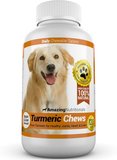
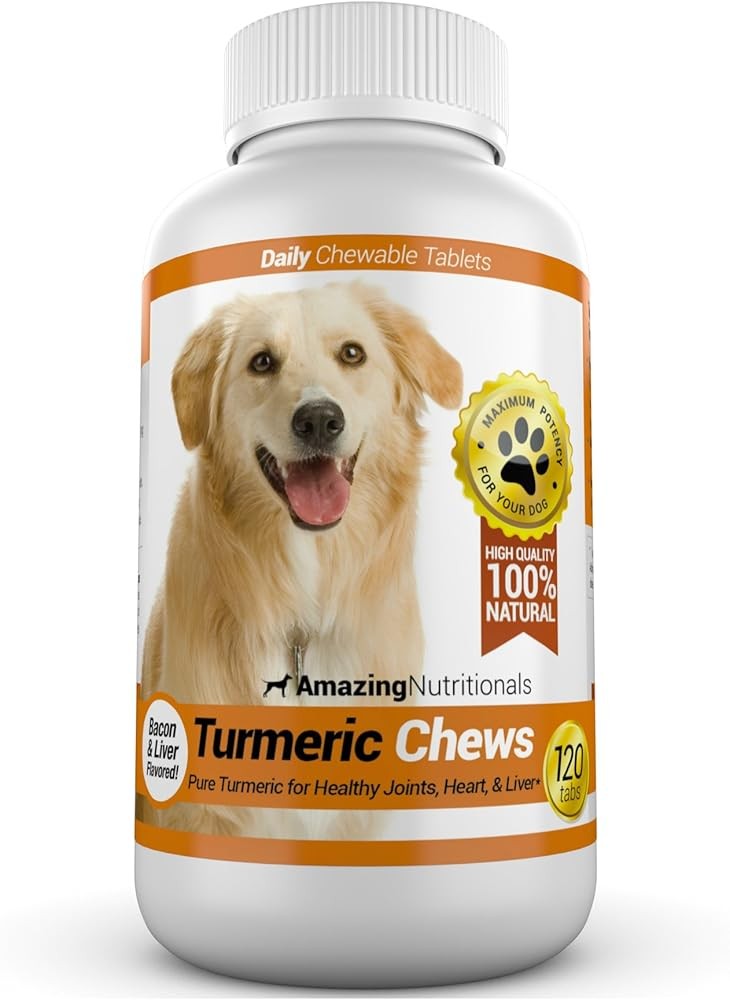
Amazing Turmeric for Dogs - Curcumin Pet Antioxidant
Check Price on AmazonAs an Amazon Associate we earn from qualifying purchases.
Omega-3 fatty acids (fish oil). Omega-3s from fish oil support the body’s inflammatory response and are among the most commonly recommended supportive supplements for dogs with inflammatory conditions. Veterinary-strength fish oils provide concentrated EPA and DHA. Choose a product made for dogs, store it properly to avoid rancidity, and dose by your veterinarian’s recommendation. Vetoquinol Omega-3 is a veterinary brand with a pump format that makes accurate dosing straightforward.
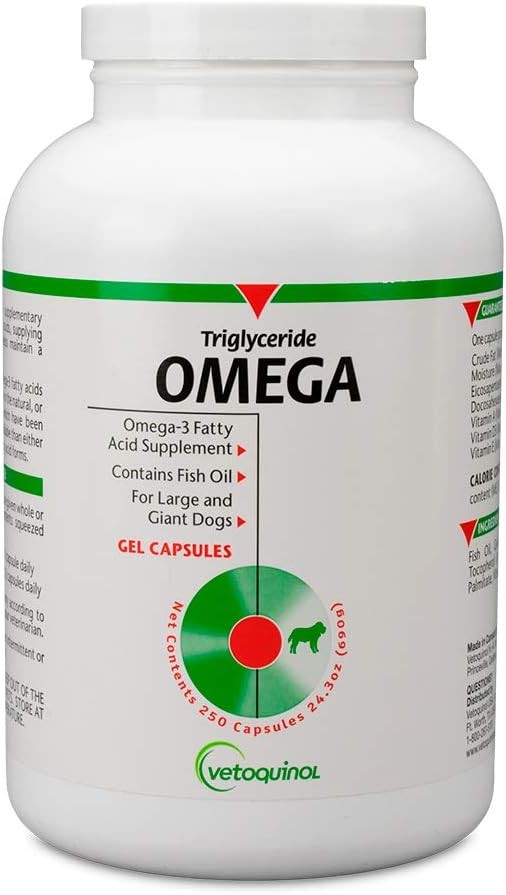
Vetoquinol Omega-3 for Dogs - Fish Oil Supplement
Check Price on AmazonAs an Amazon Associate we earn from qualifying purchases.
Probiotics for gut health. The gut barrier plays a significant role in pancreatitis recovery, and a veterinary probiotic may support digestive health during and after treatment (see our probiotic guide for dogs). Look for a multi-strain product with a meaningful CFU count designed for dogs. Probiotics are generally well tolerated, but introduce them gradually and only after the acute phase has stabilized. Wuffes Probiotic Chews are a dog-specific option that also supports immune function.
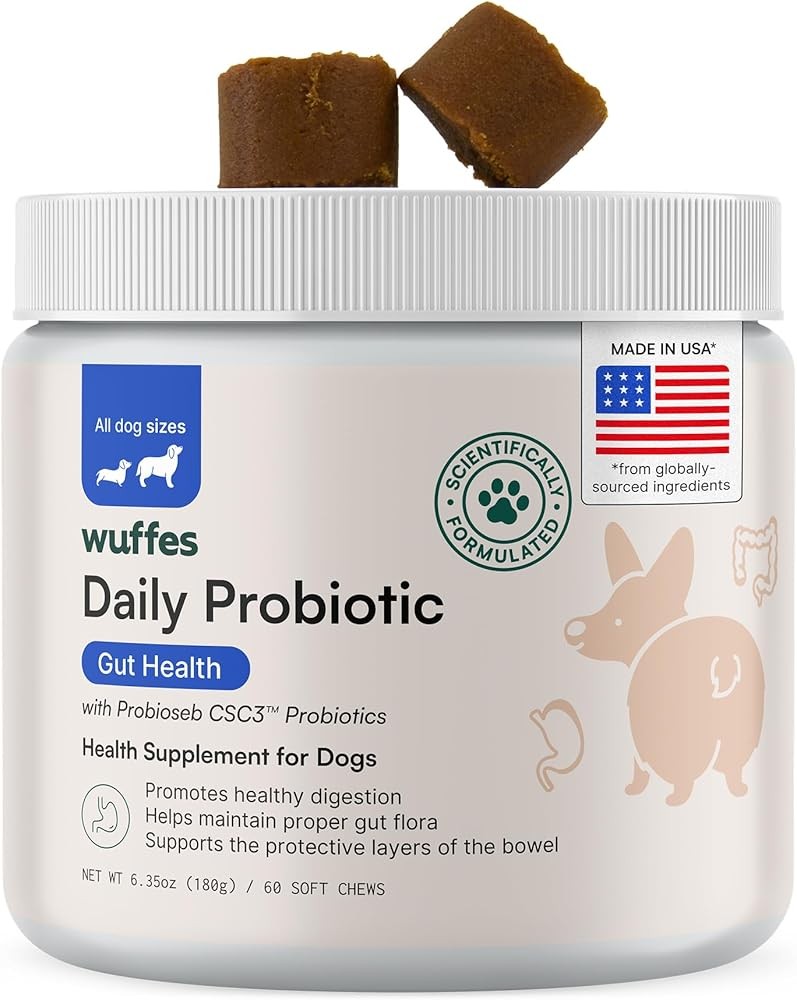
Wuffes Probiotic Chews for Dogs - Gut & Immune Support
Check Price on AmazonAs an Amazon Associate we earn from qualifying purchases.
Digestive enzymes. Dogs that develop exocrine pancreatic insufficiency after pancreatitis cannot digest food properly without enzyme replacement. This is a diagnosed condition managed with veterinary-prescribed pancreatic enzyme products. Over-the-counter human digestive enzymes are not a substitute. If your veterinarian diagnoses EPI, they will recommend the appropriate enzyme protocol. Zenwise Digestive Enzymes is an example of the general category, but EPI specifically requires veterinary guidance on the right product and dose.

Zenwise Health Digestive Enzymes
Check Price on AmazonAs an Amazon Associate we earn from qualifying purchases.
Light therapy devices. Photobiomodulation devices for home use are increasingly popular for pain and inflammation support in dogs. Red light therapy devices and portable cold laser units are available for home use, and professional veterinary rehabilitation practices offer cold laser treatments with precise dosing. If you use a home device, follow the manufacturer’s instructions, protect your dog’s eyes, and confirm with your vet that the treatment area and timing are appropriate during recovery. The Portable Handheld Cold Laser Therapy Device is marketed for both humans and dogs and is one example of this category.

Portable Handheld Cold Laser Light Therapy Device for Humans & Dogs
Check Price on AmazonAs an Amazon Associate we earn from qualifying purchases.
Heating pads. A heating pad on a low setting with a protective barrier can ease muscle tension and abdominal discomfort during recovery. Never leave a heating pad unattended with your dog, never apply heat to a febrile or sedated dog, and always follow your veterinarian’s guidance. The Thermotech Professional Heating Pad is a quality option with adjustable settings for controlled, low-level warmth.
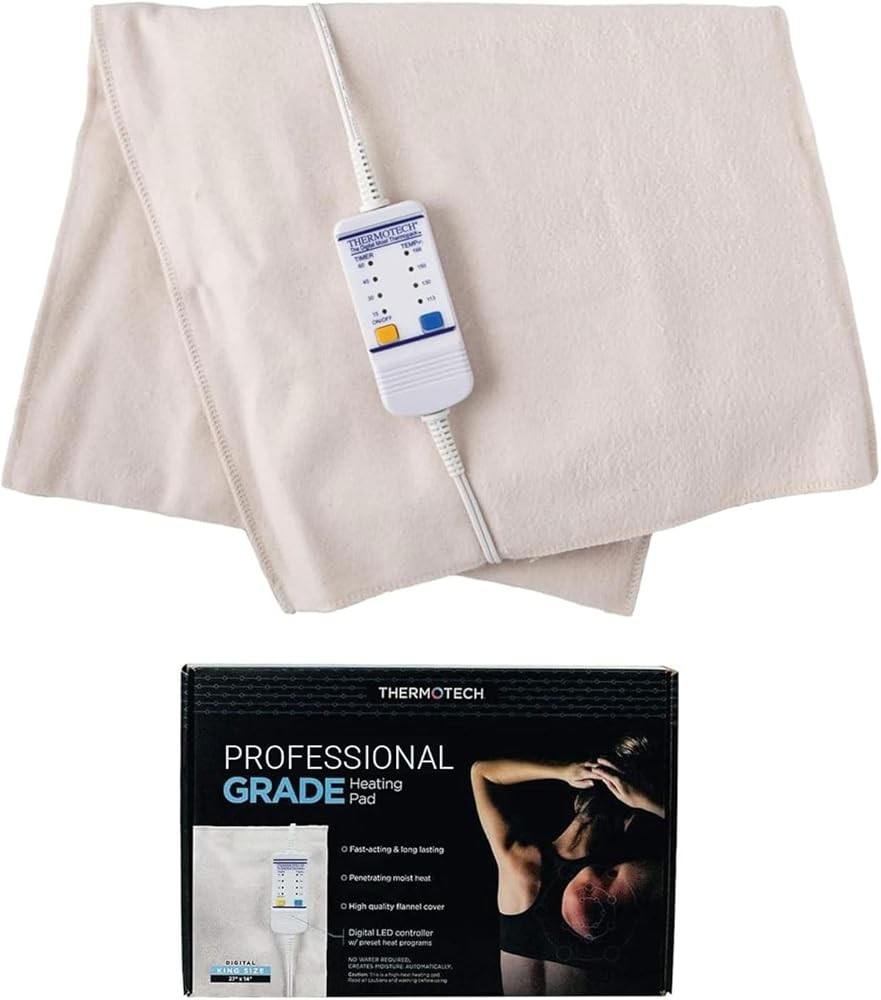
Thermotech Professional Heating Pad
Check Price on AmazonAs an Amazon Associate we earn from qualifying purchases.
The bottom line on supportive products. The products above are supportive only. They are not a treatment for acute pancreatitis, and none should be introduced during the emergency phase. Use them only after your veterinarian confirms your dog is stable and approves the specific product, dose, and timing.
Bottom line: Supportive products — pet-specific turmeric, omega-3, probiotics, light therapy, heating pads on low setting — may complement recovery, but only with veterinary approval and never during the acute emergency phase.
When Should You Return to the Vet or Go to the ER?
Knowing the warning signs of deterioration is as important as the initial treatment. Pancreatitis can worsen despite appropriate care, and early recognition of complications improves the outcome.
Return immediately if you see any of these signs: repeated vomiting that continues despite antiemetic medication; worsening lethargy or collapse; pale gums; rapid heart rate; difficulty breathing; abdominal distension; fever; refusal to eat for more than 24–48 hours; or any return of severe pain. These can indicate complications such as worsening inflammation, dehydration, or systemic involvement.
Typical recovery timeline. Mild to moderate cases usually begin improving within 3–7 days, with appetite and energy returning gradually. Severe cases may require 1–2 weeks of hospitalization and a longer recovery at home. Full recovery, including normal stool quality and energy, can take 2–4 weeks in some dogs. Do not be alarmed if your dog is tired and sleeps more than usual during the first week — but a dog that is getting worse, not better, needs re-evaluation.
Follow-up testing. Your veterinarian will likely recommend a recheck visit with repeat bloodwork, including a cPL trend, to confirm the inflammation is resolving and to monitor organ function. Weight tracking is also useful, since both weight loss during the illness and weight gain afterward affect the long-term plan.
Preventing recurrence. The most important preventive measures are dietary: a low-fat diet (often lifelong for at-risk dogs), no table scraps, and no high-fat snacks. Weight management, control of underlying hyperlipidemia or endocrine disease, and cautious use of potentially triggering medications all reduce the risk of another episode. Without dietary management, roughly 30–50% of dogs may experience recurrence.
Tracking recovery at home. Keep a simple daily log during the recovery period: note whether your dog ate each meal, how much water she drank, how many times she vomited (if at all), stool quality, energy level, and temperature if you can take it. This record gives your veterinarian concrete information at the recheck appointment and helps you spot a slow decline that might otherwise be easy to miss day to day. Weigh your dog every few days on the same scale; steady weight loss during recovery is expected at first, but weight should stabilize and begin to climb as appetite returns. Any sudden change in the pattern — a dog that was eating well and suddenly stops, or a return of vomiting after days of improvement — is a reason to call the clinic rather than wait.
The role of patience. Pancreatitis recovery is rarely linear. Dogs often have good days and bad days during the first week, and it is normal for appetite to fluctuate as the pancreas recovers. The key is distinguishing normal ups and downs from genuine deterioration. If your dog is alert, drinking, and showing any interest in food, that is progress even on a slow day. If she becomes withdrawn, refuses water, or the vomiting returns, that is a signal to involve your veterinarian again. Trust the treatment plan, follow the dietary rules strictly, and give the recovery time it needs.
Bottom line: Monitor closely during recovery — mild cases improve in 3-7 days, severe cases take 1-2 weeks — and return to the vet immediately for uncontrolled vomiting or collapse.
| Treatment | Purpose | Typical Approach | Owner Role |
|---|---|---|---|
| IV Fluid Therapy | Restore perfusion, correct dehydration | Crystalloids 60-90 mL/kg first hour | Hospitalization |
| Antiemetics (maropitant) | Control vomiting | 1 mg/kg once daily | Prescribed |
| Opioid Analgesia | Severe abdominal pain | Buprenorphine or fentanyl CRI | Prescribed |
| Early Enteral Nutrition | Maintain gut barrier | Low-fat diet within 24-48 hrs | Follow diet plan |
| Gastroprotectants | Ulcer risk | Omeprazole or famotidine, selective | Prescribed |
| Fuzapladib Sodium | Modulate inflammation | Newer veterinary option | Discuss with vet |
| Turmeric/Curcumin | Supportive anti-inflammatory | Pet-specific, bioavailable form | Vet-approved only |
| Red Light Therapy | Supportive comfort | 5-15 min sessions | Vet-approved only |
| Heating Pad | Muscle tension relief | Low setting, barrier, supervised | Vet-approved only |
| Cold Laser (professional) | Pain and inflammation | Veterinary rehab practice | Ask for referral |
Frequently Asked Questions About Canine Pancreatitis
1. Can a dog survive acute pancreatitis?
Yes, many dogs survive acute pancreatitis, but it is a serious and potentially life-threatening condition. Survival depends heavily on how severe the episode is, how quickly treatment begins, and whether complications such as organ failure or diabetes develop. Mild cases often recover with prompt supportive care, while severe cases carry a more guarded prognosis. Immediate veterinary care gives the best chance of recovery.
2. How long does a dog stay in the hospital for pancreatitis?
Hospital stays vary widely. Dogs with mild pancreatitis may be hospitalized for 2–4 days, while severe cases can require 1–2 weeks or longer of intensive care. Treatment typically includes IV fluids, anti-nausea medication, pain control, and careful nutritional support. Your veterinarian will base the discharge decision on appetite return, hydration, and stable bloodwork.
3. Is pancreatitis in dogs contagious to other dogs or humans?
No, pancreatitis itself is not contagious. It is an inflammatory condition of the pancreas, not an infection that can spread between animals or people. However, underlying causes such as dietary indiscretion or certain metabolic diseases can affect multiple pets in the same household. If you have concerns about shared risk factors, discuss them with your veterinarian.
4. Can I give my dog pumpkin or rice while recovering?
Plain pumpkin and white rice are often considered gentle on the stomach, but you should only feed them if your veterinarian has approved them as part of your dog’s recovery plan. Most vets recommend a specifically formulated low-fat, highly digestible prescription diet during recovery, because it is balanced for pancreatic patients. Home additions should never replace the prescribed diet or ongoing medical care.
5. How much does pancreatitis treatment cost?
Costs vary significantly based on severity, location, and length of hospitalization. Mild outpatient cases may cost a few hundred dollars, while severe cases requiring ICU-level care, advanced imaging, and extended stays can run into several thousand dollars. Diagnostic tests, medications, and follow-up visits add to the total. Ask your vet for an itemized estimate and discuss payment options early.
6. Will my dog have long-term problems after pancreatitis?
Some dogs recover fully, but pancreatitis can recur, especially if underlying causes like obesity, high-fat diets, or endocrine disease are not managed. Long-term dietary management with a low-fat diet is commonly recommended. A subset of dogs develops chronic pancreatitis or exocrine pancreatic insufficiency (EPI), a condition where the pancreas no longer produces enough digestive enzymes. Lifelong monitoring with your veterinarian is important.
7. What is the difference between acute and chronic pancreatitis in dogs?
Acute pancreatitis comes on suddenly, typically over 24–48 hours, and is characterized by a single episode of severe inflammation that may resolve with treatment. Chronic pancreatitis develops gradually, involves persistent low-grade inflammation, and can lead to irreversible changes in the pancreatic tissue over time, including fibrosis and loss of function. Some dogs experience recurrent acute episodes that eventually transition to chronic disease. The distinction matters for long-term care: chronic pancreatitis often requires lifelong dietary management and monitoring, while a single acute episode may be followed by a complete return to normal function (Xenoulis & Suchodolski, 2008).
8. Can stress cause pancreatitis in dogs?
Stress alone is not considered a primary cause of pancreatitis, but it can contribute indirectly. Stress raises cortisol levels, which can affect metabolism and appetite, and a stressed dog may be more likely to eat unusual foods or experience changes that trigger an episode. The more established triggers are dietary indiscretion, high-fat meals, hyperlipidemia, certain medications, and underlying endocrine disease. If your dog is prone to pancreatitis, minimizing stressors alongside dietary control is a reasonable part of prevention, but stress management alone will not stop episodes in predisposed dogs.
9. Should I fast my dog before the vet visit for suspected pancreatitis?
Do not withhold food or water from a dog with suspected pancreatitis before the veterinary visit unless your veterinarian specifically instructs you to. Dehydration is already a concern in these patients, and withholding water can worsen it. Fasting was once part of the standard approach to pancreatitis, but current veterinary guidance favors early nutritional support once the dog is stabilized. Your veterinarian will guide you on when to resume food and water based on the individual case. The important thing is to get the dog evaluated promptly rather than managing food at home.
10. How is pancreatitis in dogs different from pancreatitis in humans?
Both species share the core mechanism of premature pancreatic enzyme activation and inflammation, but there are important differences. Dogs are more likely to develop pancreatitis from dietary indiscretion and high-fat meals, while in humans gallstones and alcohol are the leading causes. The diagnostic approach is similar, using pancreatic lipase measurements and imaging, but the specific assays and reference ranges are species-specific. Treatment principles overlap — fluids, pain control, nutritional support — but the drugs, doses, and monitoring protocols are tailored to each species. Owners should not assume human pancreatitis advice applies to their dog.
Bottom line: Pancreatitis severity varies widely — mild cases may cost a few hundred dollars and resolve in days, while severe cases can exceed several thousand and require weeks — follow your veterinarian’s plan.
Related Reading
- Red Light Therapy for Senior Dogs: Arthritis and Mobility
- Cold Laser Therapy for Pain Relief: What the Research Shows
- Curcumin Benefits and Bioavailability: Which Form Is Best?
- Omega-3 Benefits: EPA and DHA Explained
- Probiotics and Gut Health: What the Research Shows
- Turmeric for Dogs: What Owners Should Know
- Best Probiotic Supplements for Dogs
Recommended Products
Get Weekly Research Updates
New studies, updated reviews, and evidence-based health insights delivered to your inbox. Unsubscribe anytime.